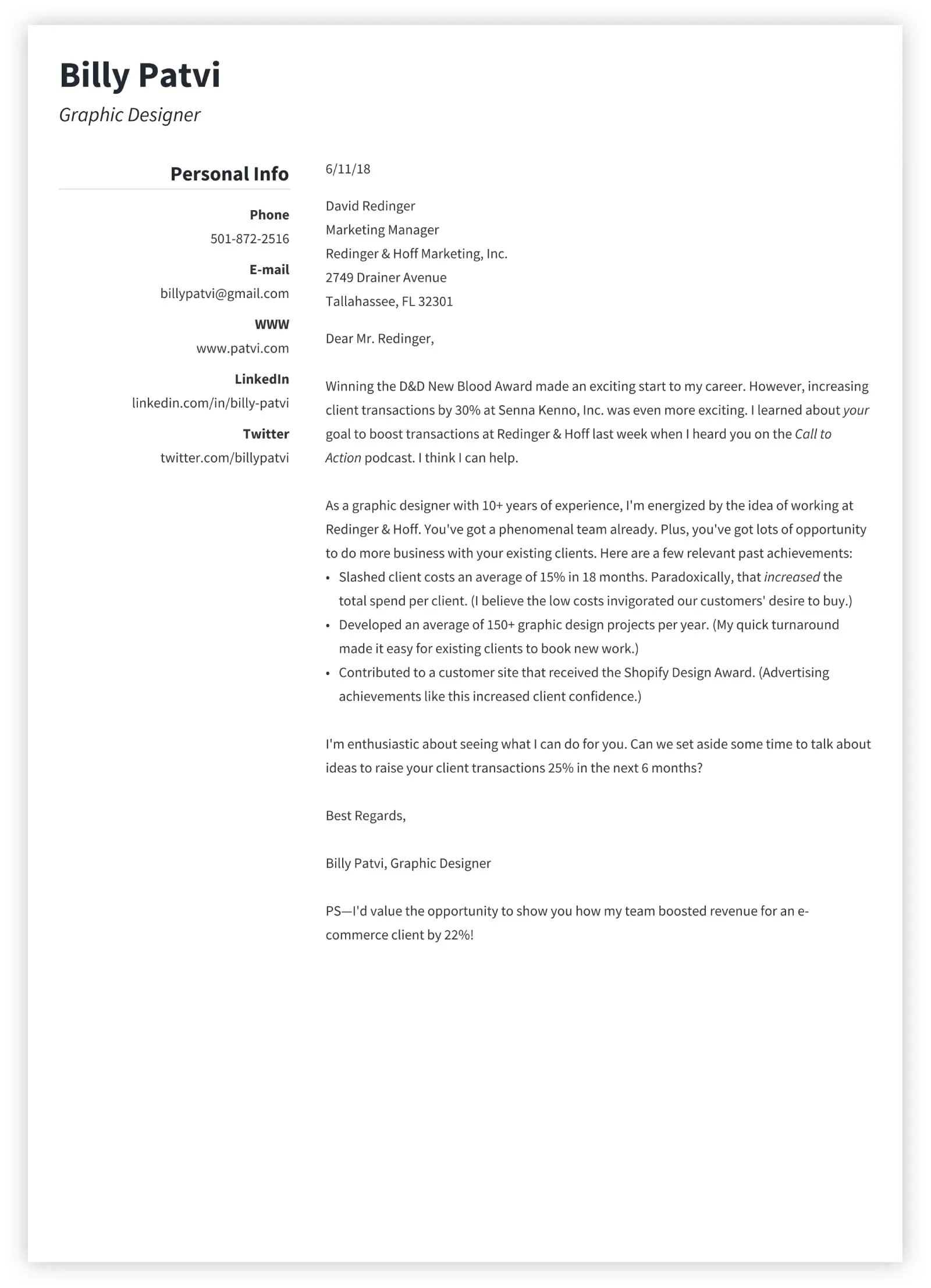
The Importance of Cover Letters
In the competitive landscape of job applications, the question of whether all resumes need a cover letter arises frequently. The answer, in most professional scenarios, leans towards a resounding yes. While a resume provides a snapshot of your skills and experience, a cover letter serves as your personal introduction, offering context and personality that a resume often lacks. It’s your chance to communicate your enthusiasm for the specific role, explain your career goals, and highlight how your qualifications align with the company’s needs. Ignoring this critical element can significantly diminish your chances of getting noticed by potential employers. A well-written cover letter demonstrates your communication skills, attention to detail, and genuine interest in the position and the organization.
When Cover Letters Are Absolutely Necessary
There are situations where a cover letter becomes non-negotiable. For instance, if the job description specifically requests one, submitting a resume without a cover letter immediately signals a lack of attention to detail and a failure to follow instructions. Furthermore, when applying for positions where personal fit and cultural alignment are highly valued, a cover letter provides the space to express your personality and values. This is especially true in creative fields or roles that emphasize soft skills. In industries like marketing, communications, or any role requiring strong interpersonal abilities, a cover letter allows you to showcase your writing prowess and articulate your ideas effectively. Ignoring the requirement in these situations significantly damages your application.
Cover Letter for All Applications

Even when not explicitly required, sending a cover letter with your resume is generally a wise practice. It offers an opportunity to personalize your application and show your genuine interest in the specific role and company. Generic resumes can easily get lost in the shuffle, but a tailored cover letter allows you to stand out by addressing the specific requirements of the job and explaining why you are a great fit. Think of it as a chance to tell your story and connect with the hiring manager on a more personal level. This proactive approach can make a lasting impression, increasing your chances of securing an interview. This proactive approach allows you to make a strong impression, improving your chances of securing an interview.
Cover Letter When You Have Limited Experience
For individuals with limited work experience, a cover letter becomes an invaluable tool. It allows you to emphasize transferable skills, academic achievements, volunteer work, and any other relevant experiences that demonstrate your potential. Use the cover letter to explain any gaps in your employment history or any career transitions. It’s a platform to demonstrate your eagerness to learn and your adaptability. For students or recent graduates, a cover letter is where you can articulate your career aspirations and why you’re excited about the opportunity. It’s also your space to explain your career goals and how the position fits with your aspirations. This helps to mitigate the perceived lack of experience, turning a potential weakness into a strength.
Cover Letter’s Role in the Job Application
The role of a cover letter goes beyond simply introducing your resume. It provides context for your application, offering insights into your motivations, aspirations, and personality. It’s your chance to bridge the gap between your qualifications and the job requirements, clearly articulating how your skills and experiences align with the role. The cover letter allows you to highlight specific accomplishments and quantify your achievements whenever possible, proving the value you would bring to the company. It’s also an opportunity to demonstrate your understanding of the company’s mission and values, showcasing your interest in being part of their team. This additional perspective can make your application more compelling and memorable.
Crafting the Perfect Cover Letter

Writing a compelling cover letter involves more than simply restating information from your resume. It requires careful thought and strategic planning. Begin by researching the company and the specific role, tailoring your letter to align with their needs and values. Show, don’t just tell; use specific examples to demonstrate your skills and accomplishments. Make it clear why you are interested in the position and what you hope to achieve. Proofread it carefully for any grammatical errors or typos; these can instantly undermine your credibility. Keep it concise, focused, and easy to read. The goal is to capture the reader’s attention quickly and leave a lasting positive impression. Remember that a well-crafted cover letter is a powerful tool in your job search.
Highlighting Skills and Achievements
Your cover letter should serve as a showcase for your most relevant skills and achievements. Instead of merely listing your qualifications, provide concrete examples of how you’ve utilized those skills to achieve results. Quantify your accomplishments whenever possible; for example, instead of saying you “improved sales,” specify by how much. This approach demonstrates your value and gives the hiring manager a clear understanding of what you can bring to the company. Consider using the STAR method (Situation, Task, Action, Result) to structure your examples, providing a clear narrative that highlights your problem-solving abilities and the impact of your work. This approach makes your accomplishments more tangible and compelling.
Matching Cover Letter to the Job Description
Customization is key when it comes to cover letters. Carefully review the job description and identify the key skills and qualifications the employer is seeking. Then, tailor your cover letter to highlight those specific attributes, using the same keywords and phrases whenever appropriate. Demonstrate how your experience aligns with the role’s requirements, providing concrete examples that support your claims. This demonstrates that you’ve done your homework and understand the needs of the company. This is crucial for showing your attention to detail and ability to follow instructions. Make sure you are demonstrating your understanding of the role and the company’s goals and mission.
Showcasing Personality and Enthusiasm

A cover letter provides the opportunity to inject your personality and enthusiasm into the application process. While professionalism is important, don’t be afraid to let your genuine interest in the role and the company shine through. Write in a confident and engaging tone, expressing your excitement for the opportunity. Share a brief anecdote or personal connection if relevant, making your letter more memorable. Avoid clichés and generic phrases, aiming to create a unique and personalized message. This approach helps you stand out from other candidates. This approach will increase your chances of making a positive impression.
Addressing Specific Requirements
When the job description asks for specific information, such as a writing sample or a response to a particular question, make sure your cover letter addresses these requirements directly. Failure to do so can lead to your application being overlooked. Be sure to provide the requested information clearly and concisely, following the instructions carefully. If a writing sample is required, ensure it showcases your best work and demonstrates your ability to communicate effectively. If the job description asks you to answer a specific question, provide a thoughtful and well-reasoned response. This shows your attention to detail and a willingness to go the extra mile.
Formatting and Structure
A well-formatted cover letter is essential for making a positive impression. Use a professional font, such as Times New Roman or Arial, and maintain consistent formatting throughout. Keep it concise, ideally no more than one page in length. Start with a clear and professional salutation, addressing the hiring manager by name if possible. Use concise paragraphs and bullet points to break up the text and make it easier to read. Close with a strong call to action, expressing your interest in an interview and thanking the reader for their time and consideration. A professional and clean layout shows respect for the reader’s time and underscores your attention to detail.
Proofreading for Perfection

Before submitting your cover letter, always proofread it carefully for any errors in grammar, spelling, or punctuation. Even a minor mistake can damage your credibility and suggest a lack of attention to detail. Read it aloud to catch any awkward phrasing or inconsistencies. Consider having a friend or family member review it as well, as a fresh pair of eyes can often spot errors you may have missed. Ensure your contact information is accurate and up-to-date. Taking the time to proofread your cover letter can significantly improve your chances of making a positive impression and securing an interview. Proofreading is a crucial step in the job application process.