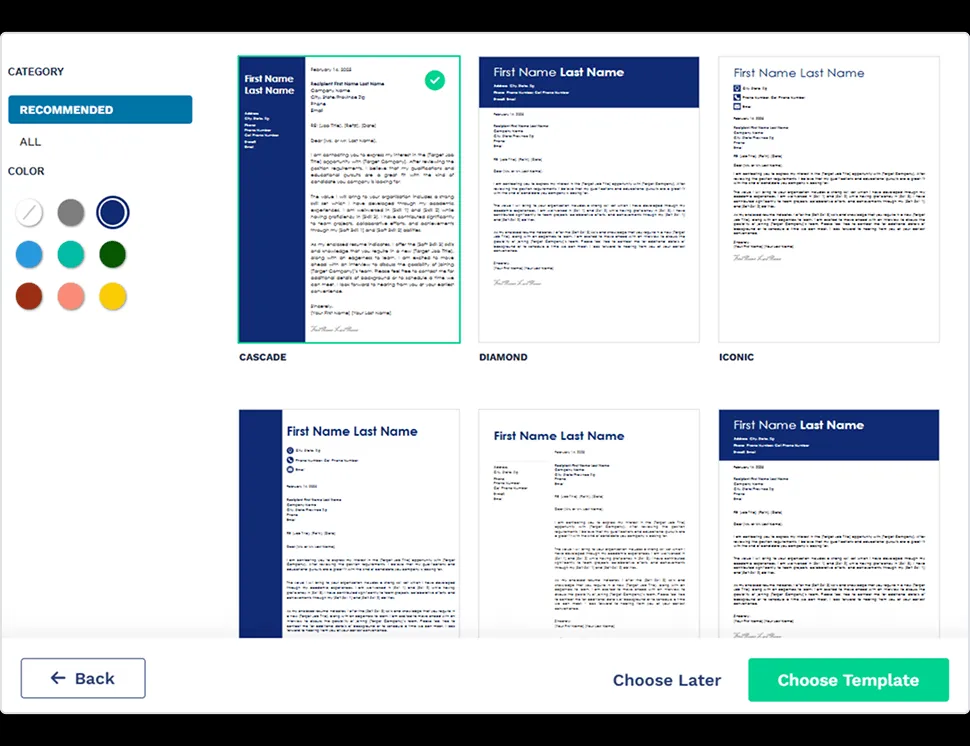
What is a Cover Letter?
A cover letter is a crucial document that accompanies your resume when applying for a job. It serves as an introduction, allowing you to elaborate on your skills, experience, and qualifications in a way that a resume alone cannot. Unlike a resume, which provides a concise overview of your professional history, a cover letter gives you the opportunity to express your personality, demonstrate your enthusiasm for the role, and explain why you’re the perfect fit for the company. It’s your chance to make a strong first impression and persuade the hiring manager to take a closer look at your application. The cover letter is essentially a sales pitch, selling your skills and abilities to a potential employer.
Why You Need a Cover Letter
In today’s competitive job market, a cover letter is more than just a formality; it’s a necessity. It provides context to your resume, helping the hiring manager understand how your skills align with the specific requirements of the job. A well-written cover letter can set you apart from other candidates by showcasing your communication skills, demonstrating your understanding of the company and the role, and highlighting your passion for the opportunity. It’s also an excellent way to address any potential gaps or concerns in your resume, such as career changes or periods of unemployment. Without a cover letter, you risk being overlooked, as many employers view them as a key indicator of a candidate’s interest and professionalism. It’s the first impression, use it wisely.
Top 5 Tips to Create a Free Cover Letter

Creating a compelling cover letter doesn’t have to be expensive or time-consuming. By following these top 5 tips, you can craft a professional and effective cover letter using free online resources, increasing your chances of landing an interview and the job. These tips will empower you to make the best impression on potential employers, ensuring your application stands out from the competition and showcasing your value to any organization. Focus on these elements and your job search will be much easier.
Choose the Right Online Tool
Many free online tools offer cover letter templates and guidance. When selecting a tool, consider its ease of use, the variety of templates available, and any customization options it provides. Some popular options include Canva, Resume.io, and Kickresume. These platforms offer pre-designed templates that you can easily customize with your information. Look for tools that allow you to export your cover letter in a professional format, such as PDF, ensuring that your formatting remains consistent when viewed by potential employers. Select the best tool for your specific needs based on features and user-friendliness. This step will make the whole process easier.
Highlight Your Key Skills and Experience
Your cover letter should directly address the job requirements, highlighting the skills and experience that make you a strong candidate. Carefully review the job description and identify the key qualifications the employer is seeking. Then, in your cover letter, provide specific examples from your work history or education that demonstrate how you possess these skills. Quantify your achievements whenever possible, using numbers and data to showcase your impact. For example, instead of saying you “managed projects,” state that you “managed projects, resulting in a 15% increase in efficiency.” This will help potential employers to take notice and to review the rest of your application.
Tailor Your Cover Letter to the Job

Generic cover letters are easily spotted and often discarded. To stand out, you must tailor each cover letter to the specific job and company you’re applying to. Research the company, understand its mission, values, and culture, and then customize your letter to reflect this understanding. Address the hiring manager by name if possible, and explain why you’re interested in working for that particular company. Mention specific projects or initiatives that resonate with you, and articulate how your skills and experience align with their needs. Personalizing your cover letter shows that you’ve taken the time to understand the opportunity and are genuinely interested in the role.
Proofread and Edit Carefully
Errors in a cover letter can immediately disqualify you. Always proofread your cover letter multiple times for any spelling, grammar, or punctuation errors. Read it aloud to catch any awkward phrasing or sentences that don’t flow smoothly. Ask a friend, family member, or career advisor to review your letter for a fresh perspective. Ensure that the formatting is consistent and professional. A well-edited cover letter demonstrates attention to detail, professionalism, and a commitment to quality. These elements are critical for consideration in any role.
Optimize for Applicant Tracking Systems (ATS)
Many companies use Applicant Tracking Systems (ATS) to screen applications. To ensure your cover letter gets seen, optimize it for these systems. Use keywords from the job description throughout your cover letter. Choose a simple, clean font and avoid complex formatting. Save your cover letter as a PDF to preserve the formatting. Make sure your contact information is easily accessible. By optimizing for ATS, you increase the chances that your application makes it through the initial screening process and reaches a human reader.
Free Cover Letter Online Tools

Canva
Canva is a popular online design tool that offers a variety of cover letter templates. It is user-friendly and allows for easy customization. You can adjust the font, colors, and layout to match your personal brand. Canva’s drag-and-drop interface makes it easy to create a visually appealing cover letter, even if you have no design experience. The free version offers a wide range of templates, making it an excellent option for creating a professional-looking cover letter without any cost. Canva also allows you to download your cover letter in various formats.
Resume.io
Resume.io provides cover letter templates and a user-friendly editor. The platform guides you through the process of creating a cover letter, offering suggestions and examples to help you craft compelling content. The templates are professionally designed and easy to customize. Resume.io also provides tips on what to include in each section of your cover letter. It’s a comprehensive tool that is easy to use for professionals with all ranges of experience. The tool is designed to make your cover letter stand out.
Kickresume

Kickresume is another excellent platform for creating cover letters. It offers a variety of templates and customization options, as well as a helpful editor. The platform provides guidance on content, helping you tailor your cover letter to the job requirements. Kickresume allows you to export your cover letter in various formats. It also has an AI assistant that you can use to enhance your cover letter. Kickresume’s AI tool is a huge asset to any job seeker.
Conclusion
Creating a free cover letter online is a straightforward process, especially with the many tools and resources available. By following the tips outlined in this guide – choosing the right online tool, highlighting your key skills, tailoring your letter to the job, proofreading carefully, and optimizing for ATS – you can create a compelling cover letter that showcases your value to potential employers. Remember that your cover letter is your opportunity to make a strong first impression. Use the free tools available to you and take the time to create a customized letter that highlights why you are the perfect fit for the role and you will be on your way to a successful job search.