The Importance of CV and Cover Letter
Your CV (Curriculum Vitae) and cover letter are your first introductions to potential employers. They serve as critical marketing tools, showcasing your skills, experiences, and qualifications in a concise and compelling manner. A well-crafted CV and cover letter can significantly increase your chances of landing an interview, while poorly written ones can lead to immediate rejection. These documents are often the first impression you make, so it’s essential to make them count. They provide employers with a snapshot of your professional background and personality, helping them determine if you’re a good fit for the role. It’s not just about listing your experiences; it’s about telling your story and demonstrating why you’re the best candidate for the job.
Understanding the Purpose of Each Document
Both the CV and the cover letter work in tandem, but they serve different purposes. The CV provides a comprehensive overview of your work history, education, skills, and achievements. It’s a factual document that presents your professional journey in a structured format. The cover letter, on the other hand, is more personalized. It’s your opportunity to express your interest in the specific role and company, explain why you’re a good fit, and highlight the most relevant aspects of your CV. It’s where you can showcase your personality, enthusiasm, and communication skills. The cover letter allows you to connect your skills and experiences to the job requirements. Therefore, the cover letter should be unique for each application, while your CV can remain consistent with minor adjustments.
What is a CV?

A CV (Curriculum Vitae) is a detailed document that summarizes your professional and academic history. It typically includes your contact information, work experience, education, skills, certifications, and any other relevant information. The primary goal of a CV is to provide a comprehensive overview of your qualifications and achievements. The length of a CV can vary depending on your experience level, but it should always be clear, concise, and easy to read. A well-structured CV should be tailored to the specific job you’re applying for, highlighting the skills and experiences that are most relevant to the role. This document serves as a roadmap of your career, allowing potential employers to quickly assess your suitability for a position.
What is a Cover Letter?
A cover letter is a letter of introduction that accompanies your CV. It’s your chance to express your interest in the specific job and company and explain why you’re a strong candidate. The cover letter provides an opportunity to showcase your personality, enthusiasm, and communication skills. Unlike a CV, which is a factual document, the cover letter allows you to tell a story. It’s a place to explain why you’re interested in the role, how your skills and experiences align with the job requirements, and what you can bring to the company. A well-written cover letter can make a lasting impression, setting you apart from other applicants. It should be tailored to each job application, demonstrating that you’ve taken the time to understand the role and the company’s needs.
Top 5 Tips for a Winning CV and Cover Letter
Tailor Your Content

Customize your CV and cover letter for each job application. Don’t send a generic document; instead, carefully review the job description and highlight the skills and experiences that align with the requirements. Use keywords from the job description to ensure your documents are easily searchable by applicant tracking systems (ATS). Tailoring demonstrates to the employer that you’ve taken the time to understand their needs and that you’re genuinely interested in the role. By emphasizing the most relevant information, you increase your chances of capturing the recruiter’s attention and securing an interview. This personalized approach is key to making a strong impression.
Highlight Your Achievements
Instead of just listing your job responsibilities, focus on your accomplishments. Use action verbs to describe your achievements and quantify your results whenever possible. For example, instead of saying ‘Managed social media accounts,’ say ‘Increased social media engagement by 30% in six months through strategic content planning.’ Highlighting your accomplishments demonstrates your value to potential employers and showcases your ability to make a positive impact. Provide specific examples of how you’ve contributed to previous companies or projects. This approach provides concrete evidence of your skills and abilities, making your application more compelling.
Optimize Formatting and Design
Make sure your CV and cover letter are easy to read and visually appealing. Use a clean and professional font, appropriate headings, and sufficient white space. Ensure your layout is consistent throughout both documents. A well-designed CV and cover letter reflect professionalism and attention to detail. A cluttered or poorly formatted document can be off-putting to recruiters. Choose a font size that’s easy on the eyes and use bolding, italics, and bullet points strategically to highlight important information. The overall design should be clean, modern, and consistent with your personal brand.
Proofread Meticulously

Typos, grammatical errors, and inconsistencies can damage your credibility. Always proofread your CV and cover letter carefully. Read them aloud to catch any mistakes, and consider asking a friend or family member to review them as well. Ensure that all your contact information is accurate and up-to-date. Proofreading is essential to demonstrate your attention to detail and professionalism. Errors can make you appear careless and unprofessional, potentially leading to your application being overlooked. Taking the time to proofread will improve your chances of making a positive impression.
Showcase Your Personality
While maintaining professionalism, let your personality shine through in your cover letter. This is your chance to express your enthusiasm for the role and company. Use a tone that reflects your authentic self. Tailor your language to the company’s culture. Avoid using generic phrases. Instead, write in your own voice. By showcasing your personality, you make yourself more memorable and help employers see how you would fit into their team. A genuine and enthusiastic cover letter can create a strong connection with the hiring manager and increase your chances of landing an interview. Use your cover letter to tell your story and connect your skills and experiences to the job requirements.
Examples of Effective CV and Cover Letter
Reviewing example CVs and cover letters can provide valuable insights into structure, formatting, and content. There are numerous resources available online, offering examples for various industries and experience levels. Use these examples as a guide, but be sure to customize them to reflect your own skills and experiences. By studying successful applications, you can learn how to effectively present your qualifications and tailor your documents to specific job requirements. Consider looking at examples from your field or industry to gain a better understanding of what employers are looking for.
Example CV Structure

A typical CV structure includes the following sections: Contact Information, Summary or Objective (optional), Work Experience, Education, Skills, and Additional Sections (such as certifications, projects, or publications). The order of these sections can vary based on your experience level and the role you’re applying for. For example, if you have extensive work experience, you may place it before your education. The key is to present the most relevant information first. Organize your work experience in reverse chronological order, starting with your most recent position. Be sure to include the company name, job title, dates of employment, and a brief description of your responsibilities and achievements.
Example Cover Letter Structure
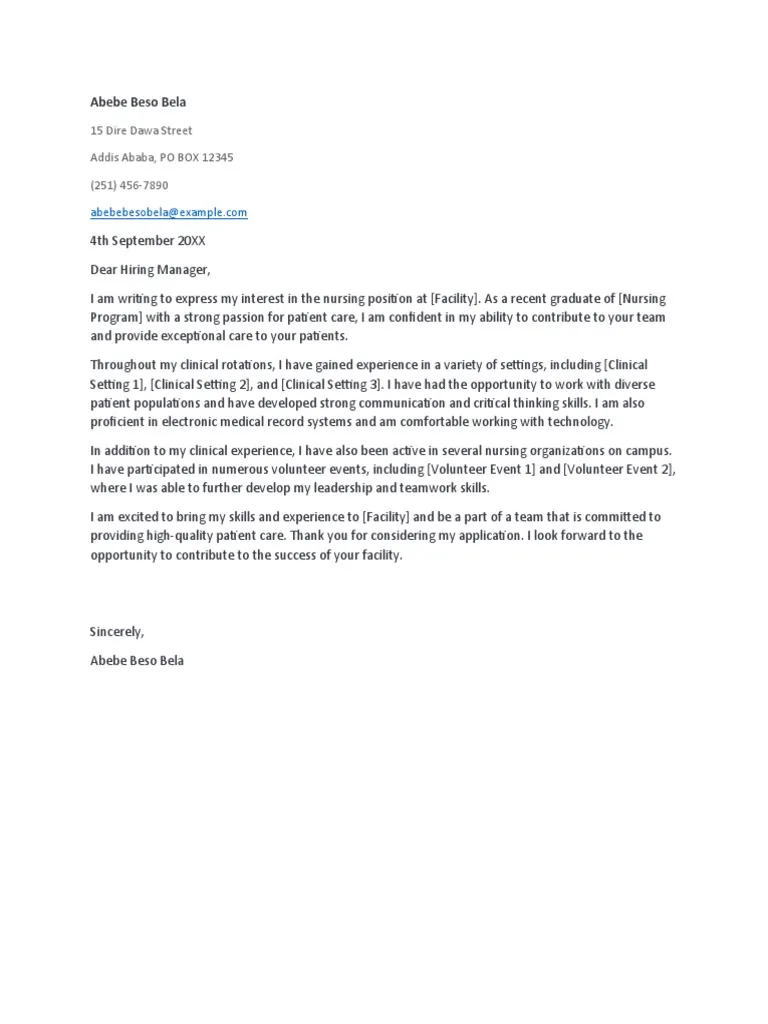
A cover letter typically follows this structure: Contact Information (your and the recipient’s), Salutation, Opening Paragraph (stating the position and your interest), Body Paragraphs (highlighting relevant skills and experiences, and explaining why you are a good fit), Closing Paragraph (reiterating your interest and including a call to action), and Closing. Always address the letter to a specific person whenever possible, and personalize it to the role and company. In the body paragraphs, connect your skills and experiences to the job requirements, providing specific examples of your accomplishments. End with a strong call to action, such as expressing your eagerness to discuss your qualifications in an interview.
Resources and Tools for CV and Cover Letter Writing
There are many resources and tools available to help you create effective CVs and cover letters. Online CV builders and professional templates can simplify the process. Utilizing these resources can save time and ensure a polished final product. From grammar checkers to career websites, you can leverage various tools to refine your documents. Be sure to tailor any template or builder to reflect your individual skills, and tailor the document to the specific role to maximize your chances of success. Here’s a look at the types of tools available.
Online CV Builders

Online CV builders offer a user-friendly way to create professional-looking CVs. These tools typically provide templates, guidance on content, and formatting options. They can be especially helpful if you’re starting from scratch or want to update an existing CV. Many builders offer a range of customization options, allowing you to tailor your CV to your specific needs. Using a CV builder can save time and ensure your CV is well-structured. You can find both free and paid options, with varying levels of features and customization.
Professional CV Templates
Professional CV templates provide a pre-designed structure and format. They can be downloaded from various websites and customized with your information. These templates often follow modern design trends and can help you create a visually appealing CV. Using a template can streamline the writing process and ensure your CV is well-organized. Choose a template that aligns with your industry and personal brand. Be sure to customize the template with your own details and tailor it to the specific job application.