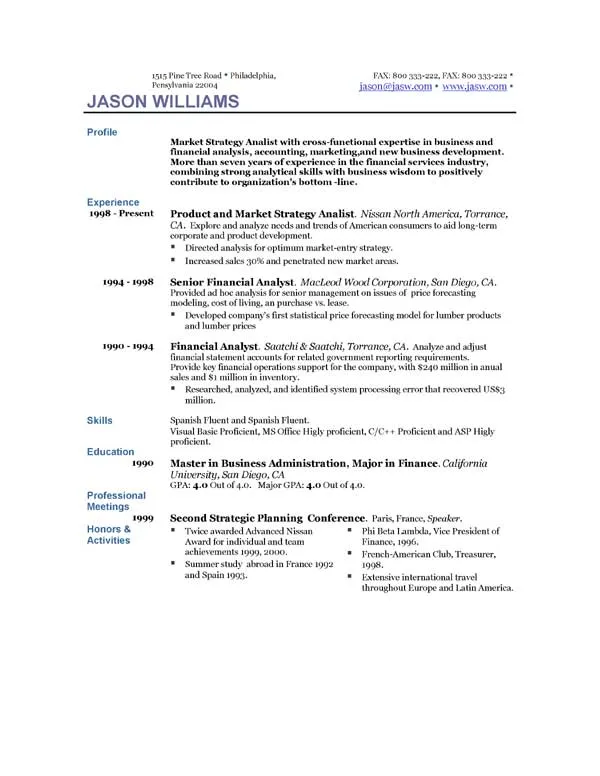
What is a CV and Cover Letter
A Curriculum Vitae (CV) and a cover letter are essential documents in the job application process. The CV is a detailed overview of your entire professional and academic history, including qualifications, skills, experiences, and achievements. It is a comprehensive record of your career journey. The cover letter, on the other hand, is a personalized introduction to your CV. It highlights why you are the best fit for a specific job, expresses your interest in the role, and demonstrates your understanding of the company and the position. Together, these documents provide a complete picture of your suitability for a particular role, allowing potential employers to assess your qualifications and personality.
Why are CV and Cover Letter Samples Important
CV and cover letter samples serve as valuable guides, offering insights into effective formatting, content, and language use. They help you understand how to structure your information, present your skills, and tailor your application to specific job requirements. By studying these examples, you can identify best practices and avoid common mistakes. Samples provide inspiration, helping you articulate your experiences and achievements in a compelling way. They also demonstrate the different styles and approaches that can be effective in various industries and roles. Using samples is an effective way to ensure your application stands out.
Essential Elements of a Strong CV

A strong CV is well-organized, easy to read, and highlights your key qualifications. It should be tailored to the specific job you are applying for. Key elements include your contact information, a professional summary or objective, a detailed work experience section, education, skills, and any additional relevant sections such as projects, publications, or certifications. Each section should be clear, concise, and focused on demonstrating your value to a potential employer. Using action verbs and quantifiable achievements can make your CV more impactful. Ensure your CV is free of grammatical errors and inconsistencies.
Contact Information
Your contact information should be prominently displayed at the top of your CV. Include your full name, phone number, professional email address, and a link to your LinkedIn profile (if you have one). Ensure that your contact information is accurate and up-to-date, as this is how potential employers will reach you. Avoid using unprofessional email addresses. If you have a professional website or online portfolio, you can also include the link here.
Professional Summary/Objective
The professional summary or objective is a brief statement that introduces you to the employer. A professional summary is a concise overview of your experience and skills, typically used by experienced professionals. It highlights your key accomplishments and what you bring to the table. An objective is a statement of your career goals and what you hope to achieve in the role, often used by entry-level candidates. Tailor this section to the specific job, emphasizing the skills and experiences that align with the job requirements. Keep it brief, impactful, and focused on your value proposition.
Work Experience

This section is the core of your CV, detailing your work history. For each position, include the job title, company name, location, and dates of employment. Use bullet points to describe your responsibilities and accomplishments, using action verbs to start each bullet. Quantify your achievements whenever possible, using numbers to demonstrate your impact (e.g., “Increased sales by 15%,” “Managed a team of 10 employees”). Focus on the most relevant experiences, tailoring this section to the specific job description. Highlight your contributions and the results you achieved in each role. Start with your most recent position and work backward.
Education
Include your educational background, starting with your most recent degree. List the degree name, major, university name, and graduation date (or expected graduation date). If you have relevant coursework, honors, or awards, you can include them here. If you have limited work experience, you might include more detail about your academic achievements and projects. Be sure to include the full name of your degree (e.g., Bachelor of Science in Marketing) and avoid abbreviations unless they are widely recognized.
Skills
List both hard and soft skills that are relevant to the jobs you are applying for. Hard skills are technical abilities and knowledge gained through education and experience (e.g., software proficiency, data analysis, coding languages). Soft skills are interpersonal and professional attributes (e.g., communication, teamwork, problem-solving, leadership). Tailor this section to the job requirements, emphasizing the skills that the employer is looking for. Group skills into categories for better readability and clarity. Consider including a proficiency level for each skill (e.g., Beginner, Intermediate, Expert).
Additional Sections

Include any additional sections that are relevant to the job and highlight your qualifications. This could include certifications, licenses, projects, publications, volunteer experience, awards, or professional memberships. Ensure these sections are well-organized and clearly presented. If you have a portfolio, a link to it can be beneficial, especially for creative roles. Be selective and only include information that supports your application and demonstrates your skills and experience.
Crafting a Compelling Cover Letter
A cover letter complements your CV by providing a personalized introduction. It allows you to elaborate on your qualifications, express your interest in the specific role, and highlight how your skills and experience align with the company’s needs. A well-written cover letter can significantly increase your chances of getting an interview. Tailor each cover letter to the specific job and company, showcasing your understanding of their mission and values. Research the company and customize your letter to show you’ve put in the effort.
Structure and Tone
A standard cover letter should include an introduction, body paragraphs, and a conclusion. In the introduction, state the position you are applying for and how you learned about it. The body paragraphs should highlight your relevant skills and experiences, providing specific examples of your achievements. Use a professional and enthusiastic tone. The conclusion should reiterate your interest, thank the employer for their time, and include a call to action (e.g., requesting an interview). Maintain a positive and confident tone throughout the letter.
Highlighting Relevant Skills

The cover letter is your opportunity to expand on the skills mentioned in your CV. Choose 2-3 key skills or experiences that are most relevant to the job requirements and elaborate on them. Use specific examples to demonstrate how you have used these skills in the past and the results you achieved. Quantify your achievements whenever possible to show the impact you made. Avoid simply repeating information from your CV. Instead, provide more detail and context, demonstrating your ability to perform the job responsibilities.
Tailoring to the Job Description
Carefully review the job description and tailor your cover letter to match the specific requirements. Highlight the skills and experiences that the employer is looking for. Use keywords from the job description to demonstrate your understanding of the role and the company’s needs. Research the company’s mission, values, and recent activities to show that you are genuinely interested in working there. Address the hiring manager by name if possible, which shows you’ve done your research and are invested in the opportunity.
Top 7 CV and Cover Letter Samples
Below are samples tailored for different professions. These examples can help you understand how to structure your CV and cover letter and how to highlight relevant skills and experiences for a specific role. Remember to customize these samples to reflect your own qualifications and experiences. These samples provide a starting point for creating your own documents, allowing you to see how different roles can be approached.
Sample 1 Sales Associate

This sample should highlight customer service skills, sales experience, and communication abilities. The CV should emphasize achievements in increasing sales, meeting targets, and building customer relationships. The cover letter should focus on the candidate’s ability to understand customer needs, close deals, and contribute to the company’s sales goals. Use action verbs to quantify sales figures and customer satisfaction metrics.
Sample 2 Software Engineer
The CV should showcase technical skills, projects, and programming languages. The cover letter should highlight specific projects, problem-solving abilities, and experience with relevant technologies. Focus on demonstrating your understanding of software development principles and your ability to contribute to the team. Provide links to your GitHub or portfolio. Emphasize your proficiency in coding and your experience with specific technologies.
Sample 3 Marketing Manager
The CV should detail marketing campaigns, analytical skills, and leadership experience. The cover letter should highlight strategic thinking, creativity, and experience in driving marketing initiatives. Showcase successful campaigns, marketing metrics, and team leadership. Demonstrate your ability to develop and execute marketing strategies, analyze data, and manage budgets. Include examples of campaigns and the results achieved.
Sample 4 Project Manager

The CV should focus on project management methodologies, leadership, and problem-solving skills. The cover letter should emphasize experience in managing projects, meeting deadlines, and leading teams. Highlight your ability to manage budgets, allocate resources, and mitigate risks. Include specific examples of successful project completions, and emphasize your leadership and organizational skills.
Sample 5 Teacher
The CV should highlight teaching experience, curriculum development, and classroom management skills. The cover letter should emphasize your ability to create engaging lesson plans, manage a classroom, and foster student learning. Showcase your experience, educational background, and your approach to teaching, emphasizing your passion for education. Provide examples of successful lesson plans and student achievements.
Sample 6 Accountant
The CV should highlight accounting skills, financial reporting experience, and compliance knowledge. The cover letter should emphasize your experience in financial analysis, budgeting, and financial statement preparation. Showcase your knowledge of accounting principles and your ability to ensure accuracy and compliance. Emphasize your attention to detail and understanding of financial regulations.
Sample 7 Graphic Designer
The CV should focus on design skills, portfolio, and software proficiency. The cover letter should showcase your creativity, design skills, and experience in creating visuals. Emphasize your portfolio and your ability to communicate design ideas. Highlight your skills, your experience with design software and the creativity you can bring to the role. Include a link to your online portfolio.
Tips for Customizing Your CV and Cover Letter Samples
Customizing samples is crucial to ensure your application reflects your unique skills and experience. Replace the sample content with your own information, using the samples as a template. Carefully review the job description and tailor your CV and cover letter to match the specific requirements. Highlight the skills and experiences that are most relevant to the job. Ensure you use action verbs and quantify your achievements whenever possible. Tailor your resume and cover letter to showcase your value.
Formatting and Design
Choose a clean, professional format that is easy to read. Use clear headings and subheadings to organize your information. Use bullet points to present your accomplishments and responsibilities in a concise manner. Maintain consistency in font size, style, and spacing throughout your documents. A well-formatted CV is visually appealing and allows the reader to quickly grasp your key qualifications. Select a professional font like Arial, Times New Roman, or Calibri.
Proofreading and Editing
Proofread your CV and cover letter carefully for any grammatical errors, spelling mistakes, or typos. Use a grammar checker and ask a friend or family member to review your documents for a second opinion. Ensure your documents are error-free before submitting them. Errors can undermine your credibility and negatively impact your application. Double-check all contact information and ensure the format is consistent throughout the document.
Keywords and Applicant Tracking Systems
Many companies use Applicant Tracking Systems (ATS) to screen resumes. To increase your chances of being selected, use keywords from the job description in your CV. Tailor your CV to include relevant keywords that the ATS is likely to scan for. Research the company and industry to identify key terms. While it is important to use keywords, make sure your CV remains readable and relevant to the job. Avoid keyword stuffing, as this can be easily detected.
Conclusion: Your Path to Landing a Job
Crafting a compelling CV and cover letter is a critical step in the job search process. By using samples as guides, customizing your documents, and following the best practices, you can significantly increase your chances of landing an interview and securing your dream job. Take the time to carefully prepare your application materials, and remember to tailor each document to the specific job. With a well-crafted CV and cover letter, you are well on your way to a successful job search. Good luck with your application!