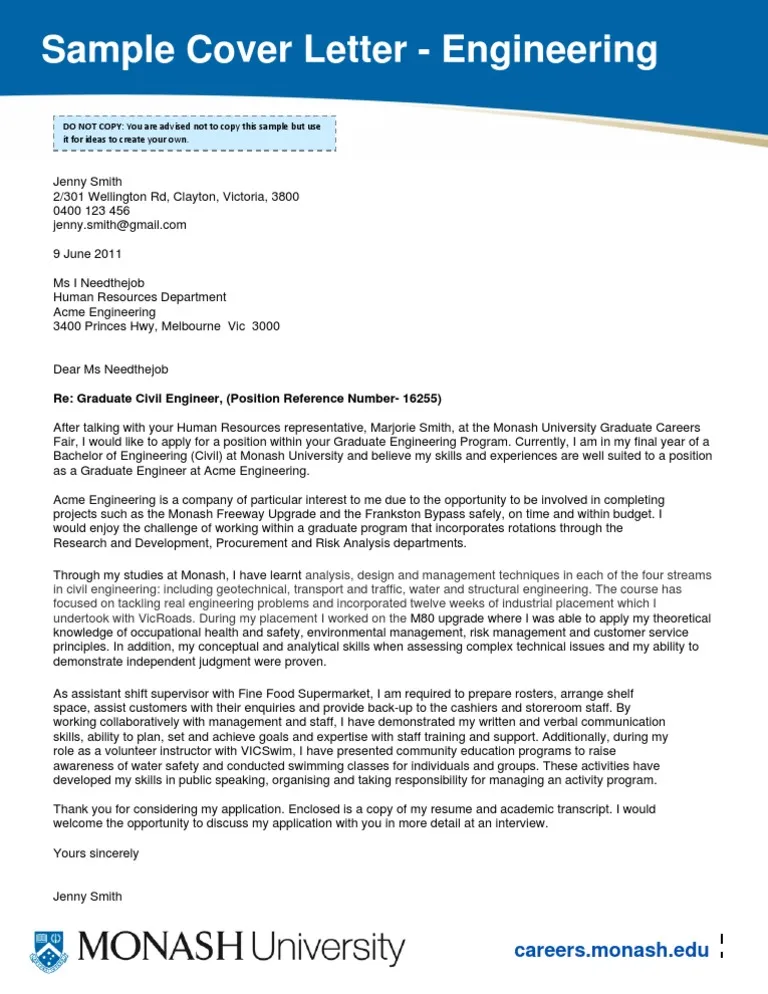
Understanding the Engineering Cover Letter
In the competitive world of engineering, a well-crafted cover letter is more than just a formality; it is a crucial tool that can significantly impact your job application’s success. It serves as your initial introduction, providing the hiring manager with a glimpse of your professional persona and highlighting your qualifications. Unlike a resume, which offers a concise overview of your skills and experience, a cover letter allows you to elaborate on your key achievements, explain your career aspirations, and express your genuine interest in the specific role and company. Mastering the art of writing an effective engineering cover letter is essential to set yourself apart from other candidates and increase your chances of securing an interview.
Purpose of a Cover Letter in Engineering
The primary purpose of an engineering cover letter is to complement your resume by providing context and detail that a resume cannot fully convey. It allows you to showcase your personality, communicate your passion for the field, and demonstrate how your skills and experiences align with the requirements of the job. A well-written cover letter also provides an opportunity to explain any gaps in your resume, address specific challenges, and provide the hiring manager with a deeper understanding of your motivations and career goals. In essence, it is your chance to tell a compelling story about why you are the perfect fit for the role.
Key Elements of a Compelling Cover Letter

A compelling engineering cover letter includes several key elements. These components, when combined effectively, create a persuasive argument for your candidacy. Structure your cover letter in a clear, logical format, making it easy for the hiring manager to quickly grasp your key qualifications and understand your suitability for the role. From the header to the closing, each section should be carefully crafted to present you as a strong candidate.
Header Section
The header of your cover letter should include your contact information, such as your name, phone number, email address, and LinkedIn profile URL. This information should be clearly visible at the top of the page to allow the hiring manager to easily contact you. Make sure your contact details are current and professional. Your header is your first chance to make a positive impression; therefore, it needs to be clean and well-organized, reflecting your attention to detail, a critical skill in engineering.
Contact Information
In the contact information section, use a professional-looking email address and a phone number where you can be easily reached. Double-check that the information is accurate. If you have a professional online presence, such as a LinkedIn profile or personal website, include the URL to make it easier for the hiring manager to learn more about you. Your contact information is the gateway for the employer to connect with you, so ensure it is up-to-date and functional.
Date

Include the current date to show when the cover letter was written. This practice is standard and helps the employer keep track of the date the application was submitted. The date should be formatted correctly, such as Month, Day, Year.
Recipient Information
Address the cover letter to the hiring manager or the specific person named in the job posting. Research the company website or LinkedIn to find the correct name and title. Addressing the letter to a specific individual shows that you have taken the initiative to learn more about the company and demonstrates your attention to detail. If you are unable to find a name, use a professional greeting such as “Dear Hiring Manager.”
Greeting the Hiring Manager
Begin your cover letter with a professional greeting. Using the hiring manager’s name, if known, is preferable. If you are unable to find a name, use a general greeting such as “Dear Hiring Manager” or “Dear [Company Name] Hiring Team.” Avoid generic greetings like “To Whom It May Concern,” which can make your application seem less personalized.
Body Paragraphs

The body paragraphs are the heart of your cover letter, where you provide details about your qualifications and interest in the position. The body usually consists of three to four paragraphs. Each paragraph should have a clear focus and support your overall argument for why you are the ideal candidate. Maintain a tone that reflects enthusiasm and professionalism, and ensure that your writing is concise, clear, and engaging.
First Paragraph Grab Attention
The first paragraph should capture the hiring manager’s attention. Begin with a strong statement that highlights your interest in the role and the company. Briefly mention how you learned about the position and why you are excited about the opportunity. Make sure to state the specific position you are applying for. Avoid generic opening lines. Instead, show your enthusiasm and immediately demonstrate that you understand the company’s mission and the role’s responsibilities. This is your chance to make a memorable first impression.
Highlight Relevant Skills and Experience
In the following paragraphs, highlight the skills and experiences that align with the job requirements. Review the job description carefully and identify the key skills and qualifications that the employer is seeking. Provide specific examples from your previous roles or projects to demonstrate how you have successfully applied these skills. Use keywords from the job description to make your cover letter more relevant to the hiring manager. Tailor this section to each job application, emphasizing the most relevant and impressive aspects of your background.
Quantify Achievements with Data

Whenever possible, quantify your achievements with data and metrics. This is especially important in engineering, where results and outcomes are often measurable. Use numbers and statistics to demonstrate the impact of your work. For example, instead of saying, “Improved efficiency,” state, “Increased production efficiency by 15% through process optimization.” Such specific examples help show the value you bring to the table and provide concrete evidence of your abilities.
Demonstrate Your Passion for Engineering
Express your passion for engineering and your specific area of expertise. Share what excites you about the field and why you are drawn to the company. This can involve discussing specific projects, technologies, or innovations that interest you. Demonstrating your genuine interest in the field and the company will help you connect with the hiring manager on a deeper level and show that you are not just looking for a job, but are truly committed to contributing to their team.
Tailoring Your Cover Letter
One of the most important aspects of writing an effective cover letter is tailoring it to each specific job application. A generic cover letter sent to multiple companies will not make a strong impression. Researching the company, matching your skills to job requirements, and addressing the specific job description ensures that your cover letter is relevant and compelling to the hiring manager.
Researching the Company

Before you start writing, research the company to understand its mission, values, and recent projects. Explore their website, social media profiles, and news articles. Knowing the company’s background allows you to align your cover letter with their specific needs and show that you are genuinely interested in working for them. This knowledge will help you personalize your cover letter and demonstrate that you have taken the time to understand the company’s goals and culture.
Matching Skills to Job Requirements
Carefully review the job description and identify the required skills and qualifications. Highlight the skills and experiences you possess that match these requirements. Use keywords from the job description to make your cover letter more relevant. When possible, provide concrete examples of how you have used those skills in the past and the results you achieved. Tailoring your letter to the job requirements is crucial to demonstrate that you are a well-qualified candidate for the position.
Addressing the Specific Job Description
Ensure your cover letter directly addresses the specific requirements of the job description. Refer to the job responsibilities and explain how your skills and experiences align with each one. This shows the hiring manager that you understand the role and are prepared to take on the responsibilities. Use the job description as a guide to structure your letter and ensure you cover all the essential aspects of the position. Be specific and provide examples that demonstrate your understanding of the job requirements.
The Closing and Call to Action

The closing of your cover letter should express your gratitude, reiterate your interest in the position, and include a call to action. A strong closing leaves a lasting positive impression and encourages the hiring manager to take the next step.
Expressing Gratitude
Express your gratitude for the hiring manager’s time and consideration. Thank them for reviewing your application and for the opportunity to be considered for the position. This shows respect for their time and acknowledges their efforts in the hiring process.
Requesting an Interview
End your cover letter with a clear call to action, requesting an interview. State your availability and express your eagerness to discuss your qualifications further. This is your final chance to show your enthusiasm and interest in the role. Make it easy for the hiring manager to take the next step by clearly stating your desire for an interview. For instance, you could write “I am eager to discuss my qualifications in an interview. I am available at your earliest convenience.”
Formatting and Design Best Practices
Formatting and design play a crucial role in the overall impression of your cover letter. A clean, well-formatted cover letter is easier to read and reflects your attention to detail, a valuable trait in engineering. Poor formatting can make your letter difficult to read, detracting from your qualifications. Thus, use these best practices to format and design your cover letter effectively.
Font Selection
Choose a professional and easy-to-read font, such as Times New Roman, Arial, or Calibri. Keep the font size between 10 and 12 points for readability. Avoid using decorative or overly stylized fonts. A simple, clear font ensures that the hiring manager can easily read your cover letter without any visual distractions.
Formatting for Readability
Use proper formatting to make your cover letter easy to read. Use single-spacing within paragraphs and double-spacing between paragraphs. Employ a standard margin (usually 1 inch on all sides). Use bolding for headings and important points. Maintain consistent formatting throughout the document. These formatting choices will improve the cover letter’s visual appeal and make it more digestible.
Proofreading and Editing
Thoroughly proofread and edit your cover letter to eliminate any typos, grammatical errors, and inconsistencies. Errors can damage your credibility and make you appear unprofessional. Always use a spell checker and grammar checker, but also carefully review the document yourself. It is helpful to have a friend or career advisor proofread your cover letter to ensure it is polished and error-free. Proofreading is a crucial final step in the process, as it ensures your letter is free of errors and presents you in the best possible light.
Common Mistakes to Avoid
Several common mistakes can undermine an engineering cover letter. Knowing these mistakes will help you avoid them and ensure your application makes a positive impression.
Generic Cover Letters
Avoid using generic cover letters that are not tailored to the specific job or company. Hiring managers can easily spot generic letters, which show a lack of genuine interest and initiative. Tailor your cover letter to each job and address the specific requirements and expectations listed in the job description. Demonstrating your understanding of the role and the company will make a much stronger impression.
Typos and Grammatical Errors
Always proofread your cover letter carefully to eliminate any typos or grammatical errors. Errors can undermine your credibility and indicate a lack of attention to detail. Use spell-check and grammar-check tools, but also carefully review the document yourself. Having someone else proofread your cover letter can help you catch errors that you may have missed.
Overly Long Cover Letters
Keep your cover letter concise and to the point. Avoid writing overly long cover letters that can lose the hiring manager’s attention. A cover letter should generally be no more than one page in length. Focus on the most relevant information and avoid unnecessary details. Your goal is to capture the hiring manager’s interest quickly and provide them with key highlights of your qualifications.
Examples of Strong Engineering Cover Letters
Reviewing strong cover letter examples can provide valuable insights into the best practices for engineering job applications. Examples from different engineering disciplines can help you tailor your letter to your specific field. Here are some examples to help you craft a successful cover letter.
Cover Letter Example for a Mechanical Engineer
A mechanical engineer’s cover letter should emphasize relevant technical skills, experience with specific software and equipment, and any project-based accomplishments. It’s crucial to highlight experience with design, analysis, and manufacturing processes. Include details about any internships, co-ops, or projects where you demonstrated these skills. Your cover letter should highlight the unique value you bring to the position based on your technical expertise and project experiences.
Cover Letter Example for a Civil Engineer
Civil engineers should highlight experience with infrastructure projects, construction management, and knowledge of relevant codes and regulations. Emphasize any project management, design, or structural analysis skills. Showcase any experience you have with software such as AutoCAD, Civil 3D, or Revit. Provide details of projects demonstrating these skills. Tailor your letter to showcase specific project experiences and the value you bring to the role.
Cover Letter Example for an Electrical Engineer
Electrical engineers should focus on their experience with circuit design, power systems, and any specialized areas, like telecommunications or embedded systems. Emphasize your proficiency with relevant software and equipment. Highlight projects where you were responsible for design, testing, or troubleshooting of electrical systems. Demonstrate a strong understanding of the core principles and your ability to apply them to real-world applications. Show how your skills and experience align with the specific requirements of the role.