What is an Executive Cover Letter?
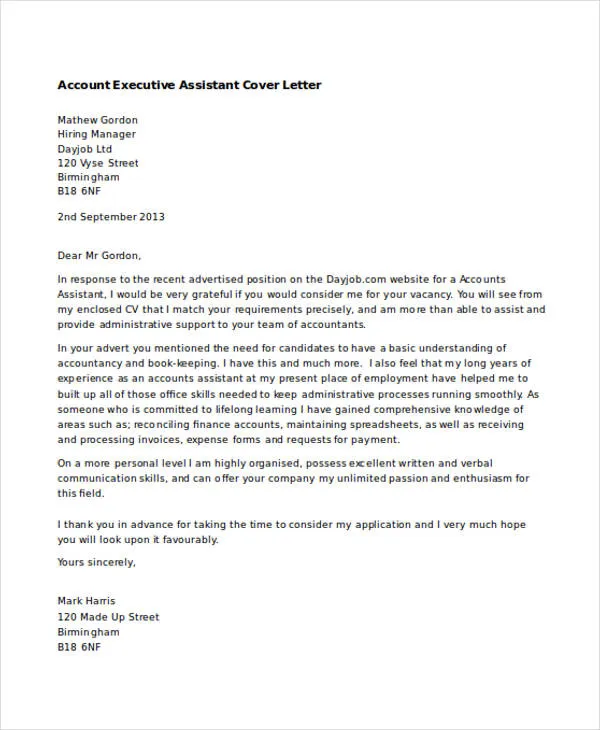
An executive cover letter is a crucial document that accompanies your resume when applying for high-level positions, such as those in management, C-suite roles, or other leadership positions. Unlike a standard cover letter, an executive cover letter needs to be more strategically focused, demonstrating your leadership capabilities, your past accomplishments, and your understanding of business strategies. The goal is to make a powerful first impression and immediately showcase your qualifications in a concise yet compelling manner. This is a formal introduction to your potential employer, where you have the opportunity to highlight your value proposition and establish a strong connection with the hiring manager before they even look at your resume. Crafting a cover letter that aligns with the specific job requirements is key.
Why Is an Executive Cover Letter Important?
An executive cover letter is vital for several reasons. First, it offers the chance to personalize your application and showcase your unique value that a resume alone may not fully convey. It allows you to express your personality, demonstrate your understanding of the company’s needs, and highlight your strategic thinking. Secondly, in the competitive landscape of executive-level positions, a well-written cover letter can differentiate you from other candidates. It demonstrates your writing skills, attention to detail, and the ability to communicate effectively, all of which are essential for leadership roles. Finally, it provides context to your resume. It allows you to tell a story about your career, connecting your past achievements with the future goals of the company, providing a narrative that resonates with the hiring manager and demonstrates that you are the right fit for the position.
Key Components of a Winning Executive Cover Letter

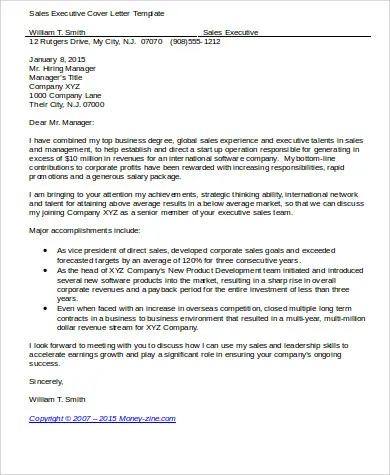
A successful executive cover letter must include key components to effectively present your qualifications. Start with a professional heading that includes your contact information and the date. Address the letter to a specific person, if possible; this shows initiative and personalizes your application. The opening paragraph should grab the reader’s attention by highlighting your understanding of the company’s needs or mentioning an impressive accomplishment. The body of the letter should focus on your achievements, quantifying your results whenever possible. Use examples to demonstrate your leadership skills, strategic thinking, and ability to drive results. Mention how your experience aligns with the company’s objectives and showcase how you can solve their problems. Finally, the closing should reiterate your interest and invite the hiring manager to contact you for an interview. Remember to keep the tone confident, professional, and results-oriented.
Executive Cover Letter Examples
Understanding the nuances of executive cover letters can be made easier by examining specific examples. Each letter should be tailored to the specific job and industry. Here are examples showcasing different approaches for various scenarios. They highlight leadership qualities, strategic thinking, and a results-driven approach. Reviewing these examples gives you insight into how to structure your cover letter and choose content that best suits your professional profile.
Example 1: The Accomplishment-Focused Cover Letter
This type of cover letter emphasizes quantifiable achievements and demonstrates how you’ve driven results in previous roles. The focus is on showcasing tangible successes, such as increasing revenue, improving operational efficiency, or reducing costs. Start with a compelling opening that highlights your biggest accomplishment. Then, detail how you achieved the results, using specific examples and data points to illustrate your impact. Tailor the content to match the job description and showcase your skills and achievements that align with the requirements. The closing reiterates your value to the company and expresses your enthusiasm for the opportunity. For example, an accomplishment-focused cover letter might begin with a statement like: “In my previous role, I increased sales by 30% within a year by implementing a new sales strategy…”
Example 2: The Leadership-Oriented Cover Letter

This style is suited for leadership positions, highlighting your experience in leading teams, developing strategies, and fostering a positive work environment. Focus on your ability to inspire and motivate others, make strategic decisions, and drive organizational change. Use examples that show your leadership qualities. This letter would explain how you’ve mentored teams or managed major projects. The opening paragraph should immediately establish your leadership experience and explain your ability to create and lead successful teams. Then, provide examples of your leadership achievements, such as improving employee engagement or streamlining workflows. Your closing should reiterate your leadership capabilities and express your confidence in your ability to lead the company forward. An example could begin with: “As a seasoned leader with over 15 years of experience…”
Example 3: The Problem-Solving Cover Letter
This approach focuses on your ability to identify and solve problems. Tailor the cover letter to the specific challenges faced by the company and showcase your expertise in overcoming those hurdles. Begin by identifying the problems the company currently faces and explaining how your skills and experiences are perfectly suited to address them. Provide examples of how you have successfully solved similar problems in the past, demonstrating your problem-solving approach. Use data to demonstrate your impact and highlight your results. The conclusion should confidently state how you can contribute to the company’s success. For instance, this could start with: “Having reviewed your current challenges, I believe my experience in…
Crafting Your Own Executive Cover Letter
Crafting a great cover letter involves several steps. Start by researching the company and the position. Understand their goals, values, and any recent announcements. Tailor your letter to align with their needs. Review the job description and identify key requirements. Then, create an outline. Start by writing your opening, which should highlight your top achievements or a connection to the company. In the body paragraphs, focus on your most relevant accomplishments, using quantifiable results to show your impact. Explain how your skills and experience match the job requirements. Finally, write a compelling closing that reiterates your interest and calls for an interview. Review your letter, looking at content, flow, and grammar. Make sure that your accomplishments align with the job requirements.
Formatting and Design Tips

Formatting and design play a vital role in the effectiveness of your executive cover letter. Choose a professional font that is easy to read, such as Arial, Calibri, or Times New Roman. Use a font size between 11 and 12 points for the body text. Keep the layout clean and organized with clear headings and plenty of white space. Use bullet points to highlight key achievements and skills, which makes the information easily scannable. Ensure the letter is well-structured with logical flow between paragraphs. Always proofread for spelling and grammatical errors; this is crucial. Save your cover letter as a PDF file to maintain the formatting across different devices and ensure that it looks professional. Also, use a professional letterhead if available, reflecting your personal brand or the company brand.
Tailoring Your Letter to Each Role
Customizing your cover letter for each role is essential. Begin by thoroughly reviewing the job description and identifying the key skills, qualifications, and experience the employer is seeking. Then, tailor your cover letter to address these specific requirements. Highlight your relevant accomplishments and skills that align with the needs of the position and the company. Use keywords from the job description throughout your letter. Provide specific examples of how you have demonstrated the required skills in your past roles. Quantify your achievements whenever possible, using numbers and data to illustrate your impact. Modify the tone and language to match the company culture and ensure it’s an engaging and relevant narrative for each application. Never send a generic cover letter; always customize it to showcase your value proposition for the specific role.
Common Mistakes to Avoid
Several common mistakes can undermine your executive cover letter and reduce your chances of getting an interview. One of the biggest is sending a generic cover letter. Avoid using a template without customizing it for the role. Ensure that your cover letter is error-free. Proofread carefully for any spelling or grammatical errors. Don’t provide an excessive amount of information; keep it concise and relevant. Avoid being vague or using jargon that the reader may not understand. Refrain from highlighting your weaknesses or any negative aspects of your experience. Do not simply repeat your resume; instead, elaborate on your accomplishments and connect them to the job requirements. Be positive and enthusiastic throughout your letter, showcasing your passion and desire for the role.
Proofreading and Editing Your Cover Letter
Before submitting your executive cover letter, proofreading and editing are crucial to ensure it is polished and professional. Start by checking for spelling errors, grammatical mistakes, and typos. Read your letter aloud to catch any awkward phrasing or flow issues. Use grammar and spell-checking tools, but don’t rely on them solely. Ask a friend, colleague, or career advisor to review your cover letter to provide an objective perspective. Focus on clarity and conciseness. Ensure that each sentence conveys your message effectively. Verify that the formatting is consistent throughout the letter. Make sure your contact information is correct and up to date. Pay attention to the tone and ensure that it aligns with the company culture. Proofreading is the final opportunity to make a good impression, so make sure your cover letter represents you and your achievements in the best light.
In conclusion, a well-crafted executive cover letter is essential to any executive-level job search. By understanding its importance, using the right examples, avoiding common mistakes, and customizing each letter, you can significantly increase your chances of landing an interview and securing your desired position. Remember to highlight your achievements, leadership skills, and value proposition in a compelling and professional manner. Good luck with your job search!