What is an FMLA Designation Notice
An FMLA (Family and Medical Leave Act) designation notice is a crucial document employers provide to employees who have requested leave under the FMLA. This notice officially informs the employee whether their leave request has been approved and designated as FMLA leave. The purpose of this notice is to provide clarity and transparency, ensuring both the employer and the employee understand the terms and conditions of the leave. The notice outlines important details such as the leave dates, the number of days or hours of leave available, and the employee’s rights and responsibilities during the leave period. It’s a legally mandated document that helps protect both parties involved, and understanding its components is vital for navigating the FMLA process effectively.
Understanding the Purpose of the Cover Letter
The cover letter accompanying the FMLA designation notice serves as a formal introduction and summary of the information contained within the notice itself. While the designation notice is the core document, the cover letter personalizes the communication and provides context. It helps the employee understand the specifics of their approved or denied leave request. This cover letter reiterates key points, such as the dates of the leave, the reason for the designation, and any requirements or responsibilities the employee must adhere to during their leave. The purpose is to ensure the employee clearly understands their rights and obligations under FMLA, and to provide a clear point of contact for any further questions or concerns. A well-written cover letter can reduce confusion and potential disputes, leading to a smoother leave process for both the employee and the employer.
Key Elements to Include in Your Cover Letter

A comprehensive FMLA designation notice cover letter should include specific essential elements to ensure clarity and compliance. These elements help to provide a complete overview of the leave. Firstly, the letter must accurately identify the employee and the employer. Secondly, it must clearly state the specific dates of the leave, detailing the start and end dates, as well as the expected duration. Thirdly, the letter should specify the reason for the FMLA designation, referencing the employee’s initial leave request and the medical certification or qualifying event. Additionally, the cover letter must include any required documentation the employee needs to submit, such as periodic recertification forms. Moreover, the letter needs to outline the employee’s rights and responsibilities during the leave period, including health insurance coverage and job restoration. Finally, it should emphasize the importance of accurate information to avoid complications or delays in the leave process.
Employee Information
Begin the cover letter by clearly identifying the employee. This includes their full legal name, job title, and employee identification number. Accurate employee information is critical for ensuring the correct individual receives the designation notice and associated information. This ensures that all communication and documentation are correctly linked to the employee’s record. This helps avoid any confusion or errors related to the leave request. Proper identification is not only a matter of accuracy but also of legal compliance. Ensure that all information is accurate and matches the employee’s official records. Using the correct employee information also helps in efficient record-keeping. This step lays the foundation for a smooth and legally sound leave process.
Employer Information
Clearly identify the employer in the cover letter, including the company’s full legal name, address, and the department responsible for managing FMLA leave. This information confirms the sender and adds to the document’s credibility and legal standing. Providing the employer’s details ensures the employee knows who is handling their leave request. Moreover, including the correct department, like Human Resources, directs the employee to the appropriate contact for questions or further assistance. Accurate employer information is crucial for establishing clear lines of communication. This helps ensure that the employee can easily reach out if they need clarification or have issues related to their leave. The details provided should match official company records for accuracy and consistency.
Specific Dates of Leave
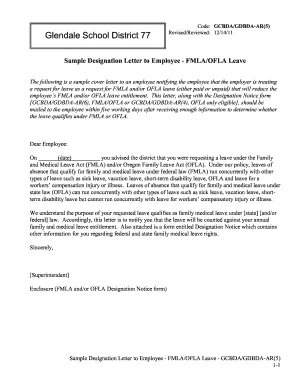
The cover letter must explicitly state the start and end dates of the FMLA leave, along with the total amount of leave approved (in days or hours). This information is crucial because it clarifies the leave period covered by FMLA. It also allows the employee to plan accordingly and understand the duration of their absence from work. If the leave is intermittent, the letter should specify the schedule, such as the number of days or hours per week or month. Accurately documenting the leave dates helps both the employee and the employer manage expectations and ensure proper compliance with FMLA regulations. Additionally, this information serves as a reference point for any future discussions or documentation related to the leave, making it an essential component of the cover letter.
Reason for FMLA Designation
The cover letter should clearly state the reason for the FMLA designation, referencing the employee’s initial leave request and the qualifying event or medical condition. Whether the leave is for the employee’s serious health condition, to care for a family member, or due to a qualifying exigency, the reason must be clearly documented. This helps employees understand why their leave has been approved under FMLA. The designation confirms that the leave is covered by FMLA and provides the employee with the protections offered by the act. Ensuring the reason is accurate and matches the supporting documentation is essential for legal compliance. By explicitly stating the reason, the cover letter establishes a clear link between the employee’s need for leave and the protections afforded by FMLA, promoting transparency and understanding.
Required Documentation
Detail any required documentation the employee must submit to maintain their FMLA leave, such as periodic recertification forms, medical updates, or fitness-for-duty certifications. The cover letter should list these requirements clearly, along with deadlines for submission. This may include instructions for obtaining the necessary forms and submitting them to the appropriate department. Providing a clear outline of required documentation helps employees understand their responsibilities during the leave period. It also ensures that employers have the necessary information to manage the leave effectively and comply with regulations. By clearly outlining these requirements, employers promote a smooth and compliant leave process, reducing potential issues and ensuring the employee’s rights are protected.
Employee Rights and Responsibilities
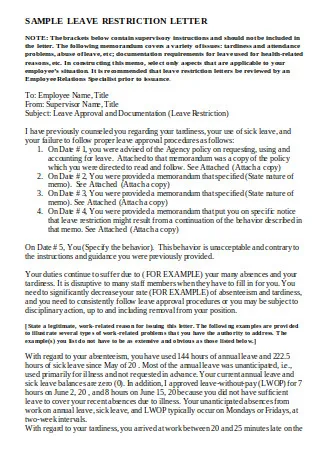
Outline the employee’s rights and responsibilities during their FMLA leave. This includes the right to job restoration, continuation of health benefits, and protection from retaliation. The cover letter should explain how the employee’s health insurance coverage will be maintained during the leave, whether the employee is required to pay premiums, and the terms for returning to work. It should also emphasize the employee’s responsibility to keep the employer informed of any changes in their leave status. This ensures employees are aware of their rights and obligations under FMLA. This promotes transparency and protects both the employee and the employer. Providing this information in the cover letter helps to avoid confusion, ensuring a fair and compliant leave process. The employee should be aware of their job restoration rights, and this should be explicitly stated in the letter.
Importance of Accurate Information
Accuracy is paramount when writing an FMLA designation notice cover letter. Any inaccuracies can lead to misunderstandings, delays, and legal complications. Therefore, employers must thoroughly verify all information before sending the letter, ensuring that all details are correct. The dates of the leave, the reason for the designation, and the employee’s rights and responsibilities must be accurate and consistent with supporting documentation. Incorrect information can confuse the employee about their leave rights. Also, it can create issues with payroll, benefits, and job restoration. Double-checking all details, verifying medical certifications, and cross-referencing with internal records is vital. Accurate communication helps to protect both the employee and the employer and reduces the likelihood of disputes or legal challenges.
Steps to Writing an Effective Cover Letter
Writing an effective FMLA designation notice cover letter involves several key steps. Careful planning and attention to detail are essential to ensure compliance and clarity. Begin by gathering all necessary information, including the employee’s details, the dates of the leave, and the reason for designation. Draft the cover letter, ensuring that it includes all required elements, and then review and revise the letter for accuracy and completeness. Proofreading and editing are critical steps to avoid errors. Finally, submit the letter to the employee in a timely and appropriate manner. Following these steps systematically guarantees that the cover letter effectively communicates the essential information, protects both the employee and the employer, and complies with all legal requirements. Taking the time to follow a structured approach ensures a smooth and legally sound leave process.
Step 1 Gather Necessary Information

The first step in writing an effective FMLA designation notice cover letter is to gather all necessary information. Begin by collecting the employee’s information, including their full name, job title, and employee identification number. Next, obtain the specific dates of the leave, including the start and end dates, and the total amount of leave approved. You will also need the reason for the FMLA designation, as stated in the employee’s initial leave request and supporting documentation (such as medical certifications). Collect any required documentation, such as recertification forms or medical updates, and note their deadlines. Gathering this information beforehand streamlines the writing process. Make sure all information is accurate and up to date, which is crucial for a clear and comprehensive cover letter. Careful preparation sets the stage for an effective and legally compliant letter.
Step 2 Draft Your Cover Letter
Once you have gathered the necessary information, the next step is to draft your cover letter. Begin with a formal salutation and clearly state the purpose of the letter. Then, include all key elements: employee and employer information, specific dates of leave, the reason for the FMLA designation, any required documentation, and a summary of the employee’s rights and responsibilities. Ensure that the tone is professional and the language is clear and concise. Avoid jargon or overly complex language. Provide clear instructions. Be sure to reiterate any deadlines or requirements. Structure the letter logically, using paragraphs to separate different pieces of information. This format ensures that the letter is easy to read and understand. A well-drafted cover letter reduces confusion and helps the employee understand their FMLA leave clearly.
Step 3 Review and Revise
After drafting the cover letter, thoroughly review and revise it. Check for accuracy, completeness, and clarity. Ensure all information is correct, especially dates, names, and medical details. Verify that all key elements are included and that the content is easy to understand. Proofread the letter carefully to eliminate any grammatical errors, spelling mistakes, or typos. Make sure that the tone is professional and the formatting is consistent. Read the letter aloud to ensure that it flows smoothly and logically. If necessary, seek a second opinion from another HR professional or legal counsel to catch any potential issues. Take your time to make any necessary revisions, ensuring the final document is polished and error-free. A well-revised cover letter helps guarantee it effectively and accurately communicates essential information to the employee.
Step 4 Submit Your Cover Letter
The final step is submitting the FMLA designation notice cover letter to the employee. Send the letter in a timely manner, usually within five business days of receiving the employee’s leave request. Use a method that ensures the employee receives the letter, such as certified mail with return receipt requested, or a secure electronic system. Include the official FMLA designation notice with the cover letter. Keep a copy of the cover letter and the designation notice for your records. If there are any questions, provide contact information of the HR representative or other responsible party. Confirm that the employee understands the information provided. Ensure the delivery method is compliant with company policy and all relevant regulations. A well-executed submission process helps ensure the employee receives the essential information. This provides an effective way to manage and monitor the FMLA leave process.
Common Mistakes to Avoid
Several common mistakes can undermine the effectiveness of an FMLA designation notice cover letter and lead to legal complications. Avoiding these pitfalls is critical for compliance and clear communication. One common mistake is failing to follow the instructions and guidelines for the FMLA. Another is omitting essential details, such as the leave dates, the reason for the designation, or the employee’s rights and responsibilities. Errors in these key areas can cause misunderstandings and disputes. Failing to proofread the letter before sending it is another costly mistake. Grammatical errors, spelling mistakes, and typos can undermine the credibility of the communication and confuse the employee. Carefully reviewing and revising the cover letter helps ensure accuracy and compliance, avoiding potential issues.
Not Following Instructions
One of the most common mistakes when writing an FMLA designation notice cover letter is failing to follow the instructions and guidelines provided by the Department of Labor and any internal company policies. This includes not using the correct format, not including all required elements, or failing to meet deadlines. It also involves a lack of understanding of the FMLA regulations, which can lead to incorrect information and legal non-compliance. Adhering to the guidelines is crucial for ensuring the letter is legally sound and that the employee receives accurate information. It protects both the employer and employee from potential disputes. Before drafting the cover letter, it’s essential to familiarize yourself with the requirements and standards.
Missing Important Details
Another frequent mistake is omitting essential details. This can include not including the employee’s name, job title, and contact information, the employer’s details, and the specific dates of leave. Leaving out the reason for the FMLA designation, the employee’s rights and responsibilities, and any required documentation can lead to significant confusion. A cover letter that lacks the correct information is ineffective and can cause misunderstandings. Reviewing the FMLA designation notice checklist and carefully verifying all information helps avoid these omissions. The aim is to provide clarity and completeness, giving the employee all the necessary information to understand their leave accurately. This ensures that the cover letter is comprehensive and complies with all legal requirements.
Failure to Proofread
Failing to proofread the FMLA designation notice cover letter is a critical mistake that can lead to errors and misunderstandings. This includes grammatical errors, spelling mistakes, typos, and incorrect formatting. Such mistakes can undermine the credibility of the communication and confuse the employee, creating unnecessary issues and potentially affecting their rights. Thoroughly proofreading ensures that the letter is professional and accurate. Carefully review the letter for any errors. Proofreading involves reading the letter multiple times, using spell-check and grammar-check tools, and asking another person to review the document. Taking the time to proofread helps guarantee that the cover letter is clear, concise, and legally sound, reflecting positively on the employer and upholding the employee’s rights.
Best Practices for Sending Your Cover Letter
Following best practices when sending an FMLA designation notice cover letter will improve the communication process and ensure compliance. Using a professional tone helps ensure that the letter is taken seriously and the information is clear and understandable. A formal tone avoids ambiguity and fosters a respectful relationship. Another best practice is to keep a copy of the cover letter, along with the FMLA designation notice and any supporting documentation. Maintaining a comprehensive record is crucial for legal compliance and effective management of the leave. This record helps track the employee’s leave and provides a reference for future questions or audits. Implementing a professional communication approach also helps manage and monitor the FMLA leave process.
Use of Professional Tone

Using a professional tone in the FMLA designation notice cover letter is vital for effective communication and compliance. Maintain a respectful and formal tone throughout the letter. This helps ensure the employee understands the seriousness of the information and the importance of complying with the FMLA regulations. Avoid informal language, slang, and personal opinions. Use clear, concise language that leaves no room for misinterpretation. By maintaining a professional tone, employers show respect for the employee. This builds trust. This also enhances the clarity of the message, reducing the likelihood of confusion or disputes. This approach demonstrates professionalism and promotes a positive relationship. It also underscores the importance of following legal requirements.
Keep a Copy for Your Records
Keeping a copy of the FMLA designation notice cover letter and all associated documents is a best practice. Retain a comprehensive record of all communications, including the cover letter, the designation notice, the employee’s initial leave request, medical certifications, and any other relevant documentation. This record-keeping is essential for legal compliance and effective leave management. Having a complete file helps employers track the employee’s leave and provides a reference for any future questions, audits, or legal proceedings. Organize the records systematically. Ensure easy access to the records for review. This approach supports a smooth and legally sound leave process. The records can be useful for other HR operations and purposes. This ensures compliance and protects both the employee and the employer.
When to Seek Legal Advice
It’s crucial to seek legal advice when dealing with FMLA matters. If the leave request is complex, if there are doubts about eligibility, or if disputes arise, consult with an employment law attorney. Legal professionals can provide guidance on interpreting the FMLA regulations, ensuring compliance, and avoiding legal pitfalls. They can assist with drafting and reviewing the FMLA designation notice cover letter. This ensures it meets all legal requirements and protects the employer from potential liabilities. Legal advice is particularly valuable when dealing with difficult cases, such as those involving intermittent leave, serious health conditions, or potential retaliation claims. Consulting with an attorney helps mitigate risks. The attorney can ensure the correct procedures are followed. This strategy safeguards the rights of both the employee and the employer.