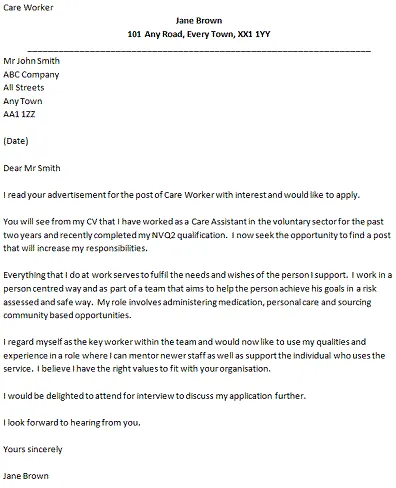
Why a Foster Care Worker Cover Letter Is Crucial
A cover letter for a foster care worker is more than just a formality it is your first opportunity to make a strong impression. It provides a platform to showcase your unique qualifications, skills, and passion for supporting vulnerable children and families. Unlike a resume which simply lists your experience, a cover letter allows you to tell your story, explain your motivations, and demonstrate why you are the ideal candidate for the role. In the competitive field of foster care, a well-crafted cover letter can significantly increase your chances of securing an interview and ultimately, landing your dream job. It’s your chance to stand out from the crowd and highlight your commitment to making a positive impact on the lives of children in need.
Understanding the Role of a Foster Care Worker
Before writing your cover letter, it’s important to have a clear understanding of what a foster care worker does. This role involves providing care, support, and guidance to children who have been removed from their homes due to abuse, neglect, or other difficult circumstances. Foster care workers collaborate with families, social workers, and other professionals to ensure the well-being and safety of children in their care. They are responsible for meeting children’s physical, emotional, and educational needs, while also helping them navigate the challenges they face. Foster care workers play a critical role in advocating for children’s best interests, attending court hearings, and facilitating visits with biological family members. Therefore, your cover letter needs to reflect your understanding of these responsibilities and your ability to fulfill them.
Key Components of a Strong Cover Letter

A compelling cover letter should consist of several key components that collectively demonstrate your suitability for the foster care worker position. Start with a professional header that includes your contact information, the date, and the employer’s details. The opening paragraph should immediately grab the reader’s attention by stating your purpose for writing and expressing your enthusiasm for the role. The body of your letter should highlight your relevant skills, experiences, and accomplishments, providing specific examples to support your claims. Be sure to emphasize your passion for working with children and families, as well as your ability to handle sensitive situations with compassion and empathy. Finally, end your letter with a strong closing that reiterates your interest, expresses gratitude for the opportunity, and encourages the reader to contact you for an interview. Remember, a well-structured cover letter is a key to success.
Contact Information and Formatting
Accuracy and professionalism in formatting are non-negotiable. Begin with your contact information at the top of the letter including your full name, phone number, email address, and optionally your LinkedIn profile URL. Then, on the next line, include the date, followed by the employer’s name, job title, and the organization’s address. Maintain a professional tone throughout the letter and use a standard, easy-to-read font like Times New Roman or Arial, with a font size between 11 and 12 points. Use single spacing within paragraphs and double spacing between paragraphs to create a clean and organized appearance. Proper formatting demonstrates your attention to detail and your commitment to presenting yourself professionally, which is essential for a foster care worker. Using this formatting is a good way to start.
Crafting a Compelling Opening
The opening paragraph is your first and perhaps most important chance to grab the hiring manager’s attention. Instead of a generic greeting, start with a statement that immediately conveys your interest in the position and your understanding of the organization’s mission. You might begin by expressing your admiration for the organization’s work or by mentioning a specific program or initiative that resonates with you. Clearly state the position you are applying for and briefly highlight one or two key qualifications that make you a strong candidate. Your opening should set the tone for the rest of the letter, demonstrating your enthusiasm, and showcasing your commitment to supporting vulnerable children and families. Always make sure that you are writing the cover letter in a good state of mind. A positive cover letter will get you a long way.
Highlighting Your Relevant Skills and Experience

The body of your cover letter should provide specific examples of your skills and experiences that align with the requirements of the foster care worker position. Review the job description carefully and identify the key skills and qualifications the employer is seeking, such as communication, empathy, crisis management, and experience working with children. For each skill or experience, provide a brief but impactful example from your past work, volunteer, or academic experiences. Quantify your achievements whenever possible, using numbers or percentages to demonstrate the impact you made. For instance, you could say ‘Successfully managed a caseload of 15 foster children, ensuring their safety and well-being.’ or ‘Developed and implemented a new program that increased the number of foster parent applications by 20%.’ This level of detail will show the employer that you understand the job.
Demonstrating Your Passion for Foster Care
Your cover letter should not only highlight your qualifications but also convey your genuine passion for working with children and families in the foster care system. Share your personal motivations for pursuing this career path and explain why you are drawn to the work. You can describe any personal experiences that have shaped your interest in foster care, such as volunteering, mentoring, or supporting foster children in your community. Showcase your empathy, compassion, and understanding of the challenges faced by children in foster care. Demonstrate your commitment to advocating for their rights, protecting their well-being, and helping them thrive. Let your enthusiasm shine through, as this can make a significant difference in how the hiring manager perceives you. It is important to be passionate about what you do.
Addressing Specific Requirements of the Position
Tailor your cover letter to the specific requirements of the foster care worker position you are applying for. Carefully review the job description and identify the skills, qualifications, and experience the employer is seeking. In your cover letter, directly address each of these requirements by providing specific examples of how you have demonstrated those skills in the past. If the job description mentions a need for experience working with children with specific needs, such as those with behavioral issues or developmental disabilities, provide examples of how you have worked with these children and supported their needs. If the position requires knowledge of specific programs or regulations, mention your experience with them and your willingness to learn more. Make sure you do your best to match what the job needs with what you have to offer. This will greatly enhance your chances of getting the job.
Writing a Powerful Closing

The closing paragraph is your opportunity to reiterate your interest in the position, express your gratitude, and encourage the employer to contact you. Thank the hiring manager for their time and consideration and reiterate your enthusiasm for the opportunity. Express your confidence in your ability to contribute to the organization’s mission and your willingness to discuss your qualifications further in an interview. Include a call to action, such as ‘I am eager to learn more about this opportunity and discuss how my skills and experience can benefit your team. I am available for an interview at your earliest convenience.’ Ensure your contact information is readily available. This closing will solidify your interest and make it easier for the employer to reach out to you.
Proofreading and Editing Your Cover Letter
Before submitting your cover letter, take the time to proofread and edit it carefully. Errors in grammar, spelling, and punctuation can create a negative impression and detract from your message. Read your cover letter aloud to catch any awkward phrasing or sentence structure issues. Ask a friend, family member, or career counselor to review your letter and provide feedback. Ensure that your letter is free of typos, grammatical errors, and inconsistencies. Verify that the information, such as the employer’s name and address, is accurate. A polished cover letter shows the hiring manager that you are detail-oriented, professional, and committed to presenting yourself in the best possible light. Don’t rush the process and make sure that you proofread your letter carefully before sending it out. This can make or break your chances of getting the job.
Top Tips for Foster Care Worker Cover Letters
To further enhance your cover letter and increase your chances of success, consider the following tips. Research the organization you are applying to and tailor your letter to its specific mission, values, and programs. Highlight any relevant certifications or licenses you hold, such as a social work license or a child welfare certification. Showcase your understanding of relevant laws, regulations, and best practices in the field of foster care. Include any volunteer work, internships, or professional development experiences that demonstrate your commitment to the field. Use action verbs to describe your accomplishments and responsibilities. Keep your cover letter concise and focused, aiming for no more than one page. Demonstrate your dedication to supporting children and families, and showcase your ability to make a positive difference in their lives. Following these tips will make a big difference.