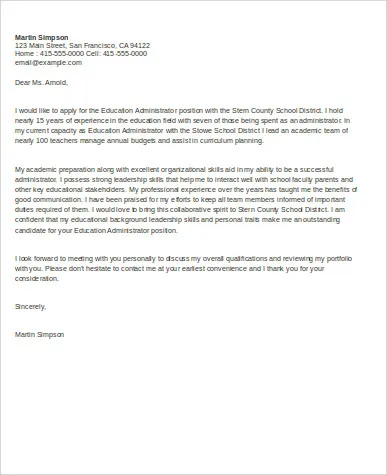
Crafting Your Higher Education Cover Letter
A cover letter is more than just a formality it is your first chance to make a strong impression. In the competitive world of higher education a well-crafted cover letter can be the key to landing your dream job. This guide will walk you through every step of writing a compelling cover letter specifically tailored for higher education positions. From understanding the nuances of the academic landscape to highlighting your unique qualifications, we’ll cover all the essential elements to help you stand out from the crowd and get hired. We’ll also provide actionable tips and examples to ensure your application gets noticed.
Understanding the Higher Education Landscape
Before you even begin writing, it’s crucial to understand the specific culture and values of higher education institutions. Academic environments often prioritize research, teaching, service, and diversity. Familiarize yourself with the specific mission statement and values of the institution you’re applying to. Research the different types of higher education institutions, including universities, colleges, and community colleges, as they each have unique expectations and priorities. Demonstrate your awareness of these nuances throughout your cover letter, showcasing your understanding of the academic world. Demonstrate that you understand the unique needs of higher education institutions, such as a focus on research, teaching, and community engagement.
Researching the Institution and Position

Thorough research is the cornerstone of a successful cover letter. Visit the institution’s website, review their faculty profiles, and read recent publications or press releases to understand their current initiatives and priorities. Carefully analyze the job description, noting the specific requirements, qualifications, and desired skills. Identify how your skills, experiences, and goals align with the institution’s values and the position’s requirements. Show genuine interest by mentioning specific programs, departments, or faculty members that resonate with your expertise and interests. This research demonstrates your commitment and shows that you are not just sending a generic application.
Tailoring Your Cover Letter for Higher Ed
A generic cover letter will not make the cut in the competitive higher education job market. Tailoring your letter to each specific position is essential. Customize your letter to match the specific requirements outlined in the job description. Highlight the skills and experiences that are most relevant to the position and demonstrate how you meet the required qualifications. Provide specific examples that showcase your achievements and contributions. Explain how your skills and experience align with the institution’s values and goals. By tailoring your cover letter, you show that you are a good fit for the specific role and institution.
Highlighting Relevant Skills and Experiences
In higher education, your skills and experiences are your most valuable assets. Showcase your teaching, research, and administrative skills, depending on the requirements of the position. Provide concrete examples of your accomplishments, such as successful grant applications, publications, teaching evaluations, or leadership roles. Quantify your achievements whenever possible, using numbers and data to demonstrate your impact. Clearly articulate your experience with relevant software, technologies, or methodologies used in the field. Emphasize transferable skills, such as communication, problem-solving, and teamwork, which are crucial in an academic environment. Use action verbs to describe your accomplishments and responsibilities.
Showcasing Your Academic Credentials

Your academic credentials are a critical component of your cover letter. Clearly state your degrees, institutions attended, and any relevant certifications or licenses. Highlight your dissertation or thesis topic, especially if it aligns with the research interests of the department. Mention any awards, honors, or fellowships you’ve received. If you have a strong publication record, briefly summarize your key publications and their impact. Mention any presentations you’ve given at conferences or seminars. Demonstrate your commitment to lifelong learning and professional development by highlighting any relevant courses or workshops you’ve completed.
Demonstrating Your Passion for Education
Higher education institutions value candidates who are genuinely passionate about teaching, research, and student success. Express your enthusiasm for the field of education and your dedication to your chosen discipline. Explain why you are drawn to the specific institution and what excites you about the opportunity. Share your teaching philosophy and your approach to mentoring students. Discuss your research interests and your vision for contributing to the field. Articulate your commitment to creating a positive and inclusive learning environment. Show your understanding of the importance of contributing to the academic community beyond your specific role.
Structuring Your Cover Letter Effectively
A well-structured cover letter is easy to read and conveys your key qualifications effectively. Use a clear and concise format, with a professional font and appropriate margins. Divide your letter into logical paragraphs, each addressing a specific aspect of your qualifications. Start with a strong introduction that immediately grabs the reader’s attention and states the position you’re applying for. Follow with body paragraphs that highlight your relevant skills, experiences, and academic credentials. Use bullet points or numbered lists to emphasize key achievements and skills. End with a compelling conclusion that reiterates your interest in the position and expresses your desire for an interview.
Writing a Compelling Introduction

The introduction is your first chance to make a positive impression. Start with a strong opening statement that grabs the reader’s attention. State the specific position you are applying for and where you found the job posting. Briefly mention your most relevant qualifications and experiences that align with the position. Express your enthusiasm for the opportunity and the institution. Avoid generic opening lines; instead, tailor your introduction to the specific job and institution. Consider referencing a faculty member or program that you admire to show your genuine interest.
Developing Strong Body Paragraphs
The body paragraphs are the heart of your cover letter. Each paragraph should focus on a specific aspect of your qualifications and experiences. Use the STAR method (Situation, Task, Action, Result) to provide concrete examples of your accomplishments. Clearly articulate your skills and how they align with the job requirements. Use keywords from the job description throughout your body paragraphs to demonstrate your qualifications. Provide specific details and evidence to support your claims. Focus on achievements rather than simply listing your responsibilities. Use active voice and action verbs to make your writing more dynamic.
Crafting a Powerful Conclusion
The conclusion should summarize your key qualifications and reiterate your interest in the position. Reiterate your enthusiasm for the opportunity and the institution. Express your confidence in your ability to contribute to the department or institution. Thank the reader for their time and consideration. Clearly state your availability for an interview and provide your contact information. Proofread your conclusion carefully to ensure it is free of errors and conveys a positive impression.
Proofreading and Editing Your Cover Letter

Before submitting your cover letter, proofread it carefully for any errors in grammar, spelling, and punctuation. Use a grammar checker, but also read the letter aloud to catch any awkward phrasing or inconsistencies. Have a trusted colleague, mentor, or career counselor review your cover letter for feedback. Pay attention to the overall clarity, conciseness, and flow of the letter. Ensure that your letter is free of typos and formatting errors. A polished cover letter reflects your attention to detail and professionalism.
Formatting Your Cover Letter
Your cover letter’s appearance is as important as its content. Use a professional font, such as Times New Roman, Arial, or Calibri, and a font size between 10 and 12 points. Use standard margins (1 inch on all sides) and single-space the text. Use a clear and readable format, with appropriate spacing between paragraphs. Bold key headings to help the reader navigate the letter. Make sure your name, contact information, and the date are at the top of the letter. If submitting electronically, save your cover letter as a PDF file to preserve the formatting.
Using Keywords Strategically
Keywords are essential for helping your cover letter get noticed. Carefully review the job description and identify the key skills, qualifications, and requirements. Incorporate these keywords naturally throughout your cover letter, especially in the introduction, body paragraphs, and conclusion. Use synonyms and related terms to avoid sounding repetitive. Ensure that your use of keywords feels natural and does not disrupt the flow of your writing. Using the right keywords helps applicant tracking systems (ATS) identify your qualifications and also allows the hiring committee to quickly assess your suitability for the role.
Addressing Specific Requirements

Pay close attention to any specific requirements mentioned in the job description. These could include specific software, methodologies, or certifications. Address these requirements directly in your cover letter, demonstrating how you meet them. Provide concrete examples of your experience using these skills and how you have applied them to achieve results. If the job posting requests specific documents, such as a teaching philosophy or a diversity statement, make sure you include them and reference them in your cover letter. Show that you are attentive to detail and that you follow the instructions carefully.
Including a Call to Action
A call to action encourages the reader to take the next step. In your conclusion, express your interest in an interview and your availability to meet. Provide your contact information clearly and concisely. If appropriate, mention any specific dates you are available. Let the reader know how you will follow up. By including a clear call to action, you increase your chances of being contacted for an interview. Make it easy for the hiring committee to take the next step and contact you.
Avoiding Common Mistakes
There are several common mistakes to avoid when writing a cover letter for higher education jobs. Avoid generic language and cookie-cutter phrases. Don’t just repeat your resume; instead, provide additional context and elaborate on your experiences. Avoid typos, grammatical errors, and formatting inconsistencies. Do not use jargon or overly technical language, unless it is appropriate for the specific position. Do not include information that is irrelevant to the job requirements. Avoid negative language or criticizing previous employers or institutions. Focus on your strengths and your ability to contribute.
Common Cover Letter Errors in Higher Ed

Some common cover letter errors are especially problematic in higher education. Failing to tailor your letter to the specific position and institution. Not demonstrating a clear understanding of the institution’s mission and values. Using vague language or failing to provide concrete examples. Not highlighting relevant skills and experiences. Making grammatical errors or typos. Providing an unprofessional or cluttered format. Making it too long. Being overly formal. Failing to include a call to action. Not addressing the specific requirements listed in the job description. Avoid these mistakes to increase your chances of getting hired.
Example Cover Letter for Higher Education Jobs
Use example cover letters as inspiration and guidance. Review several examples of successful cover letters for higher education positions. Adapt the structure, language, and content to fit your specific qualifications and experiences. Pay attention to how successful candidates highlight their skills, experiences, and academic credentials. Modify the example to reflect your unique background and career goals. Remember that each cover letter should be customized for the specific job. Do not simply copy and paste an example; instead, use it as a template and a source of inspiration.
Seeking Feedback and Revising
Seeking feedback is an essential part of the cover letter writing process. Ask trusted colleagues, mentors, or career counselors to review your cover letter. Ask them to provide feedback on the clarity, conciseness, and overall effectiveness of your letter. Be open to suggestions and willing to revise your cover letter based on the feedback you receive. Consider having multiple people review your letter for different perspectives. Don’t be afraid to make revisions and refine your cover letter until you are satisfied with the final product. Continuous improvement is key to creating a cover letter that will get you hired.