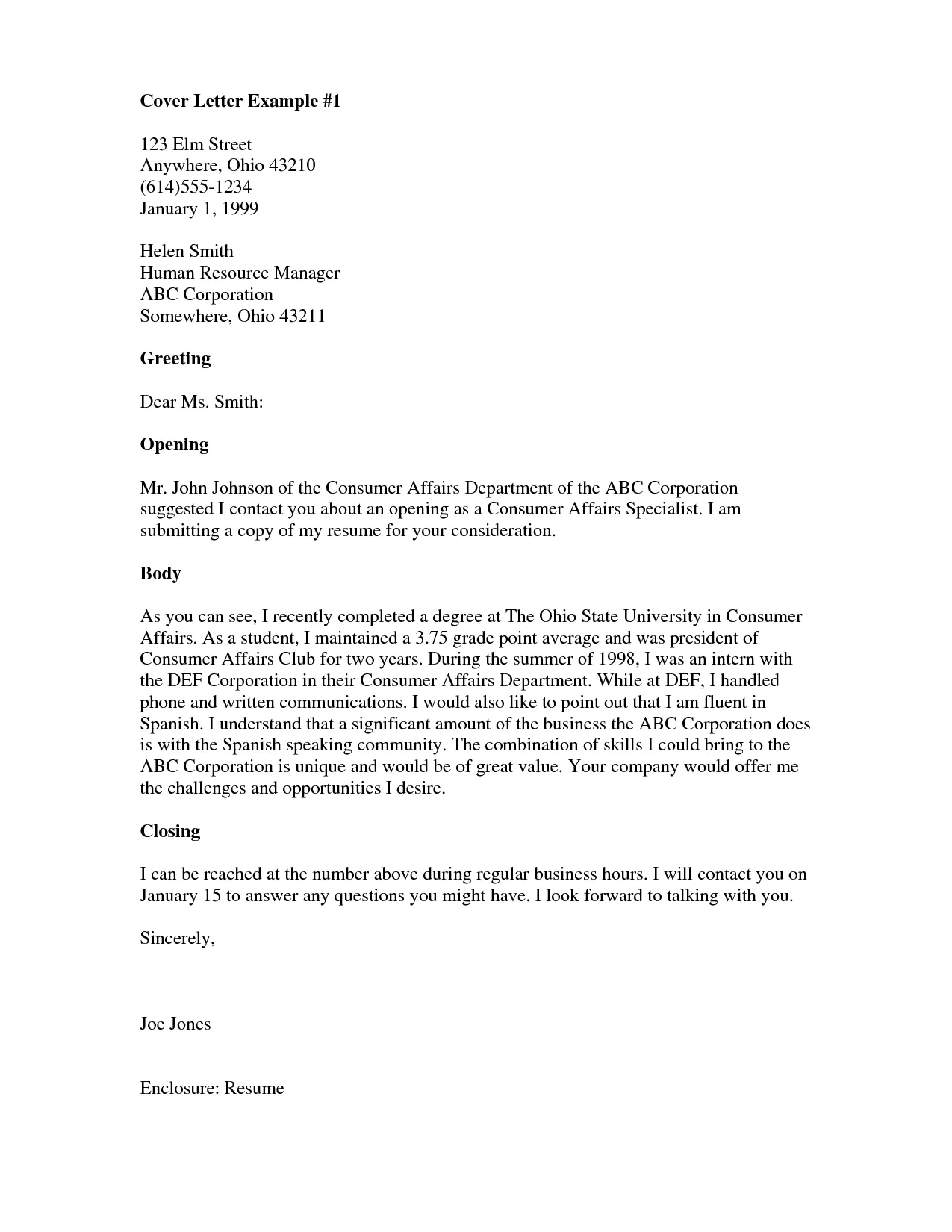
Understanding the Importance of Cover Letter Addressing
Your cover letter is your first impression on a potential employer, and the way you address it sets the tone for the rest of your application. A well-addressed cover letter demonstrates professionalism, attention to detail, and a genuine interest in the specific opportunity. It shows that you’ve taken the time to research the company and personalize your application, which can significantly increase your chances of getting noticed. Failing to address the cover letter correctly, however, can inadvertently send the wrong message, potentially leading to your application being overlooked. It’s a small detail that can make a big difference in the competitive job market.
Why Addressing Matters in Cover Letters
Addressing a cover letter correctly is about showing respect and demonstrating your ability to follow instructions. It shows you’re not just sending a generic application to every job posting. A personalized greeting indicates you’ve done your homework and are genuinely interested in the specific role and the company. This is especially important in today’s job market, where employers seek candidates who are proactive and detail-oriented. A poorly addressed cover letter can easily be seen as a sign of carelessness, which might make a hiring manager question your suitability for a role that demands attention to detail.
Impact of a Well-Addressed Cover Letter

A well-addressed cover letter creates a positive first impression. It immediately establishes a connection with the hiring manager or recruiter, making them more likely to read your entire application carefully. This attention to detail suggests you’re serious about the opportunity and have taken the time to personalize your application. It shows that you’re not just sending out mass applications. This can make you stand out from other candidates who have sent generic, impersonal letters. In essence, a well-addressed cover letter is your first step toward making a compelling case for your candidacy.
How to Find the Right Person to Address
Knowing whom to address your cover letter to is crucial. It’s always better to address your letter to a specific person, such as the hiring manager or the recruiter, rather than using generic greetings. This personalization shows that you’ve done your homework and are truly interested in the opportunity. Several resources can help you find the right person’s name and title. Make the extra effort to get this right, as it significantly improves the impact of your application.
Researching the Hiring Manager or Recruiter
The most effective way to find the right person is to research the job posting and the company. Often, the name and title of the hiring manager are included in the job description. If it’s not there, look for contact information, such as an email address or the name of the department. Another option is to check the company’s website for their ‘About Us’ or ‘Team’ sections. This often includes the names and titles of key personnel. Remember to double-check the spelling of the name and verify the title to ensure accuracy.
Using LinkedIn to Identify the Recipient

LinkedIn is an excellent tool for identifying the hiring manager or recruiter. Search for the company and then look for the team or department related to the job you’re applying for. You can often find the names and titles of the people you should be contacting. Be sure to personalize your approach when using LinkedIn to find this information. Consider sending a connection request or a brief message mentioning the job and the company. This shows you are proactive and increases the chances of a positive response. Always use professional language and a polished profile.
Checking the Company Website for Contacts
Most company websites have an ‘About Us’ or ‘Contact Us’ section that may include information on who to contact for specific roles or general inquiries. This section might provide names and titles of key personnel, or at least the department or email to use. If the job posting mentions a department, visit their website to find individual contact information. The company’s career pages may also offer information. Many companies also have their own social media channels, which you can leverage for contact information or company news. Carefully review the website for the most up-to-date information.
Appropriate Cover Letter Salutations
Once you know the recipient’s name, choosing the right salutation is essential. The tone and formality should align with the company culture and your relationship with the recipient. There are several options, ranging from formal to more relaxed greetings. Whatever you choose, it should always be professional and reflect your respect for the recipient.
Formal Salutations for Professional Settings

In most professional settings, a formal salutation is the best choice. This typically includes ‘Dear Mr.’, ‘Dear Ms.’, or ‘Dear Mx.’ followed by the recipient’s last name. ‘Mx.’ is a gender-neutral title that is useful if you are unsure of the recipient’s gender. Using the correct title and spelling of the last name demonstrates your attention to detail and respect. If you’re applying to a conservative company or are unsure about the company culture, this approach is generally recommended. Ensure that you use the correct title and spelling for each recipient.
Using ‘Dear Mr./Ms./Mx. Last Name’
This is the most standard and widely accepted greeting. It is suitable for nearly all professional contexts and demonstrates respect for the recipient. For example, ‘Dear Mr. Smith,’ ‘Dear Ms. Jones,’ or ‘Dear Mx. Brown.’ Always double-check the spelling of the last name. If you’re not sure about the recipient’s gender, using ‘Mx.’ is the most respectful and inclusive option. Using ‘Dear’ helps show respect while setting a professional tone that encourages further reading.
Informal Salutations When Appropriate
In certain situations, a less formal salutation may be appropriate. For instance, if you’ve been in prior contact with the hiring manager or recruiter, you might consider using ‘Dear [First Name].’ However, only do this if you have a previously established relationship with the person. Otherwise, it might come across as too casual. For startup companies or companies with a more relaxed culture, you may consider a less formal tone, though it’s always better to err on the side of professionalism, particularly in your initial correspondence.
Alternative Greetings for Unspecified Recipients

What do you do when you can’t find a specific person to address? There are some safe and acceptable alternatives, but it’s still a good idea to try to find a specific person’s name if possible. If you’re unable to find the right contact, these alternatives will help you start off on the right foot.
Addressing a Cover Letter When the Name is Unknown
If you’ve exhausted all your options and can’t find the name of the hiring manager, you can use alternative greetings. However, avoid overly generic salutations at all costs. Using the correct greeting shows you are careful with details. These options show you are taking initiative and are professional. Be prepared to modify it for the specific company or job.
Using ‘Dear Hiring Manager’
This is a commonly used and acceptable greeting when you don’t know the specific person. It is better than a generic greeting like ‘To Whom It May Concern’. However, it is always best to find a name if you can. If you can’t, then ‘Dear Hiring Manager’ is an acceptable substitute. Always double-check the job posting for any clues about the department or the people to contact.
Using ‘Dear [Department] Team’

If you know the specific department, such as the Marketing Team or the Human Resources Department, you can address your letter to ‘Dear [Department] Team’. This is a good alternative if you can’t find an individual’s name but still want to personalize your letter. It directs your application to the proper group. This shows that you understand the company structure.
Common Mistakes in Cover Letter Addressing
Avoiding common mistakes is key to making a positive impression. These errors can reflect negatively on your professionalism and attention to detail. Make sure you do not make any of these mistakes to strengthen your cover letter.
Avoid Generic Greetings
Generic greetings like ‘To Whom It May Concern’ or ‘Dear Sir/Madam’ are outdated and impersonal. These greetings indicate that you haven’t put in the effort to research the company or the role. They make your application seem less relevant and reduce your chances of making a positive impression. Always try to personalize your cover letter and show that you’re genuinely interested in the opportunity.
Proofreading Your Salutation for Errors

Typos and grammatical errors in your salutation undermine your credibility. Always proofread your cover letter carefully before submitting it. Check for spelling mistakes, incorrect titles, and any other errors. It’s helpful to have a second pair of eyes review your application. An error-free cover letter is a sign of your professionalism and attention to detail.
Best Practices for Cover Letter Addressing
Following these best practices will increase your chances of getting your application noticed. These steps will help to ensure that you address your cover letter professionally and effectively.
Personalize Your Letter Whenever Possible
Personalization is key to making your cover letter stand out. Whenever possible, address your letter to a specific person. This shows that you’ve researched the company and the role, and that you’re truly interested in the opportunity. Referencing the hiring manager’s name creates a connection, making your application more engaging. When you make this type of connection, your letter is much more likely to get read.
Maintaining a Professional Tone Throughout

Even if you have a more casual relationship with the hiring manager, it’s essential to maintain a professional tone. Avoid using overly informal language or slang. Your cover letter represents you and your communication skills. Keep your tone professional, respectful, and engaging. This helps demonstrate that you have professional writing capabilities.
Adapting Your Address to Company Culture
Researching the company culture is crucial. Some companies have a more relaxed culture and may prefer a less formal approach. However, it’s always safer to err on the side of professionalism, especially in your initial communication. If you’re unsure about the company culture, a formal salutation is always a safe bet. If you know the company well or have had previous contact, you may have more freedom to use a less formal greeting.
Conclusion
Addressing your cover letter correctly is a simple yet effective way to make a strong first impression. By taking the time to research the hiring manager or recruiter, choosing the right salutation, and avoiding common mistakes, you can significantly improve your chances of getting your application noticed. Following the tips and best practices outlined here will help you create a cover letter that showcases your professionalism and attention to detail, ultimately leading to more job opportunities. Remember that every detail matters in the job search process, and a well-addressed cover letter is a step in the right direction.