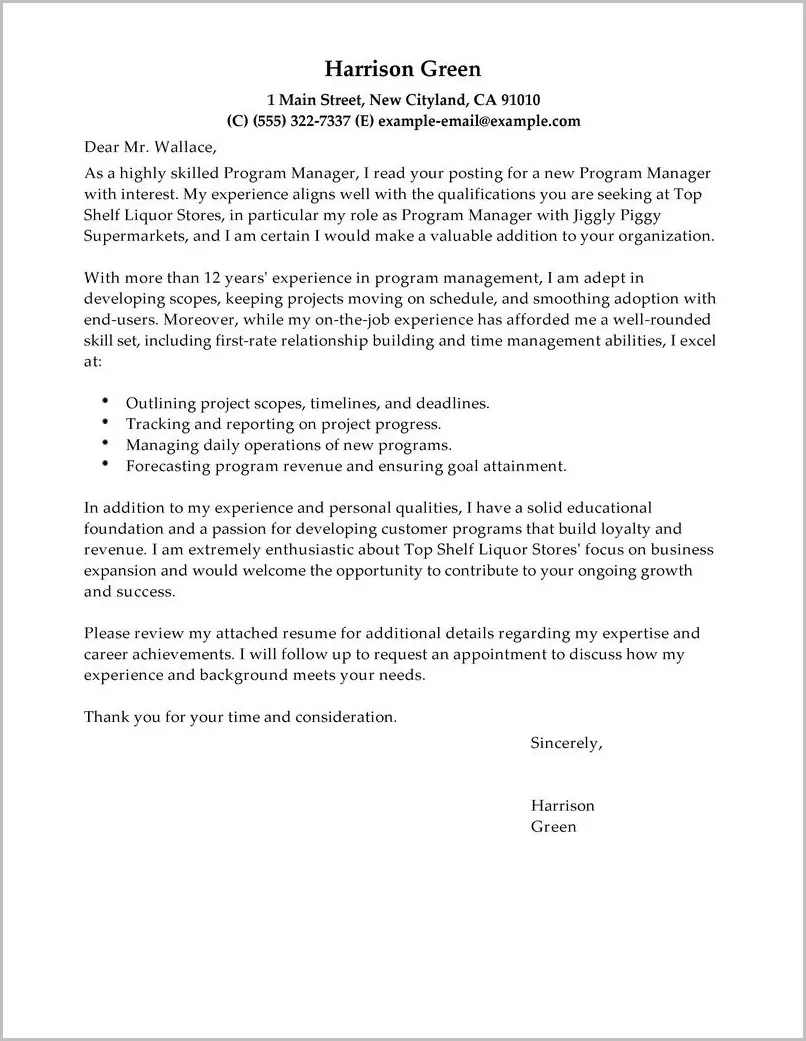
Cover Letter for Executive Director Jobs
The cover letter is a critical component of your application package when applying for Executive Director positions. Unlike a resume, which is a factual summary of your experience, the cover letter allows you to showcase your personality, passion, and how your skills and experience align with the specific needs of the organization. A well-crafted cover letter can significantly increase your chances of getting an interview. It provides an opportunity to tell a compelling story, emphasizing your suitability for the role beyond what’s listed on your resume. It’s your chance to make a lasting impression, demonstrating your understanding of the organization and your vision for its future. The letter should be concise, impactful, and tailored to the specific job and organization.
Research the Organization
Before you start writing, thoroughly research the organization. Visit their website, review their mission statement, and read any recent news articles or press releases. Understanding their values, goals, and recent achievements will help you tailor your cover letter to their specific needs. Identify any current challenges or opportunities the organization faces and consider how your skills and experience can help address them. This shows the hiring committee that you are genuinely interested in the role and have taken the initiative to understand their needs. Highlight how your past experiences have prepared you to help the organization achieve its goals. This level of preparation demonstrates your commitment and strategic thinking, setting you apart from other candidates. By demonstrating this level of insight, you can make a powerful argument for why you’re the right fit.
Tailor Your Cover Letter

Avoid using a generic cover letter. Customize it for each position you apply for. Reference the specific job description and identify the key requirements and qualifications. Then, highlight your relevant skills and experiences, providing specific examples that demonstrate how you meet those requirements. Show the hiring committee that you have taken the time to understand their needs and that you are genuinely interested in the position. Personalize the letter by addressing the hiring manager by name, if possible. If the name is unavailable, use a professional salutation, such as “Dear Hiring Committee”. Tailoring your cover letter shows your attention to detail and your commitment to the role. It demonstrates that you are not just sending out mass applications but are carefully considering each opportunity.
Highlight Relevant Experience
Focus on the experience that is most relevant to the Executive Director position. Provide specific examples of your past accomplishments and how they align with the job requirements. Use action verbs to describe your responsibilities and accomplishments. Instead of simply listing your duties, explain what you achieved and the impact of your work. For example, instead of saying “Managed a team”, you could say “Led a team of 20 employees, increasing productivity by 15% and improving employee satisfaction.” Quantify your achievements whenever possible, using numbers and data to demonstrate your impact. Show how you have successfully managed budgets, developed strategic plans, or secured funding. The goal is to paint a clear picture of your capabilities and demonstrate how your past experiences will benefit the organization.
Quantify Your Achievements
Use numbers and data to quantify your achievements and demonstrate your impact. Instead of saying “Improved fundraising efforts”, say “Increased fundraising revenue by 20% over three years through the implementation of a new donor engagement strategy.” This provides concrete evidence of your skills and results. Quantifying your achievements makes your accomplishments more tangible and credible. Include metrics such as budget management, revenue growth, cost savings, or the number of people you’ve managed. When describing your experience, use the STAR method (Situation, Task, Action, Result) to provide context and demonstrate your problem-solving abilities. This level of detail helps the hiring committee understand the value you bring and the specific ways you can contribute to the organization’s success.
Showcase Leadership Skills

Executive Director positions require strong leadership skills. Highlight your ability to lead, motivate, and inspire teams. Provide examples of how you have successfully managed and developed employees. Talk about your strategic planning, decision-making, and problem-solving abilities. Describe any experience you have in building consensus, navigating organizational change, or resolving conflicts. Include examples of how you have fostered a positive and productive work environment. Emphasize your ability to communicate effectively with a wide range of stakeholders, including board members, employees, donors, and the community. Showcasing your leadership skills will help convince the hiring committee that you possess the necessary qualities to successfully lead the organization.
Demonstrate Passion and Vision
Show the hiring committee that you are passionate about the organization’s mission and vision. Explain why you are interested in the position and what motivates you. Describe your understanding of the organization’s goals and how you see yourself contributing to its success. Share your vision for the future of the organization and how your leadership can help achieve its objectives. Make sure your passion is evident in your tone and language. Personalize your cover letter by injecting your enthusiasm, mentioning what initially drew you to the organization, and what excites you about the prospect of leading the organization. If possible, connect your personal values and professional goals with the organization’s mission. Express your enthusiasm for making a positive impact on the community.
Proofread and Edit
Before submitting your cover letter, carefully proofread and edit it for any errors in grammar, spelling, and punctuation. A well-written cover letter shows attention to detail and professionalism. Have someone else review your cover letter for feedback. Get a second pair of eyes to catch any mistakes you might have missed. Ensure your cover letter is clear, concise, and easy to read. Use a professional font and formatting. Avoid jargon and overly complex sentences. Make sure your cover letter is well-organized, with a clear introduction, body paragraphs, and conclusion. A polished cover letter will make a positive impression and increase your chances of getting an interview. This step is critical to ensure your professionalism is evident throughout your application.
Format Your Executive Director Cover Letter

The format of your cover letter is just as important as the content. Use a professional business letter format with your contact information at the top, followed by the date and the hiring manager’s contact information. Use single-spaced paragraphs with a blank line between each paragraph. Your cover letter should be no more than one page long. Keep your sentences and paragraphs concise and easy to read. Use a clear and professional font, such as Times New Roman or Arial, with a font size between 10 and 12 points. The introduction should state the position you are applying for and how you found the job posting. The body paragraphs should highlight your relevant experience, skills, and accomplishments. The conclusion should reiterate your interest in the position and express your gratitude for their consideration.
In conclusion, a well-crafted cover letter is crucial for an Executive Director position. By thoroughly researching the organization, tailoring your letter, highlighting your accomplishments, and showcasing your leadership skills, you can create a compelling case for your candidacy. Remember to demonstrate your passion, proofread carefully, and use a professional format to make a lasting impression. Your cover letter is your opportunity to stand out and demonstrate why you are the best fit for the role. Good luck with your job search!