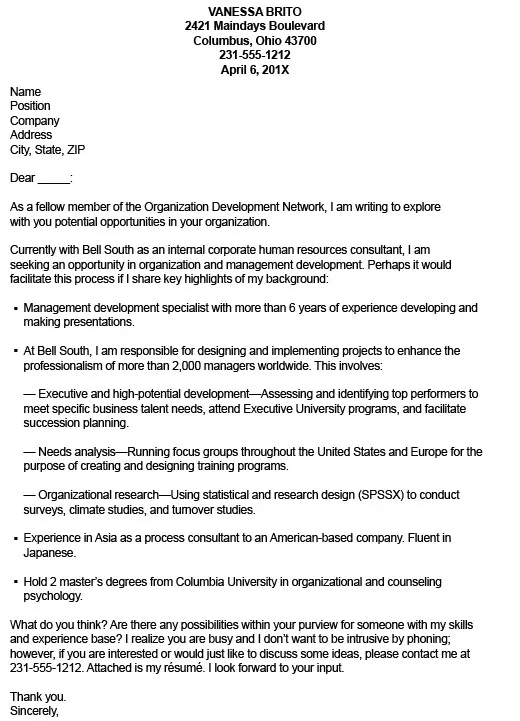
What is a Cover Letter and Why Is It Important
A cover letter is a crucial document that accompanies your resume when applying for a job. It serves as your personal introduction, allowing you to highlight your skills, experience, and enthusiasm for the position. While a resume provides a factual overview of your qualifications, a cover letter gives you the opportunity to connect with the hiring manager on a more personal level. It demonstrates your communication skills, showcases your personality, and explains why you are a good fit for the specific role and company. A well-crafted cover letter can significantly increase your chances of landing an interview, as it provides context and depth to your application that a resume alone cannot offer.
Purpose of a Cover Letter
The primary purpose of a cover letter is to persuade the hiring manager to read your resume and consider you for an interview. It’s your chance to make a strong first impression and differentiate yourself from other candidates. A good cover letter should succinctly explain your interest in the job, highlight your relevant skills and experiences, and demonstrate your understanding of the company’s needs. It also allows you to address any potential gaps in your resume and show how your qualifications align with the job requirements. By effectively communicating your value proposition, a cover letter can significantly increase your chances of getting noticed and moving forward in the application process.
Key Components of a Cover Letter

A well-structured cover letter typically includes several key components that work together to present a compelling case for your candidacy. Understanding these elements is essential for creating a cover letter that grabs attention and effectively communicates your qualifications. Each section serves a specific purpose, contributing to the overall impact and persuasive power of the letter. Carefully crafting each component ensures that you present yourself in the best possible light and increase your chances of securing an interview. Remember to tailor each section to the specific job and company you are applying to maximize its effectiveness.
Header & Contact Information
Your cover letter should begin with a professional header that includes your contact information. This typically includes your full name, address, phone number, and email address. You should also include the date and the hiring manager’s name, title, and company address (if available). Ensure your contact information is accurate and up-to-date, as this is how the hiring manager will reach you. The header sets the tone for the rest of the letter, so make sure it looks clean and professional, reflecting your attention to detail. Using a standard business letter format here is always recommended, especially for a formal job application.
Greeting
The greeting is your first chance to make a positive impression. Whenever possible, address the hiring manager by name (e.g., “Dear Mr. Smith”). This shows that you have taken the time to research the company and personalize your application. If you cannot find the hiring manager’s name, use a professional alternative such as “Dear Hiring Manager” or “Dear [Department Name] Team.” Avoid generic greetings like “To Whom It May Concern,” which can make your letter feel impersonal and generic. Your greeting should be polite, professional, and set a positive tone for the rest of the cover letter.
Body Paragraphs

The body paragraphs are the heart of your cover letter, where you explain why you are a good fit for the job. These paragraphs should be concise, compelling, and tailored to the specific requirements of the position. You should highlight your relevant skills, experiences, and accomplishments, providing specific examples to support your claims. The body paragraphs should also demonstrate your understanding of the company’s needs and explain how you can contribute to their success. Aim for a balance between showcasing your abilities and expressing your enthusiasm for the role. Structure your body paragraphs logically and use clear, concise language to make your message easy to understand.
First Paragraph Grab Attention
Your first paragraph should immediately grab the reader’s attention. Start with a strong opening statement that captures their interest and makes them want to read further. You can mention where you found the job posting, express your enthusiasm for the position, or briefly highlight a key achievement that makes you stand out. The goal is to create an immediate positive impression and encourage the hiring manager to continue reading. Be specific and avoid generic phrases; demonstrate your genuine interest and quickly convey why you are excited about the opportunity. Consider using a compelling anecdote or a relevant statistic to make your opening even more engaging.
Second Paragraph Show Your Value
The second paragraph is where you showcase your value by highlighting your relevant skills, experiences, and accomplishments. Focus on how your qualifications align with the job requirements and demonstrate how you can contribute to the company’s success. Use specific examples and quantifiable results whenever possible to support your claims. Instead of simply listing your skills, explain how you have used them to achieve positive outcomes in the past. This helps the hiring manager understand your potential and visualize your contributions to their team. Tailor this paragraph to the specific job description and emphasize the skills and experiences that are most relevant to the role.
Third Paragraph Closing & Call to Action

Your final paragraph should reiterate your interest in the position and include a clear call to action. Thank the hiring manager for their time and consideration and express your eagerness to discuss your qualifications further. State that you are available for an interview and provide your contact information again if needed. Reiterate why you are a strong candidate and how you can contribute to the company. Avoid sounding too passive; instead, be proactive and confident in your abilities. A strong closing paragraph leaves a lasting positive impression and encourages the hiring manager to take the next step in the hiring process.
Formatting and Design Tips
The formatting and design of your cover letter are just as important as its content. A well-formatted letter is easy to read, professional, and visually appealing. Poor formatting can make your letter look cluttered and unprofessional, potentially leading to it being overlooked. Pay attention to the layout, font, and spacing to create a document that is both informative and visually appealing. Consistent formatting throughout the document makes it easier for the reader to follow your points and absorb the information. Investing time in formatting ensures your cover letter presents a polished and professional image, reflecting your attention to detail.
Font and Readability
Choose a professional and easy-to-read font for your cover letter. Common choices include Times New Roman, Arial, Calibri, and Helvetica. Keep the font size between 10 and 12 points to ensure readability without overwhelming the page. Use a clear font that is easy on the eyes, allowing the hiring manager to quickly scan the document. Avoid using fancy or overly stylized fonts, which can distract from the content and make your letter appear less professional. Consistent font usage throughout the document enhances readability and maintains a polished appearance. Proper font selection contributes significantly to the overall impact of your cover letter.
Length of the Cover Letter

Keep your cover letter concise and to the point, aiming for a length of one page. Hiring managers are busy and often review numerous applications, so they may not have time to read lengthy letters. Focus on providing the most relevant information and avoid unnecessary details. Each paragraph should convey important information and contribute to your overall message. Use clear and concise language to express your ideas effectively. A well-written, one-page cover letter demonstrates your ability to communicate clearly and efficiently, which are valuable skills in the workplace. Ensure every sentence serves a purpose in presenting your qualifications.
Proofreading and Editing
Thorough proofreading and editing are critical steps in crafting a successful cover letter. Typos, grammatical errors, and inconsistencies can undermine your credibility and make a negative impression on the hiring manager. Always review your cover letter multiple times, checking for errors in grammar, spelling, punctuation, and formatting. Read the letter aloud to identify awkward phrasing or unclear sentences. Consider having a friend, family member, or career counselor review your letter for a fresh perspective. A polished and error-free cover letter demonstrates your attention to detail and professionalism, significantly increasing your chances of making a positive impression.
Common Cover Letter Mistakes to Avoid
Avoiding common mistakes is crucial to making a positive impact with your cover letter. Many applicants unintentionally include elements that can detract from their qualifications or make a negative impression. Being aware of these pitfalls helps you create a more effective and persuasive letter. By carefully reviewing your cover letter and avoiding these common errors, you can significantly improve your chances of landing an interview. Remember that your cover letter represents you, so take the time to make it as polished and professional as possible.
Generic Content

Avoid using generic content that could apply to any job or company. Your cover letter should be tailored to the specific position and organization you are applying to. Use the job description to identify the key requirements and demonstrate how your skills and experiences align with those needs. Avoid using generic phrases or clichés that could be used by any applicant. Instead, provide specific examples of your accomplishments and explain how you have achieved positive results in the past. Showing that you have researched the company and understand its values is crucial for demonstrating genuine interest and making a lasting impression. A generic cover letter will often be perceived as a lack of effort or interest.
Typos and Grammatical Errors
Typos and grammatical errors can immediately damage your credibility and make you appear unprofessional. Always proofread your cover letter carefully before submitting it. Use a grammar checker and spell checker to identify any errors. However, don’t rely solely on these tools; they may not catch all mistakes. Reading your letter aloud can help you identify awkward phrasing or unclear sentences. Having a friend or family member review your letter for errors can also be beneficial. A polished, error-free cover letter demonstrates your attention to detail and professionalism, significantly increasing your chances of making a positive impression. Take the time to ensure your writing is impeccable.
Focusing on Yourself Too Much
While it’s important to highlight your skills and experiences, avoid focusing solely on yourself. Your cover letter should demonstrate how you can contribute to the company and meet its needs. Instead of just stating your qualifications, explain how you can solve problems, achieve goals, and add value to the organization. Show the hiring manager that you understand the company’s challenges and how your skills and experiences can help them succeed. Tailor your cover letter to the company’s specific needs and demonstrate how your contributions will benefit the team. Balance your self-promotion with a focus on how you can help the company achieve its goals.
Tailoring Your Cover Letter to the Job

Tailoring your cover letter to each job application is essential for maximizing your chances of success. A generic cover letter is unlikely to impress a hiring manager. Customizing your letter shows that you are genuinely interested in the specific role and company, and that you have taken the time to understand their needs. Tailoring involves researching the company, using keywords from the job description, and highlighting relevant skills and experiences. This level of personalization demonstrates your attention to detail and commitment to the application process. Taking the extra step to customize your letter can significantly increase your chances of getting noticed and securing an interview.
Research the Company
Before writing your cover letter, take the time to research the company. Visit their website, read their mission statement, and learn about their products or services. Understanding the company’s values, culture, and goals will help you tailor your cover letter to their specific needs. Demonstrate your knowledge of the company and how your skills and experiences align with their mission. This shows the hiring manager that you are genuinely interested in the position and have taken the initiative to learn about the organization. Research also provides you with valuable insights that you can use to demonstrate your understanding of the company’s challenges and how you can contribute to their success.
Use Keywords from the Job Description
Carefully review the job description and identify the key skills, qualifications, and keywords that the employer is seeking. Incorporate these keywords into your cover letter to demonstrate that you meet the requirements of the position. Use the same terminology and phrasing as used in the job description. This helps the hiring manager quickly identify your qualifications and assess your suitability for the role. However, avoid keyword stuffing, which can make your letter sound unnatural. Instead, integrate keywords naturally and authentically into your writing. Highlighting relevant keywords improves your chances of your application passing through applicant tracking systems (ATS) and reaching the hiring manager.
Highlight Relevant Skills and Experiences
Focus on highlighting the skills and experiences that are most relevant to the job. Review the job description and identify the key requirements. Then, provide specific examples of how you have demonstrated these skills in the past. Use quantifiable results whenever possible to support your claims. Instead of just stating that you have “strong communication skills,” describe a situation where you effectively communicated to achieve a positive outcome. Tailor your letter to the specific job requirements and emphasize the experiences and skills that are most relevant. This ensures that the hiring manager can quickly understand your qualifications and how they align with the role.
Examples of Effective Cover Letters
Reviewing examples of effective cover letters can provide valuable insights into how to structure your own. Look for examples that are tailored to specific industries or roles. Analyze how the writers present their skills, experiences, and accomplishments. Pay attention to the tone, language, and formatting. Look for cover letters that open with a strong hook, highlight relevant achievements, and include a clear call to action. Use these examples as inspiration, but always customize your letter to reflect your unique qualifications and the specific requirements of the job. Adapting successful cover letter templates and examples allows you to effectively structure your own letter.
Cover Letter Examples
Cover letter examples are readily available online, offering a diverse range of structures and content that can be adapted for different situations. When reviewing examples, look for letters that demonstrate strong opening statements, effective body paragraphs, and compelling closing statements. Analyze how the writers highlight their relevant skills and experiences, provide specific examples, and use keywords from the job description. Choose examples that align with the job type and industry you are applying for. Adapt the language, content, and style to fit your own experience and the specific requirements of the position you are targeting. Remember, the best examples are used as a guide to create a cover letter that is uniquely yours and highly effective.
Final Thoughts and Next Steps
Crafting a winning cover letter is an essential part of the job application process. By following these tips and guidelines, you can create a cover letter that showcases your qualifications, highlights your accomplishments, and demonstrates your enthusiasm for the position. Remember to tailor your letter to each job, proofread carefully, and present yourself in a professional and compelling manner. A well-written cover letter increases your chances of landing an interview and taking the next step toward your career goals. Good luck with your job search!