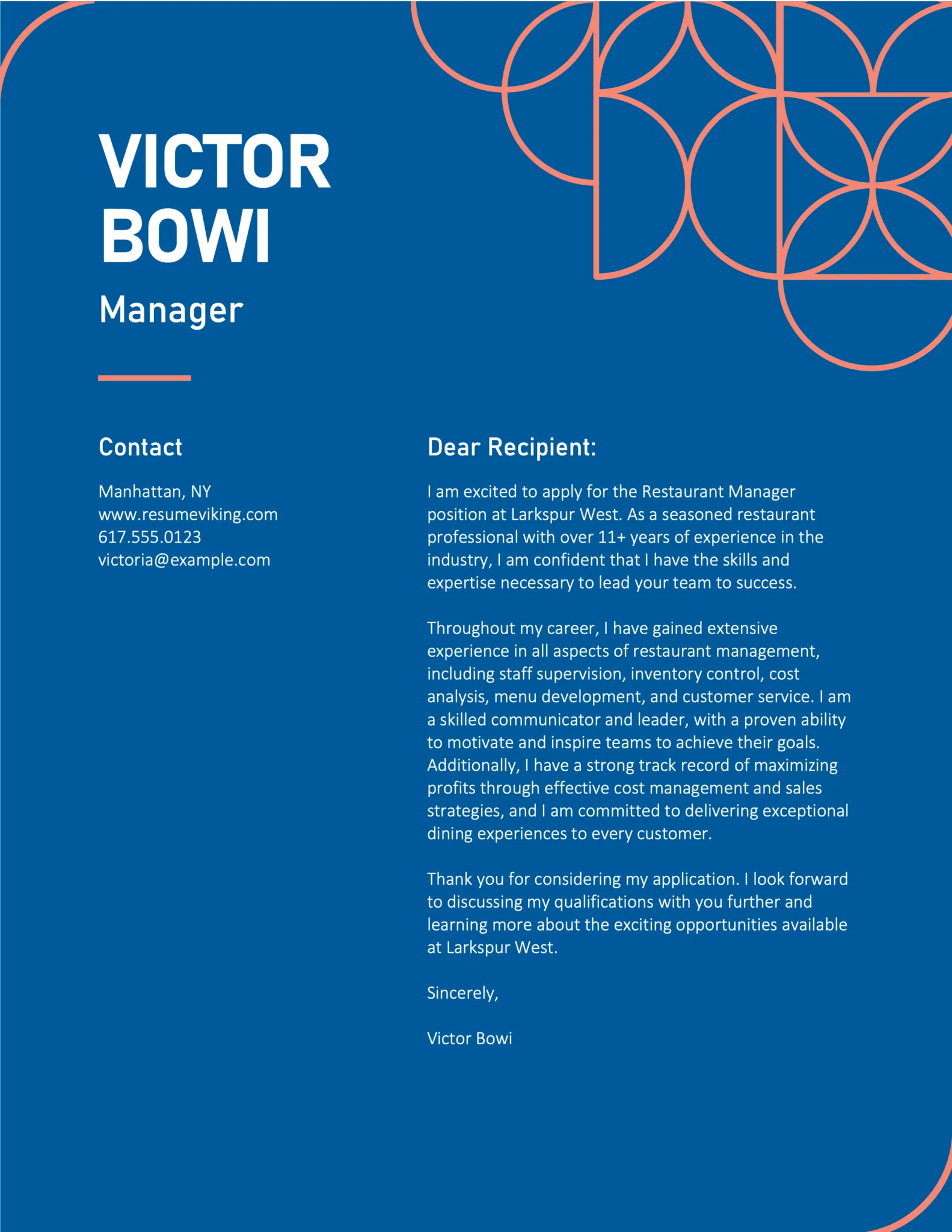
What is a Cover Letter?
A cover letter is a crucial document accompanying your resume when applying for a job. It serves as your first introduction to a potential employer, offering a personalized glimpse into your qualifications, skills, and enthusiasm for the position. Unlike a resume, which provides a factual overview of your experience, a cover letter allows you to elaborate on why you’re the perfect fit for the specific role and the company. It’s your chance to showcase your personality, writing skills, and genuine interest in the opportunity. Think of it as a compelling narrative that complements your resume, making your application stand out from the crowd. A well-crafted cover letter can significantly increase your chances of securing an interview and ultimately landing your dream job, making it an essential tool in your job-seeking arsenal. It allows you to express your passion for the role and demonstrate how your unique skills and experiences align with the company’s needs and values, setting you apart from other applicants.
Why Is a Cover Letter Important?
In today’s competitive job market, a cover letter is more than just a formality; it’s a vital component of your application. Many employers consider it a non-negotiable requirement, using it to assess your communication skills, attention to detail, and genuine interest in the position. A well-written cover letter demonstrates your ability to articulate your qualifications in a compelling way, providing context to your resume and highlighting the aspects of your experience most relevant to the job. It allows you to explain any gaps in your employment history, address specific requirements mentioned in the job description, and showcase your understanding of the company’s mission and values. Ignoring a cover letter could lead to your application being overlooked, as it signals a lack of effort or genuine interest. Even if a cover letter isn’t explicitly required, submitting one can give you a competitive edge, showing initiative and a proactive approach to the application process, proving you are dedicated and willing to go the extra mile.
Essential Elements of a Winning Cover Letter

Crafting a winning cover letter involves incorporating several key elements to ensure it captures the attention of the hiring manager. The structure should be clear, concise, and engaging, allowing you to effectively communicate your qualifications and enthusiasm. Begin with a professional header that includes your contact information and the date. Follow with a personalized greeting, addressing the hiring manager by name if possible. The opening paragraph should immediately grab the reader’s attention by stating the position you’re applying for and expressing your interest in the company. The body of the letter should highlight your relevant skills and achievements, providing specific examples of how you’ve excelled in previous roles. Conclude with a strong closing paragraph that reiterates your interest and includes a call to action, such as expressing your availability for an interview. Proofread carefully for any grammatical errors or typos, as these can undermine your credibility. Formatting is also crucial, so use a clean and professional font, and ensure your letter is well-organized and easy to read. A compelling cover letter is tailored to the specific job and company, demonstrating your understanding of the role and your commitment to contributing to the organization’s success.
Header Information
Your cover letter header should be at the top of the document, providing essential contact information. Include your full name, address, phone number, and professional email address. This allows the hiring manager to easily reach you if they wish to schedule an interview or have any questions about your application. It’s crucial to ensure your email address is professional and appropriate for the job application; avoid using informal or outdated email addresses. Following your contact information, include the date on which you are sending the cover letter. Below the date, add the hiring manager’s name, title, and the company’s address. If the hiring manager’s name isn’t available, research the company’s website or LinkedIn to find the correct person. Using the hiring manager’s name shows you’ve taken the time to research the company and are genuinely interested in the position. Precise and accurate header information demonstrates your attention to detail and organizational skills, both of which are highly valued in the professional world. A well-formatted header sets a positive tone and helps your application stand out.
Professional Greeting
The greeting in your cover letter sets the tone for your entire communication. Aim for a professional and personalized greeting to show that you’ve taken the time to research the company and the hiring manager. If you know the name of the hiring manager, start with “Dear Mr./Ms./Mx. [Last Name].” This demonstrates respect and personalization, making your letter more engaging. If the name isn’t available, use a general greeting like “Dear Hiring Manager” or “Dear [Company Name] Hiring Team.” Avoid generic greetings such as “To Whom It May Concern,” as they can make your letter feel impersonal. Ensure you spell the hiring manager’s name correctly, as a misspelling can make a negative impression. The greeting should align with the overall tone of the cover letter, which should be formal yet approachable. Your greeting is your initial opportunity to make a positive impression, and a personalized approach shows initiative and attention to detail. A thoughtful and correctly formatted greeting adds a professional touch, which increases the likelihood of the hiring manager reading the rest of your letter. This demonstrates your respect and shows you have invested time and effort to know more about them.
Opening Paragraph Make an Impact

The opening paragraph of your cover letter is your first opportunity to capture the hiring manager’s attention. It should be concise, compelling, and directly address the position you are applying for. Clearly state the specific job title and where you found the posting, such as the company website or a job board. Express your enthusiasm for the opportunity and the company, demonstrating your genuine interest in the role. You can mention something specific that attracted you to the position or the company’s mission. Avoid generic phrases like “I am writing to express my interest…” and instead opt for a more engaging opening. Consider starting with a brief statement about your key skills or a relevant achievement that immediately grabs the reader’s attention. Keep your opening paragraph brief – typically no more than three to four sentences. The goal is to make a strong first impression that encourages the hiring manager to continue reading. A well-crafted opening paragraph sets the stage for the rest of your letter, highlighting your suitability for the role and showcasing your writing skills.
Body Paragraph 1 Highlight Your Skills
In the first body paragraph, focus on highlighting your skills that are most relevant to the job description. Carefully review the job posting and identify the key skills and qualifications the employer is seeking. Provide specific examples of how you have demonstrated these skills in your previous roles. Use the STAR method – Situation, Task, Action, Result – to effectively showcase your accomplishments. Start by describing the situation or context, outlining the specific task you were assigned. Then, explain the actions you took to complete the task, and finally, detail the positive results or outcomes you achieved. Quantify your achievements whenever possible, using numbers and data to illustrate your impact. For example, instead of saying “Improved customer satisfaction,” you could write “Increased customer satisfaction by 15% through implementing a new feedback system.” This paragraph should show a direct correlation between your skills and the requirements of the job. Tailor this paragraph to the specific job and the company, demonstrating how your skills align with their needs and contribute to their goals.
Body Paragraph 2 Showcase Your Achievements
The second body paragraph should focus on showcasing your most significant achievements and experiences that are relevant to the job. This is your chance to provide more in-depth examples of your successes, using the STAR method to demonstrate how you have excelled in previous roles. Select achievements that are quantifiable and directly related to the responsibilities of the position you’re applying for. For each achievement, describe the context or situation, outline the specific tasks you undertook, explain the actions you took, and highlight the positive results or outcomes you achieved. Use strong action verbs to describe your contributions, such as “led,” “managed,” “implemented,” or “achieved.” Quantify your accomplishments by including specific metrics and data, such as percentages, numbers, or monetary values. This paragraph is where you can distinguish yourself from other candidates by showcasing your unique skills and experience. Providing concrete examples of your successes demonstrates your capabilities and potential to contribute to the company. Ensure that the achievements you highlight align with the requirements of the job and demonstrate how you can bring value to the organization. This paragraph is all about making a compelling case for why you are the ideal candidate.
Body Paragraph 3 Demonstrate Your Enthusiasm

In the final body paragraph, show your enthusiasm for the specific opportunity and the company. Explain why you are genuinely interested in the role and what specifically attracts you to the organization. Research the company’s mission, values, and recent achievements, and connect your personal and professional goals with theirs. Show how your skills and experience align with the company’s objectives and how you can contribute to their success. This is an opportunity to highlight any unique aspects of the company or the role that particularly interest you. It’s important to avoid generic statements and instead provide specific details. You might mention a particular project, a company value that resonates with you, or an aspect of the company culture that excites you. This demonstrates to the hiring manager that you have done your homework and are truly invested in the opportunity. By demonstrating your enthusiasm, you make your application more memorable and increase your chances of standing out from other candidates. The goal is to leave a lasting positive impression, showing the hiring manager that you are not just qualified but also a great fit for the company’s culture.
Closing Paragraph Call to Action
Your closing paragraph should reiterate your interest in the position and include a clear call to action. Express your eagerness to discuss your qualifications further and reiterate your enthusiasm for the opportunity. State your availability for an interview, indicating how you can be reached, such as by phone or email. Thank the hiring manager for their time and consideration. Avoid using generic phrases and make your closing paragraph concise and impactful. You might briefly summarize your key skills or accomplishments, reinforcing why you are the best fit for the role. It is important to sound confident, professional, and proactive. Ensure you proofread the entire letter, including the closing paragraph, for any grammatical errors or typos. A strong call to action encourages the hiring manager to take the next step in the hiring process and schedule an interview. It is an important part of a cover letter.
Formal Closing
Choose a professional and appropriate closing to end your cover letter. Common options include “Sincerely,” “Best regards,” or “Respectfully.” Avoid informal closings such as “Thanks” or “Cheers,” as they may appear unprofessional. Use the same tone as the rest of your cover letter. After the closing, leave a few lines for your signature. If you are sending a digital cover letter, you can simply type your name. If you are printing and mailing your cover letter, you can sign it by hand. Ensure that the closing aligns with the formal tone established throughout the letter. The closing should be brief and leave a positive final impression on the hiring manager. It should reflect your professionalism and respect for the recipient. A formal closing is essential for maintaining the professional appearance of your cover letter.
Proofreading and Formatting Tips

Proofreading and formatting are crucial for creating a professional cover letter. Before submitting your application, carefully proofread your letter for any grammatical errors, spelling mistakes, or typos. These errors can undermine your credibility and create a negative impression. Use a grammar and spell-checking tool to help you identify potential mistakes, but don’t solely rely on these tools. Always read through the letter yourself, as these tools may not catch every error. Ensure your formatting is clean and consistent. Use a standard, professional font such as Times New Roman, Arial, or Calibri, and maintain a consistent font size. Use clear headings, bullet points (if necessary), and paragraphs to make your letter easy to read. Adjust the margins and spacing to create a visually appealing document. Before submitting, review your cover letter for clarity and conciseness. Make sure that your message is easy to understand and that you effectively communicate your key qualifications. Get a second pair of eyes to review your letter. Ask a friend, colleague, or career counselor to read over your cover letter and provide feedback. This will help you to catch any mistakes you might have missed. Proper proofreading and formatting showcase your attention to detail and professionalism.