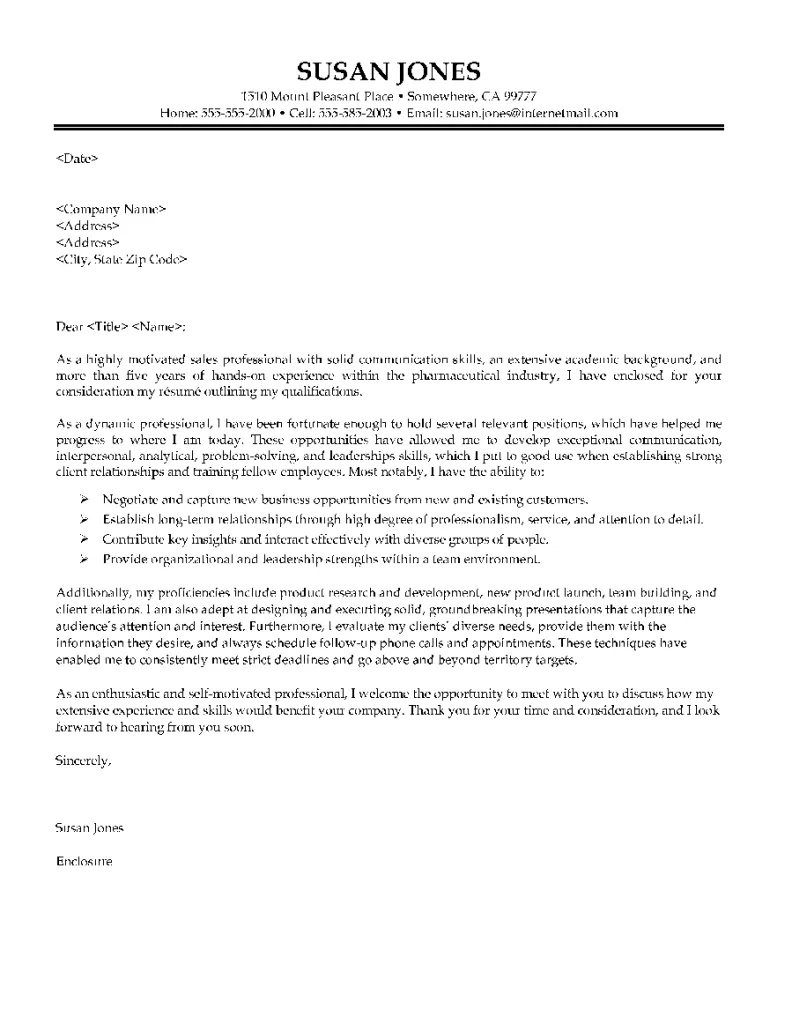
Why is a Cover Letter Important
In the competitive world of job applications, a cover letter serves as your personal introduction, offering a crucial opportunity to make a lasting impression on potential employers. Often overlooked, it’s your chance to go beyond the confines of your resume and showcase your personality, passion, and suitability for the role. A well-crafted cover letter can significantly increase your chances of landing an interview by highlighting your key skills, experiences, and achievements in a way that resonates with the hiring manager. It’s where you can weave a narrative that connects your professional background with the specific requirements of the job and the values of the company. Without a cover letter, you risk being perceived as less engaged or lacking the initiative to go the extra mile, potentially missing out on opportunities to demonstrate your genuine interest and qualifications. Therefore, treating your cover letter with the same level of care and attention as your resume is essential for a successful job search.
Crafting a Compelling Cover Letter
Crafting a compelling cover letter involves more than just summarizing your resume; it’s about telling a story. Begin by thoroughly researching the company and the specific job you’re applying for. Understand their mission, values, and culture. Then, tailor your cover letter to reflect this understanding. Your language should be professional yet personable, demonstrating your genuine interest in the opportunity. Use clear, concise language to articulate your key skills and experiences, making sure to highlight how they align with the job requirements. Maintain a positive and enthusiastic tone throughout, showcasing your eagerness to contribute to the company’s success. Remember, your goal is to make the hiring manager excited to learn more about you. By following these guidelines, you can craft a cover letter that not only grabs attention but also positions you as a top candidate.
Header and Contact Information

The header of your cover letter is the first thing a hiring manager sees, making it essential to get it right. Start with your full name, professional title (if applicable), and contact information, including your phone number and email address. Ensure your email address is professional and easy to read; avoid using nicknames or informal language. Following your contact information, include the date and the hiring manager’s name and title, if known. If you can’t find the hiring manager’s name, use a general title like “Hiring Manager.” This attention to detail shows your professionalism and your commitment to making a positive first impression. A well-formatted header sets a professional tone for the rest of your letter and ensures that the hiring manager can easily contact you if they wish to proceed with your application. Make sure your contact information is accurate and up-to-date to avoid missing out on any opportunities.
Personalized Greeting
A personalized greeting immediately sets your cover letter apart from generic applications. Avoid generic greetings such as “To Whom It May Concern” or “Dear Sir/Madam”. Instead, research the hiring manager’s name and use it in your greeting, for example, “Dear Mr. Smith.” This demonstrates that you’ve taken the time to personalize your application and shows that you’re genuinely interested in the role. If you’re unable to find the hiring manager’s name, opt for a more specific greeting like “Dear Hiring Team” or “Dear [Department] Team.” This shows that you’ve made an effort to understand the organizational structure. A personalized greeting creates a more engaging and professional tone, signaling to the employer that you’re serious about the opportunity. It’s a small but significant step in capturing their attention and making a positive first impression.
The Opening Paragraph: Grab Attention
Your opening paragraph is your chance to immediately capture the reader’s attention and set the tone for your cover letter. Avoid generic introductions; instead, make a strong statement about why you’re interested in the position and the company. Briefly mention the specific role you’re applying for and where you found the job posting. Then, quickly highlight your most relevant skills or experiences to create intrigue. You might start with a compelling statement about your passion for the company’s mission or a brief anecdote about a relevant achievement. The goal is to make the reader want to learn more about you and continue reading. Ensure your opening paragraph is concise, engaging, and reflects your genuine enthusiasm for the opportunity. A well-crafted opening paragraph sets a positive tone and compels the hiring manager to continue reading, significantly increasing your chances of getting noticed.
Highlight Your Key Skills and Experience

The body of your cover letter is the space where you showcase your key skills and experience, demonstrating your qualifications for the job. Carefully review the job description and identify the essential skills and requirements. Then, select the most relevant examples from your professional background that align with those requirements. Use the STAR method (Situation, Task, Action, Result) to provide concrete examples of how you’ve used your skills to achieve positive outcomes in previous roles. Quantify your achievements whenever possible, using numbers to demonstrate your impact. Clearly explain how your skills and experience will benefit the company, and tailor your examples to resonate with the hiring manager. Focus on quality over quantity, selecting the most impactful experiences and skills that directly relate to the job. This strategic approach shows employers how you can contribute to their team and excel in the role.
Align Skills with Job Requirements
Carefully aligning your skills with the job requirements is crucial to showing the hiring manager that you’re a strong fit for the role. Begin by thoroughly reviewing the job description and identifying the key skills and qualifications the employer is seeking. Make a list of those skills and cross-reference them with your own abilities and experiences. In your cover letter, use the same keywords and phrases that are used in the job description to demonstrate your understanding of the role and your ability to meet their needs. Provide specific examples of how you’ve utilized those skills in previous roles and quantify your achievements whenever possible. Avoid simply listing your skills; instead, explain how you’ve applied them to solve problems, achieve goals, and contribute to a team’s success. Tailoring your letter to align with the job requirements makes it clear that you’ve read the job description and are a serious contender for the position.
Quantify Your Achievements
Quantifying your achievements is an incredibly effective way to demonstrate your impact and value to potential employers. Whenever possible, use numbers, percentages, and specific data to illustrate your accomplishments. Instead of saying, “Improved customer satisfaction,” you could say, “Increased customer satisfaction scores by 15% in six months.” Instead of saying, “Managed social media accounts,” you could state, “Managed social media accounts, growing follower engagement by 20% and reach by 30%.” These quantifiable results provide concrete evidence of your skills and abilities, making your accomplishments more tangible and memorable. By providing measurable results, you make it easier for hiring managers to understand the value you would bring to their organization. Use data to showcase your successes and highlight your contribution to previous employers.
Showcase Your Enthusiasm for the Company

Showing genuine enthusiasm for the company is key to making a positive impression and standing out from the crowd. Demonstrate your interest by mentioning specific aspects of the company that appeal to you, such as its mission, values, products, or recent achievements. Research the company’s culture, and discuss how your personal values align with theirs. If possible, mention any specific projects or initiatives you find particularly exciting. This shows that you’ve taken the time to learn about the company and are genuinely interested in becoming a part of their team. Tailor your cover letter to reflect your genuine enthusiasm and why you specifically want to work for that particular organization. A sincere expression of interest can make a lasting impression on the hiring manager.
The Closing Paragraph: Call to Action
Your closing paragraph should reiterate your interest in the position and include a clear call to action. Thank the hiring manager for their time and consideration, and express your eagerness to discuss your qualifications further. State that you look forward to hearing from them soon. Make it easy for the hiring manager to contact you by including your phone number and email address, even if it’s already in your header. Keep your closing paragraph concise and professional, and avoid any generic phrases. End with a confident and positive statement that reinforces your belief in your ability to contribute to the company’s success. A strong call to action ensures the hiring manager knows you’re serious about the position and ready to move forward in the application process.
Proofreading and Formatting
Proofreading and formatting are crucial steps in creating a polished and professional cover letter. Before submitting your letter, thoroughly proofread it for any grammatical errors, spelling mistakes, and typos. Read it aloud to catch any awkward phrasing or inconsistencies. Ensure your language is clear, concise, and easy to understand. Pay close attention to the formatting, including font choice, font size, margins, and spacing. Use a professional and readable font like Times New Roman, Arial, or Calibri, and ensure that the font size is between 10 and 12 points. Maintain consistent margins and spacing throughout the document. Consider having a trusted friend or colleague review your cover letter for any errors you might have missed. A well-formatted and error-free cover letter demonstrates your attention to detail and professionalism, which significantly increases your chances of making a positive impression on potential employers.
Formatting for Readability

Formatting for readability is key to ensuring that your cover letter is easy for the hiring manager to read and understand. Use clear and concise language, avoiding jargon and overly complex sentences. Break up large blocks of text into smaller paragraphs to make it easier for the reader to digest the information. Use bullet points or numbered lists to highlight key skills, achievements, or responsibilities. Choose a professional and readable font, such as Times New Roman, Arial, or Calibri, and use a font size between 10 and 12 points. Ensure that your text is well-spaced and that there’s enough white space around your paragraphs and sections. Maintain consistent margins throughout the document. By formatting your cover letter with readability in mind, you make it easier for the hiring manager to quickly grasp your key qualifications and understand why you’re a good fit for the job. This attention to detail can significantly improve the overall impact of your cover letter.
Common Mistakes to Avoid
Avoiding common mistakes can significantly improve the effectiveness of your cover letter. One of the most frequent errors is not tailoring the letter to the specific job and company. Each cover letter should be customized to reflect the unique requirements of the role and the values of the organization. Avoid simply sending out a generic letter. Another common mistake is including irrelevant information or repeating details from your resume word-for-word. Instead, use your cover letter to expand on your experiences and showcase your personality. Grammatical errors, typos, and poor formatting are also major turn-offs; always proofread your letter carefully before submitting. Finally, don’t make the letter too long; aim for a concise and engaging letter that highlights your most relevant qualifications. By avoiding these common pitfalls, you can create a cover letter that effectively showcases your skills and increases your chances of landing an interview.