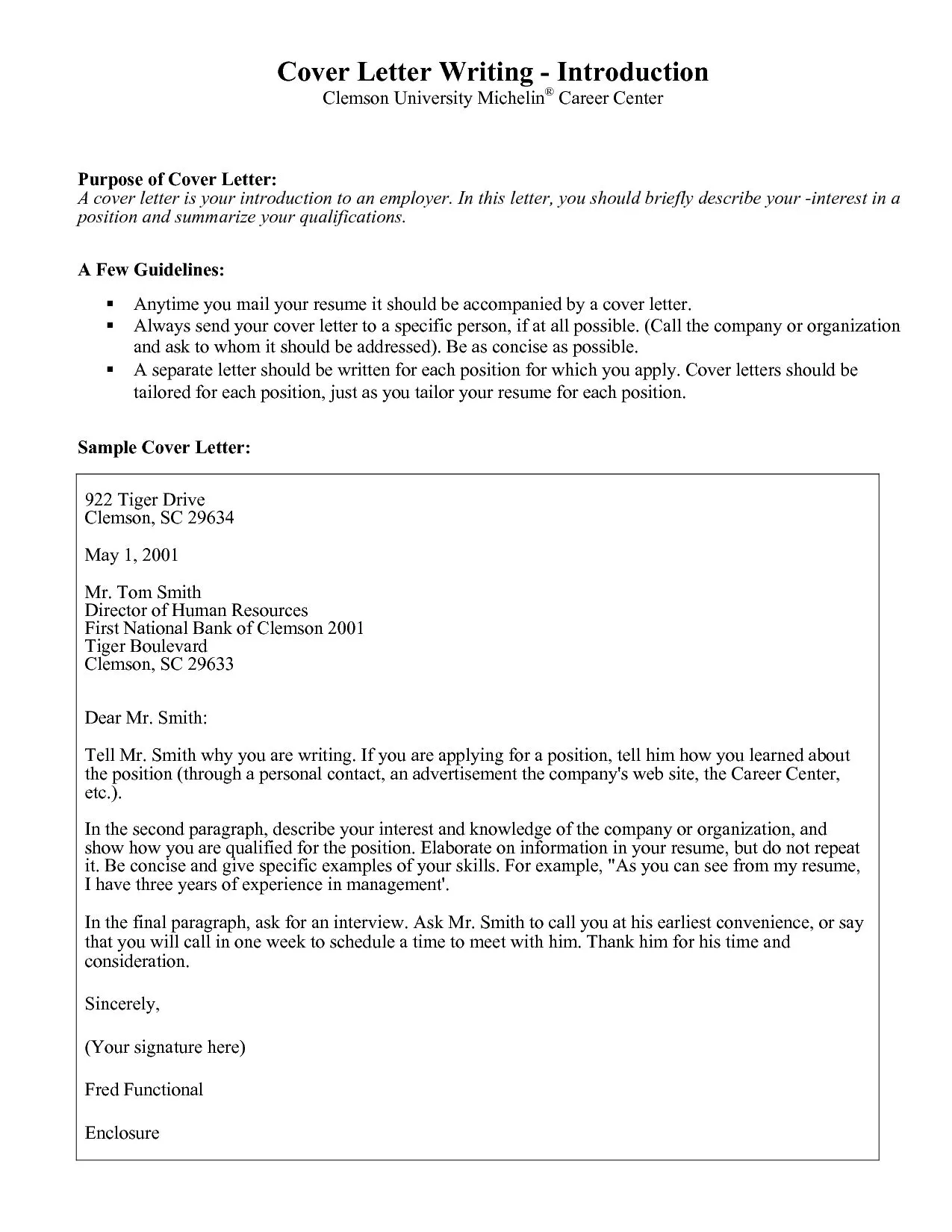
Cover Letter Introductory Paragraph [The Importance]
The introductory paragraph of your cover letter is your first and often only chance to make a positive impression on a potential employer. It’s the gatekeeper, the initial assessment point that determines whether the hiring manager will continue reading or move on to the next applicant. A well-crafted introduction serves several crucial purposes it grabs attention, sets the tone for the rest of the letter, and immediately establishes your suitability for the role. Failing to make a strong first impression can lead to your application being overlooked, regardless of your qualifications and experience. This initial section is where you introduce yourself and highlight why you are the perfect candidate. It sets the stage for the rest of your letter, making the reader want to learn more about you. Without a compelling opening, your cover letter may end up in the ‘rejected’ pile.
Why is a Cover Letter Introductory Paragraph Important
The introductory paragraph acts as your personal sales pitch, designed to capture the reader’s attention immediately. It is the first thing a hiring manager sees, and it sets the tone for how the rest of your application will be perceived. This paragraph is crucial because it allows you to showcase your enthusiasm, briefly highlight your key skills and experience, and clearly state the position you are applying for. Without a strong introduction, you risk losing the reader’s interest before they even get to your qualifications. A well-written opening immediately demonstrates your understanding of the role and your genuine interest in the company, setting you apart from other applicants. It’s an opportunity to make a lasting positive impression.
Grabbing Attention From the Start

In a world where recruiters often have to sift through hundreds of applications, grabbing attention from the very start is essential. Your introductory paragraph should immediately engage the reader, making them want to continue reading. This means avoiding generic openings like ‘I am writing to apply for the position of…’ and instead, opting for more compelling approaches. Consider starting with a brief anecdote, a statement of admiration for the company, or a particularly relevant achievement. The goal is to create an immediate connection and demonstrate your understanding of the role or the company’s values. A strong opening will not only capture their interest but will also signal your attention to detail and your ability to communicate effectively, setting you apart from the competition and making a memorable impact. Aim for a hook that makes the reader intrigued and eager to learn more about you and your qualifications.
Cover Letter Introductory Paragraph [Key Elements]
Start with a Hook
Begin your cover letter with a compelling hook to immediately grab the reader’s attention. This could be a brief, interesting anecdote related to the job or company, a statement of admiration, or a mention of a mutual connection. The hook should be relevant and show that you’ve done your research. For instance, if the company recently launched a new product, mention your excitement about it. If you were referred by someone, name-drop them. The hook should be concise, setting the stage for the rest of your letter. The goal is to pique the hiring manager’s interest and make them want to read on. Avoid clichés and generic phrases; instead, aim for originality and a touch of personality to make your introduction stand out from the stack of applications and make a lasting impression.
Mention the Job and Source

Clearly state the specific position you are applying for and where you found the job listing. This immediately orients the reader and shows that you pay attention to detail. Include the job title and, if possible, the job ID or requisition number. Mentioning the source (e.g., LinkedIn, company website, referral) also provides context and helps the recruiter understand how you found the opportunity. This ensures there’s no confusion about which role you’re interested in and allows the hiring manager to quickly assess the relevance of your application. Being explicit about the job and the source helps to make sure your application is properly routed and considered for the right position.
Highlight Your Enthusiasm
Express your genuine enthusiasm for the role and the company. This demonstrates that you are not just sending out generic applications and that you have a real interest in the opportunity. Explain what specifically attracts you to the position or the organization. This could be their mission, values, innovative work, or culture. Be specific, avoid generic statements like ‘I am excited about this opportunity’. Show them why you are excited by relating your skills and experience to the company’s needs and goals. By conveying your passion, you make yourself more memorable and demonstrate your commitment to the job. This enthusiasm shows that you have done your research and are genuinely invested in the company and the role.
Showcase Your Key Skills
In the introductory paragraph, briefly highlight your most relevant skills and experience. This immediately tells the reader why you are a good fit for the role. Focus on a few key skills or accomplishments that align with the job description. Tailor your opening to match the specific requirements of the position. Use keywords from the job posting to show that you meet their needs. This helps the hiring manager quickly assess whether you have the qualifications they are looking for. Don’t overwhelm them with too much detail, but provide a snapshot of your capabilities. By mentioning specific skills, you draw attention to what makes you a strong candidate and encourage them to delve deeper into your resume.
Cover Letter Introductory Paragraph [5 Top Tips]
Start with a Strong Opening
Craft an opening that immediately captures the reader’s attention. Instead of starting with a generic phrase like ‘I am writing to apply,’ try a hook that showcases your personality or highlights your knowledge of the company. This could be a compelling sentence about your biggest achievement or your experience. Making an excellent first impression is essential. Consider starting with a brief anecdote or a statement of admiration for the company, something that demonstrates you have done your research. A strong opening will make them want to read on and learn more about your qualifications. Avoid clichés and instead aim for an original, personalized approach. Make sure your opening is specific, relevant, and shows why you are the perfect fit for this role.
Tailor to the Specific Job
Customize your introductory paragraph for each job application. Generic cover letters are easily identifiable and often get discarded. Review the job description carefully and highlight the skills and experiences most relevant to the role. Use keywords from the job posting to demonstrate that you understand the requirements and are a good fit. Avoid reusing the same introduction for multiple applications. Customize your letter, showing your genuine interest in the specific role and company. By personalizing your introduction, you show that you’ve taken the time to understand the position and are genuinely interested in joining the team. This will help your application stand out and make a memorable impression on the hiring manager.
Highlight Relevant Experience

Showcase your most relevant experiences and achievements in your introductory paragraph. Briefly mention key skills or accomplishments that align with the job description. Instead of simply listing your responsibilities, focus on results and how your skills contributed to success. If you have a relevant achievement or a key skill, highlight it in your opening. For example, if the job requires project management experience, you might start by mentioning a successful project you led. This sets the tone for the rest of your letter and provides immediate evidence of your qualifications. Make sure to quantify your accomplishments whenever possible. This will give the hiring manager a clear understanding of your value and what you can bring to the role.
Keep It Concise
Keep your introductory paragraph concise and to the point. Recruiters often scan cover letters quickly, so you must make your point efficiently. Aim for a paragraph that is typically no more than four sentences. Use clear, direct language and avoid unnecessary jargon or complex sentence structures. Focus on the most important information to capture the reader’s attention and communicate your value. Avoid getting bogged down in details; save those for the body of your letter. A concise and well-crafted introduction is more likely to be read and remembered. Make every word count, and ensure your introduction is compelling enough to encourage the reader to continue.
End with a Call to Action
End your introductory paragraph with a clear call to action. This could be a simple statement expressing your interest in discussing your qualifications further or your eagerness to learn more about the opportunity. This encourages the hiring manager to continue reading and consider your application. Avoid passive phrases, like ‘I hope to hear from you soon’. Instead, be proactive and show enthusiasm. Your call to action should be natural and integrated into the paragraph, signaling your eagerness to move to the next stage. This will let the reader know that you are serious about the role and ready to take the next step in the application process, increasing the chances of your application being considered.
Cover Letter Introductory Paragraph [Common Mistakes]

Generic and Uninspired Openings
One of the biggest mistakes is starting with a generic, uninspired opening. Phrases like ‘I am writing to express my interest’ or ‘I am writing to apply’ are overused and fail to capture the reader’s attention. These openings do not demonstrate your enthusiasm or differentiate you from other applicants. They are easily ignored, because they don’t make you stand out from the crowd. To avoid this, personalize your introduction and make it specific to the job and company. Start with a hook, like a brief anecdote, a reference to a mutual connection, or a mention of something that excites you about the role. The goal is to immediately engage the reader and show them why you are a good fit. Make your opening unique and show genuine interest.
Focusing on Yourself Too Much
While it’s important to introduce yourself, avoid making your introductory paragraph entirely about you. The best introductions focus on how you can help the company meet its goals. Don’t simply list your skills or qualifications. Show how your experience aligns with the needs of the employer. Frame your skills in terms of the value you can bring to the organization. Make sure the focus is on solving their problems or helping them achieve their goals. By making the employer the central focus of your introduction, you show that you understand their needs and have a strong understanding of what they’re looking for. Show them that your skills will add value to their team.
Repeating Information From Your Resume

Avoid simply repeating the information from your resume in your introductory paragraph. The introduction should complement your resume, not duplicate it. Use your cover letter to elaborate on experiences, highlight your key accomplishments, and explain why you are the perfect fit for the role. Instead of listing your skills, focus on demonstrating how you’ve used those skills to achieve positive results. Provide a brief overview of your qualifications, then expand on specific achievements that make you a compelling candidate. The cover letter gives you an opportunity to provide context and personality to your application. Use it to bring your qualifications to life. A well-written cover letter will add value to the overall presentation.
Cover Letter Introductory Paragraph [Final Thoughts]
Crafting a compelling introductory paragraph is an essential part of a successful job application. It is your first impression and an opportunity to showcase your enthusiasm and skills. By following the strategies outlined, you can significantly increase your chances of landing an interview. Remember to tailor your introduction to each specific job and company, and avoid common mistakes like generic openings. Start strong, show your enthusiasm, and clearly state your interest. Take the time to create a strong introduction and it will help your application stand out. Your cover letter should grab the reader’s attention. It is your opportunity to highlight your value and convince the hiring manager that you are the right fit for the role. Use the introductory paragraph to make that happen.