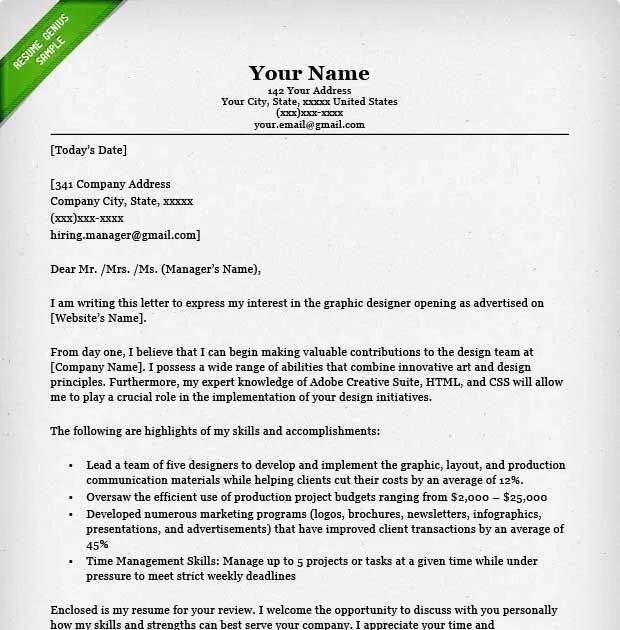
Submitting your artwork is an exciting venture, and a well-crafted cover letter can significantly increase your chances of success. This comprehensive guide will walk you through the essential steps of creating a compelling cover letter that grabs attention and showcases your artistic talent. Whether you’re submitting to a gallery, a competition, or a grant, this guide provides valuable insights to help you make a lasting impression.
What is an Art Submission Cover Letter
An art submission cover letter is a formal document that accompanies your artwork when you submit it to a gallery, exhibition, competition, or grant. It serves as your introduction to the recipient, providing context about your work, your artistic background, and your reasons for submitting. Think of it as your personal pitch, designed to captivate the reader and encourage them to explore your art further. A well-written cover letter can differentiate you from other artists and increase your chances of getting noticed.
Why Is a Cover Letter Important
The cover letter is more than just a formality; it’s a crucial element in the art submission process. It allows you to communicate directly with the recipient, providing valuable insights into your artistic vision and the story behind your work. It also demonstrates your professionalism, attention to detail, and genuine interest in the opportunity. A cover letter provides context to your artwork and helps the recipient understand your artistic journey, making your submission more compelling and memorable. A well-written letter enhances the impact of your artwork.
Key Components of a Successful Cover Letter

A successful cover letter is concise, informative, and tailored to the specific opportunity. It should include several key components, each playing a vital role in conveying your message effectively. By incorporating these elements, you can create a cover letter that captures attention and highlights your unique artistic perspective. Let’s explore the essential parts of a winning art submission cover letter.
Your Contact Information
Begin your cover letter with your full name, address, phone number, and email address. This information should be clearly displayed at the top of the letter, ensuring that the recipient can easily contact you. Make sure your contact information is current and professional. Double-check for any typos or errors to avoid miscommunication. This section helps ensure the recipient can reach you quickly and efficiently.
Date and Recipient Information
Below your contact information, include the date and the recipient’s details. This usually includes the name of the gallery, exhibition, or organization, along with the name and title of the contact person if known. If you don’t know the specific person to address, research the organization to find the relevant contact or use a general title like ‘Selection Committee’ or ‘Curator’. The correct formatting shows that you have researched the gallery/organisation and are serious about your submission.
Salutation

Use a professional salutation. If you know the recipient’s name, address them as ‘Dear Mr./Ms./Mx. [Last Name]’. If you don’t know the name, use a general salutation like ‘Dear Selection Committee’ or ‘To Whom It May Concern’. Avoid informal greetings like ‘Hey’ or ‘Hello’. A professional salutation sets a respectful tone from the beginning and shows your attention to detail.
A Compelling Opening
Start your cover letter with an engaging opening. Clearly state the purpose of your letter and the specific opportunity you’re applying for. Briefly mention how you learned about the opportunity and express your enthusiasm. This opening sets the stage for the rest of your letter and captures the reader’s interest from the start. Avoid generic openings and instead, create a personalized introduction that reflects your passion for your work.
Express Your Interest
In a concise paragraph, express your interest in the opportunity. Explain why you’re drawn to this particular gallery, exhibition, or competition. Research the gallery or organization beforehand and mention specific aspects that resonate with your work or artistic values. Demonstrating genuine interest shows the recipient that you have taken the time to understand their mission and are genuinely excited about the prospect of being involved.
Highlight Your Artwork

Provide a brief description of your artwork. Mention the medium, subject matter, and any unique features or techniques used. Highlight the key themes or concepts that your work explores. Don’t overload the reader with too many details. Instead, aim to capture their interest and encourage them to look at your portfolio or the included images of your work. Focus on what makes your art unique and compelling.
Mention Exhibition or Submission Details
If you are submitting your work to an exhibition or a specific call for art, make sure to include relevant details. Mention the title of the exhibition, the specific pieces you are submitting, and any related information. Clarify how many pieces you are submitting and the sizes of the artwork. Be specific and follow the submission guidelines to demonstrate that you are serious about the opportunity and pay attention to detail. This shows your professionalism and that you have followed the rules.
Showcase Your Skills and Experience
Include a brief summary of your artistic background. Highlight your relevant skills, experience, and any notable achievements, such as previous exhibitions, awards, or publications. Tailor this section to the specific opportunity. For instance, if the exhibition focuses on a particular art style, highlight your experience in that style. Keep it concise and focus on information that supports your application. This section is where you can demonstrate your credentials and how you stand out.
Closing and Call to Action

End your letter with a strong closing. Thank the recipient for their time and consideration. Reiterate your enthusiasm for the opportunity and express your willingness to provide more information or clarification if needed. Include a clear call to action, such as ‘I look forward to hearing from you’ or ‘Thank you for considering my work’. This ensures that the recipient knows what to expect next and what steps you have taken. It also showcases your professionalism and confidence in your artwork.
Professional Closing
Use a professional closing, such as ‘Sincerely,’ ‘Best regards,’ or ‘Thank you’. Avoid informal closings like ‘Cheers’ or ‘See you soon’. Follow your closing with your typed name and signature (if submitting a physical letter). Make sure that the tone of your closing matches the tone of the entire letter. A professional closing adds polish and reinforces your serious approach to the submission.
Reviewing and Editing Your Letter
Before submitting your cover letter, take time to review and edit it thoroughly. This step is essential to ensure your letter is polished, error-free, and presents you in the best possible light. Reviewing allows you to catch any mistakes and refine your message.
Proofread Carefully

Proofread your cover letter multiple times. Check for any spelling, grammar, punctuation, and formatting errors. Read the letter aloud to catch any awkward phrasing or sentence structure issues. Use a spell-checker and grammar-checker, but don’t rely on them entirely. A fresh pair of eyes can often spot errors that you may miss. Proofreading ensures that your professionalism is communicated through the cover letter.
Seek Feedback
Ask a friend, mentor, or fellow artist to review your cover letter. They can provide valuable feedback on clarity, tone, and overall effectiveness. Ask them to check for any areas that are unclear or could be improved. A fresh perspective can help you refine your letter and make a stronger impression. Getting feedback ensures your letter is as impactful as possible.
Tailoring Your Cover Letter
Customizing your cover letter is crucial for making a positive impact. Generic letters often fail to resonate with the recipient, while tailored letters demonstrate that you have taken the time to understand the specific opportunity and how your artwork aligns with its goals.
Customization is Key

Always tailor your cover letter to each specific submission. Research the gallery, exhibition, or competition. Highlight how your work aligns with their mission, themes, or aesthetic. Mention specific pieces of artwork that fit the opportunity. Demonstrating that you understand the recipient’s needs and are a good fit significantly increases your chances of success. Personalization shows you have taken the time to think about the recipient’s needs.
Cover Letter Templates and Examples
Several cover letter templates and examples are available online to help you get started. However, use these as a guide only. Remember to customize the templates to reflect your unique voice and artwork. Use examples as inspiration, but always ensure that the final product is original and tailored to your needs. By following these guidelines, you can craft a compelling cover letter that enhances your art submissions and increases your chances of success.
Creating a winning cover letter is a strategic investment in your artistic journey. By following these guidelines, you can make a lasting impression and increase your chances of success. Crafting a great cover letter shows you are a professional and an artist ready to succeed.