Understand the Importance of Cover Letter Closings
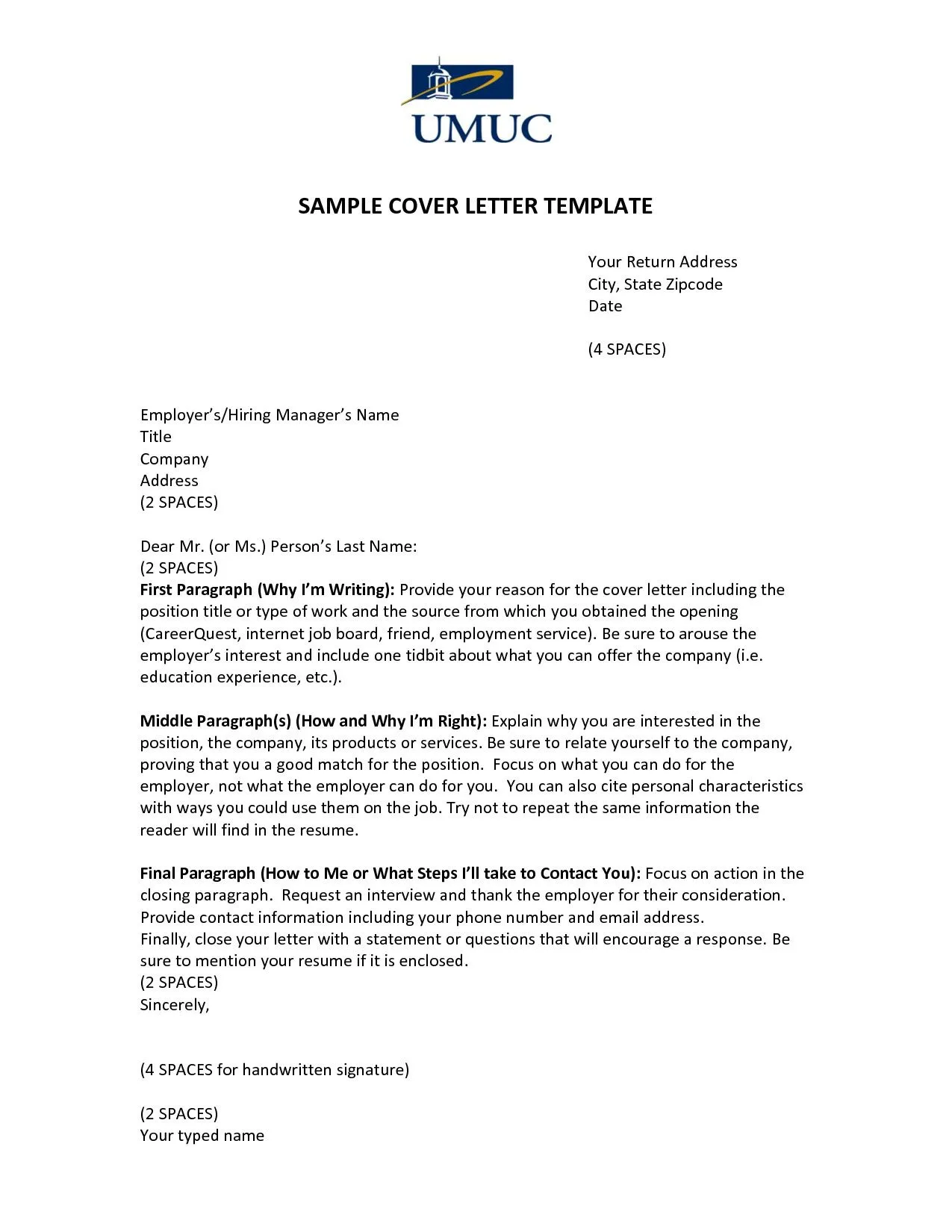
The closing paragraph of your cover letter is more than just a formality it’s a critical opportunity to leave a lasting positive impression on the hiring manager. It’s the final piece of the puzzle that ties together your entire application, summarizing your key qualifications and expressing your genuine interest in the position. A well-crafted closing can significantly increase your chances of getting an interview, while a weak or generic one can undermine all the effort you’ve put into the rest of your letter. This final paragraph is your last chance to reiterate your value, demonstrate your enthusiasm, and prompt the reader to take the next step – contacting you.
Why the Closing Matters
In the competitive job market, every detail counts. The closing paragraph demonstrates your attention to detail, your understanding of professional communication, and your genuine interest in the role. It reinforces your key qualifications and leaves the reader with a clear understanding of what you can bring to the table. A strong closing ensures that your application stands out, encourages the hiring manager to remember you, and motivates them to take action – namely, to contact you for an interview. Furthermore, a well-written closing paragraph proves that you understand the importance of leaving a positive, memorable impression.
Common Mistakes to Avoid

Several common mistakes can weaken your cover letter closing and diminish your chances of success. Avoid generic phrases like ‘Thank you for your time and consideration’ as they lack impact. Don’t simply restate your resume; instead, highlight a specific accomplishment or skill that aligns with the job requirements. Do not include irrelevant information or information that has been mentioned earlier. Also, a closing paragraph that’s too long or rambling is as bad as one that is too short or that contains typos and grammatical errors. Always tailor your closing to the specific job and company, and proofread carefully before sending your application.
Key Elements of an Effective Cover Letter Closing
A strong closing paragraph should incorporate several key elements to maximize its impact. It should reaffirm your interest in the position and the company, summarizing your key qualifications. It must clearly state your value proposition, explaining how you can contribute to the company’s success. The closing should also include a call to action, guiding the reader on how to proceed next. Lastly, provide your contact information, making it easy for the hiring manager to get in touch with you. Each element plays a crucial role in ensuring your application is noticed and makes you a serious candidate.
Reiterate Your Interest and Enthusiasm
Begin by reiterating your strong interest in the role and the company. This shows that you are genuinely excited about the opportunity and have a deep interest. Expressing enthusiasm is key to leaving a positive, memorable impression. This can be achieved by mentioning a specific aspect of the company or the role that excites you. For example, you could state that you are eager to contribute your skills to a specific project or to be part of the company’s innovative culture. This level of detail shows that you have done your research and are truly invested in the opportunity.
Mention Your Value Proposition

Briefly restate your key qualifications and how they align with the job requirements. This is your chance to remind the hiring manager of the value you bring to the table. Highlight a specific skill or accomplishment that directly addresses a need outlined in the job description. This targeted approach demonstrates that you understand the company’s challenges and are prepared to contribute meaningfully. For example, instead of simply saying ‘I have strong communication skills,’ you could say, ‘My experience in [specific achievement] demonstrates my ability to effectively communicate with clients and stakeholders, skills that align with your company’s need to improve customer relations’.
Call to Action Strategies
Include a clear call to action that prompts the hiring manager to the next step. This is a direct instruction. It should encourage them to contact you for an interview. This can be done by asking, ‘I am eager to discuss how my skills can benefit your team,’ or ‘I am available for an interview at your earliest convenience.’ A well-defined call to action gives the reader a clear direction and increases your chances of moving forward in the hiring process.
Request an Interview or Follow-Up
Clearly state your availability and willingness to discuss your qualifications further. This can be phrased in a variety of ways, but the goal is to indicate your eagerness to be considered for an interview. Instead of a generic phrase, make it specific to show your understanding of the process. For instance, ‘I am available for an interview next week and welcome the opportunity to discuss my qualifications in more detail.’ This proactive approach signals your commitment to the job and makes it easier for the hiring manager to take the next step.
Provide Contact Information

Ensure your contact information is readily available and easy to find. Include your phone number, email address, and LinkedIn profile URL (if applicable). This makes it easy for the hiring manager to reach out to you without searching through your resume or cover letter. Double-check all contact details for accuracy to avoid any missed opportunities. Make sure your email address is professional and reflects your full name or a professional variation of it. Also, ensure your voicemail is set up and ready to receive messages.
Different Closing Paragraph Examples
Formal Closings
Formal closings are appropriate for more traditional industries and when addressing a hiring manager you don’t know well. They often use more formal language. For example, ‘Thank you for your time and consideration. I am eager to discuss how my skills align with the needs of your company. I am available for an interview at your earliest convenience.’ You can also use phrases such as ‘Sincerely’ or ‘Respectfully,’ followed by your name. The goal is to maintain a professional tone and show respect for the hiring manager and the company’s protocol.
Semi-Formal Closings

Semi-formal closings offer a balance between professionalism and approachability. They are ideal for most situations. An example of this could be ‘I am very excited about the opportunity to contribute to your team. My experience in [specific achievement] has prepared me to excel in this role. I welcome the chance to discuss my qualifications further.’ Close with ‘Best regards’ or ‘Sincerely’, or ‘Thank you’. These types of closings show enthusiasm while maintaining a professional level of courtesy.
Enthusiastic Closings
Enthusiastic closings are best suited for companies with a more casual or creative culture. These closings aim to show a high level of interest and excitement. An example of this type of closing is ‘I am incredibly enthusiastic about the prospect of joining your team and am confident I can make a significant contribution. I look forward to hearing from you soon.’ End with ‘Warmly,’ ‘Sincerely,’ or another friendly closing, followed by your name. Make sure this tone fits the company’s brand; otherwise, it may come across as unprofessional.
Tailoring Your Closing to the Job
Always customize your closing paragraph to match the specific job and company. A generic closing can make you appear less invested. Tailoring your closing demonstrates that you have thoroughly researched the company and understand the job requirements. This personalized approach can significantly increase your chances of getting an interview. Adapt your language, tone, and the details you highlight to align with the company’s culture and the expectations of the role. This attention to detail can set you apart from other candidates.
Research the Company and the Role

Before writing your closing, research the company’s mission, values, and recent achievements. Understand the specific requirements and responsibilities of the role. Look for keywords and phrases in the job description that you can incorporate into your closing. Visit the company’s website, social media profiles, and any relevant industry news to learn more about the organization. Doing this will help you demonstrate your genuine interest and tailor your closing to the company’s specific needs and culture. Mentioning a specific project or initiative that aligns with your skills is a great way to show you have researched the company.
Match the Tone of the Job Description
Pay attention to the tone of the job description and the overall style of communication used by the company. If the job description is formal and professional, maintain a similar tone in your closing. If the company’s brand is more casual and friendly, you can adopt a more enthusiastic and approachable style. This helps you align your application with the company culture and shows that you can adapt to different communication styles. Ensure that your closing paragraph reflects the same level of professionalism and tone that is present throughout the rest of your cover letter and resume.
Proofread and Edit Your Closing
Always proofread and edit your closing paragraph carefully to eliminate any errors in grammar, spelling, or punctuation. Mistakes can undermine your credibility and make you appear less professional. Read your closing aloud to catch any awkward phrasing or unclear sentences. Consider asking a friend or career advisor to review your cover letter for feedback. Ensure that your closing is concise, impactful, and free from errors. This is your final opportunity to make a strong impression; make sure it counts.