What is a Cover Letter
A cover letter is a crucial document that accompanies your resume when applying for a job. It serves as an introduction to the hiring manager, providing a personalized overview of your skills, experiences, and why you’re a good fit for the specific role. Unlike your resume, which is a factual account of your work history, a cover letter allows you to showcase your personality, enthusiasm, and communication skills. It’s your opportunity to make a strong first impression and demonstrate your genuine interest in the position and the company. A well-written cover letter can significantly increase your chances of getting an interview, making it an essential part of any job application.
Why Are Cover Letters Important
Cover letters are important for several reasons. Firstly, they allow you to personalize your application and tailor it to the specific job and company. This demonstrates that you’ve done your research and are genuinely interested in the opportunity. Secondly, they provide context to your resume. You can elaborate on specific achievements, explain gaps in your employment history, and highlight skills that are most relevant to the role. Thirdly, a cover letter showcases your writing and communication skills, which are crucial for most professional positions. It allows you to present yourself in a more engaging and compelling manner than a resume alone. Finally, a well-crafted cover letter can set you apart from other candidates and significantly increase your chances of securing an interview.
Cover Letter Structure The Basics

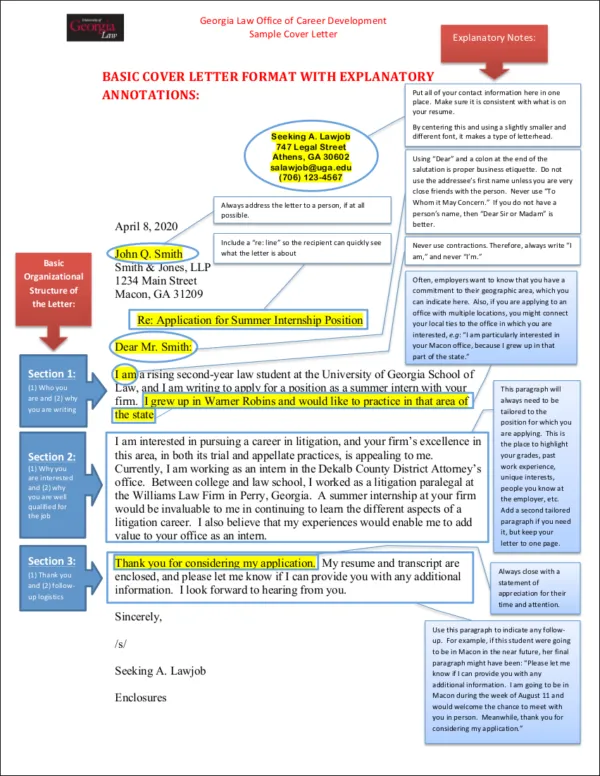
A cover letter follows a standard structure, which includes several key sections. Understanding this structure is essential for creating a clear, concise, and effective cover letter. Following a structured approach ensures you include all the necessary information and present it in a logical order. Each section plays a vital role in conveying your qualifications and interest to the hiring manager. The basic structure is designed to grab the reader’s attention, provide relevant information, and ultimately, convince them to learn more about you. Let’s explore each of these fundamental components to help you build a strong cover letter.
Contact Information Section
The contact information section is typically placed at the top of your cover letter. It should include your full name, address, phone number, and email address. This information allows the hiring manager to easily contact you if they are interested in your application. Ensure that your contact details are accurate and up-to-date. It’s also a good practice to use a professional-sounding email address. Double-check everything to avoid any errors that could potentially lead to a missed opportunity. Correct contact information is the first step to getting your foot in the door.
Date Section
Immediately following your contact information, include the current date. This helps the recipient know when the letter was written. The date format should be consistent and professional (e.g., Month Day, Year). This section is straightforward but important for clarity and formality. It establishes the timeframe of your application, providing a simple yet necessary piece of information.
Recipient’s Information

Directly below the date, you should include the recipient’s information. This includes the hiring manager’s name (if known), their title, the company’s name, and the company’s address. Addressing the cover letter to a specific person is always preferred; it shows that you have taken the time to research the company and the role. If you cannot find the hiring manager’s name, use a general greeting like “Dear Hiring Manager.” Always double-check the spelling of the recipient’s name and the company’s details to ensure accuracy.
Greeting
The greeting sets the tone for your cover letter. The most common greeting is “Dear [Hiring Manager’s Name],” or, if you don’t know the name, “Dear Hiring Manager.” Avoid overly casual greetings. Your greeting should be professional and respectful. It’s the first thing the reader sees after the recipient’s information, so it’s critical to make a positive first impression with this simple element.
Body Paragraphs Crafting Your Message
The body paragraphs are the heart of your cover letter, where you make your case for why you’re the ideal candidate. These paragraphs allow you to showcase your skills, experiences, and enthusiasm in a compelling narrative. Each paragraph should serve a specific purpose, from grabbing the reader’s attention to summarizing your key qualifications. The overall goal is to present a clear, concise, and persuasive argument as to why you are the best fit for the job. Effectively structuring your body paragraphs is key to making a lasting impression.
First Paragraph Hook the Reader

The first paragraph should grab the reader’s attention and immediately state your purpose for writing. Mention the specific position you are applying for and where you saw the job posting. Briefly highlight your most relevant qualification or experience to immediately establish your connection to the role. This paragraph should be concise and engaging, setting the stage for the rest of your letter. The opening paragraph is your first opportunity to make an impact, so make sure to keep it clear, confident, and relevant to the job.
Middle Paragraphs Highlighting Skills
The middle paragraphs should expand on your key qualifications and experiences. Focus on the skills and achievements that are most relevant to the job description. Use specific examples to illustrate your accomplishments, quantifying them whenever possible. Instead of simply listing your responsibilities, explain how your contributions benefited your previous employers. Tailor these paragraphs to match the specific requirements of the job you are applying for. It’s essential to show, not just tell, by providing concrete examples of your abilities.
Final Paragraph Call to Action
The final paragraph should summarize your interest in the position and reiterate your qualifications. Reiterate your enthusiasm for the opportunity and the company. Include a clear call to action, such as expressing your availability for an interview. Thank the hiring manager for their time and consideration. Keep this paragraph brief but impactful, leaving a positive final impression. A strong closing paragraph will reinforce your suitability for the role and increase the chances of a positive response.
Closing and Signature

The closing is the final element of your cover letter. Use a professional closing such as “Sincerely,” “Best regards,” or “Respectfully.” Leave space for your signature if you are submitting a physical copy. If submitting electronically, you can simply type your name below the closing. Ensure the closing is consistent with the tone of your letter and reflects professionalism. The closing, along with your signature, provides the final touch of courtesy and formality.
Common Cover Letter Mistakes
Avoiding common cover letter mistakes is critical for making a positive impression. These errors can easily undermine your application and reduce your chances of getting an interview. Paying close attention to detail, proofreading carefully, and tailoring your letter to each job application are all essential steps. Avoiding these pitfalls can help you create a cover letter that effectively showcases your qualifications and increases your chances of success. Let’s delve into the main areas to watch out for.
Proofreading and Editing
One of the most common mistakes is failing to proofread and edit your cover letter thoroughly. Typos, grammatical errors, and spelling mistakes can make you look unprofessional and can make it difficult for the hiring manager to understand your message. Always proofread your cover letter multiple times and ask someone else to review it as well. Use a grammar checker to catch errors you might miss. Attention to detail is crucial, and a polished cover letter demonstrates your professionalism and attention to detail.
Formatting Errors

Poor formatting can also detract from your cover letter. Ensure that your letter is easy to read, with clear headings, proper spacing, and consistent fonts. Avoid using overly creative or distracting fonts. Keep the formatting simple and professional. Ensure that your letter is appropriately sized (typically one page) and neatly organized. A well-formatted cover letter shows that you respect the reader’s time and attention.
Tone and Language Pitfalls
The tone and language you use in your cover letter should be professional, confident, and enthusiastic. Avoid using slang, clichés, or overly casual language. Don’t be overly formal or stiff, either; strive for a tone that is professional yet engaging. Make sure your language is tailored to the company and the role. Tailor your cover letter to the specific job and company, using language that aligns with their values and culture. A thoughtful and well-written cover letter will communicate your professionalism and interest in the role.