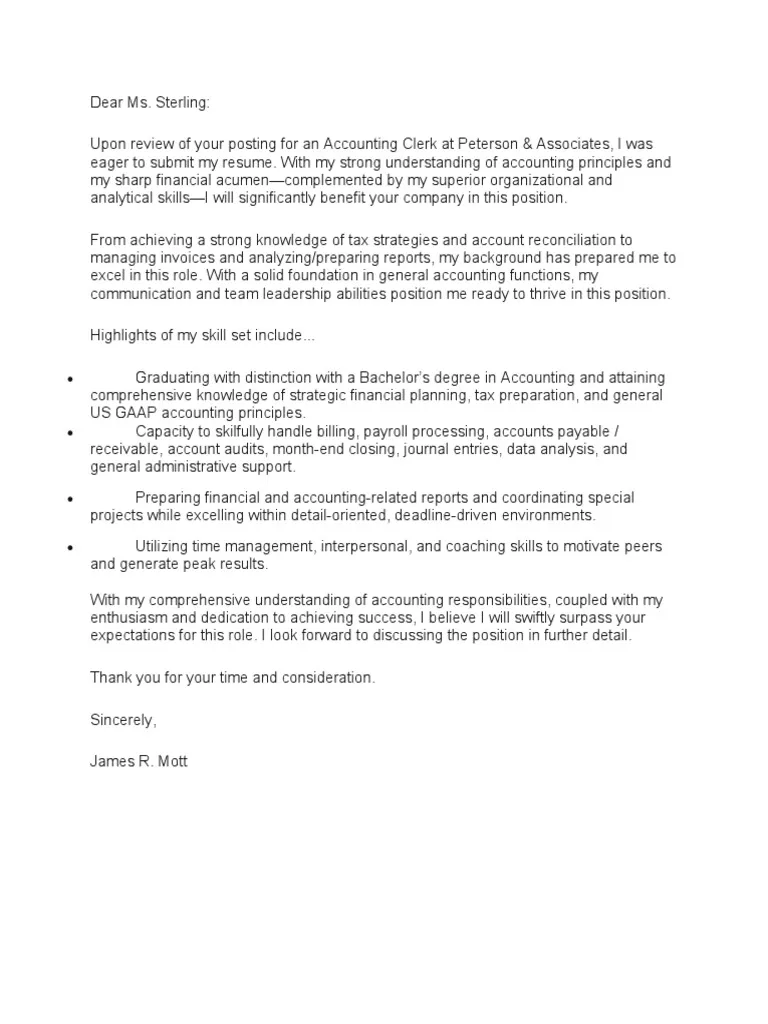
What is a Cover Letter
A cover letter is a crucial document that accompanies your resume when applying for a job. It serves as your introduction to a potential employer, providing a more detailed and personalized view of your qualifications and aspirations. Unlike a resume, which is a concise summary of your skills and experience, a cover letter allows you to elaborate on your achievements, explain why you’re interested in the specific role and company, and demonstrate your personality and communication skills. It’s your opportunity to make a strong first impression and persuade the hiring manager to read your resume and consider you for an interview. A well-crafted cover letter can significantly increase your chances of landing a job interview by highlighting your relevant skills and experiences.
Why Do You Need a Cover Letter
In today’s competitive job market, a cover letter is more than just a formality; it’s a strategic tool that can set you apart from other applicants. While a resume provides a snapshot of your qualifications, a cover letter allows you to connect your skills and experiences to the specific requirements of the job. It provides context, showing how your past roles and achievements align with the company’s needs and values. Many employers also use cover letters to assess your writing skills, attention to detail, and overall communication ability. It demonstrates your genuine interest in the position and the company. By addressing the hiring manager directly and expressing your enthusiasm, you make a stronger connection and signal that you’re a serious candidate. A compelling cover letter can transform a passive application into a proactive one, giving you a significant advantage in the hiring process.
Key Components of a Cover Letter

A well-structured cover letter typically includes several key components designed to showcase your qualifications and make a positive impression. These components work together to create a compelling narrative about why you are the right fit for the role. The first and most important component is the contact information, which includes your name, address, phone number, and email, followed by the recipient’s information. The opening paragraph should grab the reader’s attention and clearly state the position you are applying for, and how you found it. The body paragraphs should highlight your relevant skills and experiences, providing specific examples and quantifiable achievements to support your claims. Finally, the closing paragraph should reiterate your interest, thank the reader for their time, and include a call to action. A well-crafted cover letter should not only be well-written but should also be carefully customized to the specific job and company.
Contact Information (Your and the Recipient)
The contact information is the first thing that a hiring manager will see, so it’s essential to get it right. Your information should be at the top left or right corner of the page and include your full name, address, phone number, and a professional-looking email address. Ensure that your email is easy to read and contains your name to avoid any misinterpretations. Include the date you are submitting the letter, followed by the recipient’s details. If you know the hiring manager’s name, use it. If not, you can use the job title or the name of the department. Always double-check the spelling and formatting of both your and the recipient’s information to ensure accuracy. Providing accurate and clear contact information not only allows the hiring manager to contact you easily but also demonstrates your attention to detail and professionalism, which are crucial for job applications.
Professional Header Tips
The header of your cover letter sets the tone for the entire document, so it should be clean, professional, and easy to read. Use a simple font like Arial or Times New Roman, and a font size between 10 and 12 points. Ensure that your name, address, phone number, and email are clearly visible, without any distracting formatting. Keep the header concise, avoiding unnecessary graphics or logos unless specifically requested by the employer. Use consistent formatting throughout the header, and consider using a simple, professional template to make it easy to maintain. Your header is the first impression; make sure it reflects your professionalism and attention to detail. By ensuring the header is properly formatted, you present yourself as an organized and detail-oriented candidate, and this can set the stage for a positive assessment of your overall application.
Formatting Your Cover Letter

Formatting is a crucial aspect of a cover letter, as it affects readability and professionalism. Start by setting the margins to one inch on all sides. This provides ample space for the text and prevents a cramped appearance. Use single spacing within paragraphs and double spacing between paragraphs to improve clarity. The alignment of your cover letter should be left-aligned, with a ragged right edge. Avoid justifying the text, as it can create awkward spacing. If you are submitting a digital cover letter, choose a professional font like Times New Roman, Arial, or Calibri, with a font size between 10 and 12 points. Keep the font consistent throughout the letter, and avoid using multiple fonts, which can make your letter look cluttered. Proofread your document carefully to ensure that there are no errors in formatting or grammar. Correct formatting ensures that the content is easily accessible to the reader and highlights your professional presentation.
Proper Font and Size
The choice of font and size significantly impacts the readability and overall appearance of your cover letter. The standard practice is to use a professional font like Times New Roman, Arial, or Calibri, as they are easy to read and widely accepted in professional settings. The font size should be between 10 and 12 points. This ensures that your cover letter is legible without appearing too large or too small. Avoid using unusual or overly decorative fonts, as they can distract the reader and make it difficult to focus on your qualifications. Keep the font consistent throughout the document to maintain a clean and professional look. Use bolding or italics sparingly, and only to emphasize important points. Proper font and size enhance the readability of your cover letter, making it easier for the hiring manager to understand your message and appreciate your qualifications.
Structuring the Body of Your Cover Letter
The body of your cover letter should be structured logically to present your qualifications effectively. It typically consists of three to four paragraphs, each serving a specific purpose. The opening paragraph should grab the reader’s attention and clearly state the position you are applying for, and how you found it. The following paragraphs should highlight your relevant skills and experiences, providing specific examples to support your claims. Quantify your achievements whenever possible to demonstrate your impact and value. Customize the content for the specific job by aligning your skills and experiences with the job description’s requirements. Conclude with a strong closing paragraph, reiterating your interest in the position, thanking the reader for their time, and including a call to action, such as expressing your availability for an interview. The structure enables you to present a clear, focused, and compelling narrative that highlights your qualifications and encourages the hiring manager to consider your application.
Opening Paragraph Making a Strong First Impression

The opening paragraph is your chance to make a strong first impression, and it should immediately capture the reader’s attention. Begin by stating the position you are applying for and where you found the job posting. Briefly mention why you are interested in the position and the company. Avoid generic greetings and phrases like ‘I am writing to apply.’ Instead, try to show your enthusiasm and make your interest clear from the start. Consider mentioning a specific achievement or skill that aligns with the job requirements. By showcasing your understanding of the company’s needs, you can make it clear that you have put some thought into the application. Use a professional and confident tone to convey your qualifications and excitement. The opening paragraph is crucial for setting the stage for your entire cover letter; it should be clear, concise, and engaging, encouraging the reader to continue reading and learn more about your qualifications and motivation.
Highlighting Your Skills and Experiences
The body of your cover letter is the space to highlight your skills and experiences, showing how you are the perfect fit for the role. Focus on skills and experiences that directly relate to the job requirements, and provide specific examples to support your claims. Use keywords from the job description to tailor your letter and demonstrate that you understand the role and the company’s needs. When describing your experiences, focus on what you accomplished and how you made an impact in previous roles. Quantify your achievements whenever possible by providing specific numbers or metrics to demonstrate the value you brought to previous employers. By tailoring your letter to the job and highlighting your relevant skills and experiences, you increase the chances of making a compelling case for why you should be considered for an interview. Highlighting your skills and experiences demonstrates that you have the qualifications needed to excel in the role.
Quantifying Your Achievements
Quantifying your achievements is a powerful way to make your cover letter more impactful and demonstrate the value you bring to a company. Instead of simply stating what you did in previous roles, provide specific numbers, percentages, or data points to show the results you achieved. For example, if you increased sales, mention the percentage increase and the timeframe. If you improved efficiency, quantify the time or resources saved. Use metrics to showcase the measurable impact of your work. These achievements can include increases in revenue, cost savings, successful project completions, or improved customer satisfaction. By quantifying your accomplishments, you provide concrete evidence of your abilities and create a compelling case for why you should be considered for the job. Quantifiable results make your cover letter more persuasive and make it easier for the hiring manager to understand the value you can bring to the role.
Tailoring Your Cover Letter for the Job

Tailoring your cover letter for each job application is essential to demonstrate your genuine interest and relevance. Start by carefully reviewing the job description, noting the key skills, experiences, and qualifications the employer is seeking. Use this information to customize your cover letter, highlighting how your skills and experiences align with the job requirements. Don’t just list your qualifications; provide specific examples of how you’ve used those skills in the past and the results you achieved. Research the company and its values to understand its culture and what it values in its employees. Show that you understand the company’s goals and how you can contribute to their success. Using keywords from the job description helps ensure that your cover letter gets noticed by applicant tracking systems and hiring managers. By tailoring your cover letter, you show the employer that you are a serious candidate who has taken the time to understand the role and the company.
Closing Paragraph Making Your Call to Action
The closing paragraph is your last chance to leave a lasting impression and should include a call to action. Reiterate your interest in the position and the company, and summarize why you are a strong candidate. Thank the hiring manager for their time and consideration. Express your availability for an interview and provide your contact information again, just to ensure that the hiring manager has the necessary information to contact you easily. You might mention that you look forward to discussing your qualifications further. End with a professional closing, such as ‘Sincerely’ or ‘Best regards,’ followed by your name. By including a call to action, you encourage the hiring manager to take the next step and make your application stand out. The closing paragraph should leave a positive impression and make it easy for the hiring manager to contact you to discuss your application further.
Proofreading and Editing Your Cover Letter
Proofreading and editing your cover letter is an essential step to ensure that it is free of errors and presents you in the best possible light. Thoroughly review your cover letter for any grammatical errors, typos, or spelling mistakes. Even minor errors can detract from your professionalism and credibility. Pay attention to the overall flow and clarity of your writing, ensuring that your message is easy to understand. Use a grammar checker, but do not rely on it completely. The best method is to read your cover letter aloud to catch any awkward phrasing or mistakes. Consider having someone else review your cover letter for a fresh perspective. They can help you identify any areas that might be unclear or need improvement. Proofreading ensures that your cover letter reflects your attention to detail and professionalism, which is essential in making a positive impression on the hiring manager. Correct and well-written cover letters indicate that you are serious about your application and value precision.
Common Cover Letter Mistakes to Avoid

Avoiding common cover letter mistakes is crucial to ensure your application stands out for the right reasons. Avoid generic cover letters. Tailor your letter to each specific job and company. Do not repeat your resume verbatim. The cover letter should elaborate on your resume, providing context and showcasing your personality and writing skills. Avoid grammatical errors, typos, and spelling mistakes. Proofread carefully and consider asking someone else to review your cover letter. Avoid using overly formal or informal language. Keep a professional tone throughout the document. Do not focus solely on what you want. Emphasize what you can offer the company and how your skills and experiences align with their needs. Avoid negative statements or complaints about previous employers or jobs. The goal is to present a positive and professional image. By avoiding common mistakes, you demonstrate attention to detail and professionalism, which can significantly improve your chances of getting the job.
Using Action Verbs to Showcase Your Accomplishments
Using action verbs is a powerful way to showcase your accomplishments and make your cover letter more engaging. Action verbs add energy and impact to your writing, illustrating what you achieved in your previous roles. Instead of writing passive statements like ‘responsible for,’ use active verbs like ‘managed,’ ’led,’ ‘developed,’ or ‘implemented.’ These verbs help demonstrate your initiative and capabilities. When describing your accomplishments, use specific action verbs relevant to the job and industry. Start each bullet point with a strong action verb to immediately grab the reader’s attention and draw them into your achievements. By incorporating action verbs, your cover letter becomes more dynamic and compelling, making it easier for the hiring manager to understand your contributions and recognize your potential. Consistent use of action verbs reinforces the value you brought to your previous employers and encourages the reader to consider your application further.
Cover Letter Examples to Inspire You
Reviewing cover letter examples can provide valuable insights and help you create a compelling cover letter. There are many resources available online that offer different cover letter templates and examples, tailored to various industries and job types. When reviewing examples, pay attention to how the authors structure their letters, highlight their skills, and quantify their achievements. Note how they use action verbs to describe their accomplishments and tailor their letters to the specific job descriptions. Use these examples as inspiration, but don’t copy them directly. Customize them to reflect your unique experiences and qualifications. Make sure the format is appropriate for the job you are applying for, and focus on the specific skills and experiences that are most relevant. Use the examples to get ideas, understand best practices, and gain confidence in your ability to write a strong cover letter. Analyzing the examples will help you produce an effective cover letter that is uniquely yours.
How to Customize Your Cover Letter

Customizing your cover letter for each job application is a key step to make your application stand out. You will want to start by carefully reviewing the job description and identifying the specific requirements, skills, and experiences. Use these keywords and phrases to tailor your cover letter, demonstrating that you meet their needs. Highlight your relevant skills and experiences, and provide specific examples to show how you have used those skills in the past and the results you achieved. Tailor the tone of your cover letter to match the company culture, ensuring it is professional and reflects your understanding of their values. Research the company and its mission statement, and express your interest in their work and how you can contribute to their success. By customizing your cover letter for each application, you show your understanding of the role and the company. This will increase your chances of getting an interview and standing out from other applicants.
Final Thoughts and Next Steps
Writing an effective cover letter is an important part of your job search and a key factor in landing interviews. By following the guidelines, customizing your letter, and taking the time to proofread and edit, you will be able to present yourself in the best possible light. Remember to focus on your skills and experiences, tailor your letter to the specific job, and quantify your achievements. Use action verbs and a professional tone. After you have completed your cover letter, review it carefully and make sure it is free of errors. Then, when you submit your application, ensure that your cover letter, resume, and other materials are organized. With a well-crafted cover letter, you can demonstrate that you are the right candidate and increase your chances of landing the job. Always tailor your cover letter to each specific role, and use your strengths to convey your value to the company. Good luck with your job search!