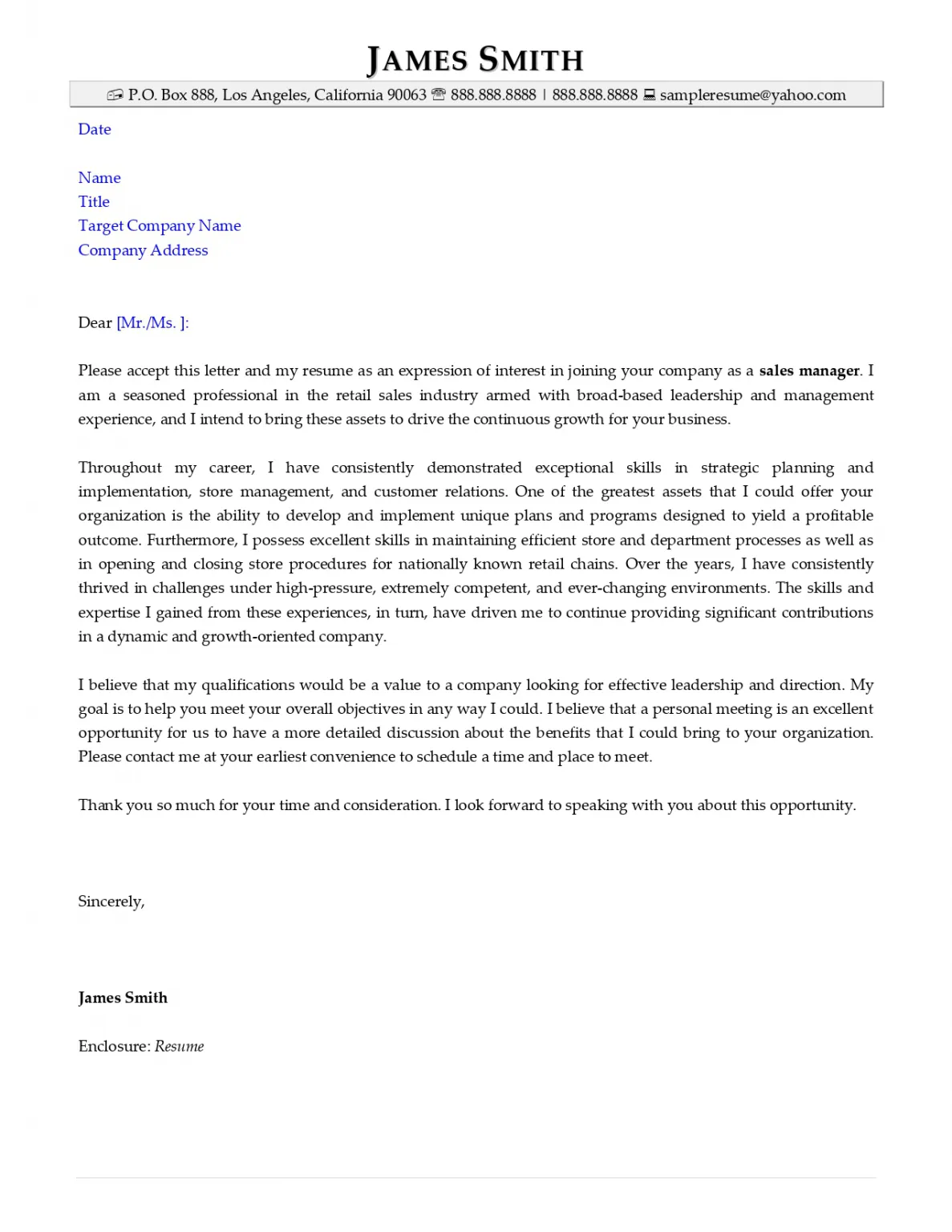
Cover Letter Basics: Understanding the Importance
A cover letter is more than just a formality; it’s your chance to make a strong first impression and persuade a potential employer to read your resume. Think of it as your personal introduction, where you can highlight your most relevant skills, experiences, and enthusiasm for the specific job. It is a crucial document in the job application process. A well-crafted cover letter can significantly increase your chances of getting noticed and landing an interview. Unlike a resume, which provides a factual overview of your qualifications, a cover letter allows you to tell a story, showcasing your personality and explaining why you’re the perfect fit for the role and the company.
Why Cover Letters Matter in Job Applications
In a competitive job market, a cover letter can set you apart from other candidates. It allows you to elaborate on your resume, providing context and demonstrating your genuine interest in the position. Many hiring managers read cover letters first to gauge a candidate’s communication skills, attention to detail, and overall suitability. A compelling cover letter can compensate for a lack of experience in certain areas, showcasing your transferable skills and eagerness to learn. It also provides an opportunity to address any gaps in your employment history or explain why you’re changing careers. By tailoring your letter to the specific job and company, you demonstrate that you’ve done your research and are truly invested in the opportunity.
Key Components of a Cover Letter

A well-structured cover letter follows a standard format, typically including your contact information, the date, the hiring manager’s information, a compelling opening, a middle section highlighting your qualifications, and a strong closing. Each component plays a critical role in conveying your message effectively. Knowing the key elements and how to craft them is crucial to writing a cover letter that grabs the reader’s attention and makes them want to know more about you. Remember that your cover letter should be concise, typically no more than one page. It should be clear, and professionally written, with a focus on the job and the employer’s needs. Let’s break down each component.
Your Contact Information & Date
At the top of your cover letter, include your full name, address, phone number, and email address. This information should be easily accessible. Also, include the date you are sending the letter. Ensure that your contact information is accurate and up-to-date. This allows the hiring manager to easily reach you if they are interested in your application. The date is crucial for tracking and helps the hiring manager understand when the letter was written. Consider using a professional-looking email address. Avoid using informal nicknames or outdated email providers.
Addressing the Hiring Manager
Addressing the hiring manager by name shows that you have taken the time to research the company and the specific job opening. Whenever possible, find out the name of the hiring manager or the person responsible for reviewing applications. You can usually find this information on the company’s website, LinkedIn, or the job posting itself. If you can’t find a name, use a professional salutation, such as ‘Dear Hiring Manager’ or ‘Dear [Department Name] Team.’ Avoid generic greetings like ‘To Whom It May Concern,’ which can make your letter seem impersonal and less likely to stand out. Researching the hiring manager’s name will help your application stand out.
Opening Paragraph The Hook

The opening paragraph is your first chance to grab the reader’s attention. Start with a strong statement that immediately conveys your interest in the position and the company. Briefly mention where you saw the job posting and why you are interested in the role. State your specific goals from the beginning, and don’t be afraid to be direct. Use a captivating hook to encourage the reader to continue reading. Keep it concise, clear, and focused on the value you can bring. This is your opportunity to capture their interest and set the tone for the rest of the letter. Express your enthusiasm and highlight a key skill or experience that aligns with the job requirements. Make sure to tailor your opening to each job application.
Highlighting Your Skills and Experience
The body of your cover letter is where you highlight your relevant skills and experience. Focus on the key requirements outlined in the job description and provide specific examples of how you have demonstrated those skills in the past. Tailor your letter to each job application by carefully reviewing the job posting and identifying the skills and experiences that the employer values most. Use action verbs to describe your accomplishments and quantify your achievements whenever possible. Instead of simply listing your responsibilities, explain how you made a positive impact in previous roles. Focus on what you achieved in previous roles. Demonstrate your expertise and how your skills are transferable. This is where you provide the strongest evidence that you are a good fit for the job.
Tailoring Your Letter to the Job Description
Customizing your cover letter for each job application is essential. Generic cover letters are easily recognized and often discarded. Carefully review the job description and identify the key skills, experiences, and qualifications the employer is seeking. Then, tailor your letter to address these specific requirements. Use keywords from the job description throughout your letter. This helps the hiring manager quickly see that you meet the criteria. Provide specific examples of how your skills and experiences align with the job requirements. Show that you understand the company’s needs and are genuinely interested in the opportunity. Customize your letter to demonstrate that you are a good match for each particular job.
Quantifying Your Achievements

Whenever possible, quantify your achievements to demonstrate your impact in previous roles. Use numbers, percentages, and specific data to illustrate your accomplishments. Instead of saying, ‘Increased sales,’ say, ‘Increased sales by 15% in six months.’ Instead of, ‘Managed a team,’ say, ‘Managed a team of 10 employees, resulting in a 10% improvement in project efficiency.’ Quantifying your achievements gives the hiring manager a clear understanding of your value and the results you can deliver. It adds credibility to your claims and makes your letter more persuasive. Being specific and providing concrete examples will help you stand out from other applicants.
Showcasing Your Personality and Enthusiasm
While maintaining a professional tone, use your cover letter to showcase your personality and enthusiasm for the job and the company. Let your passion for the role shine through. Use a tone that reflects your genuine interest and excitement. This helps the hiring manager see you as a person, not just a list of qualifications. Briefly mention what you admire about the company or what excites you about the opportunity. This can be a good way to show that you have done your research and are genuinely interested in the company. It is a great way to humanize your application and make it more memorable.
Formatting Your Cover Letter for Readability
The format of your cover letter plays a significant role in its readability and overall impression. A well-formatted cover letter is easier to read and more likely to capture the hiring manager’s attention. Poor formatting can make your letter look unprofessional and difficult to understand. Pay attention to the details, such as font, spacing, and margins. By following these best practices, you can ensure your cover letter is easy to read and visually appealing.
Choosing the Right Font and Size

Select a professional and easy-to-read font, such as Times New Roman, Arial, Calibri, or Helvetica. Keep the font size between 10 and 12 points. Using a clear, standard font ensures that your letter is easy on the eyes. Avoid using overly decorative or unusual fonts, which can be distracting and make your letter look unprofessional. Choose a font size that is comfortable to read without being too small or too large. This can also help with how your letter is received by the reader. Ensure consistency throughout your letter by using the same font and size for all text.
Using White Space Effectively
Use white space to separate different sections of your cover letter and improve readability. Use single spacing within paragraphs and double spacing between paragraphs. Include one-inch margins on all sides of the page. Avoid large blocks of text; break up paragraphs into smaller, more digestible chunks. This will make it easier for the hiring manager to scan your letter and quickly find the information they need. The effective use of white space enhances the overall visual appeal of your letter and makes it more inviting to read. Proper formatting ensures your letter is clean and easy to read.
Proofreading and Editing Your Cover Letter
Before submitting your cover letter, carefully proofread and edit it to catch any errors. Typos, grammatical errors, and other mistakes can create a negative impression and undermine your credibility. Use spell check and grammar check tools, but don’t rely on them entirely. Read your letter aloud to catch any awkward phrasing or unclear sentences. Ask a friend or family member to review your letter. A fresh pair of eyes can often spot mistakes you might have missed. Take the time to revise and refine your letter until it is polished and error-free. The attention to detail is a crucial skill that employers look for.
Common Mistakes to Avoid

Avoid common mistakes that can hurt your chances of landing a job. Some mistakes can be easily avoided by taking the time to carefully review your cover letter. By avoiding these common pitfalls, you can significantly increase your chances of making a positive impression on the hiring manager. Ensure that your cover letter is professional, tailored, and error-free, and the right message is sent to the reader.
Generic Content and Lack of Personalization
Avoid using a generic cover letter that could be sent to any company or job. Customize your letter for each application, highlighting your skills and experiences that are most relevant to the specific job and company. Avoid copying and pasting content from other sources. Tailor your cover letter to showcase your understanding of the company’s needs and demonstrate your genuine interest in the opportunity. Generic cover letters show a lack of effort and may be immediately rejected. Demonstrating that you have taken the time to research the company and tailor your application can help you make a good impression.
Typos and Grammatical Errors
Typos and grammatical errors can make you appear unprofessional and careless. Before submitting your cover letter, carefully proofread it for any errors in spelling, grammar, and punctuation. Use spell check and grammar check tools, but also read your letter aloud to catch any awkward phrasing or unclear sentences. Ask a friend or family member to review your letter, as a fresh perspective can often spot errors that you might have missed. Ensure that your letter is polished and error-free before submitting it. Make sure your letter is well-written and professional.
Closing Your Cover Letter

The closing of your cover letter is your last chance to make a positive impression. Express your gratitude for the hiring manager’s time and consideration. Reiterate your interest in the position and the company. Include a call to action, such as inviting the hiring manager to contact you for an interview. The closing is crucial to end your letter on a positive note. The content must be professional, confident, and leave a lasting impression. Let’s look at the key components of a great closing.
Expressing Gratitude and Following Up
Start by expressing your gratitude for the hiring manager’s time and consideration. Thank them for reviewing your application. Restate your interest in the position and the company. Indicate that you are eager to discuss your qualifications further in an interview. Include a call to action, such as inviting the hiring manager to contact you. Provide your contact information again, including your phone number and email address. Close with a professional sign-off, such as ‘Sincerely’ or ‘Best regards,’ followed by your name. Follow up with a brief email or phone call a week or two after submitting your application to reiterate your interest. Your gratitude shows your appreciation for the opportunity and your professionalism.