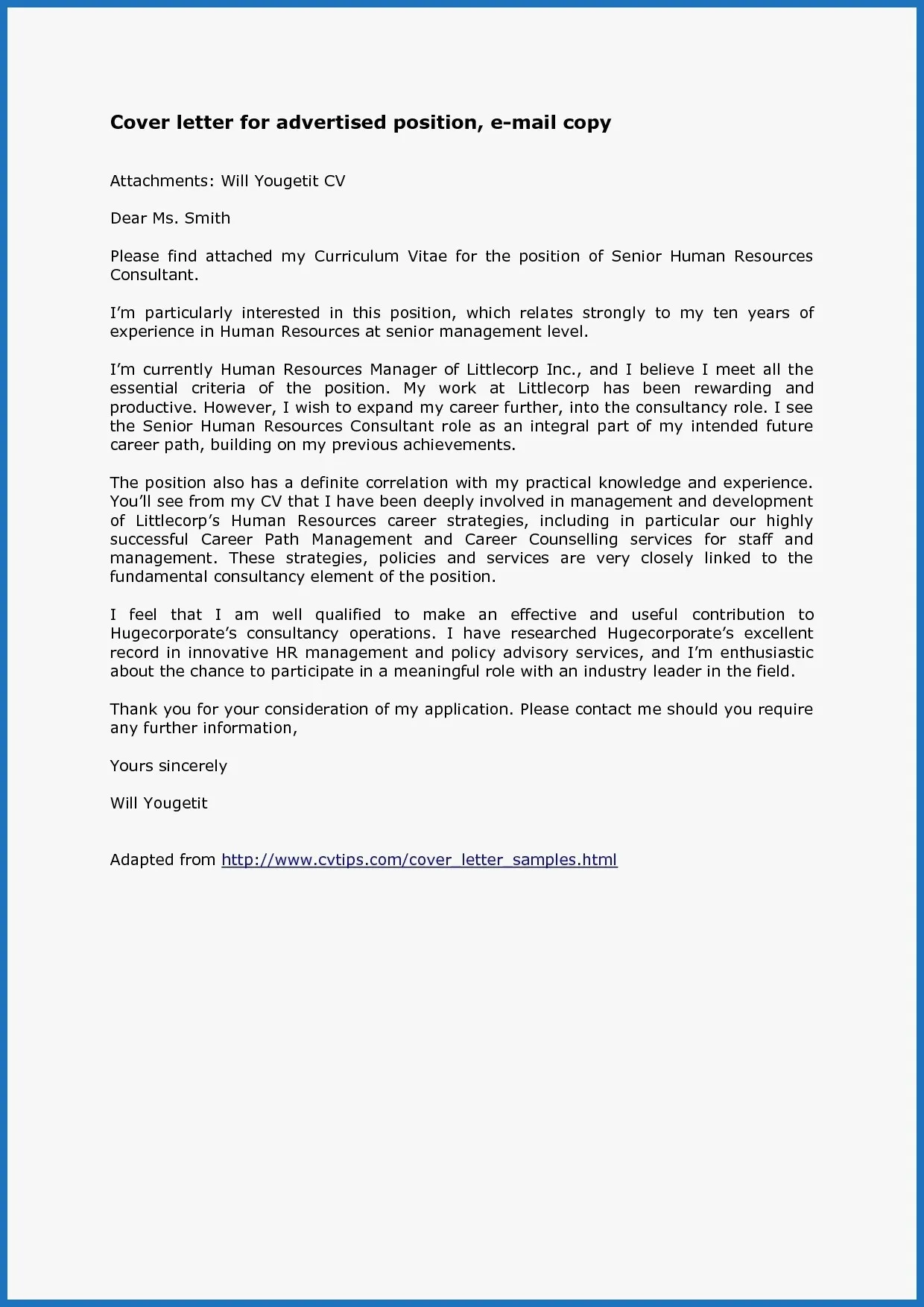
The Importance of a Cover Letter with Resume Attached
In the competitive landscape of job applications, a cover letter with a resume attached is your first chance to make a positive impression. It’s more than just a formality; it’s a strategic tool to showcase your personality, passion, and suitability for the role. Many applicants underestimate the power of a well-crafted cover letter, focusing solely on the resume. However, the cover letter allows you to provide context, connect your skills to the job requirements, and tell a compelling narrative that the resume alone cannot achieve. A strong cover letter can significantly increase your chances of getting noticed by the hiring manager and securing an interview.
Why a Cover Letter Matters
A cover letter serves as a personalized introduction, setting the stage for your application. It allows you to expand on your resume, providing a deeper understanding of your qualifications. The cover letter lets you address the specific requirements of the job and explain how your skills and experience align with the company’s needs. It’s your opportunity to demonstrate your understanding of the company, the industry, and the role, showing you’ve done your research and are genuinely interested. By using a cover letter, you can also clarify any gaps in your employment history or address specific concerns the employer might have.
Highlighting Your Skills and Experience

Your cover letter is where you can effectively translate your skills and experience into the context of the job description. Don’t just list your skills; demonstrate how you’ve used them to achieve results in previous roles. Use specific examples, quantifiable achievements, and action verbs to showcase your accomplishments. For instance, instead of saying ‘Managed projects,’ say ‘Successfully managed five cross-functional projects, delivering them on time and under budget, resulting in a 15% increase in efficiency.’ This level of detail helps the hiring manager understand the value you can bring to their organization.
Tailoring Your Cover Letter
Generic cover letters are easily recognizable and often discarded. To make a lasting impression, tailor each cover letter to the specific job and company. Research the company’s values, mission, and recent projects. Identify the key skills and experiences the employer is seeking, and highlight how you meet those requirements. Mention the specific challenges the company faces and how you can contribute to solutions. Tailoring your letter shows that you’re genuinely interested in the opportunity and have taken the time to understand the role and the company. This personalization significantly increases your chances of getting noticed.
Key Components of a Cover Letter with Resume
Your Contact Information

At the top of your cover letter, include your contact information: your full name, phone number, email address, and LinkedIn profile URL (if applicable). This information should be easily visible so the hiring manager can quickly contact you. Ensure your email address is professional and your voicemail message is set up and ready to receive calls. Double-check all contact details for accuracy to avoid any miscommunication. This professional presentation sets the right tone from the start.
The Salutation
Address the hiring manager by name whenever possible. Research the hiring manager’s name and title on LinkedIn or the company website. If you can’t find a specific name, use a professional salutation like ‘Dear Hiring Manager’ or ‘Dear [Department Name] Team.’ Avoid generic greetings such as ‘To Whom It May Concern,’ as these can make your letter seem impersonal. Proper salutations demonstrate that you’ve invested effort into your application and paid attention to detail.
Opening Paragraph
The opening paragraph is your hook. It should grab the reader’s attention immediately. State the position you’re applying for and where you found the job posting. Briefly mention why you’re interested in the role and the company, and then include a compelling statement about what you can offer. This could be a key skill, a past accomplishment, or your enthusiasm for the company’s mission. Keep the opening concise and impactful, making the reader want to learn more about you.
Body Paragraphs
The body paragraphs are the core of your cover letter. This is where you connect your skills and experiences to the job requirements. Discuss how your qualifications align with the key responsibilities outlined in the job description. Use specific examples to illustrate your accomplishments and demonstrate your ability to deliver results. Show how your skills have benefited previous employers and how they can benefit the target company. Focus on the value you can bring to the position and the organization. Use a confident and professional tone throughout.
Closing Paragraph
In your closing paragraph, reiterate your interest in the role and the company. Thank the hiring manager for their time and consideration. Clearly state your availability for an interview and indicate how they can reach you. End with a professional closing such as ‘Sincerely,’ ‘Best regards,’ or ‘Thank you.’ Avoid overly casual or informal closings. Proofread the entire letter once more to ensure a polished and professional final impression.
Formatting Your Cover Letter
Font and Font Size

Choose a professional and easy-to-read font such as Times New Roman, Arial, or Calibri. Use a font size between 10 and 12 points. Ensure your font is consistent throughout the document. A clean and readable font makes the document more accessible and demonstrates attention to detail. Avoid using overly decorative or unusual fonts, as they can be distracting.
Margins and Spacing
Set consistent margins of 1 inch on all sides of your cover letter. Use single-spacing for the body of your letter and double-spacing between paragraphs. This creates a visually appealing layout that is easy on the eyes. Proper spacing makes your cover letter more readable and professionally presented.
File Format
Always save your cover letter and resume as a PDF file. PDFs preserve the formatting of your documents, ensuring that they appear as intended on any device or operating system. This also prevents any accidental editing or formatting changes. When submitting your documents, follow the instructions provided in the job posting. If no specific instructions are given, the PDF format is the best practice.
Tips for a Strong Cover Letter and Resume

Research the Company
Before writing your cover letter, research the company thoroughly. Understand their mission, values, products or services, and recent projects. Visit their website, social media profiles, and online news sources. This knowledge will help you tailor your cover letter and demonstrate your genuine interest in the company. Mentioning specific aspects of the company, like recent accomplishments or industry initiatives, shows you’ve done your homework and are truly interested in the opportunity. This research will help you align your skills and experience with their needs effectively.
Proofread Carefully
Proofreading is crucial for any cover letter and resume. Errors can make you appear careless and unprofessional. Check for spelling mistakes, grammatical errors, and typos. Read your cover letter multiple times, and ask a friend or colleague to review it as well. A fresh pair of eyes can often catch errors you might have missed. Ensure that your language is clear, concise, and grammatically correct. Careful proofreading can significantly improve your credibility and increase your chances of being noticed.
Use Action Verbs
Use strong action verbs to describe your accomplishments and responsibilities. Action verbs make your cover letter more dynamic and engaging. Instead of saying ‘Responsible for,’ use verbs like ‘Managed,’ ‘Developed,’ ‘Implemented,’ or ‘Led.’ This will bring your achievements to life and paint a picture of your skills and experiences. Ensure you use a variety of action verbs to keep the tone interesting and engaging. Action verbs are essential for demonstrating how you have made an impact in previous roles.
Highlight Relevant Skills
Focus on the skills and experiences that are most relevant to the job requirements. Review the job description carefully and identify the key skills the employer is seeking. Highlight how your qualifications align with those needs, using specific examples from your past roles. Quantify your achievements whenever possible to demonstrate your impact. Focus on the skills most likely to make you successful in the position. This targeted approach significantly increases the relevance and effectiveness of your cover letter and resume.
Attaching Your Resume
How to Attach the Resume
When attaching your resume to your cover letter, make sure the attachment is clearly labeled and easy to find. Most email systems allow you to add an attachment using a paperclip icon or a similar feature. Ensure that both your cover letter and your resume are saved as PDF files to preserve formatting. Always double-check to ensure that your resume is attached correctly before sending your application. Consider placing a brief note within the cover letter itself, mentioning that your resume is attached for review.
File Naming Conventions
Use a clear and professional file naming convention for your resume. Include your name and the document type in the file name. For example, use ‘YourName_Resume.pdf’ and ‘YourName_CoverLetter.pdf.’ Avoid using generic file names like ‘Resume.pdf’ or ‘Document.pdf’ because these can easily get lost. A professional naming convention makes it easier for recruiters to organize and track your application. This practice reflects your attention to detail and professionalism.
Best Practices for Submission
Before submitting your cover letter and resume, carefully review the job posting’s instructions. Follow any specific formatting or submission guidelines provided by the employer. Proofread both documents one final time to ensure that there are no errors. Send a test email to yourself to confirm that the attachments are working correctly. By adhering to these best practices, you can increase the effectiveness of your application and improve your chances of getting an interview. A well-executed application is a significant first step towards your desired career goals.