Cover Letter Basics Why You Need One
A cover letter is a crucial document in your job application, acting as your introduction to the hiring manager and providing context to your resume. It allows you to highlight specific skills, experiences, and achievements that directly align with the job requirements. Unlike a resume, which offers a factual overview, a cover letter gives you the opportunity to showcase your personality, writing skills, and genuine interest in the position and the company. A well-crafted cover letter can significantly increase your chances of landing an interview by making a strong first impression and demonstrating your suitability for the role. Think of it as your personal sales pitch to the hiring manager, making you stand out from the competition and illustrating why you are the perfect fit.
Cover Letter Structure Key Components
Structuring your cover letter effectively ensures clarity and professionalism. A standard cover letter typically includes several key components, each serving a specific purpose in conveying your qualifications and enthusiasm. Understanding these elements will help you create a compelling document that captures the hiring manager’s attention and encourages them to learn more about your application. A well-organized cover letter is easy to read and highlights the most relevant information. The following sections break down the essential parts and provide guidance on what to include in each area.
Your Contact Information

Begin your cover letter by including your contact information at the top. This should include your full name, phone number, email address, and optionally, your LinkedIn profile URL. Ensure your contact details are accurate and professional. This section enables the hiring manager to quickly contact you if they are interested in your application. Using a clean and easy-to-read format helps maintain a polished and professional appearance, leaving a positive first impression. Double-check the information for accuracy to avoid any potential communication issues.
The Hiring Manager’s Information
Directly below your contact information, include the hiring manager’s details. If possible, find the name of the person who will be reviewing your application. Research this on the company website or LinkedIn. Address your letter to that specific person, such as ‘Dear Mr./Ms. [Last Name]’. If you are unable to find a specific name, address the letter to the ‘Hiring Manager’ or the relevant department. Personalizing your letter shows that you have done your research and are genuinely interested in the position, which makes your cover letter stand out from the crowd. Always double-check the spelling of their name and correct title to show attention to detail.
Greeting and Introduction
Start your cover letter with a professional greeting. As mentioned, if you know the hiring manager’s name, use it. Otherwise, ‘Dear Hiring Manager’ is appropriate. In the introduction, state the position you are applying for and where you found the job posting. Briefly mention your interest in the role and company, and provide a brief overview of your relevant experience or qualifications. This section serves as your opening statement, setting the tone for the rest of your letter and grabbing the reader’s attention. Keep it concise and impactful to encourage the hiring manager to read further.
Body Paragraphs Showcase Your Skills

The body of your cover letter is where you highlight your skills, experience, and achievements that align with the job requirements. Use this section to delve deeper into why you are the ideal candidate. Focus on demonstrating how your qualifications match the needs of the role and the company. Support your claims with specific examples and quantifiable results to make your case more compelling. This is your chance to showcase your value and convince the hiring manager to invite you for an interview.
Highlight Relevant Skills
Identify the key skills and qualifications mentioned in the job description. Then, select a few of your strongest and most relevant skills to showcase in your cover letter. Explain how these skills align with the role’s requirements. Be specific about how you have applied these skills in past experiences and the outcomes you achieved. If the job description emphasizes teamwork, for example, describe how you have collaborated with colleagues on previous projects. Use keywords from the job posting to show that you have read the job description carefully and understand what the company is looking for.
Provide Specific Examples
Support your claims with specific examples from your work history, academic achievements, or volunteer experiences. Use the STAR method (Situation, Task, Action, Result) to structure your examples effectively. This helps the hiring manager clearly understand what you did, why you did it, and the results. For instance, if you are highlighting your problem-solving skills, describe a situation where you identified a problem, the actions you took to resolve it, and the positive outcome. The more specific your examples, the more credible your qualifications will appear.
Quantify Your Achievements

Whenever possible, quantify your achievements to demonstrate the impact of your work. Use numbers, percentages, and data to show the results you have obtained in previous roles. For example, instead of saying you ‘improved sales’, say ‘increased sales by 15% in one quarter’. Quantifiable results make your achievements more tangible and convincing. They provide concrete evidence of your abilities and help the hiring manager understand the value you can bring to the company. This is a crucial step to make your cover letter stand out.
Call to Action and Closing
The final section of your cover letter should include a call to action and a professional closing. This is where you express your enthusiasm and state your next steps. It summarizes your interest in the role and gives the hiring manager a clear indication of what you want them to do next.
Express Your Interest
Reiterate your interest in the position and the company. Briefly mention why you are excited about the opportunity and what you hope to achieve in the role. Show that you have researched the company and are genuinely interested in joining their team. A concise restatement of your enthusiasm leaves a lasting positive impression and underscores your commitment to the job. Demonstrate that you have taken the time to research the company and truly want to join them.
Thank the Reader

End your cover letter by thanking the hiring manager for their time and consideration. Express your eagerness to hear from them soon and reiterate your contact information. Use a professional closing such as ‘Sincerely’ or ‘Best regards’, followed by your full name. This shows respect and consideration for the reader’s time, leaving a positive and professional final impression. A polite and respectful closing reinforces your professionalism and leaves a positive impression, increasing your chances of getting an interview.
Cover Letter Formatting Make it Readable
The formatting of your cover letter is critical for readability and professionalism. Well-formatted documents are easier to read and leave a better impression. Pay attention to the font, size, margins, and spacing to create a document that is visually appealing and easy for the hiring manager to review. Ensure a polished appearance to make your application stand out. Proper formatting ensures that your key qualifications and interests are easily accessible to the hiring manager.
Font and Size Recommendations
Choose a professional and easy-to-read font, such as Times New Roman, Arial, or Calibri. Maintain a consistent font throughout your cover letter. Use a font size between 10 and 12 points for the body text. This range ensures that the text is readable without being too large or too small. A clean and consistent font choice enhances the overall professionalism of your cover letter and makes it easier to read, making a good first impression on the hiring manager.
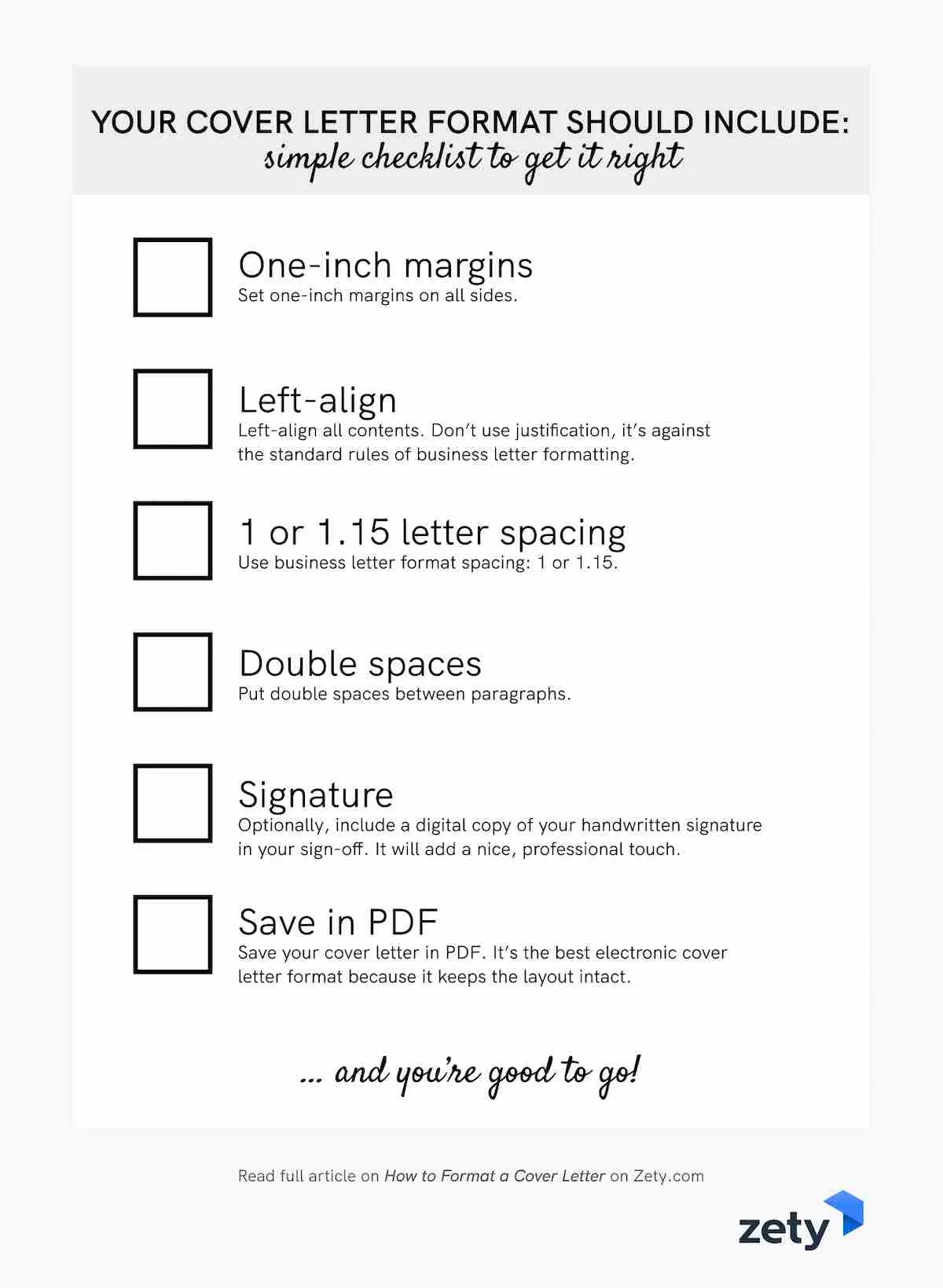
Margins and Spacing

Set your margins to 1 inch on all sides (top, bottom, left, and right). This provides ample white space around the text, making it more readable. Use single spacing within paragraphs and double spacing between paragraphs. Proper spacing helps to separate sections and improve readability. Avoid crowding your text, as this can make the document difficult to scan. Proper formatting enhances readability, improving the overall presentation and making your cover letter more appealing.
Proofreading and Editing
Thoroughly proofread and edit your cover letter to ensure it is free of errors. Check for spelling mistakes, grammatical errors, and punctuation issues. Incorrect grammar and spelling can make you appear unprofessional and negatively impact your chances. Read your cover letter multiple times, and ideally, have someone else review it as well. Asking a friend or family member to proofread your document can help identify errors you might have missed. A polished, error-free cover letter shows attention to detail and professionalism.
Essential Tips for an Effective Cover Letter
To create a cover letter that stands out, consider the following tips to refine your approach and maximize your impact. By focusing on these key strategies, you will increase the chances of making a lasting impression on potential employers. Applying these techniques can significantly boost your prospects in the job market, ensuring your application effectively highlights your qualifications and enthusiasm.
Tailor to Each Job

Customize your cover letter for each job application. Do not use a generic template. Research the company and the specific requirements of the role. Use the job description to identify key skills and experiences that the employer is seeking, and tailor your letter to highlight those areas. This personalization shows that you have taken the time to understand the position and are genuinely interested in the opportunity. Demonstrating your unique understanding and interest in the specific requirements significantly increases your chances of success.
Use Keywords
Incorporate keywords from the job description into your cover letter. Many employers use applicant tracking systems (ATS) to scan resumes and cover letters for relevant keywords. Identifying and including these keywords helps your application pass through these systems and reach the hiring manager. This practice increases the likelihood that your application is noticed and that you are considered for the position. Strategically including relevant keywords improves your chances of success.
Keep it Concise
Keep your cover letter concise and to the point. Aim for a single page in length. Hiring managers are busy, so make it easy for them to quickly understand your qualifications and interest. Focus on the most relevant information and avoid unnecessary details. A well-written, concise cover letter grabs attention, emphasizes key qualifications, and showcases your ability to communicate clearly and efficiently, making a positive impact.
Cover Letter Examples Learn From the Best
Reviewing examples of well-written cover letters can provide valuable insight into the best practices. Analyze the structure, language, and tone of successful letters to understand how to effectively present your qualifications and experience. Use these examples as a template, adapting them to your specific skills and experiences. Pay attention to how the letter addresses the hiring manager, highlights relevant skills, and conveys enthusiasm. By learning from these models, you can significantly improve your cover letter writing skills and increase your chances of landing an interview.