What is a Cover Letter and Why Do You Need One?
A cover letter is a crucial document that accompanies your resume when applying for jobs online. It serves as your first impression, allowing you to introduce yourself to potential employers, highlight your relevant skills and experience, and express your genuine interest in the position. Unlike a resume, which is a concise summary of your qualifications, a cover letter provides an opportunity to elaborate on your accomplishments, showcase your personality, and explain why you are the ideal candidate for the role. In today’s competitive job market, a well-crafted cover letter can significantly increase your chances of getting noticed and securing an interview. Failing to submit a cover letter, or submitting a poorly written one, can be a missed opportunity to make a positive impact and distinguish yourself from other applicants.
Key Components of a Cover Letter
A compelling cover letter typically comprises several key components that work together to present a cohesive and persuasive narrative. These components include the header, opening paragraph, body paragraphs, and closing paragraph. Each section serves a specific purpose in conveying your qualifications, enthusiasm, and suitability for the job. The header provides essential contact information, while the opening paragraph captures the reader’s attention and states your purpose. The body paragraphs delve into your relevant skills, experience, and accomplishments, demonstrating how you meet the requirements of the position. Finally, the closing paragraph reiterates your interest, expresses gratitude, and includes a call to action. Understanding the function of each component is essential for crafting an effective cover letter that leaves a lasting positive impression on the hiring manager.
Header and Contact Information

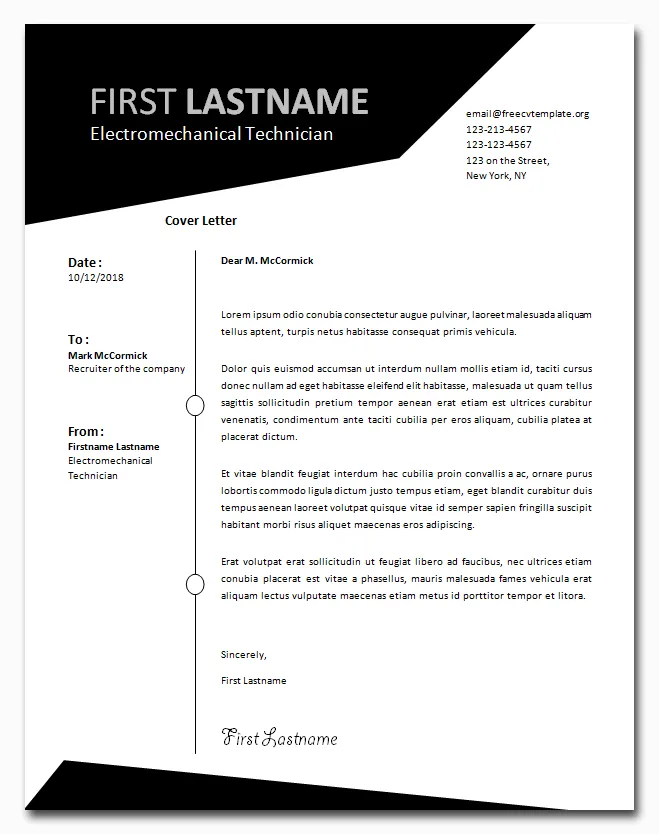
The header of your cover letter is the very first element the hiring manager will see, so it’s important to get it right. This section should include your full name, address, phone number, and professional email address. Ensure the information is accurate and up-to-date. In addition to your contact details, the header should also include the date and the employer’s information, such as the name of the hiring manager (if known), their title, the company name, and the company address. This displays professionalism and attention to detail, making a positive impression right from the start. If you are submitting your cover letter online, you can include your LinkedIn profile URL in the header to provide the employer with easy access to your professional background and recommendations.
The Opening Paragraph
The opening paragraph is your opportunity to immediately grab the reader’s attention and set the tone for the rest of your cover letter. Begin by stating the specific position you are applying for and where you found the job posting. Then, briefly explain why you are interested in the role and the company. Expressing genuine enthusiasm and mentioning any connections or referrals you have can make your opening more compelling. Avoid generic opening lines like “I am writing to express my interest…” and instead, try to hook the reader with a compelling statement or a brief highlight of your key qualifications. A strong opening paragraph will encourage the hiring manager to continue reading and learn more about your suitability for the position. Always tailor the opening paragraph to the specific job and company, showing that you’ve done your research and understand their needs.
Body Paragraphs Highlighting Skills
The body paragraphs of your cover letter are where you demonstrate your qualifications and explain why you’re a good fit for the job. This section should highlight your relevant skills, experience, and accomplishments, providing concrete examples to support your claims. Instead of simply listing your job responsibilities, focus on showcasing your achievements and the positive impact you’ve made in previous roles. Use the job description as a guide to identify the key skills and requirements the employer is seeking and tailor your examples to directly address those needs. Quantify your achievements whenever possible, using numbers and data to illustrate the scope of your accomplishments. For example, instead of saying “Managed social media accounts,” say “Increased social media engagement by 30% in six months.” This level of detail will make your cover letter more persuasive and demonstrate your ability to deliver results.
Tailoring Your Cover Letter to the Job

One of the most critical aspects of writing a successful cover letter online is tailoring it to each specific job application. Generic cover letters that are sent to multiple employers without modification are easily recognizable and often discarded. Instead, take the time to carefully review the job description and identify the key requirements, skills, and qualifications the employer is seeking. Then, customize your cover letter to directly address these requirements. Highlight your relevant experience and accomplishments, emphasizing how they align with the specific needs of the role. Research the company and mention any specific projects, initiatives, or values that resonate with you. Demonstrating that you understand the company’s goals and are genuinely interested in the position will make your cover letter stand out from the competition. Be sure to use keywords from the job description throughout your cover letter to increase its visibility to applicant tracking systems (ATS).
Using Action Verbs for Impact
To make your cover letter more impactful, use strong action verbs to describe your skills and accomplishments. Action verbs convey a sense of initiative, dynamism, and results-oriented performance. Instead of using passive phrases like “responsible for,” use active verbs like “managed,” “led,” “developed,” or “achieved.” This makes your writing more engaging and highlights your contributions. When describing your experience, focus on what you did and the outcomes you achieved. For example, instead of saying “Assisted with marketing campaigns,” try “Spearheaded marketing campaigns, resulting in a 15% increase in leads.” Choosing the right action verbs can significantly enhance the overall impact of your cover letter, making it more memorable and showcasing your abilities to potential employers. Consider creating a list of action verbs relevant to your field to ensure you’re using the most effective language.
Proofreading and Editing for Perfection
Before submitting your cover letter online, it’s essential to proofread and edit it meticulously. Typos, grammatical errors, and formatting inconsistencies can undermine your credibility and create a negative impression. Review your cover letter multiple times, paying close attention to spelling, grammar, punctuation, and sentence structure. Read the letter aloud to catch any awkward phrasing or unclear sentences. Consider using grammar-checking software, but don’t rely on it entirely; always proofread the document yourself. Ask a friend, family member, or career counselor to review your cover letter as well; a fresh pair of eyes can often spot errors that you might have missed. Ensure your cover letter is well-organized, easy to read, and free of any mistakes. A polished cover letter demonstrates attention to detail and professionalism, significantly increasing your chances of making a positive impression.
Formatting Your Cover Letter for Online Submission

When submitting your cover letter online, pay close attention to the formatting guidelines provided by the employer. If no specific instructions are given, it’s best to save your cover letter as a PDF file. PDFs preserve the formatting of your document, ensuring that it looks the same regardless of the recipient’s operating system or software. Choose a professional and readable font, such as Arial, Times New Roman, or Calibri, and use a font size of 11 or 12 points. Maintain consistent spacing and margins throughout the document. Avoid using excessive colors, bolding, or italics, as they can be distracting. Make sure your cover letter is well-organized and easy to navigate. Keep the tone professional and the language clear and concise. By following these formatting guidelines, you can ensure that your cover letter is visually appealing and easy to read, maximizing its impact on potential employers.
Common Mistakes to Avoid
Several common mistakes can significantly diminish the effectiveness of your cover letter. Avoid using generic templates and instead, tailor your cover letter to each specific job. Do not simply repeat the information in your resume; use the cover letter to expand on your qualifications and highlight your accomplishments. Refrain from including irrelevant information or personal details that are not related to the job. Avoid making grammatical errors or typos, which can damage your credibility. Do not use overly casual language or slang. Always proofread your cover letter carefully before submitting it. Finally, do not submit a cover letter without a resume, and be sure that both documents align in terms of your skills and experience. By avoiding these common mistakes, you can significantly improve your chances of creating a compelling cover letter that gets you noticed by potential employers.
Cover Letter Examples and Templates to Guide You
To get started, consider using cover letter examples and templates as a guide. Many online resources offer a variety of examples tailored to different industries and job titles. Look for examples that align with your specific field and career goals. Analyze the structure, language, and content of these examples to understand how to effectively present your qualifications. However, do not simply copy and paste; use the examples as a starting point and customize the content to reflect your own skills, experience, and personality. Modify the templates to fit the specific requirements of the job you’re applying for and ensure that the language and tone are appropriate for the company culture. By leveraging these resources, you can create a compelling cover letter that showcases your strengths and increases your chances of getting an interview. Remember to always proofread your cover letter and tailor it to the specific job and company.
Additional Tips for a Standout Cover Letter

To make your cover letter stand out from the competition, consider incorporating these additional tips. Research the company thoroughly and demonstrate your knowledge of their products, services, and values. Mention specific projects or initiatives that align with the job requirements, showing that you understand the role and are capable of making a contribution. Highlight any unique skills or experiences that differentiate you from other candidates. Showcase your personality and enthusiasm, but maintain a professional tone. If possible, mention any connections or referrals you have within the company. Use a strong call to action in your closing paragraph, encouraging the hiring manager to contact you for an interview. By following these additional tips, you can create a cover letter that captures the attention of employers and increases your chances of landing your dream job.
Conclusion
Writing a cover letter online is a critical step in the job application process. By following the guidelines outlined in this ultimate guide, you can create a compelling and effective cover letter that showcases your skills, experience, and enthusiasm. Remember to tailor your cover letter to each specific job, highlight your accomplishments, and use strong action verbs to make a lasting impression. Proofread and edit your cover letter carefully before submitting it, and ensure that it is formatted correctly for online submission. With a well-crafted cover letter, you’ll be well on your way to landing your dream job. Good luck with your job search.