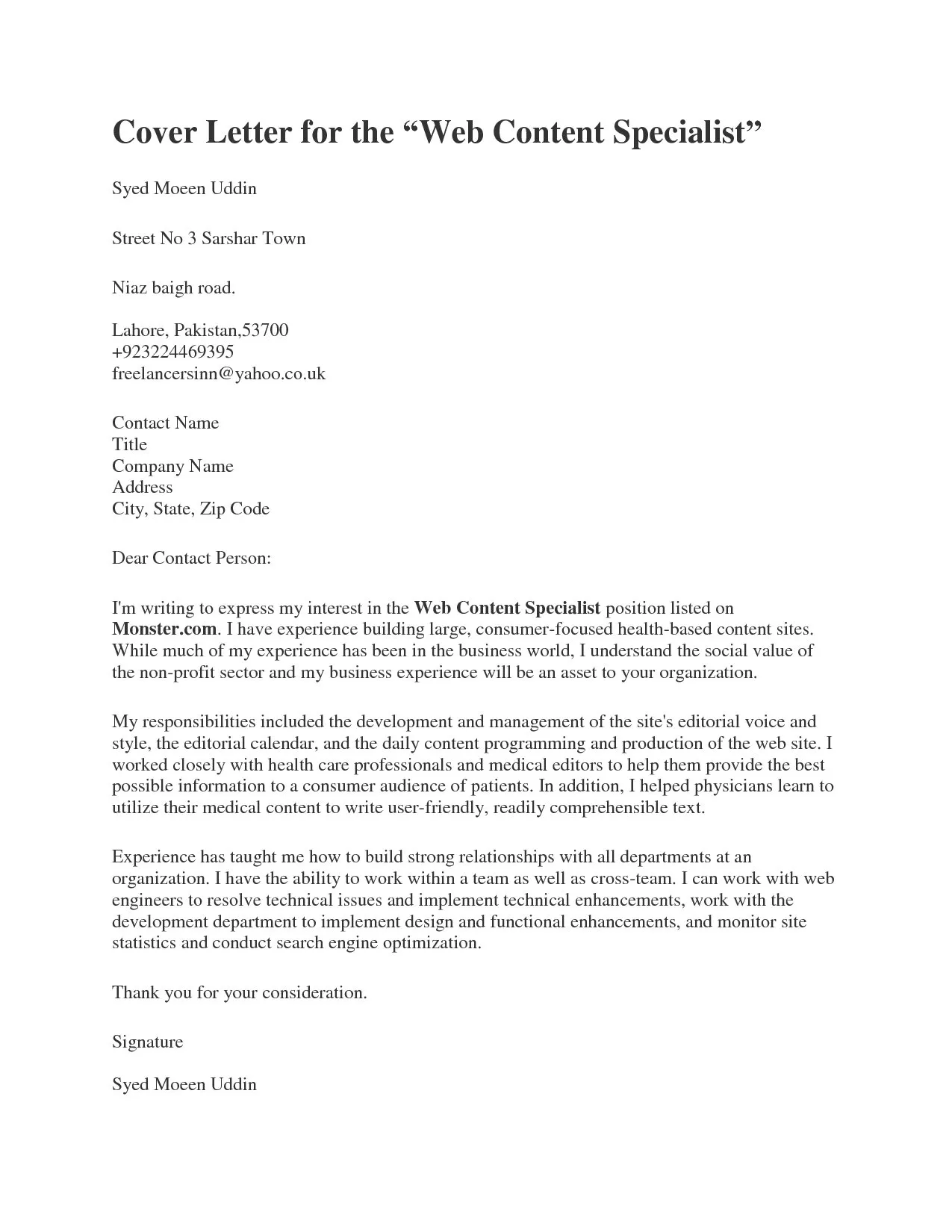
Understanding the Importance of a Cover Letter
A cover letter is more than just an introduction; it’s your first chance to make a strong impression on a potential employer. It serves as a personalized narrative that complements your resume, allowing you to highlight relevant skills, experiences, and your genuine interest in the specific role and company. A well-crafted cover letter demonstrates your communication skills, attention to detail, and your understanding of the job requirements. It provides an opportunity to explain any gaps in your employment history, address specific qualifications, and express your enthusiasm for the position. In today’s competitive job market, a compelling cover letter can significantly increase your chances of getting an interview.
Why Address Your Cover Letter Correctly
Addressing your cover letter correctly is a fundamental step in making a positive first impression. It shows that you’ve taken the time to research the company and the hiring manager, indicating a level of professionalism and attention to detail that employers highly value. Using the correct name and title demonstrates respect and helps you connect with the hiring manager on a more personal level. Conversely, using a generic greeting or misspelling the recipient’s name can create a negative impression, suggesting carelessness or a lack of effort. A properly addressed cover letter sets the tone for the rest of your application and significantly increases your chances of being taken seriously as a candidate. It is a small detail with a big impact.
Addressing a Cover Letter to a Specific Person

Whenever possible, address your cover letter to a specific person. This immediately personalizes your application and shows that you’ve done your homework. It demonstrates initiative and a proactive approach, which are desirable qualities in any candidate. Addressing the letter to the hiring manager or the person responsible for the position you’re applying for conveys respect and a genuine interest in the opportunity. By using a specific name, you also make it easier for the hiring manager to connect with your application, as they may feel a sense of personal connection, increasing the likelihood of your application standing out from the crowd. Using a name adds a personal touch.
Finding the Hiring Manager’s Name
Finding the hiring manager’s name may require a little research, but it’s a worthwhile effort. Start by checking the job posting; sometimes, the contact person is explicitly mentioned. If not, visit the company’s website and look for the ‘About Us’ or ‘Contact’ pages, where you might find the names and titles of key personnel. LinkedIn is an invaluable resource; search for the company and identify the hiring manager or the person in charge of recruitment for that department. You can also try calling the company’s main number and politely asking for the name of the hiring manager. A little detective work can pay off, showing your dedication and attention to detail.
Using Formal Salutations
The salutation sets the tone of your cover letter. Start with a formal greeting, such as ‘Dear Mr. / Ms. / Dr. [Last Name]’. If you’re unsure of the person’s gender, ‘Dear [First Name] [Last Name]’ or ‘Dear Hiring Manager’ are safe alternatives. Avoid informal greetings like ‘Hi’ or ‘Hello’ unless you have a pre-existing relationship with the recipient. Using the appropriate title (Mr., Ms., Dr., etc.) shows respect and professionalism. Always capitalize the first word of the salutation and follow it with a comma. Correct salutations are crucial for making a positive impression.
Addressing a Cover Letter to a Company

There will be instances when you cannot find a specific name. In these cases, addressing the cover letter to the company or a general contact is acceptable, but you should still strive for personalization. Ensure you research the company’s culture to gauge the best approach. Instead of a generic ‘To Whom It May Concern,’ use ‘Dear Hiring Manager,’ ‘Dear [Department Name] Team,’ or ‘Dear [Company Name] Hiring Team’. These greetings show you know who you are talking to. Avoid overly generic salutations as they can make your letter seem impersonal. Proper formatting is a must for making a great first impression.
When the Hiring Manager’s Name is Unknown
When you cannot find a specific name, you can still create a professional impression. Avoid using the generic ‘To Whom It May Concern’ as it is outdated and impersonal. Instead, try to find the hiring manager’s title or the department you’re applying to. If the job posting mentions a specific department, use ‘Dear [Department Name] Hiring Team’. If not, ‘Dear Hiring Manager’ is a good alternative. Researching the company culture can guide you to a more appropriate and personalized approach. It’s important to remain professional and maintain a sense of respect.
Using a General Salutation
When a specific name isn’t available, a well-chosen general salutation can still work. ‘Dear Hiring Manager’ is a widely accepted and professional choice. Another option is ‘Dear [Team Name]’ if you know which team you’d be joining. Research the company’s culture and values to choose the most appropriate salutation. While these general greetings are less personal than using a name, they’re still preferable to using outdated phrases. Ensure your cover letter content shows your genuine interest in the position and the company.
Formatting Your Address Section

Proper formatting demonstrates your attention to detail and professionalism. Start with your contact information at the top left of the letter: your name, address, phone number, and email address. Below this, on the right-hand side, include the date. Following the date, include the hiring manager’s name (if known), their title, and the company’s name and address. Ensure all information is clearly and concisely formatted. Consistent and accurate formatting shows you can follow instructions and take pride in your work. Use a professional font like Times New Roman or Arial. Keep formatting consistent.
Including Contact Information
Make sure your contact information is easy to find at the top of your cover letter. Include your full name, mailing address, phone number, and a professional-looking email address. This enables the hiring manager to contact you quickly if they’re interested. Ensure the information is up-to-date and accurate. Proofread your contact information multiple times to avoid any errors. Making it easy for the hiring manager to reach you increases your chances of being considered for the job.
Best Practices for Addressing Your Cover Letter
When it comes to addressing your cover letter, a few key principles can make a big difference. Prioritize personalization by addressing the letter to a specific person whenever possible. Research the company and use the appropriate title for the hiring manager. Always use formal salutations and proofread carefully. Tailor your letter to each job and maintain a professional tone throughout. Adhering to these best practices enhances your chances of making a positive impression.
Proofread Carefully

Proofreading is crucial to the success of your cover letter. Errors in grammar, spelling, and punctuation can undermine your credibility and professionalism. After writing your cover letter, take a break before rereading it to catch any mistakes. Use spell-check and grammar-check tools, but don’t rely on them entirely. Read your letter aloud to help identify awkward phrasing or missing words. Ask a friend or family member to review your cover letter for any errors you might have missed. Thorough proofreading ensures a polished, professional document.
Maintain a Professional Tone
Maintaining a professional tone throughout your cover letter is essential. Avoid slang, colloquialisms, and overly casual language. Use formal and respectful language in your salutations, body paragraphs, and closing. Be concise and to the point; avoid rambling or using excessive jargon. Demonstrate your communication skills and attention to detail. Keep the tone respectful and focused on the value you can bring to the role. Your cover letter should always reflect your ability to communicate professionally.
Tailoring to the Job
Always tailor your cover letter to the specific job you’re applying for. Use keywords and phrases from the job description to demonstrate your understanding of the role. Highlight the skills and experiences most relevant to the position. Research the company and include information that shows your genuine interest in working there. Avoid using a generic cover letter template; instead, personalize it to reflect your specific qualifications and the company’s needs. Tailoring your cover letter demonstrates that you’ve taken the time to understand the job and are a good fit.
Common Mistakes to Avoid

Avoid making common mistakes when addressing your cover letter, as they can negatively impact your application. Using the wrong titles or names, employing overly informal greetings, and ignoring formatting conventions can all create a poor impression. Review your cover letter carefully before submitting it to make sure you’ve avoided these pitfalls. A well-written cover letter demonstrates your attention to detail and commitment to the application process. Taking the time to avoid common mistakes increases your chances of success.
Using Incorrect Titles or Names
Using incorrect titles or names can damage your credibility and professionalism. Always double-check the hiring manager’s name and title before addressing your cover letter. If you’re unsure, it’s better to use a general salutation like ‘Dear Hiring Manager’ than to misspell the name or use the wrong title. Correcting this shows that you pay attention to detail and take pride in your work. Misspelling a name or using the wrong title may make you look careless.
Overly Informal Greetings
Overly informal greetings can undermine your professionalism. Avoid using greetings such as ‘Hi’ or ‘Hey’ in a cover letter. Instead, use formal salutations such as ‘Dear Mr. / Ms. / Dr. [Last Name]’ or ‘Dear Hiring Manager’. Maintain a professional tone throughout your cover letter. This creates a positive impression and demonstrates your respect for the company and the hiring process. Always prioritize formal and respectful language.
Ignoring Formatting Conventions

Ignoring formatting conventions can make your cover letter look sloppy and unprofessional. Use a standard font like Times New Roman or Arial and maintain a consistent font size. Ensure your contact information is clearly and accurately presented. Use proper spacing between paragraphs and sections. Proofread your cover letter to confirm there are no inconsistencies. Paying attention to formatting shows your attention to detail and commitment to presenting a polished application.
Conclusion
Addressing a cover letter correctly is a simple yet crucial step in your job application process. By understanding the importance of personalization, formal salutations, and formatting, you can make a positive first impression and increase your chances of getting an interview. Always research the company and the hiring manager, use appropriate titles and greetings, and proofread carefully. Avoiding common mistakes will ensure your cover letter is polished and professional, setting the stage for your success. By following these guidelines, you can craft a cover letter that effectively highlights your qualifications and demonstrates your genuine interest in the position, and increase the chances of landing your dream job.