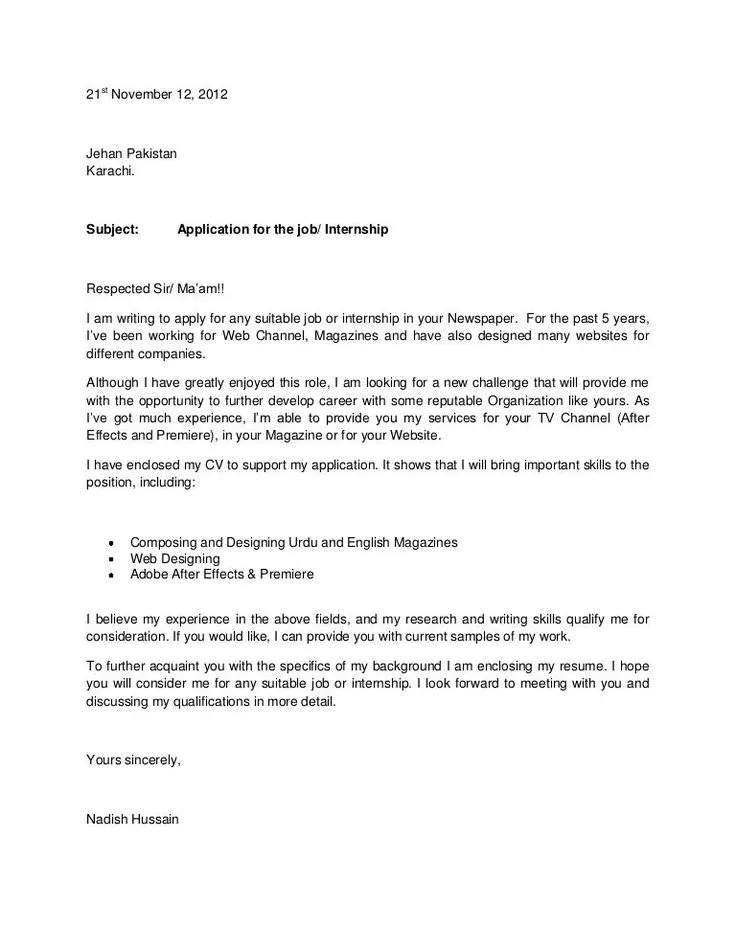
What is a Cover Letter and Why Do You Need One?
A cover letter is a crucial document that accompanies your resume when applying for a job. It serves as your first introduction to a potential employer, providing a glimpse into your personality, skills, and motivations. While a resume presents your qualifications in a concise format, a cover letter allows you to elaborate on your experiences and demonstrate how you align with the specific requirements of the job. It is an opportunity to make a compelling case for why you are the ideal candidate and how you can contribute to the company’s success. In a competitive job market, a well-crafted cover letter can significantly increase your chances of securing an interview.
Purpose of a Cover Letter
The primary purpose of a cover letter is to introduce yourself, highlight your relevant skills and experience, and express your interest in the specific job and company. It allows you to showcase your personality and writing style, differentiating you from other applicants. It also gives you the space to explain any gaps in your employment history or to address any specific concerns the employer might have. Moreover, a cover letter demonstrates your communication skills, attention to detail, and genuine interest in the opportunity, making a positive first impression on the hiring manager.
Key Elements of a Cover Letter

A compelling cover letter typically includes a header, a body, and a closing section. Each section plays a critical role in conveying your message effectively. The header contains your contact information, the date, and the recipient’s contact information. The body is where you articulate your key qualifications and express your interest in the role. The closing section includes a complimentary close, your signature, and any necessary attachments.
Header Section
The header of your cover letter is the first element that the hiring manager sees. It should be professional, clear, and well-formatted. It is critical that you provide all the necessary details, which will enable the recruiters to reach out to you.
Your Contact Information
Start with your full name, address, phone number, and email address. Ensure your email address is professional and appropriate for the job application. This section allows the recruiter to easily contact you for an interview.
Date

Include the current date. This helps the recipient know when the letter was written. Always be sure that the current date is included on the letter.
Recipient’s Contact Information
If possible, address the letter to a specific person (e.g., the hiring manager or recruiter). Include their name, title, and company address. If you are unable to find this information, you can use a general salutation.
Salutation
Use a professional greeting such as “Dear Mr./Ms. [Last Name]” or “Dear Hiring Manager.” Avoid overly casual greetings. Research the name of the hiring manager to ensure you are addressing the right person.
Body Section

The body of your cover letter is where you showcase your qualifications and make a strong case for why you’re the right fit for the job. This section should be concise, well-organized, and tailored to the specific requirements of the position.
First Paragraph: Hook and Introduction
Start with a strong opening that grabs the reader’s attention. Mention the position you’re applying for and where you found the job posting. Briefly state why you’re interested in the role and the company. This sets the tone for the rest of the letter and encourages the reader to continue reading.
Second Paragraph: Highlight Relevant Skills and Experience
Focus on your most relevant skills and experiences. Use the job description to identify the key requirements and tailor your letter to match. Provide specific examples of your accomplishments and how they align with the job’s needs. Quantify your achievements whenever possible (e.g., “Increased sales by 15%” rather than “Improved sales”).
Third Paragraph: Demonstrate Company Fit and Enthusiasm

Show that you understand the company’s mission, values, and culture. Explain why you’re interested in working for this specific organization. Mention any research you’ve done about the company and how your skills and experiences align with their goals. Express your enthusiasm for the opportunity and what you can bring to the team.
Fourth Paragraph: Call to Action
End your cover letter with a clear call to action. Thank the hiring manager for their time and consideration. State your availability for an interview and reiterate your interest in the position. Provide your contact information again and express your eagerness to discuss your qualifications further.
Closing Section
The closing section of your cover letter should be professional and courteous. It reinforces your interest in the position and leaves a positive impression on the hiring manager.
Complimentary Close

Use a professional closing such as “Sincerely,” “Best regards,” or “Thank you.” Choose a closing that aligns with the tone of your letter and the industry you’re applying to.
Signature
Type your full name below the complimentary close. If submitting a physical copy, leave space for your handwritten signature above your typed name. Be sure to proofread everything before submitting.
Formatting and Design Tips
Formatting and design play a significant role in the overall impact of your cover letter. Proper formatting makes your letter easy to read and visually appealing, increasing your chances of making a positive impression.
Font and Font Size

Choose a professional and readable font such as Times New Roman, Arial, or Calibri. Use a font size of 11 or 12 points for easy readability. Ensure the font is consistent throughout the entire letter.
Margins and Spacing
Set margins to 1 inch on all sides. Use single spacing within paragraphs and double spacing between paragraphs. This provides enough white space to prevent the letter from appearing cluttered. Ensure that spacing is consistent throughout.
Length of the Cover Letter
Keep your cover letter concise and to the point. Aim for a length of no more than one page. Focus on the most relevant information and avoid unnecessary details. Your cover letter’s main objective is to provide the reader with enough information to encourage an interview.
Proofreading and Editing
Before submitting your cover letter, thoroughly proofread and edit it to ensure there are no errors in grammar, spelling, or punctuation. A polished cover letter demonstrates your attention to detail and professionalism, leaving a positive impression on the hiring manager.
Common Mistakes to Avoid
Avoid these common mistakes to increase your chances of getting hired and avoid losing the attention of the hiring managers.
Generic Content
Avoid using generic content that could apply to any job. Tailor your cover letter to each specific position and company. Use specific examples and demonstrate how your skills and experiences align with the job requirements and company goals.
Typos and Grammatical Errors
Typos and grammatical errors can undermine your credibility and professionalism. Always proofread your cover letter carefully, and consider having a friend or family member review it as well. Double-check names, titles, and contact information for accuracy.
Lack of Customization
A generic cover letter shows a lack of effort and interest in the specific opportunity. Always customize your cover letter to match the job description and the company’s values. Research the company and tailor your letter to address their specific needs and challenges.
Example Cover Letter Template
While a template can be helpful, remember to customize it to each job. A basic template would include all the elements discussed above. Ensure all details are correct and reflect your skills, accomplishments, and enthusiasm for the role. Always tailor the template to fit the job and company.