Why Cover Letters Are Still Important (Even Now)
In today’s competitive job market, where every application is scrutinized, a well-crafted cover letter can be your secret weapon. While some might argue about their relevance, cover letters still hold significant weight in the hiring process. They provide a crucial opportunity to introduce yourself, showcase your personality, and demonstrate genuine interest in the specific role and company. Think of a cover letter as the opening act before your resume takes center stage. It is your chance to make a memorable first impression, providing context and highlighting aspects of your experience and skills that might not be immediately apparent from your resume alone. It is where you tell your story and explain why you are the perfect fit, going beyond just listing qualifications and showcasing your enthusiasm.
Making a Great First Impression
The initial impression you create can significantly influence whether your application proceeds to the next stage. First impressions are not just about the words you use; it’s also about how you present yourself. A well-structured and carefully written cover letter immediately signals that you have taken the time and effort to apply for the position. It reflects professionalism, attention to detail, and a genuine interest in the opportunity. A compelling opening paragraph is your first chance to capture the reader’s attention and compel them to read further. Instead of a generic greeting, personalize your opening by mentioning something specific about the company or the role, demonstrating that you have done your homework.
Research the Company

Before you even begin to type your cover letter, take the time to thoroughly research the company and the specific role. Understanding the company’s mission, values, culture, and recent achievements allows you to tailor your letter to resonate with the hiring manager. Explore the company’s website, social media profiles, and any recent news articles or press releases. Identify the key challenges and opportunities the company faces and how your skills and experience align with their needs. If possible, try to identify the hiring manager’s name and address the letter directly to them. This shows initiative and attention to detail, making your application stand out from the crowd. Generic cover letters are a sure way to end up in the rejection pile. Show that you are serious about this opportunity and that you are willing to do your research.
Use the Right Tone
The tone of your cover letter should be professional yet engaging. Avoid sounding overly formal or stiff; instead, aim for a tone that is confident, enthusiastic, and authentic. The tone should align with the company’s culture, so adjust it to match the company’s values. Be mindful of your word choice and sentence structure. Use active voice and avoid jargon or clichés that could make your letter sound impersonal. Always proofread your letter for any typos or grammatical errors, as these can detract from your professionalism. While maintaining a professional tone, show some of your personality. Let your passion for the job and the company shine through. A genuine and well-written letter can make a lasting impression, setting you apart from other candidates.
Highlight Your Key Skills & Experience
Your cover letter is the perfect place to highlight the skills and experiences that make you a strong candidate for the role. Focus on the most relevant qualifications and achievements. Review the job description carefully and identify the key skills and requirements. Then, use your cover letter to illustrate how your experience aligns with these needs. Provide specific examples of how you have demonstrated these skills in past roles. Quantify your achievements whenever possible; using numbers and data to demonstrate the impact you have made. This could include metrics such as increased sales, improved efficiency, or successful project outcomes. Tailor your examples to each specific job application, showcasing how your experience directly relates to the requirements of the position. This strategy will show the hiring manager the value you bring to the table.
Show, Don’t Just Tell

Instead of simply stating your skills or qualities, provide concrete examples to back up your claims. This approach adds credibility to your application and shows, rather than tells, the hiring manager what you are capable of. For instance, instead of writing, “I am a good communicator,” describe a situation where you effectively communicated a complex project to a diverse audience. Detail the actions you took, the challenges you faced, and the positive outcomes you achieved. Use the STAR method (Situation, Task, Action, Result) to structure your examples, making them clear, concise, and impactful. By illustrating your skills through specific examples, you provide tangible evidence of your abilities and make a stronger case for your candidacy.
Structuring Your Cover Letter
A well-structured cover letter is easy to read and helps the hiring manager quickly grasp your key qualifications and your enthusiasm. There are several essential components to consider, ensuring your letter flows logically and presents your information effectively. Each section should serve a clear purpose and contribute to the overall message. Start with your contact information and a proper salutation, then transition to a compelling opening paragraph. The body paragraphs are where you highlight your skills and experience, and the closing paragraph should summarize your interest and include a call to action. Consistency in formatting and a clear, concise layout will help your letter stand out and demonstrate professionalism.
Contact Information & Salutation
Begin your cover letter by including your contact information at the top, such as your name, address, phone number, and email address. If possible, try to include a link to your LinkedIn profile or online portfolio. Following your contact information, address the letter to the hiring manager by name if you know it. Researching the hiring manager’s name and including it in your salutation shows that you have put effort into your application and you’re addressing the letter to a specific person. If you are unsure of the hiring manager’s name, you can use a professional greeting, such as “Dear Hiring Manager” or “Dear [Company Name] Recruiting Team.”
The Opening Paragraph

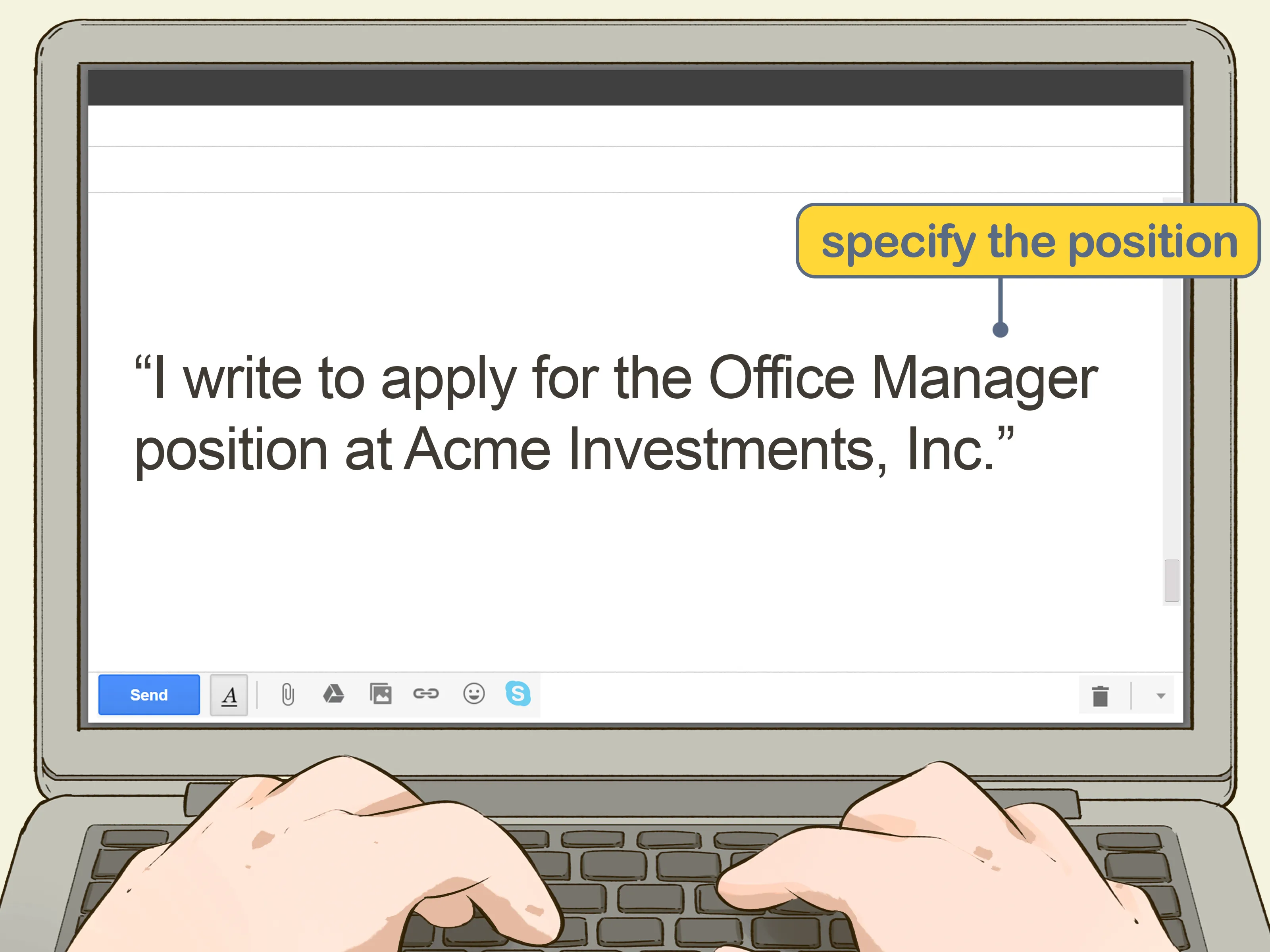
Your opening paragraph is your first and best opportunity to capture the hiring manager’s attention. Start with a brief, engaging statement that immediately explains why you are writing and how you heard about the job. Express your interest in the position and the company, and mention something specific that excites you about the opportunity. Keep the opening concise and focused, setting the tone for the rest of the letter. Clearly state the specific position you are applying for. A strong opening will make the reader want to learn more about you and the value you can bring to their organization. Briefly summarize why you’re an ideal candidate, mentioning relevant qualifications and experience to pique their interest.
Body Paragraphs Showcasing Value
The body paragraphs of your cover letter are where you dive deeper into your qualifications and showcase your value. Use this space to highlight your key skills and experiences. Focus on the most relevant aspects of your background. Explain how your skills align with the requirements of the job. Provide specific examples and quantifiable achievements to demonstrate your impact. Use the STAR method (Situation, Task, Action, Result) to structure your examples, making them clear, concise, and compelling. Connect your past experiences to the needs of the company, showing how you can contribute to their success. By focusing on what you can offer, rather than just listing your accomplishments, you will make a stronger impression.
Closing Paragraph & Call to Action
Your closing paragraph should summarize your interest in the position and reiterate your enthusiasm for the opportunity. Thank the hiring manager for their time and consideration. Clearly state your call to action, such as requesting an interview. Reiterate your contact information and express your eagerness to discuss how you can contribute to the company’s goals. Make it easy for the hiring manager to take the next step by providing a clear and concise call to action. End with a professional closing, such as “Sincerely” or “Best regards,” followed by your name.
Cover Letter Formatting for Impact

The way your cover letter looks is as important as the words it contains. Proper formatting ensures your letter is easy to read and makes a positive impression. Your formatting choices should be professional, clean, and consistent. A well-formatted cover letter shows attention to detail and reflects well on your communication skills. These choices contribute to the overall clarity and effectiveness of your application. Poor formatting can make your letter look cluttered and unprofessional, potentially leading to it being overlooked.
Font Choices and Readability
Select a professional and easy-to-read font for your cover letter. Recommended fonts include Arial, Times New Roman, Calibri, and Helvetica. Stick to a font size between 10 and 12 points. Ensure that the font size is consistent throughout the document. Avoid using overly decorative or unusual fonts. These can be distracting and make your letter difficult to read. Keep the font consistent with your resume and other application materials. Proper formatting makes your cover letter more appealing and easier for the hiring manager to read and absorb the information.
Length and Structure
Keep your cover letter concise and to the point. Aim for a length of one page, ideally, as hiring managers have limited time to review each application. Maintain a clear structure with distinct paragraphs and sections. Use headings and bullet points where appropriate to break up large blocks of text and highlight key information. Use consistent margins, typically 1-inch on all sides, to provide visual space and improve readability. Proper formatting ensures your letter is easy to read and makes a positive impression. By keeping it concise and easy to read, you’ll increase the chances of your application being read and considered seriously.
Proofreading and Editing Your Cover Letter

Proofreading and editing are essential steps to ensure your cover letter is polished and error-free. Errors, even minor ones, can undermine your professionalism and negatively affect your application. Take the time to carefully review your cover letter for any mistakes in grammar, spelling, punctuation, and syntax. Reading your letter aloud can help you catch awkward phrasing and identify areas for improvement. Ensure that your sentences are clear, concise, and easy to understand. Taking these steps can help you deliver a document that creates a positive impression and showcases your attention to detail.
Check for Grammar and Spelling Errors
Carefully check your cover letter for any grammar and spelling mistakes. Use a spell-checker and grammar-checking tool, but do not rely on them entirely. Proofread the document yourself, as these tools may not catch all errors. Pay special attention to commonly confused words and ensure that your punctuation is correct. Minor errors can detract from the overall impact of your letter, so make sure it reflects your professionalism. Correct any typos or grammatical errors. Take the time to proofread thoroughly. This will help you present a polished document, leaving a positive impression with the hiring manager.
Get a Second Opinion
Ask a trusted friend, family member, or career advisor to review your cover letter. Another pair of eyes can often catch mistakes that you may have missed. Ask your reviewer to provide feedback on the clarity, content, and overall impact of your letter. They can also assess whether your letter effectively highlights your key skills and experiences. Consider their suggestions and make revisions as needed. A second opinion can help you refine your letter and increase your chances of making a positive impression.
Tailoring Your Cover Letter to the Job

Customizing your cover letter for each job application is a crucial step toward success. Generic cover letters that are sent to multiple companies are easily identified and often discarded. Tailoring your cover letter ensures that you address the specific needs and requirements of each role. This demonstrates that you’ve taken the time to understand the position and company. Personalizing your cover letter makes a strong impression and boosts your chances of getting an interview. Review the job description and identify the key skills, qualifications, and experiences that the employer is seeking.
Key Skills and Keywords
Identify the essential skills and keywords mentioned in the job description. Incorporate these keywords into your cover letter naturally, showing the hiring manager that your skills and experience align with their needs. Highlight your relevant skills and experiences. Providing specific examples of how you have used these skills in past roles can demonstrate your ability to perform the job. By strategically using keywords and highlighting your relevant skills, you can make your cover letter more compelling and increase the chances of getting noticed. Tailoring your cover letter shows that you understand the role and that you possess the required skills to succeed.
Address Specific Requirements
Carefully review the job description for any specific requirements or qualifications. Directly address these requirements in your cover letter, providing examples and demonstrating how you meet those needs. If the job description mentions a specific software, project, or skill, include how you have used it in the past. If the job posting asks for something specific, like a project portfolio, make sure to include a link to it. Show the hiring manager that you have the exact qualifications they’re looking for. Address specific requirements in your cover letter will show that you are detail-oriented and committed to the position. This will help you stand out from other candidates.
Cover Letter Mistakes to Avoid

Certain mistakes can significantly damage the effectiveness of your cover letter and decrease your chances of landing an interview. It is essential to be aware of these common pitfalls. Avoid making these mistakes. By avoiding these common mistakes, you can improve the overall impact of your cover letter and increase your chances of getting noticed. These mistakes can send the wrong message to hiring managers and reflect poorly on your professionalism and attention to detail. A well-crafted cover letter can make a significant difference in your job search.
Generic Cover Letters
Avoid using a generic cover letter that is not tailored to the specific job or company. Sending a generic cover letter can come across as if you are not truly interested in the position. Hiring managers can easily spot a generic cover letter. A generic cover letter gives the impression that you have not taken the time to understand the role or the company’s needs. Customize your cover letter for each job application. Make sure that you highlight the skills and experiences that align with the specific requirements of the position.
Typos and Grammatical Errors
Make sure your cover letter is free of typos and grammatical errors. These errors can make you look careless or unprofessional. Before submitting your cover letter, proofread it carefully, or better yet, have someone else proofread it for you. Use a spell-checker and grammar-checking tools, but do not rely on them entirely. Make sure that your sentences are clear, concise, and easy to understand. Typos and grammatical errors can detract from your professionalism and potentially harm your chances of getting an interview. Proofreading is a critical step in ensuring your cover letter is polished and effective.
Ignoring the Instructions
Always read and follow the instructions provided in the job posting. Some employers have specific requirements for cover letters, such as word count, format, or specific information to include. Failing to follow the instructions can quickly lead to your application being rejected. Pay close attention to any specific directions or requests mentioned in the job description. Make sure your cover letter meets the stated requirements. Ignoring the instructions indicates that you’re not detail-oriented or that you have a lack of interest. Make sure that you provide all the requested information in the right format. Following the instructions will show that you are attentive and capable of following instructions.