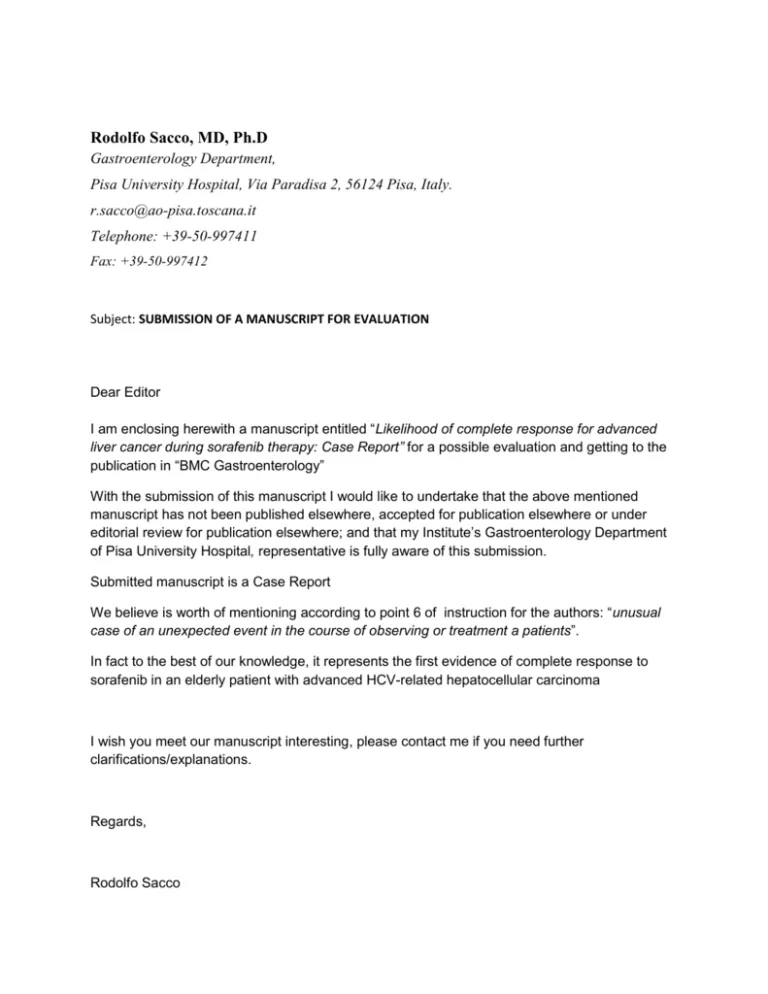
What is a Cover Letter Manuscript?
A cover letter manuscript is a tailored document accompanying your resume, serving as a personal introduction to a potential employer. It allows you to expand on your qualifications, demonstrate your enthusiasm for the role, and highlight how your skills and experience align with the job requirements. Unlike a resume, which provides a factual overview, a cover letter manuscript offers a narrative, showcasing your personality and communication skills. It’s your opportunity to make a strong first impression and persuade the hiring manager to read your resume and consider you for an interview. A well-crafted cover letter manuscript can significantly increase your chances of landing an interview and ultimately, the job.
The Importance of a Cover Letter Manuscript
In today’s competitive job market, a cover letter manuscript is not just optional; it’s often essential. It provides an avenue to demonstrate your genuine interest in the specific position and the company, going beyond the basic information listed in your resume. The cover letter manuscript showcases your writing skills, attention to detail, and ability to communicate effectively. It allows you to address any potential concerns, such as employment gaps, and explain how your skills and experience translate to the new role. It’s also a crucial tool for tailoring your application to each specific job, emphasizing the skills and experiences most relevant to the position and demonstrating that you’ve done your research on the company and its needs. A well-written cover letter can set you apart from other applicants.
Key Components of a Cover Letter Manuscript

A successful cover letter manuscript comprises several key components working in harmony. Each element serves a specific purpose in presenting your qualifications and enthusiasm. Structure your letter logically, from the header to the closing, for clarity and impact.
Header and Contact Information
Begin your cover letter manuscript with a professional header. Include your full name, address, phone number, and professional email address. Also, add the date and the hiring manager’s name and title (if available) and the company’s address. Ensure all details are accurate and up-to-date. A well-formatted header creates a professional image and makes it easy for the employer to contact you. Use a clear and readable font like Arial or Times New Roman, and maintain consistency with your resume’s formatting. This consistency supports your professionalism.
Personalized Salutation
Address the hiring manager directly. If you know their name, use “Dear Mr./Ms./Mx. [Last Name].” Personalization shows you’ve done your research and makes a better first impression. If you can’t find the hiring manager’s name, use a professional alternative like “Dear Hiring Manager” or “Dear [Department] Team.” Avoid generic greetings such as “To Whom It May Concern.” Tailoring the salutation demonstrates attention to detail and respect, creating a personal connection from the start. Be sure to double-check the spelling of the name to avoid a negative impression.
Opening Paragraph

Start with a compelling opening paragraph. State the position you’re applying for and where you found the job posting. Briefly mention why you are interested in the role and the company. This paragraph should grab the reader’s attention and make them want to continue reading. Show enthusiasm and briefly highlight one or two key skills or experiences that align with the job requirements. Avoid generic statements; make your opening specific and tailored to the job. A strong opening sets the tone for the rest of your cover letter manuscript, providing a glimpse of your potential to the hiring manager.
Highlighting Your Skills and Experience
The body of your cover letter manuscript is where you showcase your relevant skills and experience. Select two to three key skills or experiences that align with the job description, and provide specific examples of how you have used them. Use the STAR method (Situation, Task, Action, Result) to provide context and demonstrate your achievements. Avoid simply repeating your resume; instead, offer more detail and explain the impact of your contributions. Quantify your accomplishments whenever possible by using numbers to highlight your achievements. Linking your skills and experience to the job requirements demonstrates your ability to perform the role effectively.
Tailoring Your Letter to the Job
Customize your cover letter manuscript for each job application. Review the job description carefully and identify the keywords, skills, and qualifications the employer is seeking. Tailor your letter to address these specific needs. This process might involve adjusting your language, highlighting different experiences, and emphasizing particular skills relevant to each position. Demonstrate that you understand the role and the company’s needs. Generic letters will often get discarded. By taking the time to tailor your letter, you show the hiring manager that you’re genuinely interested and have the relevant skills.
Using Action Verbs

Use strong action verbs to describe your skills and accomplishments. Action verbs such as “managed,” “developed,” “implemented,” “led,” and “achieved” create a dynamic and engaging tone, making your cover letter manuscript more compelling. They provide a clear picture of your contributions and responsibilities. Avoid passive language and instead use active verbs to showcase your abilities and accomplishments. Using action verbs adds strength to your writing, making it easier for the hiring manager to understand what you have done and the value you bring to the role.
Quantifying Achievements
Whenever possible, quantify your achievements to demonstrate the impact of your work. Use numbers, percentages, and data to illustrate your accomplishments. For instance, instead of saying “Increased sales,” say “Increased sales by 15% within six months.” Quantifying your achievements provides concrete evidence of your value. It makes your cover letter manuscript more persuasive and helps the hiring manager understand the tangible results you have delivered in previous roles. This approach gives a clearer picture of your capabilities and how you can contribute to the company’s success.
Demonstrating Company Knowledge
Show that you have researched the company. Mention specific projects, values, or initiatives that resonate with you and align with your career goals. Demonstrate your understanding of the company’s mission, culture, and industry position. Referencing something specific can impress the hiring manager. This demonstrates genuine interest and shows you are eager to contribute to their success. Showing this level of effort sets you apart from other applicants and increases your chances of being selected for an interview.
Closing Paragraph

End your cover letter manuscript with a strong closing paragraph. Reiterate your interest in the position and the company. Express your enthusiasm for the opportunity to discuss your qualifications further in an interview. Thank the hiring manager for their time and consideration. Make it clear that you are available for an interview. Include a call to action, such as “I look forward to hearing from you.” Avoid ending with generic statements; instead, make your closing personalized and memorable. A strong closing leaves a lasting impression.
Expressing Enthusiasm and Next Steps
Clearly express your enthusiasm for the role and what you can bring to the company. Reiterate your interest in the opportunity and express a willingness to discuss your qualifications in greater detail. State that you are available for an interview at their earliest convenience. Provide your contact information again to make it easy for the hiring manager to reach you. A strong closing leaves a lasting impression and motivates the hiring manager to move forward with your application.
Proofreading and Editing
Proofread your cover letter manuscript meticulously. Check for grammar, spelling, punctuation, and formatting errors. Errors can undermine your credibility. Read your letter aloud to identify awkward phrasing and ensure the language flows smoothly. Ask a friend or colleague to review your letter for a fresh perspective. Proofreading is the final step in ensuring that your letter manuscript is polished and professional, leaving a positive impression on the hiring manager. Pay close attention to detail, as even minor errors can detract from your overall presentation and diminish your chances of moving to the next stage of the hiring process.
Formatting and Presentation

Format your cover letter manuscript professionally. Use a clean and readable font such as Arial or Times New Roman. Maintain consistent formatting throughout the document. Use single spacing within paragraphs and double spacing between paragraphs. Use clear headings and bullet points to make your letter easy to scan. Ensure your letter is properly aligned and easy to read. A well-formatted cover letter manuscript shows attention to detail. Always use a professional font, ensure your name and contact information are clearly visible, and make sure the overall appearance is clean and uncluttered.
Common Cover Letter Mistakes to Avoid
Avoid common mistakes that can harm your application. Do not use generic language, such as using a template without customizing it. Avoid typos and grammatical errors. Don’t be too lengthy; keep your cover letter manuscript concise and to the point. Avoid being overly casual. Avoid negative language and focus on your strengths. Don’t make the letter all about yourself; show how you can benefit the company. By avoiding these pitfalls, you’ll ensure your cover letter makes a positive impression and increases your chances of success.
Length and Tone Considerations
Keep your cover letter manuscript concise, ideally one page. The tone should be professional and enthusiastic, but avoid being overly familiar or informal. Tailor the tone to the company culture and industry. Balance confidence with humility, showcasing your skills without being arrogant. Ensure your language reflects your professionalism and respect for the opportunity. The length and tone should be appropriate for the job and the company, as this demonstrates an understanding of their values.
Handling Gaps in Employment

Address any employment gaps in your cover letter manuscript. Briefly explain the gap, without offering excessive detail. Frame it positively, highlighting what you did during that time, such as volunteering, education, or developing new skills. Focus on what you have learned and how it has prepared you for the role. Be honest, concise, and proactive. A well-addressed employment gap can demonstrate your resilience and resourcefulness. This demonstrates a proactive approach to the hiring manager, helping to alleviate potential concerns.
Cover Letter Manuscript Templates and Examples
Templates and examples can be a good starting point, but always tailor them to your situation. Using a cover letter manuscript template can save time. Ensure that the template aligns with your industry and the job you are applying for. Carefully read and adapt the template. A well-adapted template saves time while letting you customize your message. Using examples provides inspiration. Customize the template and examples with your specific information to make your cover letter stand out. This personalization helps you to show you have the skills needed for the job.
Where to Find Templates
Find templates on job search websites, career resources sites, and even through your school. Consider websites like Indeed, LinkedIn, or specialized career development sites. Always review the template’s content and adjust it to fit your experience and the job requirements. When selecting a template, make sure it is modern, professional, and relevant to your industry. Tailor the template to the specific requirements of the job you are applying for.
Adapting Templates to Your Needs
Adapt templates by personalizing the content with your specific information and skills. Customize the language to reflect your personality and the job requirements. Incorporate examples that demonstrate your experience and accomplishments. Make sure the template matches the tone and style appropriate for the specific job. Use the template as a foundation and then tailor it to make the cover letter manuscript uniquely yours. This approach lets you present your best self to the hiring manager.
Cover Letter Manuscript Best Practices
Follow best practices for cover letter writing to enhance your chances of success. Use keywords from the job description in your letter. Proofread carefully for any errors. Tailor your cover letter manuscript to each job, highlighting your skills and experience. Maintain a professional tone and style. Always submit your cover letter manuscript with your resume. These actions will help ensure that your application receives the appropriate attention.
Keyword Optimization
Incorporate relevant keywords from the job description. Use these keywords naturally within your cover letter manuscript. This will help your application pass through Applicant Tracking Systems (ATS) and catch the attention of the hiring manager. Keywords help you show that your skills and experience align with the needs of the role. Review the job description carefully and identify key skills, qualifications, and phrases. Use these words and phrases in your letter. Do not stuff keywords unnaturally, but incorporate them where appropriate.
Formatting for Applicant Tracking Systems (ATS)
Format your cover letter manuscript to be ATS-friendly. Use a simple font, such as Arial or Times New Roman, and avoid using unusual formatting or graphics. Use clear headings and bullet points to organize your content. Submit your cover letter in a compatible format, such as .doc or .pdf. By following these tips, you can make sure that your cover letter is easy for ATS to read and that your application is considered. ATS systems are designed to scan and analyze your application, so ensure the formatting is simple and easy to interpret.
Follow-Up Strategies
Follow up on your cover letter manuscript and resume after submitting your application. If you have not heard back within a reasonable time frame, send a brief, polite email or phone call. Express your continued interest in the position. Ask if the hiring manager needs any further information. When following up, reinforce your interest in the role. This shows your dedication. It can also prompt the hiring manager to review your application again. When appropriate, send a thank-you note after an interview, reiterating your interest and qualifications.