What is a Cover Letter
A cover letter is a crucial document that accompanies your resume when applying for a job. It serves as your personal introduction to the hiring manager, providing context and personality that a resume alone cannot convey. Think of it as a marketing tool, a way to sell yourself and your skills to a potential employer. Unlike a resume, which is a straightforward summary of your experience, a cover letter allows you to elaborate on your qualifications, demonstrate your enthusiasm for the role, and explain why you’re the perfect fit for the company. It offers an opportunity to highlight specific achievements and tailor your application to the specific job requirements, setting you apart from other candidates. A well-written cover letter can significantly increase your chances of getting an interview.
Why You Need a Cover Letter
In today’s competitive job market, a cover letter is not just a formality; it’s a necessity. It provides a valuable opportunity to showcase your communication skills, which are highly valued by employers. A compelling cover letter demonstrates that you’ve taken the time to understand the company and the specific job requirements. It allows you to connect your skills and experiences to the role in a meaningful way, making a strong first impression. Many hiring managers see the cover letter as an essential part of the application process and use it to screen candidates. Ignoring the cover letter could mean missing out on a chance to make a positive impact, and potentially, the job itself. It also shows your attention to detail and willingness to go the extra mile, qualities that employers look for in potential hires.
Cover Letter vs Resume

While both a cover letter and a resume are essential components of a job application, they serve different purposes. The resume is a factual document that provides a concise overview of your work history, skills, education, and accomplishments. It’s a quick snapshot of your professional background. The cover letter, on the other hand, is a more personalized document. It allows you to elaborate on the information presented in your resume, adding context and demonstrating your personality. It’s where you can express your enthusiasm for the role and explain why you’re the best candidate. The resume is a summary, while the cover letter is your story. It is an opportunity to show why you are interested in the specific job or the company you’re applying to.
Key Components of a Cover Letter
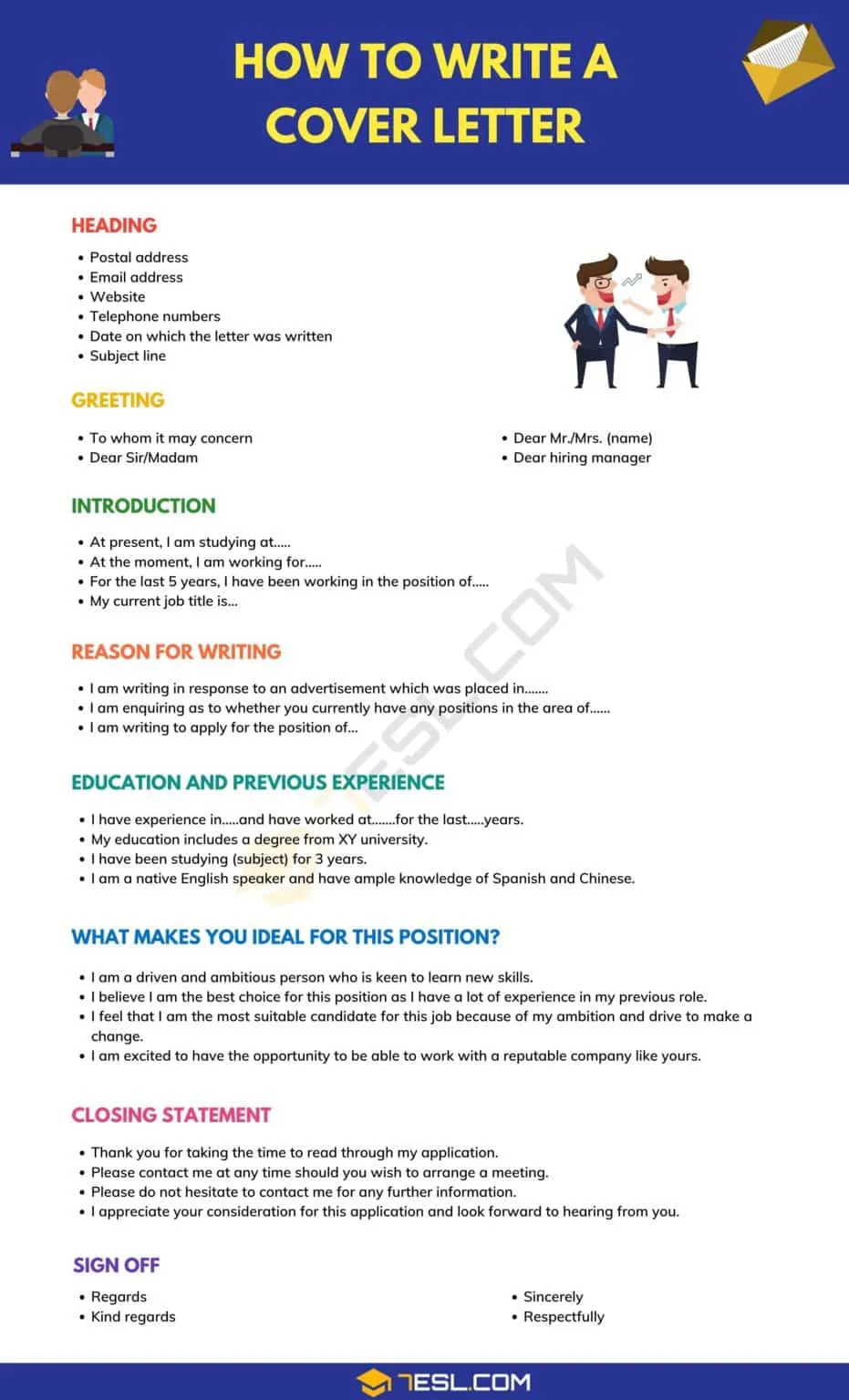
A well-structured cover letter follows a specific format to effectively communicate your qualifications and interest. Each component plays a crucial role in creating a compelling narrative that captures the hiring manager’s attention. Understanding the elements allows you to strategically present your skills and experience, highlighting your suitability for the role. By including these essential elements, you can create a cover letter that sets you apart from other applicants and increases your chances of getting an interview. Ensuring the structure, you can deliver a professional and persuasive document.
Header Information
The header of your cover letter should include your contact information (name, phone number, email address, and optionally, your LinkedIn profile URL), as well as the date and the hiring manager’s name and title (if known) along with the company’s address. Keeping the information clear and concise. Using a professional format, ensuring that your contact details are easily accessible to the reader. This header is a vital element that allows the recruiter to reach you if they’re interested in your application.
Greeting

The greeting sets the tone for your cover letter. Ideally, address the hiring manager by name, if you know it. This shows that you’ve done your research and are taking a personalized approach. If you don’t know the hiring manager’s name, use a professional greeting such as ‘Dear Hiring Manager’ or ‘Dear [Department Name] Team’. Avoid generic greetings like ‘To Whom It May Concern’, which can make your letter feel impersonal. A well-chosen greeting demonstrates respect and professionalism, which is an important first impression.
Opening Paragraph
The opening paragraph is your opportunity to grab the reader’s attention and introduce yourself. State the position you’re applying for and how you found the job. Briefly mention your most relevant skills or experience and express your enthusiasm for the role and the company. Make it concise and engaging. Consider starting with a strong statement or a key achievement that immediately shows your value. A compelling opening sets the stage for the rest of your cover letter, making the reader want to learn more about you. It should capture their attention and encourage them to continue reading.
Body Paragraphs
The body paragraphs are the heart of your cover letter. This section allows you to elaborate on your skills, experience, and accomplishments. Highlight specific examples that align with the job requirements, using the job description as your guide. Use the STAR method (Situation, Task, Action, Result) to provide context and showcase your achievements. Break down the information into easily digestible paragraphs, each focusing on a specific skill or experience. Make sure your writing is clear, concise, and engaging, and that you avoid jargon. The body paragraphs are your chance to show how you can provide value to the company.
Highlight Your Skills and Experience

In the body paragraphs, specifically focus on the skills and experience that are most relevant to the job you’re applying for. Review the job description carefully and identify the key requirements. Then, provide specific examples from your work history, education, or volunteer experiences that demonstrate your capabilities. Be clear about what you did, what skills you used, and the results you achieved. Use keywords from the job description to ensure your cover letter aligns with the company’s needs. This targeted approach shows the hiring manager that you understand the role and have the necessary skills to succeed.
Quantify Your Achievements
Whenever possible, quantify your achievements to provide concrete evidence of your success. Use numbers, percentages, and data to illustrate your impact. For example, instead of saying ‘Improved sales’, state ‘Increased sales by 15% in one quarter’. Quantifying your accomplishments makes your cover letter more compelling and demonstrates your ability to drive results. This detail helps the hiring manager understand the scope of your abilities and the value you brought to previous roles. Quantifiable results leave a lasting impression and give the reader tangible evidence of your abilities.
Closing Paragraph
The closing paragraph should reiterate your interest in the position and the company. Briefly summarize your key qualifications and express your enthusiasm for the opportunity. Reiterate your interest in the position, demonstrating a strong desire to contribute. Thank the hiring manager for their time and consideration. Avoid simply repeating what you’ve already said; instead, provide a compelling summary that leaves a lasting impression. A strong closing paragraph leaves a positive final impression, making you memorable to the hiring manager.
Call to Action

Include a clear call to action in your closing paragraph, such as expressing your availability for an interview. Make it easy for the hiring manager to take the next step. State that you are available at their earliest convenience. Providing a clear call to action makes it easy for the hiring manager to proceed, increasing the likelihood of getting an interview. This demonstrates your proactive approach and keen interest in the role.
Formal Closing
End your cover letter with a professional closing. Use phrases like ‘Sincerely’, ‘Best regards’, or ‘Thank you’. Avoid informal closings like ‘Cheers’ or ‘Best’. Then, type your full name below the closing. If you are sending a printed cover letter, leave space for your signature above your typed name. A formal closing shows respect and professionalism, adding a final touch of polish to your document.
Formatting and Design
The formatting and design of your cover letter are crucial for readability and professionalism. A well-formatted cover letter is easy to read and visually appealing, making a positive impression on the hiring manager. Following these guidelines ensures that your cover letter is professional, easy to read, and visually appealing, making a positive impression on the hiring manager and it reflects your attention to detail and organizational skills.
Font and Size

Choose a professional and readable font such as Times New Roman, Arial, or Calibri, keeping the font size between 10 and 12 points. Avoid using decorative or unusual fonts, as they can be distracting. A clean and simple font ensures that your cover letter is easy to read and presents a professional image. Choosing the correct font and size makes the content of the letter easier to process and more visually appealing.
Margins and Spacing
Set your margins to 1 inch on all sides. Use single-spacing for the body of your cover letter and double-spacing between paragraphs. Proper spacing enhances readability. Avoid overcrowding the page, and ensure there’s sufficient white space. Consistent formatting contributes to a clean and professional look. It makes it easier for the hiring manager to scan your letter and focus on the content.
Proofreading and Editing
Before submitting your cover letter, proofread and edit it carefully. Check for grammatical errors, typos, and spelling mistakes. Ensure that your sentences are clear and concise. Read your cover letter aloud to catch any awkward phrasing. It’s also a good idea to have a friend or colleague review your cover letter, since a fresh pair of eyes can often spot errors that you might miss. A polished, error-free cover letter demonstrates your attention to detail and professionalism, making a positive impression on the hiring manager.
Common Mistakes to Avoid

Avoiding common mistakes can significantly improve the effectiveness of your cover letter. It’s important to be aware of the pitfalls that can undermine your application. By being mindful of these errors, you can ensure that your cover letter makes a strong, positive impression and increases your chances of getting the job.
Generic Cover Letters
Avoid using a generic cover letter. Tailor each cover letter to the specific job and company you’re applying for. Research the company, address the hiring manager by name, and highlight the skills and experiences that are most relevant to the role. Using a generic cover letter demonstrates a lack of interest and effort, while a tailored cover letter shows that you’ve taken the time to understand the company and the job requirements. Personalizing your application makes it more likely to stand out from the crowd.
Typos and Grammatical Errors
Typos and grammatical errors can damage your credibility and make you appear unprofessional. Always proofread your cover letter carefully before submitting it. Use a grammar checker and ask a friend to review it. Even a small mistake can lead the hiring manager to assume that you lack attention to detail. A well-written, error-free cover letter shows that you pay attention to detail and value professionalism, which can significantly improve your chances of getting an interview.
Lengthy Cover Letters

Keep your cover letter concise and to the point, aiming for one page or less. Hiring managers are busy and have limited time to review applications. Focus on highlighting your most relevant skills and experience, avoiding unnecessary details or repetition. A lengthy cover letter can lose the reader’s attention, while a concise cover letter demonstrates your ability to communicate effectively. Get straight to the point. Make every word count and use the space wisely to make the best impression. Keep it short, relevant, and focused to maximize the impact.
Tailoring Your Cover Letter
Tailoring your cover letter to each job is essential. It shows that you understand the job requirements and have the specific skills and experience the company is looking for. It demonstrates your genuine interest in the role and the company. Tailoring your cover letter is an important step for maximizing your chance of getting the job.
Researching the Company
Before writing your cover letter, research the company. Visit their website, read their mission statement, and check their social media profiles to understand their values, culture, and goals. This information helps you to customize your cover letter to align with the company’s specific needs. By demonstrating that you understand the company and its industry, you can show that you are a good fit for the role and the organization. Researching the company helps you showcase your interest and create a compelling narrative.
Matching Skills to Job Requirements
Carefully review the job description and identify the key skills, qualifications, and experiences the employer is seeking. Then, highlight how your skills align with their requirements. Use keywords from the job description in your cover letter to show that you possess the necessary qualifications. This demonstrates that you understand the job’s requirements and can fulfill the role effectively. Tailoring your skills to the job helps the hiring manager quickly see that you’re a good fit for the role.
Cover Letter Examples
Reviewing cover letter examples can help you understand how to effectively present your qualifications and tailor your application to different types of roles. There are examples of cover letters that are specific to entry-level positions, for experienced professionals, and for career changes.
Cover Letter for Entry-Level Position
For entry-level positions, your cover letter should focus on your educational background, relevant coursework, internships, and any volunteer experience. Highlight your transferable skills, such as communication, problem-solving, and teamwork. Express your enthusiasm for the industry and the company. You may want to mention your willingness to learn and grow. The cover letter is your chance to make a strong impression without extensive professional experience. Use examples from school or extracurricular activities to demonstrate your skills.
Cover Letter for Experienced Professionals
If you’re an experienced professional, your cover letter should emphasize your accomplishments, expertise, and leadership skills. Use specific examples to demonstrate how you’ve added value in previous roles. Quantify your achievements whenever possible. Highlight your ability to solve problems, manage projects, and lead teams. Show how your experience aligns with the company’s needs. Focus on what you’ve achieved in your career and how you can bring value to the role.
Cover Letter for Career Change
When changing careers, your cover letter should focus on transferable skills and how your experience can benefit the new role. Explain why you’re making the career change and demonstrate your enthusiasm for the new field. Highlight the skills and experiences that are relevant to the new position, even if they come from a different industry. Address any gaps in your experience or explain how you plan to acquire new skills. Emphasize your transferable skills. Show how your skills from previous careers can be applied to the new position.
Conclusion
Writing a cover letter is an essential step in the job application process. By following these guidelines, you can craft a compelling cover letter that highlights your qualifications, showcases your personality, and increases your chances of getting an interview. Remember to tailor each cover letter to the specific job and company, proofread carefully, and always present yourself in a professional and enthusiastic manner. With a well-crafted cover letter, you’ll be well on your way to landing your dream job. Good luck with your job search!