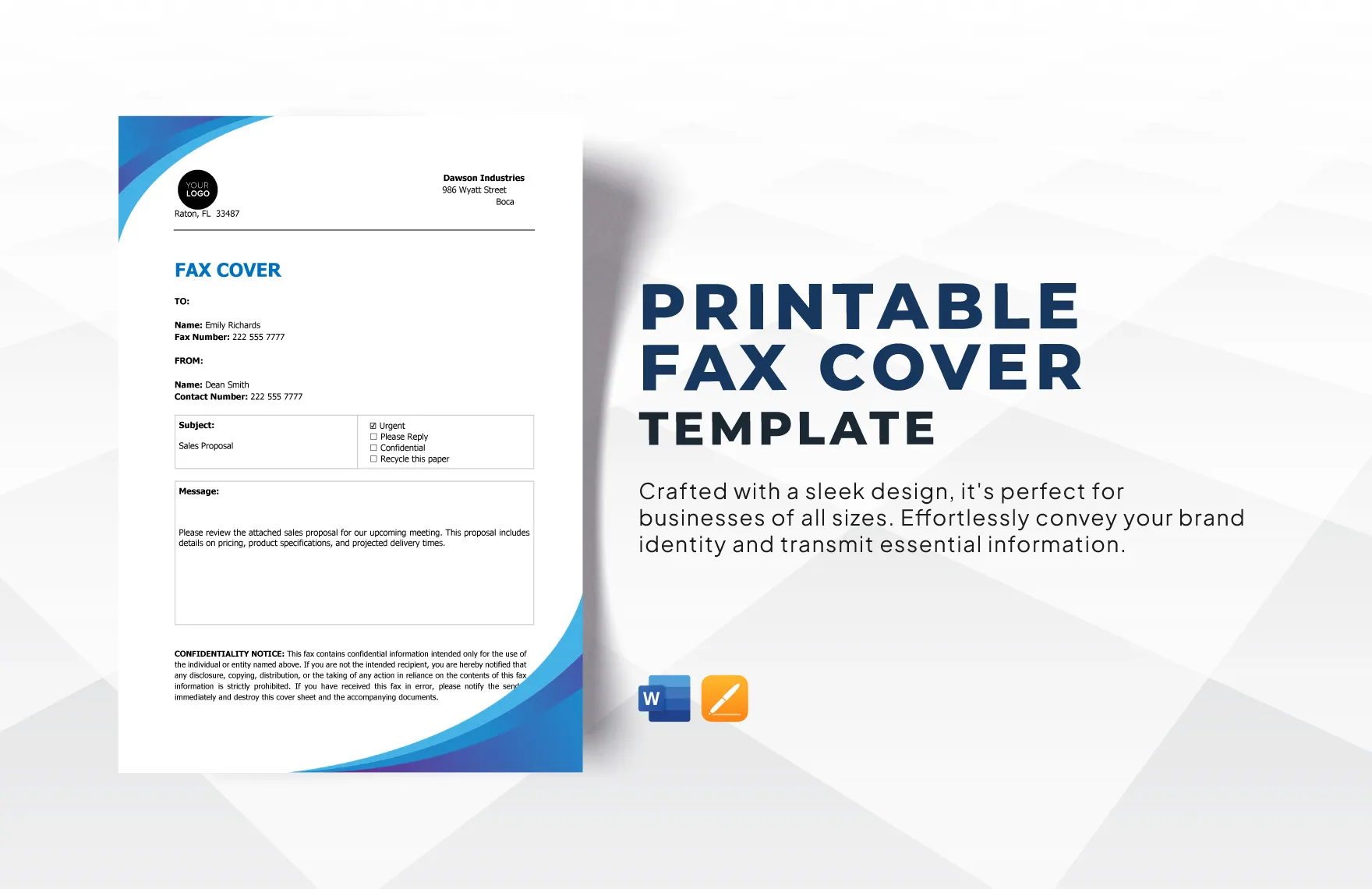
What is a Fax Cover Letter?
A fax cover letter is a crucial document that accompanies a fax transmission. Much like a cover letter for a postal mail, it provides context and necessary information to the recipient, ensuring that they understand the purpose of the fax and can easily identify the sender. It serves as a brief introduction to the documents being sent, and it helps the recipient organize and prioritize the received information. It’s a professional courtesy that enhances the clarity and efficiency of fax communication. A well-written fax cover letter can significantly improve the recipient’s experience and ensure that your message is properly received and acknowledged.
Why Use a Fax Cover Letter?
Using a fax cover letter is essential for several reasons. First, it provides a clear indication of the sender’s identity, which helps prevent confusion and ensures that the recipient knows who the fax is from. Second, it clearly states the purpose of the fax, which allows the recipient to quickly understand the content and take appropriate action. Third, it can include a subject line that summarizes the content, making it easier for the recipient to file and retrieve the document later. Furthermore, it helps maintain a professional image, demonstrating attention to detail and a commitment to clear communication. Finally, it lists any attachments that have been included, which ensures the recipient has all the necessary documents for complete understanding.
Elements of a Fax Cover Letter
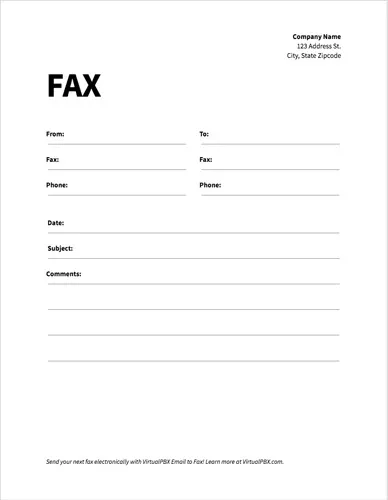
A comprehensive fax cover letter should include several key elements to ensure effective communication. These components work together to provide the recipient with all the information they need to understand the fax quickly. The structure is designed to be concise, yet informative, and it plays a vital role in the professional presentation of your faxed documents. By including all of these elements, you increase the likelihood that your fax will be read, understood, and acted upon efficiently. Let’s look at each element in detail.
Sender’s Information
This section typically includes the sender’s name, company name (if applicable), address, phone number, and fax number. This information helps the recipient identify who sent the fax and provides them with a way to contact the sender if necessary. Ensuring accuracy in this section is critical; otherwise, the recipient might not be able to respond or verify the sender’s identity.
Recipient’s Information
This includes the recipient’s name, company name (if applicable), and fax number. It’s important to double-check the recipient’s fax number before sending to avoid any delivery issues. Correct recipient information is crucial for ensuring that the fax reaches the intended person or department, helping to avoid delays or miscommunication.
Subject Line

A concise subject line helps the recipient quickly understand the fax’s content. Keep it brief and to the point. For example, “Invoice #12345” or “Meeting Minutes.” This is the first piece of information that catches the reader’s eye. The more straightforward the subject line, the better the recipient can understand and file the documents.
Salutation
A polite salutation, such as “Dear Mr./Ms. [Last Name],” sets a professional tone. If you don’t know the recipient’s name, you can use “To Whom It May Concern.” This shows respect and sets a professional tone from the outset. Proper salutations help build rapport and make the communication more personal.
Body of the Letter
The body of the letter should briefly state the purpose of the fax and any important details. Keep it concise and to the point. This is where you introduce the main message. It is the core of the communication. The content must be clear, straightforward, and relevant to the faxed documents. Avoid unnecessary jargon and focus on providing the information that the recipient needs.
Purpose of the Fax

Clearly state the purpose of the fax. For example, “Please find attached the contract for your review” or “This fax is to confirm your order.” This immediate clarification ensures the recipient knows the reason for the communication. The purpose should be specific and related to the documents being sent, guiding the recipient to take appropriate action.
Attachments
List any attachments that are included with the fax. This helps the recipient ensure that they have received all the necessary documents. This simple step prevents confusion and makes sure that the recipient is looking at the complete set of documents. It’s especially important when sending multiple pages.
Closing
A professional closing, such as “Sincerely” or “Best regards,” completes the letter. Following this with your name and title adds a layer of professionalism. The closing is a courtesy. It leaves a positive impression on the recipient.
Contact Information

Include your contact information (phone number and email address) so the recipient can easily contact you with questions. This simple step helps streamline communication and allows the recipient to get clarification immediately. It’s a matter of convenience, providing the recipient with a straightforward method to communicate.
How to Write a Fax Cover Letter [Step-by-Step]
Writing a fax cover letter is a straightforward process. Following these steps ensures that your fax is clear and professional. It’s about precision and clarity. The following steps provide a detailed guide to creating a well-structured cover letter.
Step 1 Open Your Word Processor
Open a word processing program such as Microsoft Word or Google Docs. This is where you will create and format your cover letter. Choose a program that you are comfortable with. Starting with a blank document provides flexibility in formatting.
Step 2 Set Up Your Document

Set the document’s margins and font. Use a standard font like Arial or Times New Roman, and ensure that the text is easy to read. Proper setup is critical for the layout. Adjust margins to provide a professional look. Setting up the document before entering content guarantees consistency and a polished final product.
Step 3 Add Sender’s Information
At the top of the document, include your name, company name, address, phone number, and fax number. Ensure accuracy to enable easy contact and identification. This section allows the recipient to identify you and contact you. Ensuring correct information is a must.
Step 4 Include Recipient’s Information
Below the sender’s information, add the recipient’s name, company name, and fax number. Double-check the fax number for accuracy. Correct recipient details help ensure the fax reaches the intended recipient without any delays or miscommunications.
Step 5 Write a Clear Subject Line

Write a concise subject line that summarizes the content of the fax. Keep it brief and to the point. Examples are “Invoice” or “Meeting Minutes”. The subject line enables recipients to immediately grasp the nature of the message and assists in efficient document filing.
Step 6 Address Your Recipient
Use a professional salutation like “Dear Mr./Ms. [Last Name].” If you don’t know the recipient’s name, use a generic greeting. This sets the tone and shows respect. Salutations set the stage for your fax and build professional rapport with the recipient.
Step 7 State Your Purpose
Clearly state the purpose of the fax in the body of the letter. Be direct and concise. For instance, “Please find attached the contract for your review.” This allows the recipient to understand why they are receiving the fax. Clear statements of purpose make it easy for the recipient to know what to expect and helps them focus their attention.
Step 8 List Attachments
If you are including any attachments, list them in the cover letter to confirm the recipient has everything. Doing so is beneficial for ensuring the recipient gets all required documents. Listing attachments eliminates misunderstandings.
Step 9 Close the Letter
Use a professional closing, such as “Sincerely,” followed by your name and title. This is a standard practice that ends the letter on a courteous note. Properly closing shows professionalism.
Step 10 Include Contact Details
Include your contact information, such as your phone number and email address, to enable the recipient to quickly contact you if they have questions. Providing quick contact options ensures a smooth dialogue and helps in rapid clarification if necessary.
Formatting Tips for Your Fax Cover Letter
Effective formatting is crucial for a professional-looking fax cover letter. Good formatting ensures that the information is easy to read and understand, creating a positive impression on the recipient. Proper formatting makes your fax cover letter polished and professional. This section provides important formatting suggestions to elevate the appearance of your cover letter.
Use a Professional Font
Use standard, easy-to-read fonts like Arial or Times New Roman. Avoid decorative fonts that can be difficult to decipher. Font choice matters because it influences how legible your text appears. Standard fonts are easily read and ensure your message is clear.
Keep it Concise
Keep the letter brief and to the point. Avoid unnecessary information to ensure that the recipient can quickly grasp the essential details. Clarity and brevity are the keys to effective communication. Short and clear sentences save the reader’s time and enhance understanding.
Proofread Carefully
Always proofread your fax cover letter for any errors in grammar or spelling. Errors can diminish your credibility. Thorough proofreading ensures professionalism and a positive impression. Proofreading ensures that your fax is mistake-free and portrays your attention to detail.
Fax Cover Letter Template PDF Free Download
Many websites offer free fax cover letter templates in PDF format. These templates can save you time and effort by providing a pre-formatted structure. You can easily customize these templates with your information. Utilizing free templates can simplify the process of creating your fax cover letter, and a PDF format guarantees the layout is preserved. The availability of free templates provides accessibility and convenience for anyone who needs to send a fax.