What is a Cover Letter and Why Does it Matter
A cover letter is a crucial document that accompanies your resume when applying for a job. It serves as your personal introduction to the hiring manager, providing an opportunity to showcase your personality, enthusiasm, and qualifications. Unlike a resume, which is a factual summary of your skills and experience, a cover letter allows you to tell a story, explain your career goals, and demonstrate why you are the perfect fit for the specific role and company. It provides context to your resume, allowing you to elaborate on your key achievements and explain any gaps in your employment history. In today’s competitive job market, a well-crafted cover letter can be the deciding factor in getting you an interview. It’s your chance to make a strong first impression and set yourself apart from other candidates.
Cover Letter vs Resume the Key Differences
While both cover letters and resumes are essential components of a job application, they serve different purposes. The resume is a concise document that presents your work history, skills, education, and accomplishments in a clear and organized manner. Its primary function is to provide a snapshot of your qualifications. The cover letter, on the other hand, is a more narrative document that allows you to elaborate on your skills, explain your career goals, and express your interest in the specific job and company. It provides an opportunity to demonstrate your writing skills and personality, which are often overlooked in a resume. The resume focuses on ‘what’ you have done, while the cover letter focuses on ‘why’ you are the best fit for the role and ‘how’ your skills and experiences align with the company’s needs. Think of the resume as the facts and the cover letter as the compelling story behind those facts.
How to Structure a Cover Letter Effectively

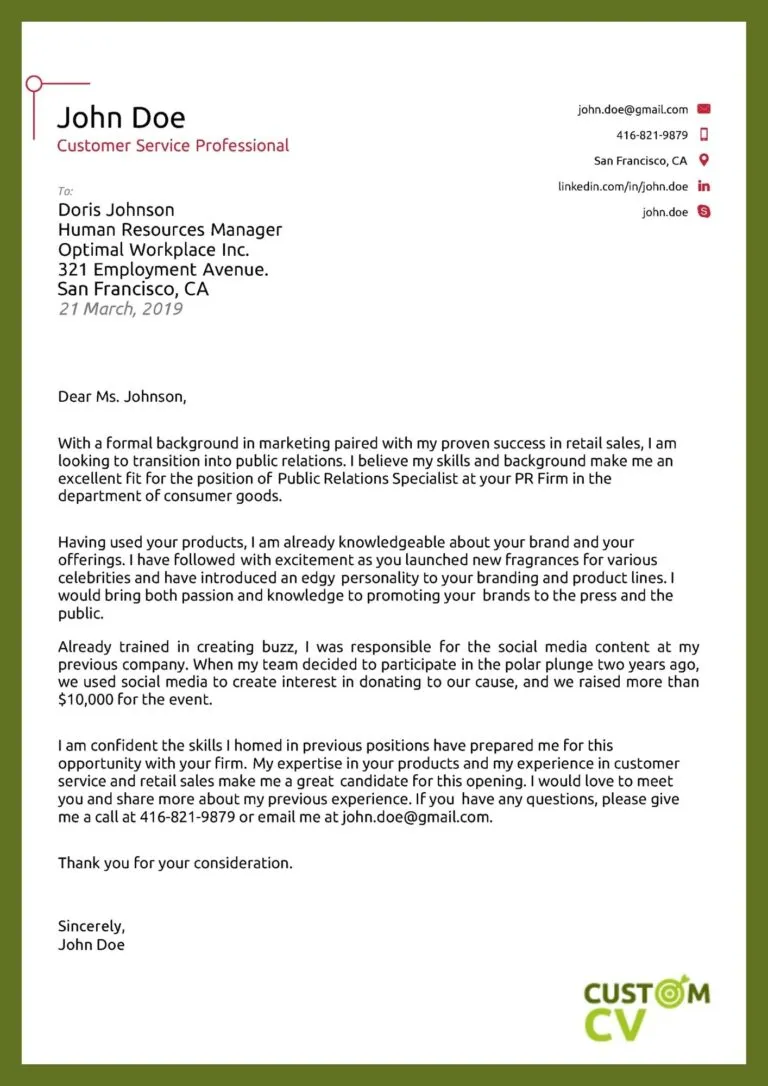
A well-structured cover letter is easy to read and makes a strong impression. Start with a professional header that includes your contact information (name, phone number, email, and possibly LinkedIn profile). Then, address the hiring manager by name if possible, which demonstrates that you’ve done your research. The opening paragraph should grab the reader’s attention by stating the position you are applying for and why you are interested in the company. In the body of the letter, highlight your relevant skills and experiences, providing specific examples of your accomplishments. Quantify your achievements whenever possible to show the impact you’ve made in previous roles. Express your enthusiasm for the role and explain why you are a good fit for the company’s culture and values. Finally, conclude with a strong call to action, expressing your interest in an interview and thanking the reader for their time and consideration. Remember to keep the letter concise, typically one page in length, and use clear and professional language. Check the image cover-letter-structure.webp for more information.
Header Essentials Contact Information
Your header is the first thing the hiring manager sees, so make sure it’s accurate and professional. Include your full name, phone number, email address, and optionally, a link to your LinkedIn profile. Use a clear and easy-to-read font, and ensure your contact information is up-to-date. Avoid using unprofessional email addresses; a professional-sounding email address is a must. The header should be at the top of your letter, either left-aligned or centered, depending on your preference. This section ensures the hiring manager can easily contact you. Double-check all the information to prevent typos.
Addressing the Hiring Manager (If Possible)
Personalizing your cover letter by addressing the hiring manager by name can significantly increase your chances of getting noticed. Research the company website or LinkedIn to find the hiring manager’s name. If you cannot find a specific name, use a general salutation like ‘Dear Hiring Manager’ or ‘Dear [Department Name] Team.’ Avoid generic greetings like ‘To Whom It May Concern,’ as they make your letter seem impersonal. Addressing the hiring manager by name shows that you have taken the time to research the company and are genuinely interested in the opportunity. This small detail demonstrates initiative and attention to detail, qualities that employers value. If you are unable to find a name, ensure you tailor your letter to the specific role and company to show that you have researched the company and understand its values.
Opening Paragraph Grab Their Attention

The opening paragraph is your opportunity to make a strong first impression. Start by stating the position you are applying for and where you found the job posting. Then, immediately capture the reader’s attention by highlighting your most relevant skills or a key achievement that aligns with the job requirements. Express your enthusiasm for the role and the company, demonstrating your genuine interest. Avoid generic opening lines; instead, craft a compelling hook that immediately grabs the hiring manager’s attention. This could be a specific skill, a relevant experience, or a brief mention of how you can contribute to the company’s success. Your opening paragraph should set the tone for the rest of your letter and encourage the reader to continue reading. The aim is to get the reader excited about you. Use the image cover-letter-header.webp to help you with the format.
Highlighting Your Skills and Experiences
The body of your cover letter should highlight the skills and experiences that make you a strong candidate for the job. Review the job description carefully and identify the key requirements. Then, provide specific examples of how your skills and experiences align with those requirements. Use action verbs to describe your accomplishments and responsibilities, and focus on results. Tailor your letter to the specific job and company, emphasizing the aspects of your background that are most relevant to the role. Avoid simply restating your resume; instead, provide additional context and elaborate on your achievements. This is your opportunity to demonstrate how you can solve problems or contribute to the company. Keep your writing concise and easy to read, and use bullet points or short paragraphs to break up the text and make it more digestible.
Research the Company and Job Requirements
Before you start writing, thoroughly research the company and the specific job requirements. Understand the company’s mission, values, and culture. This will help you tailor your cover letter to demonstrate your fit for the role and the company. Review the job description carefully and identify the key skills, qualifications, and experiences that the employer is seeking. Use this information to highlight your relevant skills and achievements, showing how you meet their needs. Visit the company’s website, read articles about the company, and check their social media profiles to gain a deeper understanding of their business and values. The more you know about the company, the better you can position yourself as a qualified candidate. Cover letter success depends on your ability to research and demonstrate understanding of the role.
Showcase Relevant Achievements

Instead of simply listing your responsibilities, showcase your relevant achievements. Focus on what you accomplished in previous roles and how you contributed to the success of your former employers. Use the STAR method (Situation, Task, Action, Result) to structure your examples and provide a clear and concise explanation of your achievements. Describe the situation, the task you were assigned, the actions you took, and the positive results you achieved. Quantify your accomplishments whenever possible; show the impact you made by using specific data and metrics. For example, instead of saying ‘Improved customer satisfaction,’ say ‘Improved customer satisfaction by 15% through implementing a new feedback system.’ Showcasing your achievements makes your cover letter more impactful and demonstrates your value to potential employers.
Quantify Your Accomplishments
Quantifying your accomplishments is a powerful way to demonstrate the impact you’ve made in previous roles. Use numbers, percentages, and specific metrics to illustrate your achievements. For instance, instead of saying ‘Increased sales,’ say ‘Increased sales by 20% in one quarter.’ This gives the hiring manager a clear understanding of your capabilities and the value you can bring to their company. Quantifiable achievements are more compelling than vague statements. They provide concrete evidence of your skills and abilities and help you stand out from other candidates. For example, if you streamlined a process, mention how much time or money you saved. If you led a project, state the project’s budget and your success. Always back up your statements with data.
Expressing Enthusiasm and Fit
Your cover letter should express your enthusiasm for the role and the company. Show that you are genuinely interested in the opportunity and that you have researched the company and understand its values. Explain why you are excited about the specific job and how your skills and experiences align with the company’s needs. Demonstrate your understanding of the company’s mission and vision. This demonstrates that you have taken the time to learn about the company and are truly motivated to work there. Highlight aspects of the company that resonate with you. Your enthusiasm should be genuine and reflect a clear understanding of the role and the company’s culture. If you understand the values of the company express your enthusiasm, you will be more likely to be hired.
The Closing Paragraph Call to Action
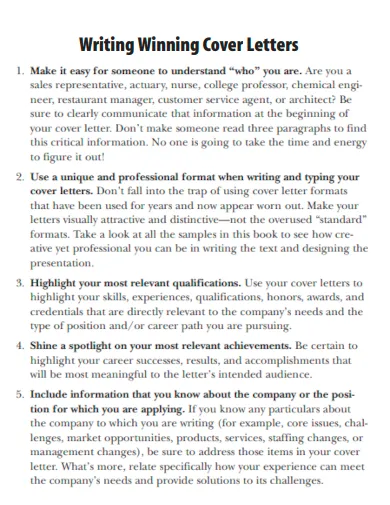
The closing paragraph should include a strong call to action. Express your interest in an interview and reiterate your enthusiasm for the opportunity. Thank the hiring manager for their time and consideration. State your availability for an interview and provide your contact information one more time. Make sure the closing paragraph is professional and reflects your overall tone. Avoid generic closing statements. Instead, tailor the closing to the specific job and company. For example, if you know the company values innovation, you could say, ‘I am excited about the opportunity to contribute to [Company Name]’s innovative culture and look forward to discussing my qualifications further in an interview.’ A well-crafted closing paragraph can leave a lasting positive impression and increase your chances of getting an interview. Always thank the reader for considering you for the role.
Proofreading and Editing Your Cover Letter
Proofreading and editing your cover letter is essential. Errors in grammar, spelling, and punctuation can damage your credibility and make a negative impression on the hiring manager. Before submitting your cover letter, carefully review it for any mistakes. Read the letter aloud to catch awkward phrasing or unclear sentences. Use a spell checker and grammar checker, but don’t rely on them entirely; they can miss errors. Ask a friend or colleague to review your cover letter for you. A fresh pair of eyes can often spot mistakes that you might miss. Ensure your cover letter is formatted correctly and is easy to read. Proofreading is a critical step in the writing process, so do not skip it. The image cover-letter-mistakes.webp will give you information on the mistakes to avoid.
Essential Tips for Cover Letter Success
To write a successful cover letter, keep the following tips in mind. Tailor each cover letter to the specific job and company. Research the company and the role. Highlight your most relevant skills and experiences. Use action verbs to describe your accomplishments. Quantify your achievements whenever possible. Express your enthusiasm for the role and the company. Proofread and edit your cover letter carefully. Keep it concise and easy to read. Use a professional tone and language. Address the hiring manager by name if possible. Ensure that your cover letter complements your resume and provides additional context. Following these tips will increase your chances of getting an interview and landing your dream job. Consider using the image cover-letter-example.webp for extra inspiration.
Tailoring Your Cover Letter for Each Application

Avoid using a generic cover letter for every job application. Instead, tailor your cover letter to each specific job and company. This demonstrates your interest in the specific role and increases your chances of getting noticed. Carefully review the job description and identify the key requirements. Highlight your relevant skills and experiences and explain how they align with the job requirements. Research the company and tailor your letter to reflect their values and culture. Show that you understand the company’s mission and how you can contribute to their success. Tailoring your cover letter is a time-consuming process, but it’s essential for making a strong impression. Take the time to customize each cover letter, and you will significantly increase your chances of getting an interview. View the image cover-letter-tailoring.webp to view how you can tailor your application.
Using Keywords to Optimize Your Letter
Many companies use Applicant Tracking Systems (ATS) to screen resumes and cover letters. To increase your chances of getting past the initial screening, use keywords from the job description in your cover letter. Carefully review the job description and identify the key skills, qualifications, and keywords. Use these keywords naturally throughout your cover letter, especially in the body paragraphs. Avoid keyword stuffing; ensure that the keywords fit seamlessly into your sentences and that your letter reads naturally. Using relevant keywords can help your cover letter pass the ATS screening process and make it to the hiring manager’s desk. Even if the company doesn’t use an ATS, incorporating keywords shows that you understand the job requirements and are a good fit for the role.
Cover Letter Examples to Inspire You
Looking at cover letter examples can provide inspiration and guidance when writing your own. Search online for cover letter examples that are relevant to your industry and the type of job you are seeking. Pay attention to the structure, tone, and language used in the examples. Note how the writers highlight their skills and experiences and express their enthusiasm for the role. While you shouldn’t copy any examples, they can help you brainstorm ideas and understand how to effectively communicate your qualifications. Adapt the examples to your own situation. View the image cover-letter-example.webp to see examples.
Common Cover Letter Mistakes to Avoid

Avoid these common cover letter mistakes. Using a generic cover letter; tailor each letter to the specific job. Making grammatical errors and typos; always proofread carefully. Being too lengthy; keep your letter concise and focused. Not addressing the hiring manager by name; research the company to find the appropriate contact. Repeating information from your resume; provide additional context and elaborate on your achievements. Using clichés and generic language; write in your own voice and be authentic. Focusing on what you want instead of what you can offer the company. Failing to show enthusiasm for the role and the company. If you view the image cover-letter-mistakes.webp, it will give you more information on the mistakes to avoid.