What Is a Teaching Cover Letter?
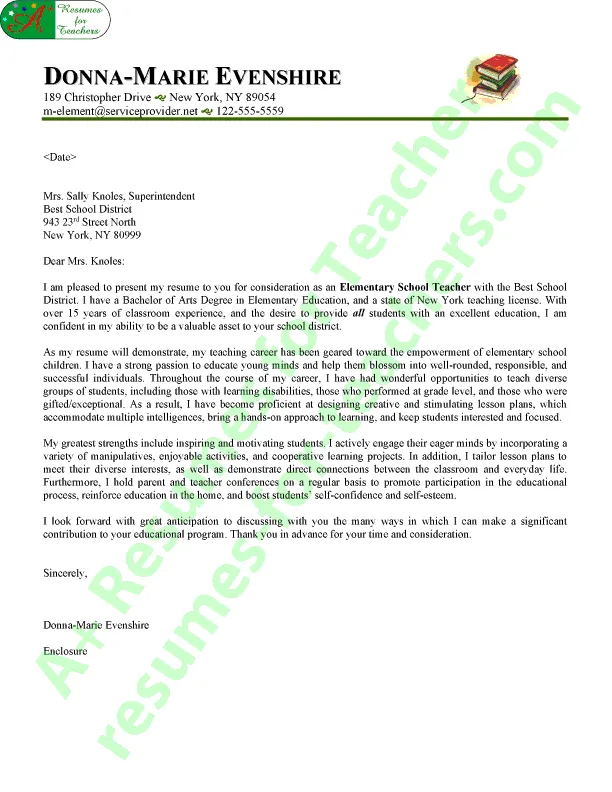
A teaching cover letter is a crucial document that accompanies your resume when applying for elementary teaching positions. It serves as your introduction to the hiring committee, providing an opportunity to showcase your personality, teaching philosophy, and qualifications in a way that a resume alone cannot. Think of it as a personal sales pitch, designed to grab the reader’s attention and convince them that you are the ideal candidate for the job. It goes beyond simply listing your skills and experience; it tells a story about who you are as an educator and why you are passionate about working with young learners. A well-crafted cover letter can significantly increase your chances of landing an interview, making it a vital component of any job application.
Essential Components of an Elementary Teaching Cover Letter
To create a compelling cover letter, you need to include several key components. First and foremost, address the letter to the specific hiring manager or principal if possible; this personalized touch shows you’ve done your research. Begin with a strong opening that immediately captures the reader’s attention, perhaps by expressing your enthusiasm for the school or the teaching opportunity. The body of the letter should highlight your relevant experience, skills, and teaching philosophy. Be sure to tailor each letter to the specific school and position, demonstrating how your qualifications align with their needs and values. Finally, conclude with a confident closing that reiterates your interest and includes a call to action, such as requesting an interview.
Your Contact Information and Introduction

Start your cover letter with your full contact information: your name, address, phone number, and professional email address. This information should be clearly displayed at the top of the page. Following your contact details, address the letter to the hiring manager or principal by name. If you are unsure of the name, research the school website or call the school’s office to find out. Your introduction should be concise and engaging. State the specific position you are applying for and where you saw the job posting. Briefly express your enthusiasm for the opportunity and mention something specific that attracted you to the school or district. Make a strong first impression by conveying your passion for teaching and your eagerness to contribute to the school community. Remember, the introduction is your chance to hook the reader and make them want to learn more about you.
Highlighting Your Teaching Philosophy
Your teaching philosophy is the cornerstone of your cover letter. It should articulate your beliefs about how children learn, your approach to classroom management, and your overall educational goals. Share your commitment to creating a positive and inclusive learning environment where every child feels valued and supported. Discuss your methods for fostering student engagement, critical thinking, and creativity. Explain how you differentiate instruction to meet the diverse needs of your students. You can also provide examples of how you incorporate technology, hands-on activities, or other innovative teaching strategies into your lessons. By clearly articulating your teaching philosophy, you demonstrate your understanding of best practices and your commitment to student success. Remember to align your philosophy with the school’s mission and values if possible.
Showcasing Your Qualifications and Experience
Use this section to highlight your relevant qualifications and experience. Start by mentioning your degree in education or any certifications you possess. Then, elaborate on your teaching experience, whether it’s student teaching, volunteer work, or previous teaching positions. Focus on the skills and accomplishments that directly align with the requirements of the job. Quantify your achievements whenever possible; for instance, mention the percentage of students who met or exceeded learning objectives in your classroom, or the number of professional development workshops you’ve completed. Showcase your ability to create engaging lesson plans, assess student progress, and communicate effectively with parents and colleagues. Provide concrete examples of how you’ve used your skills to positively impact student learning and create a supportive classroom environment.
Emphasizing Your Relevant Skills

Go beyond simply listing your skills; provide specific examples of how you’ve used those skills in the classroom. For instance, instead of stating that you are proficient in classroom management, describe a situation where you effectively resolved a behavioral issue, implemented a new classroom system, or fostered a positive classroom culture. If you are skilled in using technology, explain how you integrate technology into your lessons to enhance student engagement and learning outcomes. If you are proficient in differentiating instruction, provide examples of how you modify your lessons to meet the diverse needs of your students. Make sure to tailor the skills you highlight to the specific requirements mentioned in the job posting. This demonstrates that you’ve carefully considered the position and understand what the school is looking for in a candidate.
Demonstrating Your Passion for Education
Your passion for education should shine through in every part of your cover letter. Share your enthusiasm for working with elementary-aged children and your commitment to fostering their intellectual, social, and emotional growth. Talk about what motivates you as a teacher and why you chose this profession. Mention any specific areas of elementary education that you are particularly passionate about, such as literacy, STEM, or arts integration. You can also share any personal experiences or anecdotes that demonstrate your commitment to education. For example, discuss a time when you went above and beyond to support a student or a project you are particularly proud of. Show the hiring committee that you are not just looking for a job but are genuinely dedicated to making a difference in the lives of young learners.
Tailoring Your Cover Letter to the Specific School
The most effective cover letters are those that are tailored to the specific school and position you are applying for. Research the school’s mission, values, and any recent initiatives or programs. Identify what makes the school unique and highlight how your skills and experience align with their specific needs. In your cover letter, mention specific programs or initiatives that resonate with you. Reference any special requirements or qualifications mentioned in the job posting. By demonstrating that you’ve taken the time to learn about the school, you show the hiring committee that you are genuinely interested in the opportunity and that you are not just sending out a generic application. This level of personalization can significantly increase your chances of getting an interview.
Including a Strong Closing and Call to Action

Your closing should reiterate your interest in the position and express your gratitude for the reader’s time and consideration. Reiterate your qualifications and briefly summarize why you are a good fit for the role. End with a clear call to action, such as requesting an interview and expressing your availability for a meeting. Include your contact information again in the closing, just to make sure it is easily accessible. Thank the hiring manager for their time and express your enthusiasm for the possibility of joining the school’s team. A strong closing leaves a lasting impression and encourages the reader to take the next step in the hiring process. Proofread the entire letter to ensure there are no errors.
Proofreading and Formatting Your Cover Letter
Before submitting your cover letter, carefully proofread it for any grammatical errors, typos, or inconsistencies. Ensure that the formatting is clean and professional, with clear headings, concise paragraphs, and appropriate margins and font size. Use a standard font like Times New Roman, Arial, or Calibri. Make sure your cover letter complements your resume in terms of layout and style. Consider asking a friend, colleague, or career counselor to review your cover letter for feedback. A second pair of eyes can often catch errors that you might have missed. A polished and error-free cover letter demonstrates your attention to detail and professionalism, making a positive impression on the hiring committee and showcasing your value.