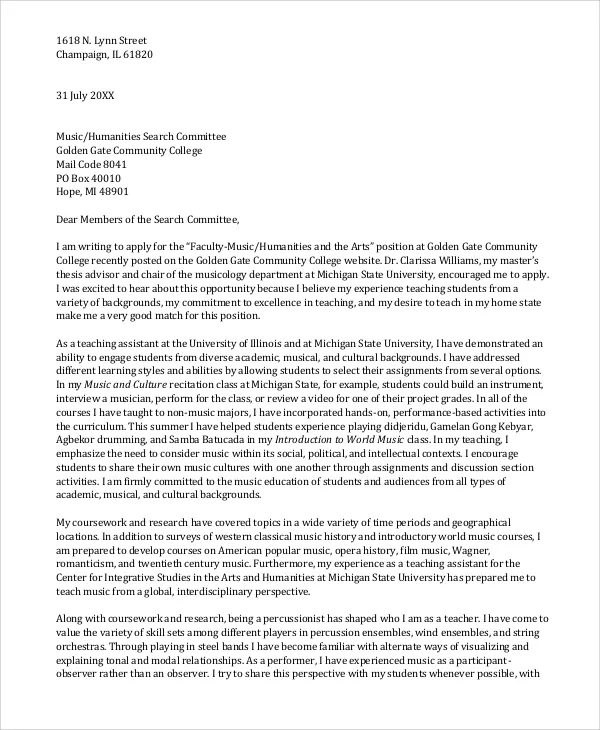
Securing a teaching position at the college level demands more than just a stellar resume. A well-crafted teaching cover letter serves as your introduction, your voice, and your opportunity to make a memorable first impression. It’s the key to unlocking the door to an interview and ultimately, your dream job. This guide provides a comprehensive roadmap to help you create a teaching cover letter that truly impresses and sets you apart from the competition. We’ll cover everything from understanding the fundamental importance of the cover letter to the nitty-gritty details of formatting and structure, ensuring your application shines.
Understanding the Importance of a Teaching Cover Letter
A teaching cover letter is not merely a formality; it’s your chance to tell a story, to connect with the hiring committee on a personal level, and to demonstrate your suitability for the role beyond the confines of your resume. In a competitive job market, where numerous candidates possess similar qualifications, a compelling cover letter is what distinguishes you. It allows you to elaborate on your experiences, articulate your teaching philosophy, and express your genuine enthusiasm for the position and the institution. Think of it as the first page of the most crucial book of your career.
Why a Cover Letter Matters for College Teaching Positions
College teaching positions often seek candidates who can contribute to the intellectual and cultural life of the institution. A cover letter lets you showcase these soft skills, such as communication, critical thinking, and interpersonal abilities, which are difficult to highlight in a resume. College hiring committees often value candidates who demonstrate a clear understanding of the college’s mission, values, and strategic goals. This understanding is best conveyed through a well-researched and personalized cover letter that reflects your alignment with the institution’s ethos. This document shows you are not just applying for a job; you want to be part of a community.
Key Components of a Strong Teaching Cover Letter

A strong teaching cover letter goes beyond a simple recitation of your resume. It incorporates several key components that work together to create a compelling narrative. Begin with a professional salutation, addressed to a specific person if possible. Then, the introduction should immediately grab the reader’s attention. Clearly state the position you’re applying for and how you learned about it. The body paragraphs should delve into your qualifications, teaching philosophy, and relevant experiences. The closing should summarize your key strengths and reiterate your interest in the position, including a call to action like requesting an interview.
Highlighting Your Qualifications and Experience
When highlighting your qualifications, focus on the aspects most relevant to the specific teaching position. Don’t just list your skills; demonstrate them through concrete examples. Instead of saying, “I am a good communicator,” describe a time when you successfully explained a complex concept to a diverse group of students. Quantify your achievements whenever possible. For example, “Increased student engagement by 20%” or “Developed and implemented a new curriculum that improved student performance by 15%.” Emphasize transferable skills, such as leadership, problem-solving, and collaboration, that are crucial in an academic setting. Tailor this information to the college’s specific needs.
Showcasing Your Teaching Philosophy and Style
Your teaching philosophy is the heart of your cover letter. This section should articulate your beliefs about education, your approach to teaching, and your goals for student learning. Describe your teaching style. Are you student-centered, inquiry-based, or lecture-focused? Explain why you choose this style and how it aligns with your educational philosophy. Include specific examples of how you implement your philosophy in the classroom. Do you use active learning techniques, incorporate technology, or foster a collaborative learning environment? Be authentic and passionate, and let your enthusiasm for teaching shine through.
Tailoring Your Cover Letter to the College

A generic cover letter is easily recognized and often discarded. Tailoring your cover letter to each college is essential. This demonstrates that you’ve invested time and effort in understanding the institution and its specific needs. Start by researching the college’s mission statement, values, and strategic goals. Identify any specific initiatives or programs that align with your skills and experience. If the job description emphasizes certain qualifications or requirements, address them directly in your cover letter. Mention specific faculty members or departments you are interested in collaborating with. This level of personalization shows that you are seriously considering this opportunity, not just sending out a mass application.
Researching the College’s Needs and Values
Thorough research is the cornerstone of a well-tailored cover letter. Explore the college’s website, academic publications, and social media presence to gain insights into its culture, values, and priorities. Look for evidence of their commitment to diversity, inclusion, and innovation. Examine the job description carefully. Identify the key skills and qualifications the college is seeking, and address them directly in your cover letter. If possible, attend any online events or webinars hosted by the college to gain a better understanding of their current initiatives. This level of understanding will allow you to demonstrate that you are a good fit for the institution, aligning your values and goals with theirs.
Demonstrating Your Alignment with the Institution
Once you have researched the college, it’s time to demonstrate how your skills, experience, and teaching philosophy align with their specific needs and values. Use specific examples to illustrate how your contributions would benefit the institution. For instance, if the college emphasizes student engagement, describe how you have successfully used active learning techniques to increase student participation in your previous roles. If the college values research, highlight your publications, presentations, or ongoing research projects. Clearly articulate how your goals and aspirations align with the college’s mission, and explain why you are excited about the opportunity to contribute to their academic community. This is how you make a strong case that you are the right candidate for the job.
Formatting and Structure for Maximum Impact

The format and structure of your cover letter contribute significantly to its impact. Keep it concise, typically no more than one page. Use a professional font, such as Times New Roman or Arial, with a font size of 11 or 12 points. Ensure proper spacing, margins, and alignment. Use clear and concise language, avoiding jargon or overly complex sentences. Divide your letter into logical paragraphs, each addressing a specific point or idea. Consider using bullet points or subheadings to break up long blocks of text and make your letter more readable. Proofread carefully for any grammatical errors or typos. A polished and well-formatted cover letter demonstrates professionalism and attention to detail, both essential qualities in a college teaching environment.
Creating a Professional and Readable Cover Letter
Your cover letter should present a professional image of you as a candidate. Start with a professional salutation, such as “Dear Dr. [Last Name],” if you know the name of the hiring manager. If not, “Dear Hiring Committee” or “Dear Search Committee” are acceptable alternatives. Maintain a formal and respectful tone throughout the letter. Use clear and concise language, avoiding slang or casual expressions. Proofread carefully for any errors in grammar, spelling, or punctuation. Ensure that your cover letter is easy to read and visually appealing. Use white space effectively, and consider using a professional template to ensure a consistent and polished look. Your cover letter should be the perfect introduction to you as a professional.
Dos and Don’ts of Teaching Cover Letters
Do personalize your cover letter to each specific position and college. Do showcase your teaching philosophy and relevant experience. Do proofread carefully for errors. Do tailor your letter to the specific requirements of the job. Do use concrete examples to demonstrate your skills. Don’t use a generic template. Don’t simply repeat your resume. Don’t include irrelevant information. Don’t use jargon or overly complex language. Don’t forget to proofread before sending. Following these guidelines will significantly improve your chances of landing an interview and getting hired.
Common Mistakes to Avoid in Your Cover Letter

Several common mistakes can undermine your cover letter’s effectiveness. Avoid generic language and clichés, such as “I am a highly motivated individual.” Don’t simply repeat your resume; instead, provide additional context and examples. Don’t focus solely on yourself; highlight how your skills and experience can benefit the college. Avoid typos, grammatical errors, and poor formatting, as these can create a negative impression. Don’t be overly long or verbose; keep your letter concise and to the point. Ensure your cover letter complements your resume and doesn’t contradict any information. Be sure the information is accurate and up-to-date. Ignoring these details may result in you getting passed over for other qualified candidates.
Writing a Compelling Closing and Call to Action
The closing of your cover letter is your last opportunity to make a positive impression and encourage the hiring committee to take action. Summarize your key strengths and reiterate your enthusiasm for the position. Express your appreciation for their time and consideration. Include a clear call to action, such as requesting an interview or offering to provide additional materials. State your availability for an interview and provide your contact information. Thank the hiring committee for their time and consideration. Ending with a strong closing statement shows you are serious about the opportunity and creates a memorable final impression.
Following Up After Submitting Your Cover Letter
After submitting your cover letter and application, it’s appropriate to follow up with the hiring committee. Send a brief email one to two weeks after the deadline, reiterating your interest in the position and inquiring about the status of your application. Keep your follow-up email concise and professional. If you haven’t heard back after a reasonable amount of time, consider sending a second follow-up email. If you receive an interview invitation, prepare thoroughly by researching the college, the department, and the interviewers. After the interview, send a thank-you note reiterating your interest and thanking the interviewers for their time. Proper follow-up demonstrates your commitment to the position and increases your chances of success.
Writing a compelling teaching cover letter for college positions is a crucial step in your job search. By understanding its importance, incorporating key components, and tailoring it to each institution, you can create an application that captures the attention of the hiring committee. Remember to showcase your qualifications, teaching philosophy, and demonstrate your alignment with the college’s needs and values. With careful planning, meticulous formatting, and a professional approach, your cover letter will undoubtedly help you stand out and increase your chances of landing your dream teaching job. Good luck!