Cover Letter Basics
A cover letter is an essential document accompanying your resume when applying for a job. It serves as your introduction to the hiring manager, providing context to your application and highlighting why you are a suitable candidate. Unlike a resume, which offers a factual overview of your skills and experience, a cover letter gives you the opportunity to express your personality, demonstrate your writing skills, and convey your enthusiasm for the position. Writing a compelling cover letter is critical for making a strong first impression and significantly increasing your chances of getting an interview. A well-crafted cover letter showcases your understanding of the role and your ability to communicate effectively, making you stand out from other applicants. It’s a chance to connect with the employer on a personal level, demonstrating that you’re not just a qualified candidate but also a good fit for the company culture.
Why a Cover Letter Matters
In today’s competitive job market, a cover letter is often the deciding factor between getting an interview and being overlooked. It provides a platform to elaborate on your resume, explaining how your skills and experiences align with the specific requirements of the job. It allows you to address any potential gaps in your resume, such as career changes or periods of unemployment. Furthermore, a cover letter demonstrates your attention to detail and your genuine interest in the position. By tailoring your letter to the specific job and company, you show that you’ve done your research and are invested in the opportunity. This personalized approach significantly increases your chances of grabbing the hiring manager’s attention. It is your first chance to make a good impression and, therefore, should be crafted to be as impactful as possible. The cover letter tells the story of how you meet the needs of the company.
First Impressions

Your cover letter is the first impression you make on a potential employer, and it sets the tone for the rest of your application. A well-written cover letter can grab the hiring manager’s attention and motivate them to read your resume. From the moment they open your cover letter, you are building a case for yourself. This is where you get to shine by conveying your personality, your career objectives, and your passion for the job. Make sure to highlight the skills and experiences that are most relevant to the role you are applying for. Remember, a positive first impression can make the difference between getting a job offer and being overlooked. The cover letter lets you to make a personalized impression on the hiring manager. Ensure it is free of errors and shows that you are professional.
Cover Letter Structure
A well-structured cover letter is easy to read and allows the hiring manager to quickly understand your qualifications and enthusiasm. A standard cover letter structure includes a header, a greeting, an opening paragraph, body paragraphs, and a closing paragraph. Each section plays a vital role in effectively conveying your message. Keep the layout clean and professional, with clear paragraph breaks and an easy-to-read font. The structure should guide the reader through your letter, ensuring that all the crucial information is communicated clearly and concisely. Following a structured format helps to ensure that your letter is both informative and visually appealing, making a positive impact on the reader.
Header Section
The header of your cover letter should include your contact information (name, phone number, email, and optionally, your LinkedIn profile URL) and the date. Include the employer’s contact information (name, title, company, and address) if you have it, or the name of the hiring manager. Make sure this information is accurate and up-to-date. A header that is formatted properly looks professional. When applying online, ensure the format is compatible. A professional header is essential for making a positive first impression and ensuring that the employer can easily contact you.
Greeting

Address your cover letter to a specific person whenever possible. Research the hiring manager’s name and title; this shows your attention to detail and genuine interest. If you can’t find the hiring manager’s name, use a professional greeting such as Dear Hiring Manager or Dear [Company Name] Hiring Team. Avoid generic greetings like To Whom It May Concern, which can make your letter feel impersonal. Make sure your greeting is professional and aligns with the company’s culture. Getting the name correct is critical, but a generic greeting will suffice if you cannot find a name.
Opening Paragraph
The opening paragraph is your opportunity to immediately capture the hiring manager’s attention. Start with a strong statement that highlights your interest in the position and the company. Mention where you found the job posting and briefly state why you are a suitable candidate. Convey enthusiasm and showcase that you are applying for the job. Keep it concise and focused on the key information. The goal is to make the hiring manager want to read more. A compelling opening paragraph sets a positive tone and encourages the reader to continue with your letter. It is the hook to draw the reader in.
Body Paragraphs
The body paragraphs are the core of your cover letter, where you elaborate on your skills, experience, and qualifications. Align your skills with the job requirements, providing specific examples to demonstrate your abilities. Use the STAR method (Situation, Task, Action, Result) to illustrate your accomplishments and showcase your achievements. Tailor the content to the specific job and company, highlighting the most relevant aspects of your background. Maintain a clear and concise writing style, using action verbs and avoiding jargon. Structure your paragraphs logically, making your letter easy to read and understand. Your body paragraphs should convince the hiring manager that you are a strong contender for the position.
Closing Paragraph

In your closing paragraph, reiterate your interest in the position and thank the hiring manager for their time and consideration. Include a call to action, such as expressing your availability for an interview or inviting them to contact you with questions. Keep it brief and professional. Express your enthusiasm for the opportunity and reiterate your interest in the role. End with a professional closing, such as Sincerely or Best regards. A strong closing paragraph leaves a lasting positive impression and makes it easy for the hiring manager to follow up.
Formatting Your Cover Letter
Formatting your cover letter is crucial for readability and professionalism. Choose a professional font, such as Times New Roman, Arial, or Calibri, in a standard size (11 or 12 points). Use a clean and uncluttered layout with one-inch margins on all sides. Use a single-spaced format with a double space between paragraphs. Ensure your cover letter is easy to read and visually appealing. Proofread for any formatting inconsistencies. A well-formatted cover letter demonstrates your attention to detail and professionalism. Remember, the cover letter must be as clear as possible.
Cover Letter Content
The content of your cover letter should be tailored to the specific job and company. Highlight the skills and experiences that align with the job requirements. Provide specific examples to demonstrate your accomplishments. Show your understanding of the company’s values and mission. Personalize your letter by including information about why you are interested in the role and what you can contribute. The best cover letters speak to the needs of the organization. Use keywords from the job description and show that you did your homework.
Highlighting Your Skills

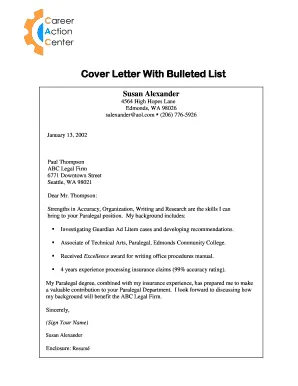
When highlighting your skills, focus on those that are most relevant to the job. Review the job description and identify the key skills the employer is seeking. Provide concrete examples of how you have used those skills in the past. Use action verbs to describe your accomplishments and quantify your results whenever possible. Consider a skills matrix or a bulleted list to make it easy for the hiring manager to quickly understand your capabilities. Emphasize your abilities and show, don’t just tell. The best cover letters show that you meet the requirements of the role.
Showcasing Your Experience
Your cover letter is an opportunity to expand on the experience listed in your resume. Choose the experiences that are most relevant to the job and provide detailed information about your role and responsibilities. Quantify your achievements whenever possible by using numbers and data to demonstrate your impact. Describe how you have contributed to the success of previous employers. Use the STAR method (Situation, Task, Action, Result) to effectively describe your experiences and accomplishments. Show, don’t just tell the reader. Your relevant experience is the main reason why the hiring manager should consider you for the role.
Tailoring to the Job
Tailoring your cover letter to each job is crucial for making a strong impression. Carefully review the job description and identify the key requirements and qualifications. Customize your letter to address those specific requirements. Show that you have researched the company and understand its mission and values. Use keywords from the job description throughout your letter. Show the hiring manager that you’ve done your homework and that you’re genuinely interested in the opportunity. Customize your cover letter as much as possible. The goal is to show that you are the perfect fit for this particular job and company.
Proofreading and Editing

Proofreading and editing your cover letter is a must to ensure it is free of errors. Check for grammar, spelling, punctuation, and formatting mistakes. Use spell check and grammar check tools, but also proofread the letter manually. Read your cover letter aloud to catch awkward phrasing or sentences. Ask a friend or family member to review your letter for feedback. A polished and error-free cover letter demonstrates your attention to detail and professionalism. This is your last chance to make an impression on the reader. Your cover letter must be clear, concise, and free of mistakes.
Common Mistakes to Avoid
Avoid common mistakes that can undermine your cover letter. Do not make generic statements that could apply to any job. Don’t repeat information from your resume; instead, expand on your accomplishments. Avoid jargon and overly complex language. Do not use negative language or complain about previous employers. Keep the focus on your qualifications and your enthusiasm for the job. A cover letter that is free of common mistakes will get you closer to an interview. Your mistakes will send you straight to the rejection pile.
Grammar and Spelling
Grammar and spelling errors can damage your credibility and make a negative impression. Use correct grammar, punctuation, and spelling throughout your cover letter. Proofread carefully for any mistakes. Use grammar and spelling check tools to assist you, but also read the letter aloud to check for any errors. Make sure you are using active voice. Ensure your language is clear and concise. A well-written cover letter will impress the reader.
Tone and Style

The tone and style of your cover letter should be professional and reflect your personality. Use a confident and enthusiastic tone throughout the letter. Maintain a formal tone and avoid slang or casual language. Tailor the tone to match the company culture. Be genuine and let your personality shine through. The goal is to make a great first impression. Your tone is critical. Make sure it is as close to the culture of the company as possible.
Cover Letter Examples
Reviewing cover letter examples can provide valuable insight into how to structure and write your own. Look for examples that are similar to the jobs you are applying for. Pay attention to the tone, style, and content of the examples. Use these examples as a guide, but be sure to personalize your cover letter to reflect your own unique skills and experiences. There are a lot of sample cover letters available. Review several different examples to get a sense of what works. Use the examples to ensure you are crafting the best possible cover letter.