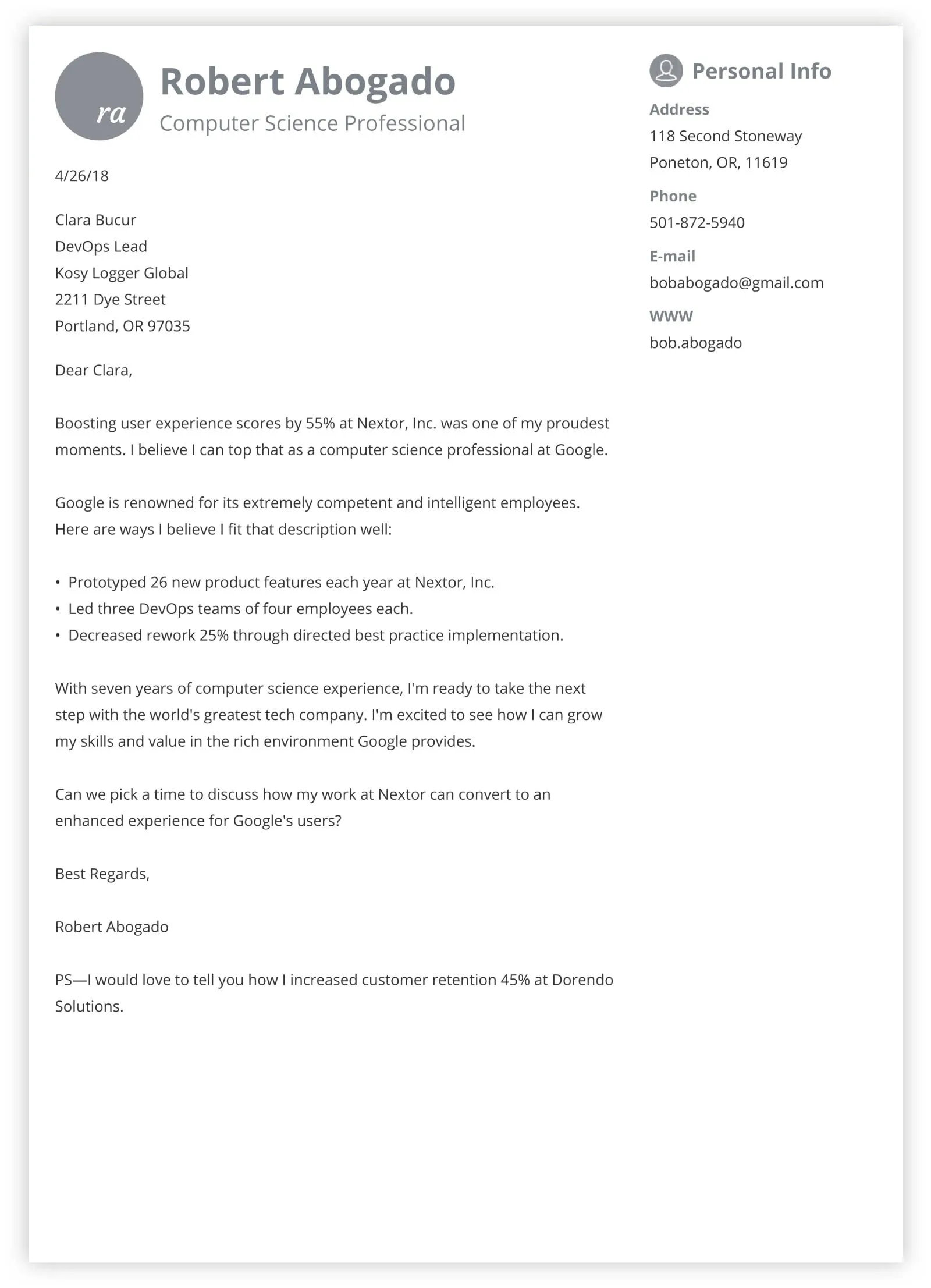
What is a Cover Letter
A cover letter is a crucial document that accompanies your resume when applying for a job. It serves as your first introduction to a potential employer and provides an opportunity to highlight your skills, experiences, and qualifications in a way that a resume alone cannot. A well-crafted cover letter can significantly increase your chances of landing an interview. It’s your chance to make a strong first impression and stand out from the competition. The cover letter allows you to explain your interest in the specific role and company, making it a critical part of the job application process.
Why Cover Letters Matter
Cover letters provide context. They allow you to personalize your application and demonstrate your genuine interest in the position. While your resume outlines your professional history, the cover letter tells your story, explaining why you are the perfect fit for the role and the company. Many hiring managers value cover letters because they reveal your communication skills, writing style, and personality. A compelling cover letter can make a positive impact, especially if your resume alone doesn’t fully capture your qualifications.
The Importance of Personalization

Generic cover letters are easily spotted and often discarded. Personalization is key. Tailor each cover letter to the specific job and company. This means researching the company, understanding its values, and addressing the specific requirements of the role. Show the hiring manager that you’ve taken the time to learn about their needs and that you genuinely want to be a part of their team. Personalization demonstrates your enthusiasm and attention to detail, making you a more attractive candidate.
Step 1 Research the Company
Before you start writing, thoroughly research the company and the specific role. Understanding the company’s mission, values, and culture will help you tailor your cover letter to their needs. This research demonstrates your initiative and genuine interest. Visit the company’s website, review their social media profiles, and read news articles about them. The more you know, the better you can align your skills and experiences with their requirements. Knowing the company’s current projects and challenges can help you highlight relevant skills.
Find the Right Contact
Whenever possible, address your cover letter to a specific person, such as the hiring manager or the recruiter. This is more personal than using a generic salutation. Finding the right contact shows initiative and attention to detail. You can often find the hiring manager’s name on the job posting, the company website, or through LinkedIn. If you can’t find a specific name, try using a general title like “Hiring Manager” or “Recruiting Team.” This shows that you have put in effort to make a connection.
Understand the Company Culture

Understanding the company culture is crucial for writing an effective cover letter. Does the company emphasize innovation, collaboration, or customer service? Tailor your language and tone to reflect their values. For example, if the company culture is collaborative, highlight your teamwork skills and experiences. If they value innovation, discuss your creative problem-solving abilities. Researching company culture ensures that your cover letter aligns with their expectations and makes you a good fit. It’s about more than just your skills, it’s about how you fit in.
Step 2 Craft a Compelling Opening
Your opening paragraph is your first chance to grab the reader’s attention. Start with a strong statement that immediately highlights your interest in the role and the company. Avoid generic phrases like “I am writing to apply.” Instead, express your enthusiasm and explain why you are a good fit. Mention a specific achievement or skill that aligns with the job requirements. This opening should hook the reader and make them want to learn more about your qualifications. Make it clear why you’re applying and what you bring to the table.
Highlight Your Key Skills
Identify the key skills and qualifications the employer is seeking, and then clearly state how you possess them. Review the job description carefully and identify the essential skills. Provide concrete examples of how you have used these skills in previous roles. Don’t just list skills; demonstrate them through your achievements and experiences. For example, instead of saying “I have strong communication skills,” describe how you successfully led a team project by effectively communicating with team members and stakeholders. Highlight 2-3 key skills.
Tailor to the Specific Job

Every cover letter should be tailored to the specific job you’re applying for. Use the job description as your guide. Address the specific requirements and responsibilities mentioned in the posting. Show the hiring manager that you have read the job description and understand what they are looking for. Mention the specific skills and experiences that align with the role. Avoid using a generic cover letter that could apply to any job. Tailoring your letter shows that you are seriously interested in the position and have the qualifications they need.
Step 3 Showcase Your Achievements
Your cover letter should provide evidence of your accomplishments. Don’t just list your job duties; focus on your achievements and the positive results you have delivered. Use specific examples to illustrate your skills and experiences. Quantify your achievements whenever possible to show the impact you have made. This helps the employer understand the value you can bring to their organization. Use real-life examples that demonstrate your competence and ability to succeed in the role.
Use Action Verbs to Describe Experiences
When describing your experiences, use strong action verbs to make your letter more dynamic and engaging. Action verbs help to paint a clear picture of your accomplishments and showcase your capabilities. Start each bullet point or sentence with an action verb to create a more active and impactful narrative. Use verbs such as “managed,” “led,” “developed,” “implemented,” “achieved,” “increased,” and “improved.” These verbs make your writing more compelling and highlight your contributions. They draw attention to your accomplishments.
Quantify Your Accomplishments

Whenever possible, quantify your accomplishments with specific data and numbers. This provides concrete evidence of your impact and makes your achievements more compelling. Instead of saying “Improved customer satisfaction,” say “Improved customer satisfaction by 15%.” Instead of saying “Increased sales,” say “Increased sales by 20% within six months.” Numbers and data make your claims more credible and demonstrate your ability to deliver results. Quantifying your accomplishments gives the hiring manager clear insights into the value you bring.
Step 4 Address the Employer’s Needs
Focus your cover letter on how you can solve the employer’s problems and meet their needs. Research the company’s challenges and goals, and then explain how your skills and experiences can help them achieve their objectives. Highlight the specific contributions you can make to the team and the organization. Show the employer that you understand their business and are eager to contribute to their success. This shows the hiring manager that you are thinking about their needs and how you can address them.
Demonstrate How You Can Contribute
Clearly explain how your skills and experiences align with the specific requirements of the job. Provide concrete examples of how you have contributed to previous organizations. Explain how your skills will translate into success in the role you’re applying for. Connect your skills to the responsibilities of the job. Show the hiring manager that you not only have the skills but also the ability to apply them to the tasks at hand. Demonstrate how your unique experiences can add value to the company.
Showcase Your Enthusiasm

Express your genuine enthusiasm for the role and the company. Show that you are excited about the opportunity and eager to contribute. This can be as simple as stating “I am incredibly excited about the opportunity to join your team.” Your enthusiasm can be contagious and leave a positive impression. Mention what attracts you to the company and the specific role. Enthusiasm shows that you are passionate and motivated.
Step 5 Close with a Strong Call to Action
Your closing paragraph is your last opportunity to make a strong impression. End with a clear call to action. This tells the hiring manager what you want them to do next. A strong call to action can be as simple as requesting an interview. Make it easy for them to take the next step. Reiterate your interest in the position and express your gratitude for their time and consideration. A well-crafted closing paragraph reinforces your qualifications and enthusiasm.
Express Gratitude
Always express your gratitude for the opportunity to apply. Thank the hiring manager for their time and consideration. This shows that you value their attention and respect their decision-making process. A simple “Thank you for your time and consideration” is enough. Expressing gratitude is a sign of professionalism and respect, and it leaves a positive impression. This leaves the hiring manager with a positive feeling about you and the application process.
Reiterate Your Interest

Reiterate your interest in the position and the company in your closing paragraph. Remind the hiring manager why you are a good fit and why you want the job. Briefly summarize your key skills and qualifications and restate your enthusiasm for the opportunity. This serves as a final reminder of your value and commitment. This reiteration reinforces your desire to work for the company and gives the hiring manager another reason to consider you.