Understanding the Importance of a Strong HR Manager Cover Letter
In the competitive landscape of human resources, a well-crafted cover letter is your first opportunity to make a lasting impression. It goes beyond the information presented in your resume and offers a chance to showcase your personality, passion, and specific qualifications that align with the role. A compelling cover letter can significantly increase your chances of securing an interview, setting the stage for a successful job application. For an HR manager position, this is particularly crucial because it demonstrates your understanding of effective communication and professional presentation, key skills required for the role.
Why a Cover Letter Matters for HR Professionals
For HR professionals, a cover letter serves as a vital tool to illustrate their understanding of people management, organizational culture, and the ability to communicate complex ideas. A well-written cover letter demonstrates your attention to detail, organizational skills, and ability to present information concisely and persuasively. These skills are not only essential for HR roles but also reflect your ability to represent the company’s values and handle sensitive information with discretion. Furthermore, a tailored cover letter allows you to address any gaps in your resume and highlight specific achievements relevant to the job description, thereby making a stronger case for your candidacy.
Key Components of a Successful HR Manager Cover Letter

A successful HR manager cover letter comprises several key components that work in harmony to present your candidacy effectively. These components should include contact information, a compelling opening statement, highlighting relevant skills and experience, showcasing achievements, demonstrating knowledge of HR best practices, and tailoring your letter to the specific job description. Each element plays a crucial role in conveying your qualifications, enthusiasm, and suitability for the position. Neglecting any of these components can weaken the overall impact of your application and may lead to it being overlooked by hiring managers. The goal is to create a cohesive narrative that aligns with the company’s needs and demonstrates your value as a potential employee.
Contact Information and Addressing
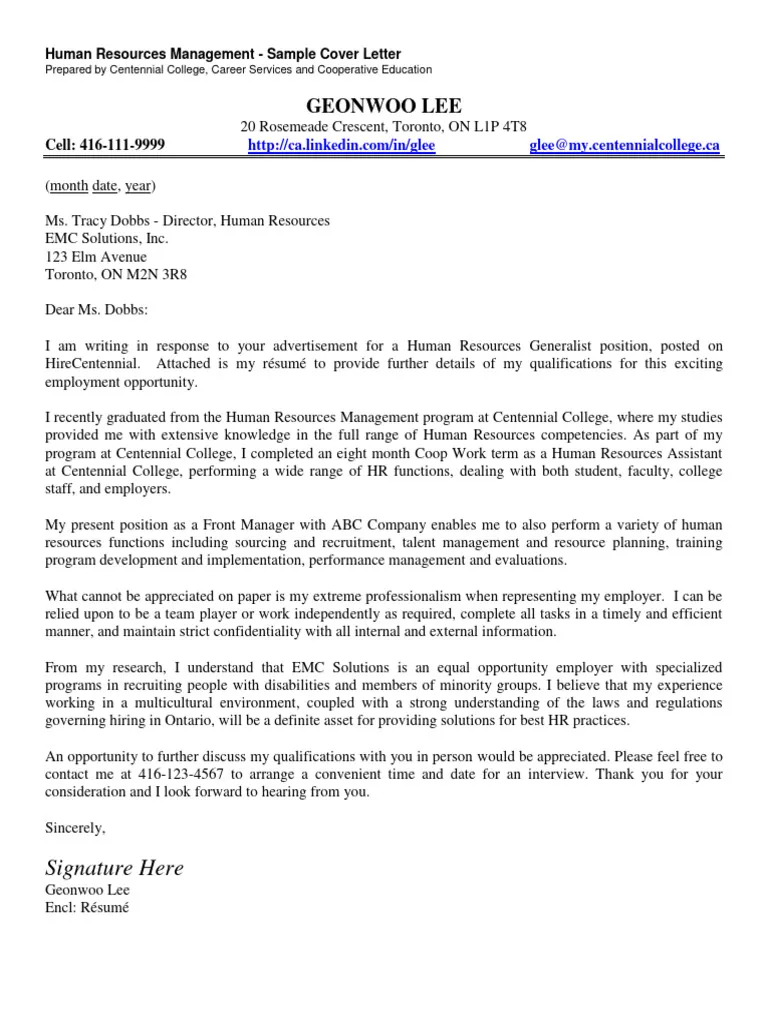
Begin your cover letter by providing your complete contact information, including your full name, phone number, email address, and professional social media profile (such as LinkedIn). Address the letter to the hiring manager or the specific person mentioned in the job posting; this shows initiative and attention to detail. If the name of the hiring manager is unavailable, use a professional salutation such as “Dear Hiring Team” or “Dear [Department Name] Hiring Manager.” This initial step sets a professional tone and allows the recipient to easily contact you if needed.
Crafting a Compelling Opening Statement
Your opening statement is your first and perhaps only opportunity to grab the hiring manager’s attention. Start with a strong and engaging hook that clearly states the position you are applying for and how you learned about it. Briefly highlight what makes you a standout candidate, such as a significant achievement or a unique skill relevant to the job. Avoid generic phrases; instead, aim to express your enthusiasm for the company and the role. A well-crafted opening immediately signals to the reader why they should continue reading and consider your application.
Highlighting Relevant Skills and Experience

The body of your cover letter should highlight your most relevant skills and experiences. Carefully review the job description and identify the key requirements. Then, provide specific examples of how your past experiences align with these requirements. Quantify your accomplishments whenever possible using numbers, data, and specific results. This approach not only demonstrates your ability to perform the job but also adds credibility to your claims. Focus on achievements that align with the company’s needs, ensuring you use keywords from the job description to optimize your application.
Showcasing Achievements and Quantifiable Results
Instead of simply listing your responsibilities, showcase your achievements and quantify your results. Use the STAR method (Situation, Task, Action, Result) to effectively communicate your accomplishments. For example, instead of stating “Managed employee relations,” you could write: “Resolved over 90% of employee grievances within a week, resulting in improved morale and reduced legal risks.” Highlighting quantifiable results provides tangible evidence of your value and demonstrates your ability to drive positive outcomes in previous roles, which are critical for the HR manager role.
Demonstrating Knowledge of HR Best Practices
Demonstrate your understanding of current HR best practices, including areas such as recruitment, employee relations, performance management, compensation, and compliance. Mention any certifications or training relevant to these areas. Show that you are up-to-date with industry trends and regulations and are committed to continuous learning. This demonstrates your commitment to professional development and your ability to apply this knowledge to the company’s HR initiatives, which are critical to the HR manager role.
Tailoring Your Letter to the Specific Job Description

Each cover letter should be customized to the specific job description. Do not use a generic template; instead, analyze the job posting and identify the key skills and qualifications the employer seeks. Then, tailor your letter to address those specific requirements, providing examples of how your experience aligns with their needs. This demonstrates that you have taken the time to understand the role and are genuinely interested in the opportunity. Generic cover letters suggest a lack of genuine interest in the position, which could lead to rejection.
Researching the Company and Its Culture
Before writing your cover letter, research the company and its culture. Understand its mission, values, and recent achievements. This research allows you to tailor your letter to the company’s specific needs and show that you are interested in contributing to their success. Mention any company initiatives or values that resonate with you and explain how your skills and experience align with them. Showing that you understand the company’s culture demonstrates that you would be a good fit and are genuinely enthusiastic about the opportunity.
Structuring the Body Paragraphs Effectively
Structure your body paragraphs logically, using clear headings and concise sentences. Each paragraph should focus on a specific aspect of your skills or experience and provide examples to support your claims. Use the STAR method (Situation, Task, Action, Result) to explain your accomplishments clearly. Keep paragraphs brief and easy to read. This organizational approach makes your letter more accessible and allows the hiring manager to quickly grasp your qualifications and assess your suitability for the position. Well-structured paragraphs enhance readability and ensure the most important information is conveyed effectively.
Using Action Verbs to Showcase Accomplishments

Use strong action verbs to describe your accomplishments and responsibilities. Action verbs make your writing more dynamic and engaging, drawing the reader’s attention. Instead of saying “Responsible for managing employee benefits,” use a phrase like “Implemented a new benefits program that reduced costs by 15%.” This approach makes your accomplishments more vivid and impactful, highlighting your contributions and results. Some effective action verbs to use include “managed,” “led,” “developed,” “implemented,” “achieved,” and “improved.”
Formatting and Layout for Readability
Formatting and layout are crucial to make your cover letter easy to read. Use a professional font, such as Arial or Times New Roman, and set the font size to 11 or 12 points. Maintain consistent spacing and margins throughout the document. Use bullet points or numbered lists to highlight key skills or achievements. Ensure the letter is well-organized, with clear headings and subheadings to guide the reader. A well-formatted cover letter demonstrates attention to detail, making a positive impression and enhancing your overall professional image.
Choosing the Right Font and Font Size
Choose a professional and readable font, such as Times New Roman, Arial, or Calibri. These fonts are widely recognized and easy on the eyes. Select a font size between 11 and 12 points to ensure the text is clear without being too small or too large. Consistency in your font and font size throughout the letter maintains a polished look and improves the overall readability, which is essential when the hiring manager is assessing numerous applications. This attention to detail reflects well on your application.
Proofreading and Editing for Errors

Proofreading and editing are essential steps in writing a successful cover letter. Carefully review your letter for any grammatical errors, spelling mistakes, and typos. Ensure that the content is clear, concise, and well-organized. Consider having a friend or colleague review your letter to provide a fresh perspective and catch any errors you may have missed. A polished and error-free cover letter demonstrates your attention to detail and commitment to professionalism, leaving a positive impression on the hiring manager. Correcting errors adds credibility and shows you value quality.
Common Mistakes to Avoid in Your Cover Letter
Several common mistakes can diminish the impact of your cover letter and reduce your chances of getting an interview. Avoiding these pitfalls is crucial to making a strong and positive impression on the hiring manager. These errors can damage your credibility and distract from your qualifications. By being mindful of these mistakes, you can significantly enhance the effectiveness of your cover letter and increase your chances of securing an interview.
Generic Phrases and Clichés
Avoid using generic phrases and clichés in your cover letter, as they can make your application sound unoriginal and insincere. Phrases such as “I am a team player” or “I am a hard worker” are overused and do not provide specific information about your skills and experience. Instead, use specific examples and quantify your accomplishments to demonstrate your capabilities. Replacing these phrases with concrete achievements allows you to showcase your skills in a way that is more engaging and meaningful to the hiring manager. Use specific details to make your application stand out.
Focusing on “I” Instead of “You”

While it’s important to highlight your skills and accomplishments, avoid making your cover letter all about yourself. Instead, focus on how your skills and experience align with the company’s needs and the specific requirements of the job. Frame your achievements in terms of the value you can bring to the organization. Demonstrate that you understand the company’s goals and how you can contribute to their success. Making the hiring manager the focus of your application helps to show that you understand their priorities and are a good fit for their needs. This demonstrates a clear understanding of the role.
Ignoring the Job Description
One of the most significant mistakes is ignoring the job description. Tailor your cover letter to the specific requirements outlined in the job posting. Highlight how your skills and experience match those requirements. Use keywords from the job description to optimize your application and show that you have read and understood the requirements. Failing to address the specific requirements of the role gives the impression that you are not a good fit. Customizing your letter increases your chances of getting an interview by showing that you are the ideal candidate.
Adding a Strong Closing Statement
Conclude your cover letter with a strong closing statement that summarizes your interest in the position and reiterates your value. Thank the hiring manager for their time and consideration. Express your enthusiasm for the opportunity and state that you are eager to discuss your qualifications further in an interview. Including contact information for follow-up reinforces your availability and demonstrates your commitment to the application process. End your letter on a positive note and reiterate your enthusiasm for the company and the role.
Expressing Enthusiasm and Interest
Express your enthusiasm for the position and the company in your closing statement. Show your genuine interest in the opportunity and why you are excited about the prospect of joining their team. Demonstrating this enthusiasm can set you apart from other candidates. Reiterate your interest in the role and reinforce your commitment to the position. Your genuine interest can make a lasting impression on the hiring manager.
Providing Contact Information for Follow-Up
Provide your contact information again in your closing statement to make it easy for the hiring manager to reach you. Include your phone number and email address, and state your availability for an interview. This ensures the hiring manager has all the necessary information at hand if they wish to contact you. Providing clear contact details simplifies the hiring process and shows that you’re proactive and responsive, critical traits for an HR professional. This action reinforces your commitment to moving the process forward.
Examples of Effective HR Manager Cover Letters
Reviewing examples of effective HR manager cover letters can provide valuable insights into structuring your own. These samples showcase how to highlight your skills and experience effectively. Pay attention to the language used, the structure of the paragraphs, and the way the achievements are presented. Analyze these examples to learn how to present yourself in a compelling and professional manner, demonstrating your skills for the HR manager position. Adapt these examples to create your own, highly effective cover letter. Understanding how successful cover letters are written provides you with a framework to create your own.
Cover Letter Sample for Experienced HR Manager
For experienced HR managers, a cover letter should highlight significant accomplishments and leadership roles. Use this space to discuss how you’ve improved HR processes, reduced costs, or increased employee satisfaction in previous roles. Focus on quantifiable results and demonstrate your ability to manage a team and drive strategic HR initiatives. Showcasing your expertise in areas such as talent acquisition, performance management, and employee relations adds credibility and demonstrates your readiness for the HR manager position. The most effective samples showcase results and leadership experience.
Cover Letter Sample for HR Manager with Specific Skills
If you possess specific skills, such as expertise in compensation and benefits, talent acquisition, or employee relations, tailor your cover letter to highlight those skills. Provide examples of how you have used these skills to achieve positive outcomes. For instance, if you have expertise in talent acquisition, discuss your experience in sourcing, interviewing, and onboarding new employees. If you have experience with performance management systems, describe how you have implemented them to improve employee performance. Highlight specific skills and link them to the job description. Demonstrating specific skills shows how you can directly contribute to the company’s needs.
Tips for Customizing Your Cover Letter
Customizing your cover letter is crucial for standing out. Tailor each letter to the specific job you are applying for. Research the company and its values. Analyze the job description and identify key requirements. Customize your letter to address the specific needs of the role. Make sure the letter aligns with the company’s culture. Customization shows you are invested in the position and are committed to the process. Generic cover letters may not impress the hiring manager.
Adapting Your Letter for Different Roles and Industries
Adapt your cover letter for different roles and industries. The approach you take for an HR manager position in a technology company will differ from one in a healthcare setting. Research the industry and company culture to tailor your language and emphasize the skills most valued in that specific context. Highlight experiences and achievements most relevant to the industry and the specific job requirements. Tailoring your cover letter to different roles and industries shows that you can adapt your communication style and are interested in the organization’s needs. This is especially important for an HR role, which requires versatility.
Using Keywords from the Job Description
Incorporate keywords from the job description into your cover letter. This helps your application get noticed by applicant tracking systems (ATS) and demonstrates that you understand the requirements. Identify the most important keywords related to skills, experience, and qualifications. Use these words naturally throughout your letter. However, be careful not to overdo it; maintain a natural flow and avoid keyword stuffing. Using keywords is vital for helping your application get through the initial screening process.
Finalizing and Submitting Your Cover Letter
Finalizing and submitting your cover letter involves several important steps to ensure your application is polished and professional. Carefully review all aspects of your letter before submitting it. Following these steps will help ensure your application leaves a lasting and positive impression. Attention to detail is essential, as a polished cover letter demonstrates professionalism and a commitment to excellence.
Saving Your Cover Letter in the Correct Format
Save your cover letter in the correct format, typically a PDF or DOCX file. PDF format is recommended as it preserves the formatting and layout of your document, ensuring it appears exactly as you intended. If the job posting specifies a preferred format, follow those instructions. Using the correct file format demonstrates your attention to detail and professionalism, and ensures that your cover letter can be easily read and understood by the hiring manager. This helps to maintain clarity and organization in your submission.
Sending Your Cover Letter with Your Resume
Always send your cover letter with your resume, unless the job posting explicitly states otherwise. Your cover letter and resume work together to provide a comprehensive overview of your qualifications and experience. Ensure that both documents are consistent in terms of formatting and style. This demonstrates a cohesive and professional approach to your application. Sending both documents together gives the hiring manager a complete picture of your background and increases your chances of being selected for an interview. This ensures you provide all the required information to the hiring manager.