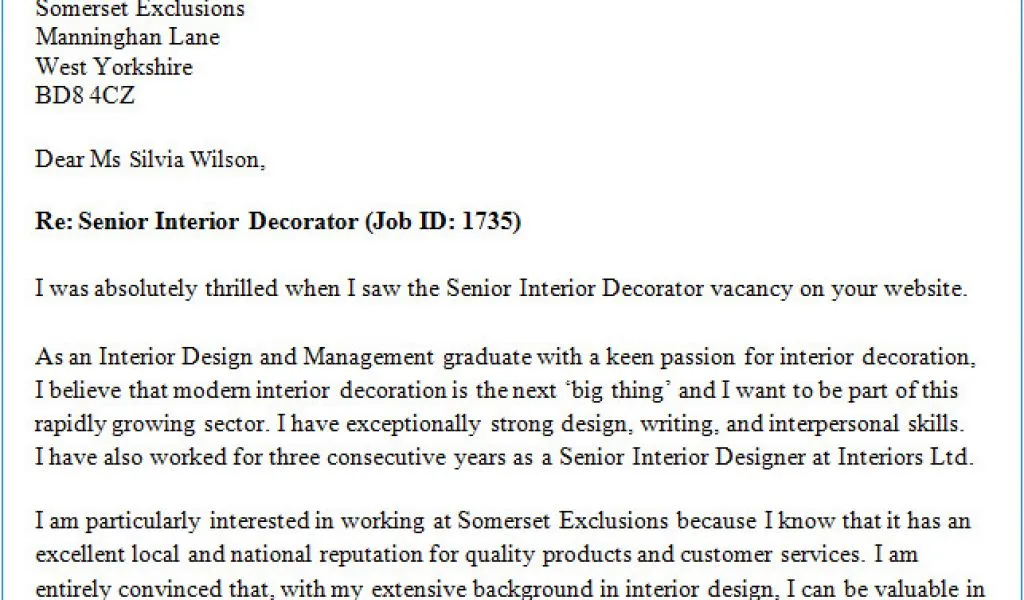
Cover Letters What Makes Them Shine?
In the competitive world of job applications, a well-crafted cover letter is your secret weapon. It’s your first opportunity to make a lasting impression, showcasing your personality, skills, and enthusiasm. Unlike a resume, which provides a snapshot of your experience, a cover letter allows you to tell your story, connecting your qualifications to the specific requirements of the job. A cover letter that shines is not just a formality it’s a strategic tool designed to get you noticed and land you an interview. By understanding the elements that make a cover letter effective, you can significantly increase your chances of success in your job search. This guide provides all the information you need.
Understanding the Purpose of a Cover Letter
A cover letter serves multiple critical purposes beyond simply introducing yourself. First and foremost, it’s an opportunity to demonstrate your understanding of the role and the company. It allows you to articulate why you’re a good fit, connecting your skills and experiences to the specific job requirements. It provides context to your resume, explaining career transitions or gaps. A cover letter allows you to showcase your communication skills and writing style, demonstrating your professionalism and attention to detail. A well-written cover letter captures the hiring manager’s attention, highlighting your key strengths and making you stand out from other candidates. A clear objective is essential, but demonstrating an understanding of the company’s needs and the role’s responsibilities is equally important.
Key Components of a Cover Letter

A compelling cover letter follows a clear structure. It begins with your contact information, followed by the date and the recipient’s details. The salutation should be personalized, addressing the hiring manager by name whenever possible. The opening paragraph grabs attention, stating the position you’re applying for and expressing your interest. The body paragraphs elaborate on your relevant skills and experiences, providing specific examples of your achievements and aligning them with the job requirements. The closing paragraph reiterates your interest, expresses gratitude, and includes a call to action, such as inviting the reader to review your resume and schedule an interview. Each component plays a vital role, contributing to the overall effectiveness of your application and encouraging the reader to learn more about your qualifications.
Contact Information
Start with your full name, address, phone number, and email address. Ensure your email address is professional. This information should be at the top of your letter, making it easy for the hiring manager to contact you. Double-check for accuracy to avoid any communication issues, and ensure that it’s formatted consistently and easy to read. Your contact information sets the stage for your professional presentation.
The Salutation
Use a formal salutation like “Dear Mr./Ms./Mx. [Last Name].” Research the hiring manager’s name. If you can’t find a specific name, use “Dear Hiring Manager.” Avoid generic greetings like “To Whom It May Concern.” A personalized salutation shows initiative and attention to detail, making a positive first impression.
Opening Paragraph: Captivate Immediately

Your opening paragraph is your elevator pitch. State the position you’re applying for and where you saw the job posting. Briefly express your interest and enthusiasm for the role and the company. Highlight one or two key skills or experiences that make you a strong fit. The goal is to capture the reader’s attention and encourage them to continue reading. Make it concise, compelling, and relevant to the job requirements.
Body Paragraphs Show Your Value
In the body paragraphs, demonstrate how your skills and experiences align with the job requirements. Provide specific examples of your achievements, using the STAR method (Situation, Task, Action, Result) to illustrate your contributions. Focus on the qualifications mentioned in the job description. Use keywords from the job posting to ensure your cover letter is easily scanned by applicant tracking systems (ATS). Connect your experiences to the company’s goals and values, showing how you can contribute to their success.
Highlighting Relevant Skills and Experience
Identify the key skills and experiences the employer seeks. Then, provide evidence of your proficiency. Showcase technical skills, soft skills (communication, teamwork, problem-solving), and any industry-specific knowledge. Tailor these highlights to match each job application. Use action verbs to describe your accomplishments. Provide concrete examples that illustrate your skills in action, such as a project you completed, a problem you solved, or a goal you achieved.
Quantifying Achievements with Numbers

Whenever possible, quantify your achievements using numbers and data. Instead of saying “Improved customer satisfaction,” say “Increased customer satisfaction by 15% in six months.” Numbers add credibility and demonstrate the impact of your work. Use metrics like percentages, dollar amounts, and timeframes to illustrate your contributions. This approach makes your accomplishments more tangible and memorable to the hiring manager.
Tailoring Your Cover Letter for Each Job
Avoid using a generic cover letter. Customize each cover letter to match the specific job requirements and the company’s culture. Research the company and understand its mission, values, and recent activities. Review the job description carefully and identify the keywords and skills emphasized. Address the hiring manager’s needs, showing how your skills and experience can contribute to their success. Tailoring your letter demonstrates your genuine interest and attention to detail.
Closing Paragraph: Call to Action
Reiterate your interest in the position and express your enthusiasm. Thank the hiring manager for their time and consideration. Include a call to action, such as inviting them to review your resume or schedule an interview. State your availability for an interview and how they can contact you. A strong closing paragraph reinforces your interest and encourages the next step in the hiring process. This ensures that your application is not only read but also prompts further action.
Expressing Enthusiasm and Gratitude

Show your excitement for the opportunity and express your appreciation. Reflect positively on the company’s values or mission. Use phrases such as “I am eager to learn more” or “Thank you for considering my application.” A positive and appreciative tone leaves a lasting impression and makes you appear more approachable and enthusiastic about the prospect of joining the company, leaving a positive impression.
Proofreading and Formatting
Before submitting your cover letter, proofread it carefully for any grammatical errors, typos, or inconsistencies. Use a professional font, such as Times New Roman, Arial, or Calibri. Maintain consistent formatting throughout the document, including font size, spacing, and margins. Ensure your cover letter is easy to read and visually appealing. Consider using bullet points to highlight key skills or accomplishments. Ask someone else to review your letter for clarity and accuracy to catch any mistakes you may have missed.
Common Mistakes to Avoid
Avoid generic cover letters, typos, and grammatical errors. Don’t simply restate your resume; use your letter to tell a compelling story. Do not exceed one page in length. Avoid using jargon or overly complex language. Do not include irrelevant information. Refrain from negative comments about previous employers. These common mistakes can undermine your application and decrease your chances of getting an interview. Careful attention to detail can significantly improve your application.
Length and Tone Guidelines

Keep your cover letter concise, ideally one page in length. Use a professional and enthusiastic tone. Maintain a positive and confident attitude, avoiding overly formal or casual language. Tailor your tone to the company’s culture, if known, but always maintain professionalism. The tone should reflect your personality while demonstrating your communication skills. Be respectful, enthusiastic, and clear in your writing style to captivate the reader.
Formatting and Design Tips
Use a clean and readable font like Arial or Times New Roman, size 11 or 12. Use standard margins (1 inch). Ensure consistent spacing and alignment. Break up long paragraphs to improve readability. Consider using bullet points to highlight key achievements. Keep your cover letter visually appealing and easy to scan. Avoid using overly decorative fonts or excessive formatting. Ensure the document is well-organized and easy to navigate. Make your cover letter visually inviting.
Getting Feedback and Refining Your Cover Letter
Ask trusted friends, family members, or career professionals to review your cover letter. Get feedback on clarity, grammar, and overall effectiveness. Be open to constructive criticism and willing to make revisions. Use the feedback to refine your cover letter and improve its impact. Multiple sets of eyes can identify issues you might miss, leading to a polished and compelling final product. Refining your cover letter can make a noticeable difference.
Seeking Feedback from Career Professionals

Consider seeking feedback from career counselors, resume writers, or other career professionals. They can provide expert advice and help you optimize your cover letter. They can offer insights into industry standards and hiring manager expectations. Use their feedback to tailor your cover letter to each specific job and enhance its effectiveness. Career professionals can help you create a winning cover letter.
Final Review and Submission
Before submitting your cover letter, perform a final review. Proofread the document carefully for any remaining errors. Ensure that your contact information is accurate and up-to-date. Double-check the formatting to ensure consistency. Confirm that the cover letter is addressed to the correct person. Make sure it aligns with the job description. Submit your cover letter as a PDF file, unless the job posting specifically requests a different format. With these steps, you’ll give yourself the best chance of making a strong impression.