Understanding the Cover Letter
A cover letter is your first chance to make a great impression. It’s more than just a formality; it’s your introduction to a potential employer, a chance to showcase your personality, and a way to highlight why you’re the perfect fit for the role. Think of it as a carefully crafted marketing tool designed to sell your unique set of skills and experiences. Unlike a resume, which simply lists your credentials, a cover letter allows you to tell a story. It provides context, explains your career aspirations, and demonstrates your genuine interest in the company and the specific position. Mastering the art of the cover letter can significantly increase your chances of landing an interview, and ultimately, securing your dream job.
The Importance of a Cover Letter
In a competitive job market, a well-written cover letter can set you apart from other applicants. It shows that you’ve put in the extra effort, demonstrating that you’re genuinely interested in the role and the company. It’s also an excellent opportunity to address any potential gaps in your resume or explain specific career choices. For example, if you’re changing careers or have a period of unemployment, your cover letter can provide context and reassure the hiring manager. Furthermore, a cover letter allows you to personalize your application, showing that you understand the company’s values and the specific needs of the position. This level of personalization can make a significant impact, especially if you’re applying for a job that requires strong communication skills or a particular personality fit.
Key Components of a Cover Letter

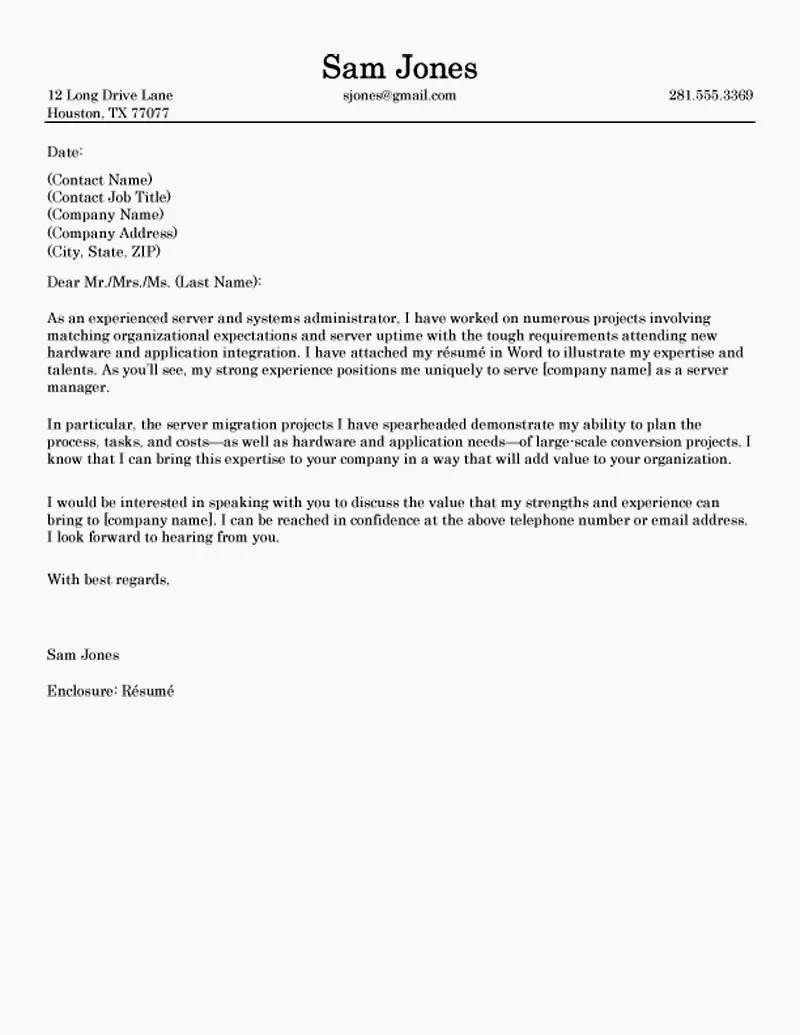
A compelling cover letter typically includes several key components designed to capture the reader’s attention and highlight your qualifications. First, you’ll want to start with a professional heading that includes your contact information, the date, and the hiring manager’s name and title (if available). Then, the opening paragraph should immediately grab the reader’s interest, stating the position you’re applying for and briefly explaining why you’re a great fit. The body of the letter should highlight your relevant skills and experiences, providing specific examples of your accomplishments. This is your chance to showcase what you can bring to the table. Finally, the closing paragraph should reiterate your interest in the position and include a call to action, such as requesting an interview. A well-structured cover letter is clear, concise, and easy to read.
How to Start Your Cover Letter
The way you start your cover letter is crucial; it sets the tone for the rest of the document. Avoid generic greetings like “To Whom It May Concern.” Instead, try to find the hiring manager’s name and address them directly. This personal touch shows that you’ve done your research and are genuinely interested in the role. If you can’t find a specific name, use a professional greeting like “Dear Hiring Manager.” The opening paragraph should immediately state the position you’re applying for and briefly explain why you’re a good fit. Focus on making a strong first impression that highlights your enthusiasm and qualifications. This could include a brief anecdote, a compelling statement about your career goals, or a summary of your key skills related to the job requirements. Remember, the opening is your opportunity to grab the reader’s attention and encourage them to continue reading.
The Perfect Cover Letter Opening
The perfect opening paragraph is concise, engaging, and tailored to the specific job and company. Begin by clearly stating the position you’re applying for and where you found the job posting. Then, immediately highlight one or two of your most relevant skills or experiences that align with the job requirements. This should be something that immediately grabs the reader’s attention and shows you understand what the company is looking for. Consider using a sentence or two to express your enthusiasm for the opportunity and the company. Show genuine interest by mentioning something specific that drew you to the position or the organization. Avoid generic statements and instead, show that you’ve done your research and are genuinely excited about the prospect of joining their team. Make it clear why you’re the best candidate.
Highlighting Your Skills and Experience

The body of your cover letter is where you truly shine, showcasing your skills and experience in detail. Focus on the skills and experiences that are most relevant to the job requirements. Review the job description carefully and identify the key qualifications the employer is seeking. Then, use your cover letter to provide specific examples of how you’ve demonstrated those skills in the past. Rather than simply listing your responsibilities, use the STAR method (Situation, Task, Action, Result) to tell a compelling story of your achievements. For instance, describe the situation you faced, the task you were given, the actions you took, and the positive results you achieved. Quantify your achievements whenever possible using numbers and data to demonstrate the impact of your work. Be sure to tailor your examples to each specific job you apply for, highlighting the most relevant skills and experiences.
Matching Skills to Job Requirements
One of the most important steps in writing a cover letter is matching your skills to the job requirements. Carefully review the job description and identify the key skills and qualifications that the employer is seeking. These may include both hard skills (technical abilities) and soft skills (interpersonal qualities). Once you’ve identified these requirements, make sure to highlight the skills and experiences that demonstrate your ability to meet those needs. Provide specific examples of how you’ve used those skills in the past, and quantify your achievements whenever possible. For example, if the job description emphasizes project management skills, describe a project you managed, the challenges you faced, the actions you took, and the results you achieved. The goal is to show the employer that you have the skills and experience necessary to excel in the role. Tailoring your cover letter in this way shows that you’ve taken the time to understand the job and are genuinely interested in the opportunity.
Quantifying Achievements
Quantifying your achievements is a powerful way to demonstrate the impact of your work and make your cover letter more compelling. Instead of simply stating that you improved sales, specify the percentage increase or the dollar amount. Instead of saying you managed a team, state the size of the team and the specific outcomes you achieved. Using numbers and data provides concrete evidence of your accomplishments and helps the reader understand the value you can bring to the company. For example, “Increased sales by 20% in Q4,” or “Managed a team of 10 employees, resulting in a 15% reduction in operational costs.” This level of detail showcases your impact and gives the hiring manager a clear picture of your capabilities. Always include relevant data to illustrate your success and show the value you bring to the table. Quantifiable achievements are memorable and showcase your ability to deliver results.
Addressing Salary Requirements

Navigating the topic of salary in your cover letter requires careful consideration. The approach you take depends on the specific instructions in the job posting and your personal preferences. Some job postings explicitly request salary expectations, while others remain silent on the matter. When asked, it’s important to provide a clear and concise answer. However, if the job posting doesn’t mention salary, you have more flexibility. In some cases, it’s best to avoid the topic altogether, especially in the initial application. Instead, you can wait until the interview stage when there is an opportunity for negotiation. Knowing when and how to address salary requirements can be a critical part of your job search success. Always tailor your response to the specific situation, ensuring you maintain a professional approach.
When to Include Salary Expectations
The primary rule is to follow the job posting’s instructions. If the job posting specifically asks for your salary expectations, you should include them in your cover letter. This is usually a mandatory part of the application process, and failing to include this information could disqualify you. If the job posting doesn’t mention salary, you have more flexibility. Some career experts suggest waiting until the interview stage to discuss salary, allowing you to learn more about the role and the company’s compensation structure. However, in highly competitive fields or for specific roles, it might be beneficial to include a salary range in your cover letter to save time and potentially get the hiring process moving. The most important thing is to be honest and professional. Always make sure you research industry standards to set a reasonable expectation. Be prepared to discuss your salary expectations in more detail if you are invited for an interview.
How to Phrase Your Salary Requirements
When stating your salary requirements, professionalism and clarity are paramount. Avoid being too demanding or vague. Instead of providing a specific number, many experts recommend offering a salary range. This provides flexibility for the employer while still giving them an idea of your expectations. For example, “I am seeking a salary in the range of $X to $Y, commensurate with my experience and the responsibilities of this position.” This indicates your willingness to negotiate and acknowledges that your salary will depend on the specific details of the job. If you’re unsure about the industry standards, research salary data for similar positions in your geographic area. It’s also acceptable to defer the discussion until the interview stage if the job posting doesn’t explicitly ask for salary expectations. A well-phrased salary expectation demonstrates your understanding of the job market and your professionalism.
Salary Range vs. Specific Number

Deciding between a salary range and a specific number depends on several factors. Offering a salary range is generally recommended because it allows flexibility for negotiation. It shows that you are willing to consider different offers and that you are not fixed on a particular figure. This approach can be particularly beneficial if you’re unsure about the specific salary range for the role or the company’s compensation structure. However, if you’re very clear on your salary expectations and have a strong understanding of the market value for your skills, providing a specific number might be acceptable. Be sure to conduct thorough research and back up your demand. Also, consider the job posting’s tone and requirements. If the posting requests a specific salary, it’s advisable to provide one. Be prepared to justify the amount, and always show that you’re open to discussing your expectations in more detail during the interview.
The Art of the Cover Letter Closing
The closing of your cover letter is your final chance to leave a lasting impression. It’s important to reiterate your interest in the position, express gratitude for the reader’s time, and include a call to action. Begin by summarizing your enthusiasm for the opportunity and briefly restating why you believe you’re a good fit. Then, thank the hiring manager for their time and consideration. This shows respect and professionalism. Finally, end with a clear call to action, such as requesting an interview. Avoid generic phrases and instead, suggest a specific time or opportunity for further discussion. For example, you could write, “I am available for an interview at your earliest convenience and can be reached by email or phone.” The ending should leave the reader with a positive impression and a clear understanding of your willingness to take the next steps.
Call to Action and Contact Information
A strong call to action is a crucial component of your cover letter’s closing. It tells the hiring manager what you want them to do next. The most common and effective call to action is a request for an interview. Make it clear that you’re eager to discuss your qualifications in more detail. You can also provide your contact information again for ease of reference. Ensure that your email address and phone number are professional and easy to read. Double-check that all your contact details are correct. This ensures that the hiring manager can easily get in touch with you. It’s also recommended to include a statement expressing your availability for an interview. This proactive approach demonstrates your enthusiasm and willingness to move forward in the hiring process. A well-crafted call to action and readily available contact information improve your chances of getting a response.
Proofreading and Formatting

Before submitting your cover letter, take the time to proofread it carefully. Errors in grammar, spelling, and punctuation can undermine your credibility and give the impression that you’re not detail-oriented. Read your cover letter aloud to catch any awkward phrasing or mistakes. If possible, have a friend, family member, or career counselor review it as well. Fresh eyes can often spot errors that you might miss. Formatting your cover letter correctly is just as important. Use a professional font, such as Times New Roman, Arial, or Calibri, and maintain consistent formatting throughout the document. Ensure that your cover letter is easy to read, with clear headings, appropriate spacing, and a logical flow. Ensure that your formatting complements the overall tone of your cover letter. Proper proofreading and formatting can make the difference between a winning application and a lost opportunity.
Cover Letter Examples and Templates
Utilizing cover letter examples and templates can be a helpful starting point. Many resources are available online, from career websites to university career centers. These examples can provide valuable guidance on formatting, tone, and content. However, remember that cover letter examples should be used as a starting point, not a script. Always customize the template to reflect your own unique skills, experiences, and the specific requirements of the job. Tailor your cover letter to each job you apply for, making it clear why you are a good fit. Using a template can also help you ensure that you’ve included all the necessary components, from the heading and opening paragraph to the body and closing. Take inspiration from a wide variety of resources to find the structure and style that best suits your needs.
Common Cover Letter Mistakes
Avoiding common cover letter mistakes is critical to making a strong impression. One of the most frequent errors is simply reusing the same cover letter for multiple applications. Tailoring your cover letter to each job is essential; it shows that you have taken the time to understand the specific requirements. Other common mistakes include typos and grammatical errors, which undermine your professionalism. Being too generic or using clichés is also a mistake, as it fails to capture the reader’s attention. Another mistake is not addressing the hiring manager by name. Always take the time to research the company and the hiring manager. Overly long cover letters should also be avoided; keep your letter concise and focused. The objective is to highlight your most relevant skills and experiences. Be concise and be specific, and always proofread your letter before submitting.
Mistakes to Avoid

There are several mistakes to steer clear of when writing a cover letter. Avoid making generic statements that could apply to any job, such as “I am a hard worker.” Instead, provide specific examples of your achievements and the skills you possess. Refrain from using jargon or overly complex language; clarity is key. A very long cover letter can deter a reader. The letter should be concise and get to the point quickly. A critical mistake is to focus only on what you want from the job rather than what you can offer the company. Showcase your skills and how you can contribute to their success. Moreover, avoid negative language or criticizing previous employers. Always maintain a positive and professional tone. Always be sure to research the company so that you address the specific needs of the company.
Tailoring Your Cover Letter
Tailoring your cover letter to each job application is the key to success. Begin by carefully reviewing the job description and identifying the key skills and qualifications the employer is seeking. Then, customize your cover letter to highlight the skills and experiences that align with those requirements. Use keywords from the job description to show that you understand the specific needs of the role. Research the company to understand their values, mission, and culture. This helps you demonstrate that you are a good fit. Tailor your examples to match the job, and highlight experiences that are most relevant. You can tailor your cover letter to match the brand voice of the company and to emphasize any awards or skills relevant to the company. Customization tells the hiring manager that you are truly interested and have taken the time to prepare a tailored application. This effort shows that you genuinely want the job.
Researching the Company
Researching the company is a crucial step in tailoring your cover letter and demonstrating your interest in the role. Visit the company’s website and review their mission, values, and recent news. Find out about their products or services, their target market, and their competitors. Look at their social media presence to get a sense of their culture and values. Identify what makes the company unique and what their key priorities are. Use this information to personalize your cover letter by mentioning specific company initiatives, projects, or values that resonate with you. Researching the company shows that you have taken the time to understand their business and are genuinely interested in joining their team. This research will provide you with a context to show why your skills and experience align with their needs. This is essential to make a strong impression.
Using Keywords
Using keywords from the job description in your cover letter is a proven strategy to get noticed. Employers often use Applicant Tracking Systems (ATS) to scan resumes and cover letters for specific keywords. Carefully review the job description and identify the key skills, qualifications, and buzzwords that the employer is seeking. Integrate these keywords naturally into your cover letter, highlighting your relevant experience and achievements. Use the same language as the job description, but avoid keyword stuffing, which can make your letter sound unnatural. The objective is to demonstrate that you possess the skills and experience that the employer is looking for. By using keywords, you are showing the hiring manager that you are qualified for the role. Remember to balance keyword integration with clear and concise writing.
Finalizing and Submitting
Before submitting your cover letter, take the time to finalize it by proofreading for errors and ensuring that it’s perfect. Review your cover letter one last time. Make sure your contact information is accurate and that all the details are correct. Double-check the formatting to ensure that it’s consistent and professional. Verify that you’ve addressed the letter to the correct person and included all necessary attachments. Once you’re satisfied with your work, submit your application. Sending your letter in the correct format is also important; follow the instructions in the job posting. Be patient and allow time for a response. Submitting a polished cover letter will give you the best possible chance to make a good first impression and get to the next stage in the hiring process. Your thoroughness will demonstrate your professionalism and attention to detail.