What is a Cover Letter
A cover letter is a crucial document that accompanies your resume when applying for a job. It serves as your first introduction to a potential employer and provides an opportunity to showcase your personality, skills, and enthusiasm for the role. Unlike a resume, which lists your qualifications, a cover letter allows you to tell your story and explain why you are the perfect fit for the position. Think of it as a personalized marketing tool that highlights your key accomplishments and demonstrates your understanding of the company’s needs. The cover letter gives you space to elaborate on experiences and connect the dots, showing how your background aligns with the job description.
Why Are Cover Letters Important
Cover letters are not merely optional extras; they are essential for making a strong first impression and increasing your chances of landing an interview. They allow you to provide context to your resume, explaining any gaps in employment or career changes. This is your chance to demonstrate that you’ve done your homework and understand the company’s culture, values, and specific needs. In today’s competitive job market, a well-crafted cover letter can be the deciding factor, setting you apart from other applicants. The cover letter is a critical tool that emphasizes your genuine interest in the role and your understanding of how your skills align with the organization’s objectives, making it an invaluable asset in your job search.
Essential Components of a Cover Letter

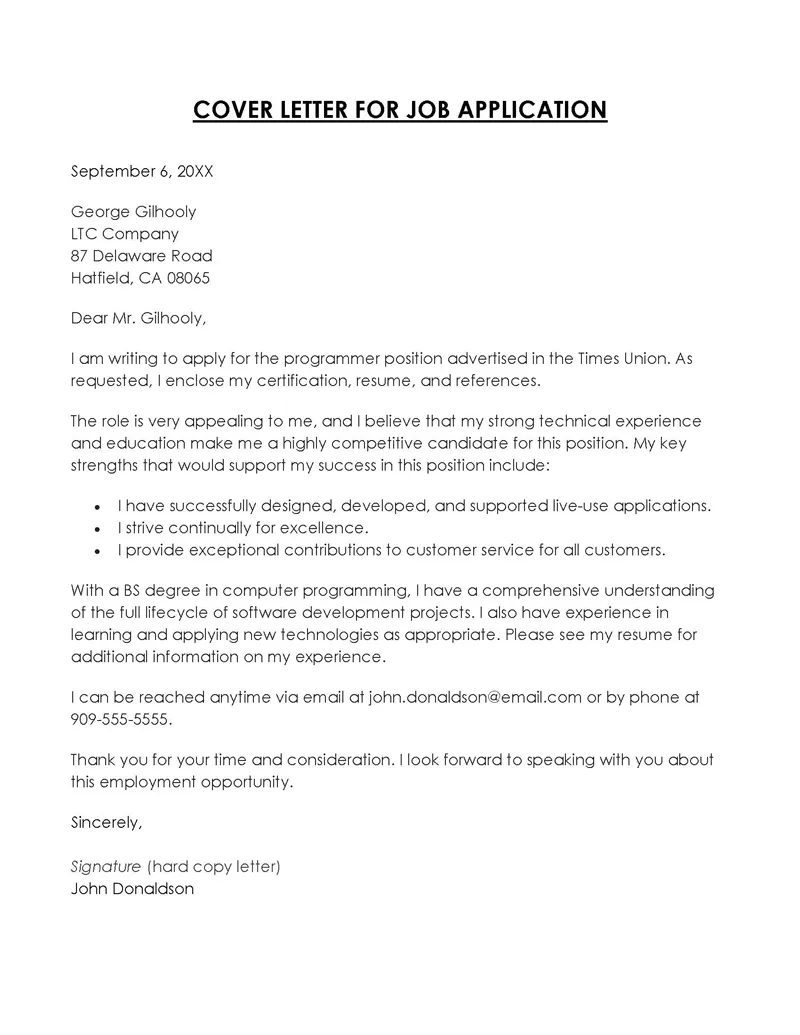
A compelling cover letter includes several key components that work together to present you in the best light. These elements collectively ensure your application is well-structured, professional, and persuasive. From the outset, the cover letter must have a clear structure, including the date, the hiring manager’s name, and the company’s address. Each component contributes to a coherent and compelling narrative that resonates with the hiring manager. The key components ensure you’re presenting yourself as the best possible candidate.
Contact Information
Begin your cover letter with your contact information, including your name, address, phone number, and email address. This ensures the hiring manager can easily reach you. Then, address the letter to the hiring manager by name, if possible. Researching the hiring manager’s name shows your attention to detail and personalized approach. This simple step can make a significant impact, demonstrating your level of commitment and interest in the position. If you cannot find a specific name, use a professional greeting like “Dear Hiring Manager.”
The Introductory Paragraph
The introductory paragraph is your hook, capturing the reader’s attention from the start. Clearly state the position you are applying for and how you found the job posting. Briefly mention why you are excited about the opportunity and what makes you a strong candidate. Make it clear that you are a good fit for the role. This initial section sets the tone for the rest of your letter. It should demonstrate your awareness of the company and your enthusiasm for the position, thus making the hiring manager more likely to keep reading.
Highlighting Your Skills and Experiences

In the body of your cover letter, highlight your relevant skills and experiences. Use specific examples and quantify your achievements whenever possible. Explain how your skills align with the job requirements and how you can contribute to the company’s success. Focus on accomplishments rather than just listing responsibilities. It’s important to show, not just tell, by providing concrete examples of your successes and the impact you’ve made in previous roles. This will help the reader see how you can bring value to their team.
Tailoring Your Cover Letter
Customize your cover letter for each job application. This shows that you’ve taken the time to understand the specific requirements of the role and the needs of the company. Review the job description carefully and align your skills and experiences with the keywords and requirements listed. Demonstrate your understanding of the company’s mission, values, and recent initiatives. Generic cover letters are easily spotted. Tailoring your cover letter demonstrates your genuine interest and attention to detail.
Researching the Company
Before writing your cover letter, research the company and the industry. Understand the company’s culture, values, and recent projects or news. This knowledge will help you tailor your letter to the specific needs of the company. The research will enable you to address the hiring manager in a manner that demonstrates your genuine interest in the company. Showing you have done your homework is a powerful way to make a positive impression. Visit the company’s website, read news articles, and check their social media presence to gather the most relevant information.
Matching Your Skills to the Job Requirements

Carefully review the job description and identify the key skills and qualifications the employer is seeking. Match your skills to these requirements, providing specific examples of how you have demonstrated those skills in the past. Avoid simply restating your resume; instead, provide context and elaborate on your accomplishments. You will be demonstrating your capabilities to the hiring manager. You can use action verbs to describe what you did and the positive results you achieved.
Quantifying Your Accomplishments
Whenever possible, quantify your accomplishments with numbers, percentages, or specific data. Instead of saying you “improved customer satisfaction,” say you “increased customer satisfaction by 15% through implementing a new feedback system.” Quantifiable results provide concrete evidence of your achievements and the value you can bring to the role. By using numbers, you make your achievements more impactful and show that you can deliver measurable results. Numbers provide credibility to your claims. This is one of the most powerful tools to help the reader see your value.
Expressing Enthusiasm
Express your enthusiasm for the position and the company throughout your cover letter. Show that you are genuinely interested in the opportunity and excited about the prospect of joining their team. Convey your passion for the industry or the specific role. Your excitement should be reflected in your tone. Let your personality shine. Enthusiasm will make you more memorable and make a good impression on the hiring manager.
The Closing Paragraph

In the closing paragraph, reiterate your interest in the position and thank the hiring manager for their time and consideration. Include a call to action, such as expressing your availability for an interview and providing your contact information. Be sure to use a professional closing, such as “Sincerely” or “Best regards.” Make sure that the close reinforces your desire to proceed with the hiring process.
Proofreading and Editing
Before submitting your cover letter, proofread it carefully for any grammatical errors, spelling mistakes, or typos. Ask a friend or family member to review your letter for a fresh perspective. A polished cover letter shows attention to detail and professionalism. Ensure your cover letter is free of errors, as it will affect the hiring manager’s view of your overall professionalism. Proofreading shows that you care about the details. Check the formatting as well. A polished letter will increase your chances of success.
Formatting Your Cover Letter
Use a professional and easy-to-read font, such as Times New Roman, Arial, or Calibri. Keep your letter concise and to the point, ideally no more than one page. Use appropriate spacing and margins for a clean and organized look. A well-formatted cover letter is easy to read and makes a positive impression. Ensure your cover letter is visually appealing and easy to read by following a professional format. This is more than aesthetics; it speaks to your organizational skills. Poor formatting can quickly overshadow the strengths of your content.
Using a Professional Tone

Maintain a professional and respectful tone throughout your cover letter. Avoid slang, jargon, or overly casual language. Address the hiring manager by name if possible, and use a formal salutation and closing. Your writing style and the way you address the reader will impact the hiring manager’s perception of your overall level of professionalism. Be polite, respectful, and considerate. Use language appropriate for the role and the company’s culture.
Cover Letter Template Example
While tailoring your cover letter is crucial, using a template can help you get started. You can find numerous cover letter templates online or create your own based on your industry and the type of job you are applying for. A well-crafted cover letter template provides a solid foundation, ensuring you cover all the essential elements. Look for templates that are simple, easy to adapt, and reflect the tone and style appropriate for the positions you are applying for. Remember to personalize the template with your specific details, experience, and accomplishments.