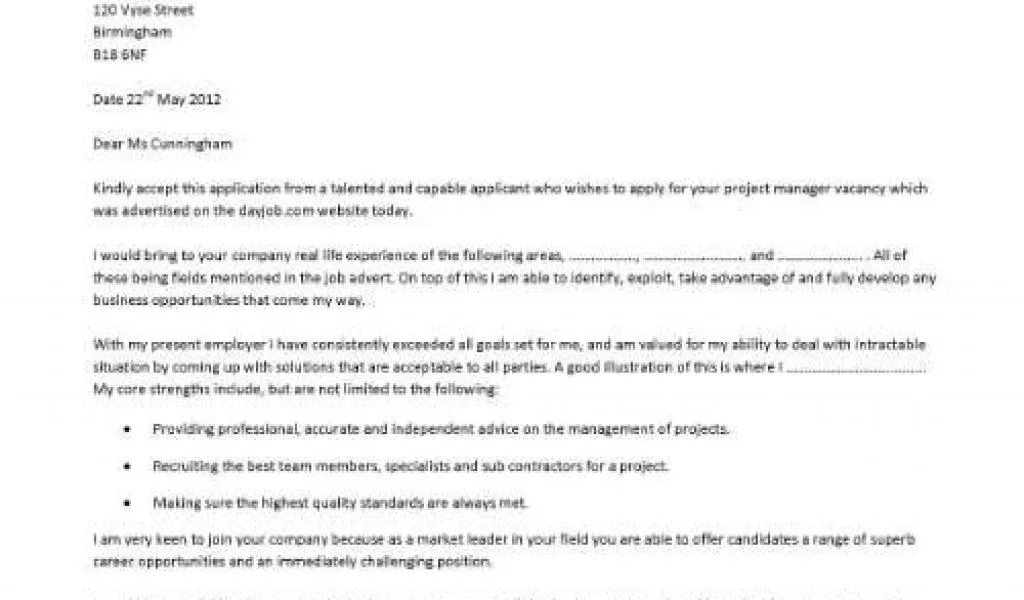
Why a Cover Letter Matters
In the competitive landscape of job applications, a well-crafted cover letter can be your secret weapon. It’s more than just a formality; it’s your chance to make a strong first impression and provide context to your resume. A cover letter allows you to highlight specific skills and experiences relevant to the job, demonstrating your genuine interest and suitability for the role. It gives you an opportunity to tell your story, explaining your career goals and aspirations in a way a resume alone cannot. By showcasing your personality and communication skills, a compelling cover letter can significantly increase your chances of landing an interview. It’s your chance to stand out from the crowd and convince the hiring manager that you’re the perfect fit for the position.
Highlight Your Key Skills
Your cover letter should directly address the skills and qualifications listed in the job description. Carefully review the requirements and identify the skills that align with your experience. Instead of simply listing these skills, provide specific examples of how you’ve utilized them in previous roles. Use action verbs to describe your accomplishments, such as ‘managed,’ ‘developed,’ ‘implemented,’ or ’led.’ For example, if the job requires project management skills, you could describe a project you successfully managed, detailing your role, the challenges you overcame, and the positive outcomes you achieved. This approach not only demonstrates your abilities but also provides concrete evidence of your competence. Remember to tailor your examples to match the specific needs of the employer to further enhance your impact.
Showcase Your Personality

While professionalism is crucial, a cover letter is also an opportunity to inject some of your personality. Let your enthusiasm for the role and the company shine through. Share your genuine interest in the company’s mission, values, or recent achievements. This demonstrates that you’ve done your research and are genuinely interested in becoming a part of their team. Use a conversational tone and avoid sounding robotic. Show your unique perspective and what makes you different from other candidates. However, always maintain a professional demeanor. Find the right balance between being personable and remaining professional. A touch of personality can help you create a memorable impression and set you apart from the competition, showing the hiring manager that you are not only qualified but also someone they would enjoy working with.
The Anatomy of a Great Cover Letter
A well-structured cover letter follows a clear and logical format. It should include a header, a salutation, an opening paragraph, body paragraphs that highlight your skills and experience, and a closing paragraph with a call to action. The header includes your contact information, the date, and the hiring manager’s information. The salutation should be addressed to a specific person if possible. The opening paragraph grabs the reader’s attention and states the position you’re applying for. The body paragraphs detail your qualifications and showcase your achievements. The closing paragraph reiterates your interest and includes a call to action, such as requesting an interview. Each element plays a crucial role in creating a compelling narrative that makes you an ideal candidate for the job.
Header Details
Your header should include your full name, address, phone number, and email address. This information should be clearly visible at the top of the document. It’s important to ensure your contact details are accurate and up-to-date. Also include the date and the hiring manager’s name, title, and the company’s address. If you’re applying online, you might not need a physical address, but your contact information should still be easily accessible. A professional and well-formatted header sets the tone for your entire cover letter, showing attention to detail and professionalism.
The Salutation

Always address your cover letter to a specific person whenever possible. Research the hiring manager’s name and title. A personalized salutation, such as ‘Dear Mr. Smith,’ shows that you’ve taken the time to learn about the company and the hiring process. If you can’t find a specific name, use a professional greeting like ‘Dear Hiring Manager.’ Avoid generic salutations like ‘To Whom It May Concern’ or ‘Dear Sir/Madam,’ as they can make your cover letter feel impersonal. Getting the name right indicates respect and shows you are genuinely interested in the position.
Crafting the Opening Paragraph
Your opening paragraph should immediately grab the reader’s attention. Start by stating the position you’re applying for and where you saw the job posting. Briefly explain why you’re interested in the role and the company. This is your opportunity to create a positive first impression and show your enthusiasm. Avoid clichés or generic statements. Instead, aim to be concise, engaging, and enthusiastic. Briefly mention your key qualifications or a relevant accomplishment that immediately captures their interest. Your opening paragraph sets the stage for the rest of the cover letter, so make sure it is strong and compelling.
Highlighting Relevant Experience
The body of your cover letter should highlight your relevant experience. Focus on the skills and qualifications that match the job description. Use specific examples to demonstrate how you’ve used these skills in the past. Structure each paragraph around a key skill or experience. For each example, provide context, describe your actions, and mention the results. Quantify your achievements whenever possible. Use action verbs to make your descriptions dynamic and impactful. Ensure your examples are directly related to the job’s requirements to demonstrate your suitability for the role.
Quantifying Your Achievements

Quantifiable achievements make a significant impact in a cover letter. Whenever possible, use numbers, percentages, and data to illustrate your accomplishments. For instance, instead of saying ‘Improved customer satisfaction,’ state ‘Increased customer satisfaction by 15% through implementing a new feedback system.’ Such quantifiable data provides concrete evidence of your contributions. Focus on outcomes, such as revenue growth, cost savings, process improvements, or project successes. Including these metrics helps hiring managers quickly understand the value you bring. Providing measurable results adds credibility to your claims and demonstrates that you deliver tangible results.
Expressing Your Enthusiasm
Your cover letter should convey your enthusiasm for the role and the company. Research the company and its mission. Show that you understand their goals and how your skills align with them. Express your passion for the industry, the company’s products or services, or the specific role. Explain what excites you about the opportunity and why you believe you would be a valuable asset to the team. Demonstrate your eagerness to contribute and make a positive impact. A genuine expression of enthusiasm will help you stand out and make a positive impression on the hiring manager.
Tailoring to the Job Description
Avoid using a generic cover letter for every application. Tailor each letter to the specific job and company. Carefully review the job description and identify the key requirements. Customize your cover letter to directly address these requirements, highlighting the relevant skills and experiences. Research the company’s culture, values, and goals. Demonstrate your understanding of the company and how your skills and aspirations align. Tailoring your cover letter shows that you’ve invested time and effort into the application. It makes the letter more relevant, increasing your chances of getting noticed and securing an interview.
Proofreading and Formatting

Before submitting your cover letter, meticulously proofread it for any grammar, spelling, or punctuation errors. Errors can create a negative impression and undermine your credibility. Use a spell checker and grammar checker, but also read your cover letter aloud to catch any mistakes. Pay attention to the formatting of your cover letter. Use a professional font and ensure your document is easy to read. Maintain consistent formatting throughout. Proofread the document multiple times and ask someone else to review it as well. A polished and error-free cover letter demonstrates your attention to detail and professionalism.
Common Cover Letter Mistakes to Avoid
Several common mistakes can hurt your chances of getting an interview. Avoid generic or irrelevant content. Don’t simply repeat your resume. Avoid clichés and overly formal language. Ensure your cover letter is free of errors. Avoid typos, grammatical errors, and poor formatting. Do not send a cover letter that is too long; keep it concise and focused. Avoid the lack of personalization; address the hiring manager by name whenever possible. Make sure that you’re not using the same cover letter for multiple applications. By avoiding these common pitfalls, you can make a stronger and more memorable impression on the hiring manager and significantly increase your chances of success.
Using the Right Tone
The tone of your cover letter should be professional yet personable. It should reflect your personality and enthusiasm for the role. Use a confident and assertive tone. Avoid being overly formal or sounding robotic. Instead, aim for a conversational style that engages the reader. Show genuine interest in the opportunity. Ensure that the tone is appropriate for the company’s culture. Your tone should create a connection with the hiring manager. Avoid negativity or desperation. Maintain a positive and proactive approach.
The Closing Paragraph

Your closing paragraph should reiterate your interest in the position and the company. Thank the hiring manager for their time and consideration. Express your confidence in your ability to contribute to the company’s success. Include a call to action, such as requesting an interview or stating your availability for a follow-up call. Keep the closing paragraph concise and professional. Restate your enthusiasm and reiterate your interest in the opportunity. A strong closing paragraph leaves a lasting positive impression and encourages the hiring manager to contact you.
Call to Action
A call to action is essential in the closing paragraph. It encourages the hiring manager to take the next step. This could be requesting an interview or stating your availability for a follow-up call. Make your call to action clear and direct. You can also mention your contact information again, making it easy for the hiring manager to reach you. Make it easy for the hiring manager to act. Encourage them to contact you to discuss your qualifications further. A strong call to action increases the likelihood of securing an interview.