What is a Cover Letter?
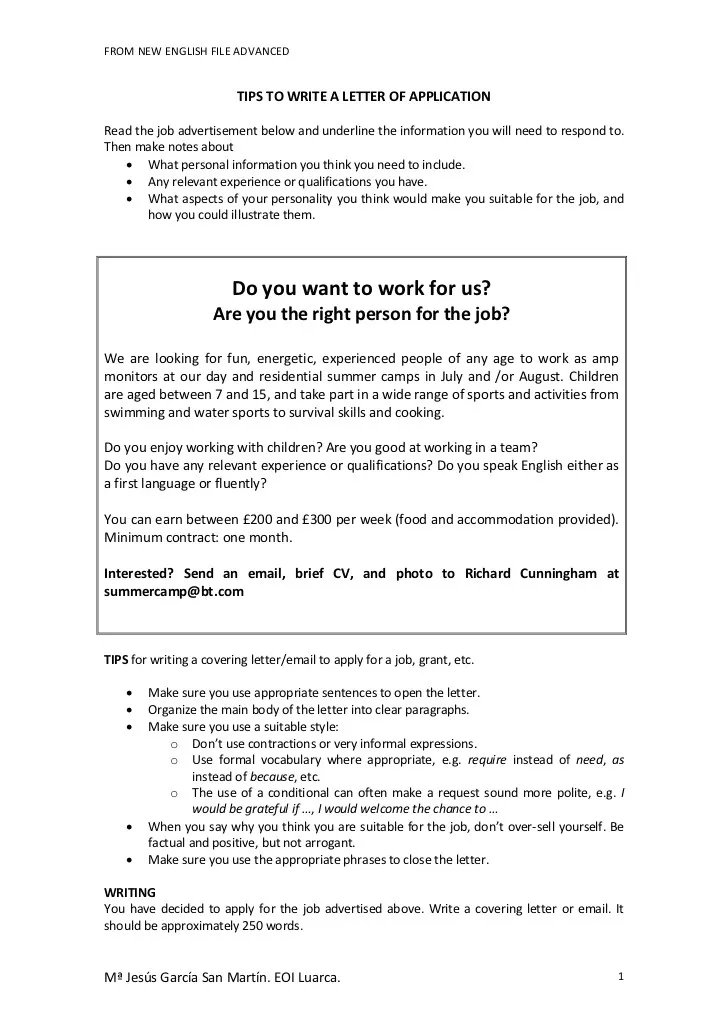
A cover letter is a crucial document that accompanies your resume when applying for a job. It serves as your introduction to the potential employer, offering a personalized glimpse into your qualifications, skills, and enthusiasm for the position. Unlike a resume, which provides a factual overview of your experience, a cover letter allows you to elaborate on specific accomplishments, explain your motivations, and demonstrate how your abilities align with the job requirements. A well-crafted cover letter can significantly increase your chances of getting noticed and securing an interview, making it an indispensable part of any job application process. It bridges the gap between your resume and the hiring manager’s understanding of your suitability.
The Purpose of a Cover Letter
The primary purpose of a cover letter is to convince the hiring manager that you are the right candidate for the job. It provides an opportunity to express your interest in the specific role and the company, highlighting your key skills and experiences in a way that directly relates to the job description. The cover letter allows you to explain any gaps in your resume, such as career changes or periods of unemployment, providing context and reassurance to the employer. Furthermore, it showcases your communication skills, demonstrating your ability to write clearly, concisely, and persuasively. Ultimately, the cover letter aims to make a strong first impression, encouraging the reader to delve deeper into your resume and consider you for an interview. A well-written cover letter makes you stand out from the crowd.
Key Components of a Cover Letter

A compelling cover letter comprises several key components, each contributing to its overall effectiveness. These elements work together to create a cohesive and persuasive narrative that captures the reader’s attention. Properly structuring your cover letter is crucial for clarity and impact. This ensures the information is easily digestible and leaves a lasting impression. The following sections outline the essential parts of a successful cover letter and offer insight on how to make yours stand out. Consider the sections a recipe for making an impact, where the components contribute to a delicious meal.
Heading and Contact Information
Your cover letter should begin with a professional heading that includes your contact information. This typically includes your full name, address, phone number, and email address. It’s important to ensure this information is current and accurate, as this is how potential employers will contact you. The heading should be formatted consistently with your resume, presenting a professional and organized appearance. You should also include the date and the hiring manager’s name and title, if known, along with the company’s address. Using the correct format for this section demonstrates attention to detail, which is a key trait for any job applicant. Include the date and recipient’s information (company and hiring manager).
Salutation and Greeting
The salutation sets the tone for your cover letter. Whenever possible, address the hiring manager by name, as this personal touch shows that you’ve done your research and are genuinely interested in the role. If the hiring manager’s name is unavailable, use a general salutation like “Dear Hiring Manager.” Avoid overly casual greetings such as “Hi” or “Hello” unless the company’s culture is very informal. The salutation should be followed by a colon. A well-chosen salutation immediately engages the reader and demonstrates your professionalism. Get this right and the reader is more likely to read on, versus a generic greeting.
Body Paragraph 1 Grab Attention

The first paragraph of your cover letter is your opportunity to capture the reader’s attention. Start by clearly stating the position you are applying for and how you learned about the opportunity. Then, provide a concise and engaging overview of your relevant experience and skills. This is your chance to make a strong first impression and pique the hiring manager’s interest. You might mention a key accomplishment or a specific skill that directly relates to the job requirements. Make sure the first paragraph is tailored to the specific role, demonstrating that you have carefully read the job description and understand what the company is looking for. Ensure it’s also a quick read.
Body Paragraph 2 Showcase Skills
In the second paragraph, delve deeper into your skills and experiences, providing specific examples that demonstrate how you have achieved success in previous roles. This is where you can highlight your key accomplishments, quantify your results whenever possible, and explain how your skills align with the job requirements. Use action verbs to describe your responsibilities and achievements, and focus on the benefits you brought to your previous employers. Tailor this section to match the specific needs of the job, showcasing the skills and experiences most relevant to the position. Provide specific examples that illustrate your abilities. This is where you make your claims credible.
Body Paragraph 3 Demonstrate Interest
The third paragraph allows you to express your genuine interest in the company and the specific role. Research the company and mention something that resonates with you, such as its mission, values, or recent projects. Explain why you are particularly drawn to this opportunity and what motivates you to apply. This section should also reiterate your understanding of the job requirements and how you believe your skills and experience can contribute to the company’s success. Show your enthusiasm and explain how you see yourself fitting into the company culture. This demonstrates your commitment to the opportunity and your understanding of the company.
The Closing Paragraph

The closing paragraph should summarize your key qualifications and reiterate your interest in the position. Express your enthusiasm for the opportunity to discuss your qualifications further. Thank the hiring manager for their time and consideration. This is also the place to mention any enclosed documents, such as your resume or portfolio. Keep this section concise and professional, leaving the reader with a positive and memorable impression. End with a call to action, encouraging the hiring manager to contact you for an interview. Provide your contact information again.
Formal Closing and Signature
Conclude your cover letter with a professional closing and signature. Common options include “Sincerely,” “Regards,” or “Best regards.” After the closing, leave space for your signature, followed by your typed name. If submitting your cover letter electronically, you can simply type your name. Ensure your signature is legible and matches the name on your resume. This final touch adds a level of formality and professionalism, making your cover letter complete. A well-chosen closing and a clear signature are essential for a professional appearance.
Formatting Your Cover Letter
The formatting of your cover letter is just as important as the content. A well-formatted cover letter is easy to read and demonstrates attention to detail. Proper formatting makes a good impression on a hiring manager. Following these guidelines will ensure your cover letter is professional and polished. Use a clear and consistent format throughout your document, maintaining a professional appearance.
Font and Font Size

Choose a professional and readable font, such as Times New Roman, Arial, or Calibri. Maintain a font size between 10 and 12 points for easy readability. Avoid using overly decorative fonts or fonts that are difficult to read, as they can distract from the content. Ensure your chosen font is consistent throughout the document. A clear and professional font contributes to the overall readability and professionalism of your cover letter. Stick with the standard fonts that look good and are easily read.
Margins and Spacing
Use standard one-inch margins on all sides of your cover letter. This creates a balanced and visually appealing layout. Single-space the body of your letter, with a double space between paragraphs for clarity. Proper spacing makes the cover letter easy to read and enhances its visual appeal. Avoid overcrowding the text by ensuring sufficient white space. A well-spaced document looks professional and organized, which is essential for making a good impression. Proper margins and spacing give the reader room to breath.
Proofreading and Editing
Proofread your cover letter carefully for any grammatical errors, spelling mistakes, or typos. Errors can undermine your credibility and make you appear unprofessional. Use a spell checker and grammar checker, but also read through the document multiple times to catch any mistakes they might miss. Consider having a friend or family member review your cover letter for a second opinion. A polished and error-free cover letter demonstrates your attention to detail and professionalism. Ensuring accuracy is key to getting noticed. Never submit a letter without proofreading.
Cover Letter Examples and Templates

Utilizing cover letter examples and templates can be a valuable tool in the job application process. They provide a framework for structuring your letter and offer inspiration for content and formatting. By studying well-written examples, you can gain a better understanding of the different elements and how they work together to create a compelling narrative. Templates offer a starting point, allowing you to adapt and personalize them to fit your specific qualifications and the requirements of the job. However, be sure to tailor any template or example to your unique experiences and the specifics of the role. The goal is to present yourself as the ideal candidate, and using templates can help get you there.
Cover Letter Do’s and Don’ts
Knowing the dos and don’ts of cover letter writing can significantly improve your chances of success. Avoiding common mistakes can make the difference between getting an interview and getting overlooked. Focusing on the essentials and avoiding pitfalls will ensure your cover letter showcases your skills and enthusiasm for the job. Paying attention to these best practices will boost your chances of getting the job.
Do Tailor Your Cover Letter
Always tailor your cover letter to the specific job and company you are applying for. Customizing your letter demonstrates that you have researched the role and understand the company’s needs. Highlight the skills and experiences most relevant to the job description, and use keywords from the job posting. Generic cover letters are easily identified and often discarded. Tailoring your letter shows you care about the position, which increases your chances of success. Personalize each cover letter to show that you’ve taken the time to understand the role and the company.
Don’t Use Generic Language

Avoid using generic and cliché phrases that do not provide any specific information about your skills or experience. Instead, use clear and concise language that highlights your accomplishments and explains how you can contribute to the company. Avoid phrases like “I am a hard worker” or “I am a team player.” Instead, provide specific examples of your hard work or teamwork skills. Use active verbs and focus on results. Generic language does not impress hiring managers, so be original and demonstrate the value you bring to the table. Use specific examples and facts to make your claims.
Tips for Different Job Types
Cover letter strategies may vary depending on the type of job you’re applying for. Understanding the specific requirements and expectations for different roles can help you tailor your approach. Adjusting your cover letter to match the specific industry and position increases the likelihood of making a positive impression on the hiring manager. The goal is to make your cover letter as relevant as possible.
Entry-Level Positions
For entry-level positions, focus on your educational background, any relevant internships, and any transferable skills you have gained through volunteer work, extracurricular activities, or part-time jobs. If you have limited work experience, highlight your eagerness to learn and your enthusiasm for the industry. Emphasize your skills, such as communication, teamwork, and problem-solving, that make you a strong candidate. Demonstrate your willingness to take on challenges. Customize your letter to highlight skills you’ve acquired that fit the role.
Experienced Professionals

For experienced professionals, focus on your significant achievements and how you have contributed to the success of previous employers. Quantify your results whenever possible, using data and metrics to demonstrate your impact. Highlight your leadership skills, your ability to manage teams, and your experience with relevant projects or initiatives. Tailor your letter to the job description, emphasizing how your skills and experience align with the company’s needs. Your experience is valuable, so make sure you highlight it. Use specific accomplishments to boost your claims.
Submitting Your Cover Letter
Before submitting your cover letter, ensure that it is in the correct format and that it meets the requirements of the application. Follow the instructions provided by the employer regarding how to submit your application, whether it’s through an online portal, email, or mail. Attach your cover letter as a PDF document to maintain its formatting and ensure that it is easily accessible. Always double-check your contact information. Make sure all required documents are included. Following these simple steps increases the chance that your application makes it through to the hiring manager.
In conclusion, writing a compelling cover letter is essential for any job application. By understanding the purpose of a cover letter, its key components, and formatting guidelines, you can create a document that effectively showcases your skills and experience. Remember to tailor your letter to each specific job, and always proofread carefully. Following these steps will significantly increase your chances of getting noticed and securing an interview, ultimately leading you closer to your dream job. A well-crafted cover letter is your key to making a lasting positive impression.