Understanding Adjustment of Status (AOS)
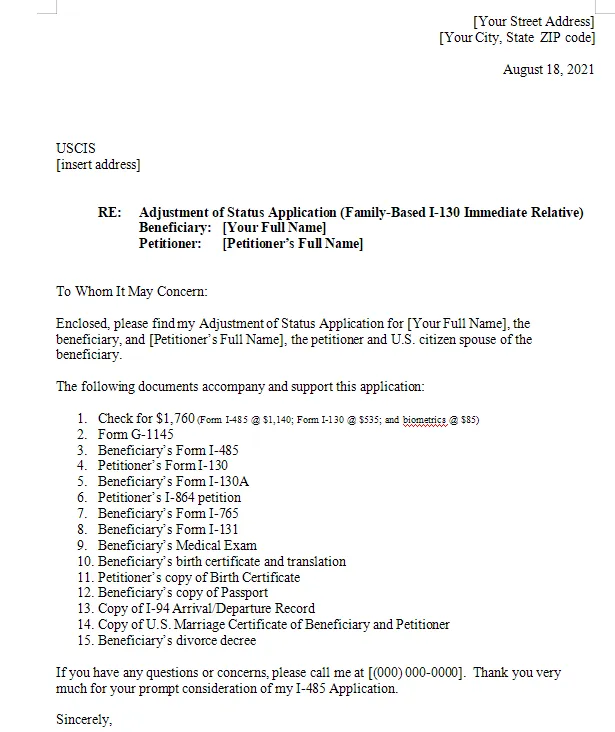
The Adjustment of Status (AOS) process allows individuals already in the United States, typically on a non-immigrant visa, to apply for lawful permanent resident status (a Green Card) without having to return to their home country. For K1 visa holders, who entered the US with the intention of marrying a US citizen, AOS is the primary pathway to obtaining a Green Card. This process streamlines the immigration journey, enabling eligible individuals to live and work permanently in the United States. Successfully navigating the AOS process involves careful preparation, thorough documentation, and adherence to USCIS guidelines. It is crucial to understand the requirements and follow all instructions meticulously to increase the chances of a favorable outcome.
Eligibility Requirements for K1 Visa Holders
Not all K1 visa holders are automatically eligible for Adjustment of Status. Several key requirements must be met. The primary requirement is a valid marriage to the US citizen who petitioned for the K1 visa. The marriage must be bona fide, meaning it was entered into in good faith. Furthermore, the K1 visa holder must have entered the United States legally and maintained their legal status. This means not overstaying the period granted upon entry. Also, they must not have any criminal convictions or other factors that would make them inadmissible to the United States. Meeting these eligibility criteria is essential for a successful AOS application. Thoroughly reviewing these requirements is the first step in the process.
Marriage to a US Citizen
The cornerstone of the AOS application for a K1 visa holder is a valid and genuine marriage to the US citizen who filed the K1 visa petition. The marriage must be legally recognized in the state where it occurred. Proof of a legitimate marriage is critical and can include a marriage certificate, joint bank accounts, shared leases or property, and evidence of cohabitation. The couple must demonstrate that their marriage is not solely for the purpose of obtaining immigration benefits. The USCIS scrutinizes the validity of the marriage, so it is important to provide comprehensive documentation and evidence of a shared life. Failing to prove a bona fide marriage is a common reason for application denial.
Maintaining Legal Status
Another critical requirement for AOS is maintaining legal status. K1 visa holders must not have violated the terms of their K1 visa. This includes not engaging in unauthorized employment before the AOS application is filed. Additionally, they must not have overstayed the period of admission. Any lapse in legal status can jeopardize the AOS application. It’s important to keep all relevant documentation, such as the I-94 (Arrival/Departure Record) and visa stamp, to demonstrate compliance with US immigration laws. If there are any concerns about maintaining legal status, it is advisable to consult with an immigration attorney immediately to assess the situation and explore available options.
The AOS Application Process
The AOS application process involves several steps, starting with the preparation of required forms and supporting documents. These forms are submitted to the United States Citizenship and Immigration Services (USCIS). After submitting the application, the applicant will receive a receipt notice, which confirms that the application has been received. The next steps include biometric appointments for fingerprints and photographs. The applicant may also be called for an interview with a USCIS officer. After the interview, USCIS reviews the application and makes a decision. The process can take several months, so it is important to be patient and responsive to any requests for additional information from USCIS.
Required Forms for K1 Visa AOS

Several forms must be completed and submitted to USCIS as part of the AOS application. These forms are designed to gather information about the applicant and assess their eligibility for a Green Card. It is important to fill out these forms accurately and completely. Providing false information can lead to severe consequences, including application denial. The required forms typically include the application for permanent residence, forms related to the applicant’s medical examination, and forms related to the sponsor’s financial support. The USCIS website provides detailed instructions for each form. Careful attention to detail is crucial to avoid errors that could delay the process.
Form I-485 Application for Permanent Residence
Form I-485, Application to Register Permanent Residence or Adjust Status, is the primary form for the AOS application. This form collects comprehensive information about the applicant, including biographical details, immigration history, and criminal record. The applicant must provide their full name, date of birth, address, and social security number (if applicable). They must also disclose their immigration history, including all previous visa applications, entries, and any periods of overstay. It is important to answer all questions truthfully and accurately, as any discrepancies can lead to further scrutiny. The I-485 form is complex, so it is best to consult the USCIS instructions and seek legal assistance if needed.
Form I-864 Affidavit of Support
Form I-864, Affidavit of Support Under Section 213A of the INA, is a crucial form demonstrating that the US citizen (the petitioner) has the financial means to support the K1 visa holder. The sponsor must provide evidence of their income and assets to show they can meet the financial requirements. This is essential to ensure the applicant does not become a public charge. The sponsor must provide tax returns, W-2s, and other financial documents to prove their income meets the poverty guidelines. If the sponsor’s income is insufficient, they may need a joint sponsor to provide additional financial support. The I-864 form is critical to demonstrate that the applicant will be financially secure in the United States.
Supporting Documents for AOS

Along with the required forms, a comprehensive set of supporting documents must be submitted with the AOS application. These documents are crucial to substantiate the information provided in the forms and establish eligibility for a Green Card. They serve as evidence to support the claims made in the application. Providing all the required supporting documents is essential to avoid delays or denials. The specific documents required may vary depending on individual circumstances, so it is important to review the USCIS instructions carefully and consult with an immigration attorney if necessary. Gathering all required documents in advance can help streamline the process.
Medical Examination and Vaccination Records
A medical examination is a mandatory part of the AOS process. The K1 visa holder must undergo a medical examination conducted by a USCIS-approved physician. The examination includes tests for specific medical conditions and vaccinations. The physician will complete Form I-693, Report of Medical Examination and Vaccination Record. It is important to schedule the medical examination with a designated doctor well in advance of submitting the AOS application, as the results must be submitted with the application. The applicant must also provide proof of required vaccinations. Failing to provide the medical exam results can lead to delays in the application. Keep the medical examination results in a safe place, as they are an important component of the application.
Interview Preparation for Green Card
Applicants for Adjustment of Status may be required to attend an interview with a USCIS officer. The interview is an opportunity for the officer to verify the information provided in the application and assess the validity of the marriage. Preparing for the interview is critical to success. The applicant and their US citizen spouse should review the application thoroughly and be prepared to answer questions about their relationship, marriage, and life together. Practicing potential interview questions and gathering supporting documents can help the applicant feel more confident during the interview. It is important to be honest, respectful, and answer all questions truthfully.
What to Expect at the Green Card Interview
The Green Card interview typically involves questions about the applicant’s background, the US citizen spouse’s background, and their relationship. The USCIS officer will ask questions to determine the authenticity of the marriage and to assess the applicant’s eligibility for a Green Card. Both the K1 visa holder and the US citizen spouse will likely be interviewed separately and together. They may be asked about how they met, their daily routines, and their future plans. The officer may also ask about any prior immigration issues or criminal history. The interview can last from thirty minutes to an hour or more. Remain calm and answer honestly and completely, supporting your answers with evidence.
Common Interview Questions
Common interview questions cover various aspects of the couple’s relationship and the applicant’s background. These questions aim to verify the authenticity of the marriage and ensure that all requirements are met. Some common questions include how the couple met, when they decided to get married, and what they do for fun together. The officer might ask about the couple’s living arrangements, finances, and future plans. It’s also common to be asked about each spouse’s family and friends. Applicants should be prepared to describe their relationship honestly and provide details that demonstrate a genuine, loving marriage. Practicing these questions in advance can help both the applicant and the spouse feel more comfortable and prepared.
Post-Application Steps after AOS
After submitting the AOS application and attending the interview (if applicable), the applicant enters the final phase. The USCIS will review the application and make a decision. If the application is approved, the applicant will receive a Green Card. If the application is denied, the applicant will receive a written explanation and may have the option to appeal or seek other legal remedies. It is crucial to stay informed about the status of the application and respond promptly to any requests for additional information. Once the Green Card is received, the applicant becomes a lawful permanent resident of the United States and can live and work permanently in the country.
Waiting Time and Processing

The processing time for an Adjustment of Status application can vary depending on the USCIS office, the complexity of the case, and current workloads. The wait time can range from several months to a year or more. Applicants can check the status of their case online using their receipt number. USCIS provides estimated processing times on its website. During the waiting period, applicants can legally remain in the US and may be eligible for a work permit and travel document. Patience is essential during this time, as processing times can fluctuate. If there are significant delays, it may be helpful to consult with an immigration attorney to inquire about the case.
Conditional Green Card for Marriage Under Two Years
If the marriage is less than two years old at the time the Green Card is approved, the K1 visa holder will receive a conditional Green Card. This means the Green Card is valid for two years. During this period, the couple must prove that their marriage is still valid. The conditional Green Card is designed to prevent marriage fraud. The couple must jointly file Form I-751, Petition to Remove Conditions on Residence, within 90 days before the conditional Green Card expires. If they fail to file this form, the conditional Green Card will expire, and the applicant may be subject to deportation. Conditional Green Cards are a critical component of the AOS process for many K1 visa holders.
Removing Conditions on Residence
To remove the conditions on a conditional Green Card, the couple must jointly file Form I-751. They must provide evidence that their marriage is bona fide, meaning that it was entered into in good faith. The evidence can include joint bank accounts, property ownership, and other documents that demonstrate a shared life. If the marriage ends due to divorce, separation, or the death of the US citizen spouse, the K1 visa holder may still be able to remove the conditions by applying for a waiver. They must demonstrate that they entered into the marriage in good faith. Successfully removing the conditions results in a permanent Green Card. Thorough documentation is key for this step.
Seeking Legal Assistance

Navigating the AOS process can be complex, so seeking legal assistance from an experienced immigration attorney is often beneficial. An attorney can provide guidance, help prepare the application, and represent the applicant before USCIS. An attorney can help avoid mistakes and ensure that all requirements are met. Immigration laws are complex and subject to change, so having legal counsel can be invaluable. An attorney can review the application, identify any potential issues, and offer advice tailored to the applicant’s specific circumstances. They can also attend the Green Card interview and represent the applicant.
Finding an Immigration Attorney
Finding a qualified immigration attorney is essential. Look for an attorney with experience in handling K1 visa and Adjustment of Status cases. Consider checking with the American Immigration Lawyers Association (AILA) for referrals. When selecting an attorney, review their credentials and experience. Ask about their fees and what services are included. Make sure the attorney is licensed to practice law in the state where the application will be filed. The attorney should be able to provide clear communication, answer your questions, and keep you informed throughout the process. Good communication with your attorney is vital.
Benefits of Legal Counsel
Hiring an immigration attorney offers several benefits. Attorneys can help with application preparation, ensuring that all forms are filled out correctly and all required documents are included. They can represent the applicant during the interview. They can help anticipate potential issues and prepare for them. Attorneys can also provide advice and guidance specific to the applicant’s situation. They can help navigate any complications that may arise during the process. Legal counsel can reduce the stress associated with the AOS process and increase the chances of a successful outcome. A good attorney is worth their weight in gold during this complex process.