Understanding the Kennel Assistant Role
Embarking on a career as a Kennel Assistant is a fulfilling path for animal lovers. This role goes beyond simply caring for animals; it’s about providing a safe, clean, and nurturing environment. Kennel assistants work in various settings, including animal shelters, veterinary clinics, boarding facilities, and rescue organizations. They are crucial in ensuring the well-being of animals by providing them with essential care, attention, and support. Understanding the scope of responsibilities is essential before drafting your cover letter, allowing you to highlight your relevant skills and passion for the job. Your cover letter is your first opportunity to make a positive impression, and demonstrating this understanding is key to securing an interview.
Key Responsibilities of a Kennel Assistant
The responsibilities of a Kennel Assistant are diverse and require a combination of physical stamina, attention to detail, and a genuine love for animals. Daily tasks typically include cleaning kennels and enclosures, feeding and providing fresh water to animals, and monitoring their health and behavior. Assistants also provide exercise and playtime, administer medications as directed by a veterinarian, and assist with grooming. Effective communication with the veterinary staff and clients is essential. A successful cover letter will subtly acknowledge your knowledge of these responsibilities, suggesting you’re prepared to contribute effectively to the team. Including phrases that demonstrate your willingness to perform these tasks is an easy and powerful way to show your commitment to the role.
Skills Needed for the Position

While hands-on experience is valuable, a cover letter for a Kennel Assistant position without prior experience can still be very successful. The key is to emphasize transferable skills and a willingness to learn. Core skills include: attention to detail, the ability to follow instructions, and a strong work ethic. Communication skills are crucial for interacting with colleagues and clients. Basic knowledge of animal behavior and health is also beneficial. Highlight any skills relevant to animal care like administering medication (if you’ve learned at home), or any physical activity like dog walking. Don’t forget to show your ability to work independently, as well as part of a team. Emphasizing these skills will prove to the hiring manager that you’re well prepared to tackle the challenges of a Kennel Assistant role.
Crafting Your Cover Letter
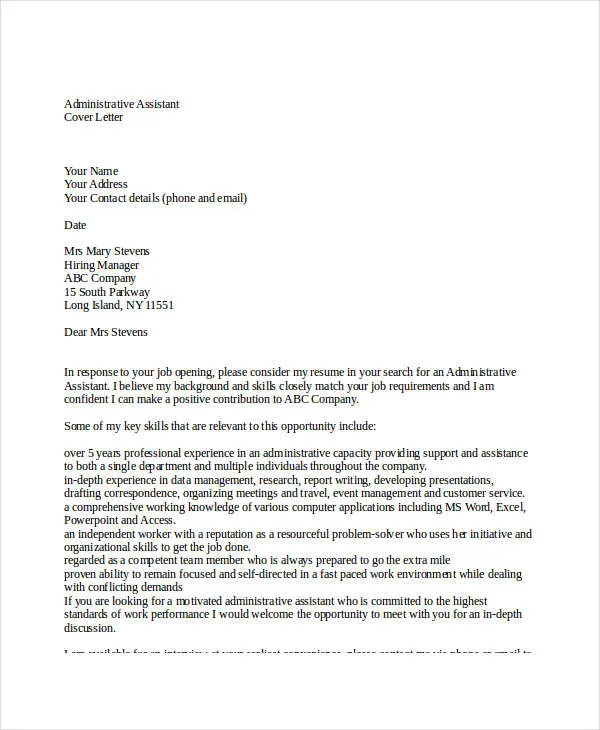
A well-crafted cover letter is your key to making a positive first impression. It should introduce you, express your interest in the position, and highlight your relevant skills and experiences. It’s not merely a summary of your resume; it’s a chance to showcase your personality and explain why you are the ideal candidate. The following sections will guide you through the essential components of an effective cover letter. Remember to tailor your letter to each job application; this will make your letter stand out from the crowd. Proofreading is very important – a letter full of errors can make the wrong impression.
Header and Contact Information
Your cover letter should start with a professional header. Include your full name, address, phone number, and email address at the top. Be sure your contact information is up to date. Then, include the date and the hiring manager’s name (if you know it) and the name and address of the kennel. This establishes your professionalism and makes it easy for the employer to contact you. This may seem basic, but it’s essential for any job application. Using a clear and professional font will help your application look more professional.
Personalized Greeting

Always address your cover letter to a specific person, if possible. Research the hiring manager’s name and use it in your greeting. For example, “Dear Mr. Smith,” is much more personal than “To Whom It May Concern.” This small step shows you’ve put in the effort to learn about the organization and the role. If you can’t find a name, use a professional greeting like “Dear Hiring Manager” or “Dear Kennel Team.” This helps make your letter more engaging and demonstrates your attention to detail.
Introduction and Enthusiasm
Your introduction should clearly state the position you are applying for and where you found the job posting. Express your genuine interest in the role and the kennel. Showcase your enthusiasm for animal care, and mention what specifically interests you about the position or the organization. Highlight your passion and your understanding of the kennel’s mission. Use the introduction to capture the reader’s attention and make them want to learn more about you. This opening sets the tone for the entire letter and encourages the reader to continue. A brief, enthusiastic intro is key.
Highlighting Transferable Skills
Even without direct experience as a Kennel Assistant, you likely possess transferable skills that are valuable in this role. Transferable skills are abilities you have developed in other contexts, such as previous jobs, volunteer work, or even personal experiences. These skills can include attention to detail, communication, problem-solving, time management, and a strong work ethic. Focus on any experience that involved responsibility, caregiving, or working with others. Explain how these skills can be applied to the role of a Kennel Assistant. Tailor the examples to the specific requirements of the job posting. Remember, skills are not just what you can do, but how you do them.
Focus on Relevant Experiences

Although you may not have professional experience in animal care, highlight any relevant experiences you do have. This might include pet-sitting, dog walking, caring for your own pets, or volunteering at an animal shelter or rescue organization. Provide specific examples of your responsibilities and accomplishments. For instance, describe how you cared for a pet, detailing any medical needs you addressed, and how you maintained their health. Use action verbs to describe your duties – words like ‘managed’, ‘supervised’, ‘maintained’, and ‘assisted’ will demonstrate your skills. Showing you understand the responsibility involved in the role will make you an ideal candidate.
Volunteering and Animal Care
If you’ve volunteered at an animal shelter or a similar organization, discuss your responsibilities and what you learned. Even if your experience is limited to caring for your own pets, describe how you provide for their needs. Include details such as feeding schedules, administering medications, and providing exercise. Mention any training you have in animal first aid or behavior. Highlighting any hands-on care experience proves your dedication to animals. Illustrate your understanding of their needs and show that you are prepared for the role. Every experience matters when you are starting out in your career, and you can show them off with a well-written cover letter.
Demonstrating Passion for Animals
A genuine passion for animals is a crucial quality for a Kennel Assistant. Your cover letter should reflect this passion. Discuss why you love animals and what motivates you to care for them. Your passion may include a personal anecdote about why you are interested in animal care. Showing your understanding of animal behavior and their needs can set you apart from other applicants. Expressing your compassion and empathy will demonstrate your ability to provide a nurturing environment. Showing your love for animals, and why you are passionate about animal care will help set you apart from the competition.
Showcasing Your Research

Before you submit your cover letter, do some research on the kennel or organization. Show your interest by mentioning their mission or values. Review their website, social media profiles, and online reviews to understand their approach to animal care. Showing your knowledge of their work will make you stand out. Mention any specific programs or initiatives that resonate with you. This shows you’re committed to their values and have a genuine interest in working for them. This small effort can significantly enhance your application.
Expressing Your Dedication
In your cover letter, convey your dedication to providing excellent care for animals. Include a statement confirming your readiness to work hard and be a reliable team member. Mention your understanding of the kennel’s rules, procedures, and protocols for animal care. Emphasize your commitment to learning and your enthusiasm for taking on new responsibilities. Assurance is one of the most important attributes of a job seeker. Express your willingness to be trained and to follow instructions. This shows that you are a proactive learner and an enthusiastic worker.
Closing and Call to Action
Your closing paragraph should summarize your key qualifications and reiterate your enthusiasm for the position. Thank the employer for their time and consideration. Then, clearly state your availability for an interview and provide your contact information again. End with a professional closing, such as “Sincerely” or “Respectfully.” This will leave a positive final impression. A clear call to action helps you show your eagerness to move forward in the hiring process. End with an additional thank you for their time.
Thank You and Contact Information

Always include a “thank you” in your closing, showing your appreciation for the employer’s time. Reiterate your contact information, making it easy for them to get in touch with you. Ensure all your contact details, including your phone number and email address, are correct. This final step ensures the employer can easily reach out to you for an interview. This simple gesture shows your professionalism and leaves a good impression. Confirming you are eager to work in the field makes a big difference when you are seeking a job with no prior experience.
Proofreading and Editing
Before submitting your cover letter, proofread it carefully for any errors in grammar, spelling, and punctuation. Ask a friend or family member to review your letter for clarity and accuracy. Ensure your letter flows well and clearly communicates your qualifications. Errors can make a negative impression and undermine your credibility. Taking this extra step can significantly improve your chances of getting an interview. Proofreading is essential for all job applications, as it proves that you pay attention to detail and will show your dedication to the job.