Crafting a Compelling Library Assistant Cover Letter
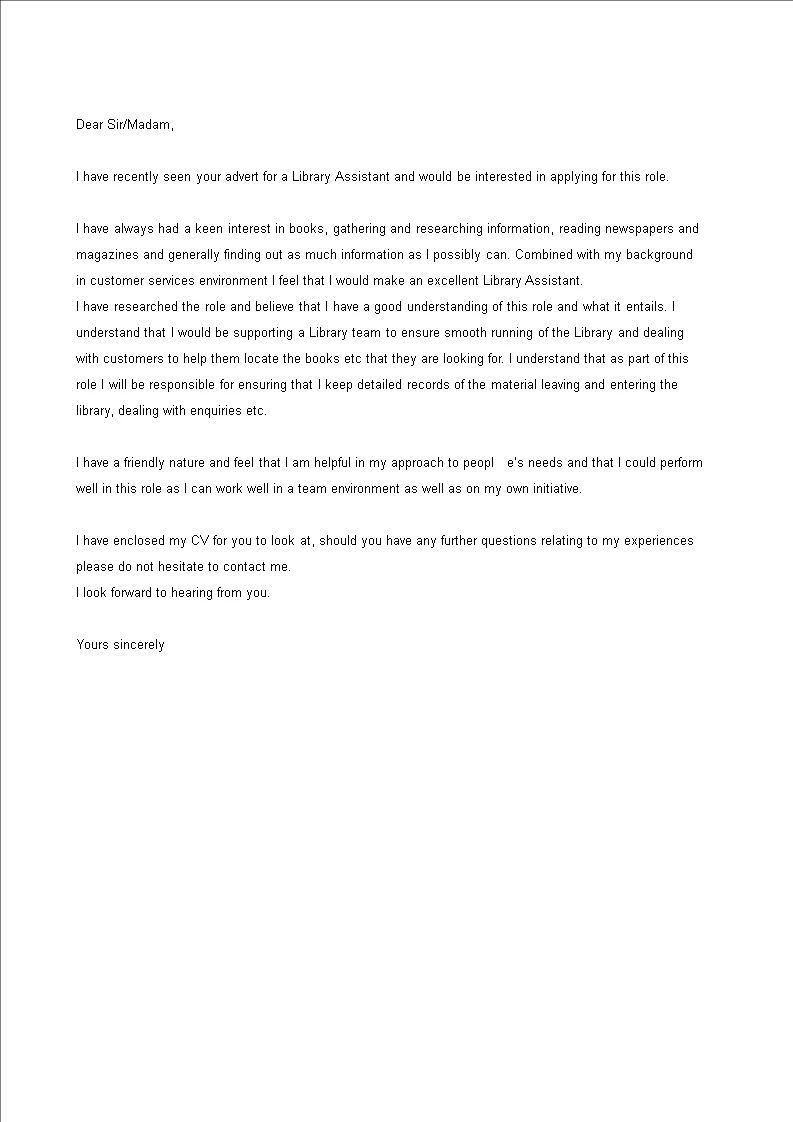
A well-crafted cover letter is your first opportunity to make a positive impression on a potential employer. It’s more than just a formality; it’s a chance to showcase your personality, highlight your key skills and experiences, and demonstrate your genuine interest in the Library Assistant position. In a competitive job market, a strong cover letter can be the deciding factor in whether your application moves forward. Think of it as a marketing document, designed to sell your abilities and enthusiasm to the hiring manager. This guide will provide you with the essential components and strategies needed to create a cover letter that captivates and convinces.
Highlighting Your Relevant Skills
Identify the skills most sought after in a Library Assistant. These typically include excellent communication abilities, both written and verbal, strong organizational skills, proficiency in using library databases and computer systems, customer service expertise, and a knack for detail-oriented work. Tailor your cover letter to emphasize the skills listed in the job description. Provide concrete examples of how you’ve utilized these skills in past experiences. Instead of just listing your skills, show the hiring manager how you’ve applied them to achieve positive outcomes. Quantify your achievements whenever possible to demonstrate your impact, such as ‘Assisted an average of 50 patrons per day’ or ‘Reduced overdue materials by 15% through effective communication’.
Detailing Your Experience in a Library Setting

If you have prior experience working in a library, be sure to highlight it. Describe your responsibilities and accomplishments in detail. Include the name of the library, your job title, and the dates of your employment. Focus on tasks that align with the Library Assistant role you’re applying for, such as assisting patrons, shelving books, managing circulation, or processing new materials. Even if your experience is limited to volunteering, internships, or part-time roles, showcase the relevant skills and knowledge you gained. For those with limited library experience, emphasize transferable skills from other jobs, such as customer service, organizational skills, or technology proficiency. Highlight your willingness to learn and your enthusiasm for the field.
Showcasing Your Passion for Libraries
Demonstrate your genuine interest in libraries and the services they provide. Explain what you find appealing about working in a library environment, whether it’s the opportunity to help others, the access to knowledge, or the sense of community. Research the specific library you are applying to and mention any programs, services, or initiatives that resonate with you. This shows you’ve taken the time to learn about the organization and are genuinely interested in being a part of it. Express your enthusiasm for the library’s mission and values, and explain how your skills and experience align with its goals. Share your personal connection to libraries, if any, and how you believe you can contribute to their success.
Formatting Your Cover Letter for Maximum Impact
A well-formatted cover letter is easy to read and visually appealing. Choose a professional font such as Times New Roman, Arial, or Calibri, and use a font size between 11 and 12 points. Use clear headings, bullet points, and white space to break up the text and make it easier to scan. Keep your cover letter concise and focused, aiming for one page in length. Use a standard business letter format, including your contact information, the date, the hiring manager’s name and title (if known), and a professional closing. Proofread carefully for any grammatical errors, spelling mistakes, or typos. A polished cover letter shows that you pay attention to detail and are committed to excellence.
Essential Sections to Include in Your Cover Letter

Your cover letter should contain several essential sections to provide a comprehensive overview of your qualifications. Start with your contact information at the top, including your name, address, phone number, and email address. Address the hiring manager by name, if possible; otherwise, use a general salutation such as “Dear Hiring Manager.” The opening paragraph should grab the reader’s attention and state the position you’re applying for and where you saw the job posting. The body paragraphs should highlight your relevant skills, experiences, and accomplishments, providing specific examples to support your claims. The closing paragraph should express your enthusiasm for the position and reiterate your interest in an interview. Include a call to action, such as “I look forward to hearing from you soon” or “Thank you for your time and consideration.”
Contact Information and Addressing the Hiring Manager
Ensure your contact information is accurate and up-to-date. Include your full name, address, phone number, and professional-looking email address. Make sure your voicemail is set up and that you regularly check your email for any communications from potential employers. If possible, research the name of the hiring manager and address your cover letter directly to them. This shows that you have taken the initiative to learn about the organization and are attentive to detail. If you can’t find the hiring manager’s name, use a general salutation such as “Dear Hiring Manager” or “Dear Library Hiring Committee.” Avoid generic greetings like “To Whom It May Concern,” which can make your letter seem impersonal.
Opening Paragraph Making a Strong First Impression
The opening paragraph is your chance to make a strong first impression. Clearly state the position you are applying for and where you saw the job posting. Immediately capture the reader’s attention by expressing your enthusiasm for the role and the library. Briefly mention a key skill or experience that aligns with the job requirements, demonstrating your suitability for the position from the start. Keep the opening paragraph concise and to the point, avoiding generic statements or clichés. Make it clear why you are excited about this opportunity and what you bring to the table. The goal is to entice the hiring manager to read further.
Body Paragraphs Highlighting Achievements and Skills
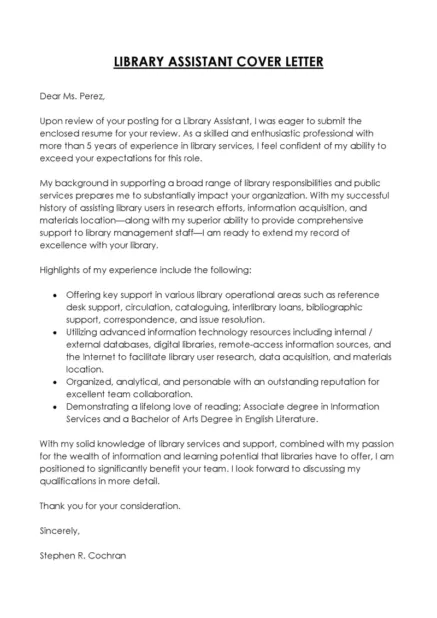
The body paragraphs are the core of your cover letter. Use these paragraphs to highlight your relevant skills, experiences, and accomplishments. Provide specific examples to demonstrate your abilities. Use the STAR method (Situation, Task, Action, Result) to structure your responses and provide context. For instance, describe a situation, explain the task you were assigned, detail the actions you took to address the task, and then share the positive results you achieved. Quantify your achievements whenever possible. For example, instead of saying “Improved customer service,” say “Improved customer satisfaction scores by 15% through active listening and problem-solving.” Tailor each paragraph to address the specific requirements outlined in the job description.
Closing Paragraph Expressing Enthusiasm and Next Steps
The closing paragraph should reiterate your interest in the position and express your enthusiasm for the opportunity. Thank the hiring manager for their time and consideration. Reiterate your key qualifications and highlight why you are a great fit for the role. Include a call to action, such as stating that you are available for an interview and looking forward to hearing from them soon. Provide your contact information again in case the hiring manager needs to reach you quickly. Proofread this section carefully to ensure you end your cover letter on a positive and professional note. A strong closing reinforces your interest and leaves a lasting positive impression.
Tailoring Your Cover Letter to the Specific Job
Avoid sending out generic cover letters. Tailor each letter to the specific job and the library you are applying to. Carefully read the job description and identify the key skills, experiences, and qualifications the employer is seeking. Use these keywords and phrases throughout your cover letter. Research the library’s mission, values, and recent initiatives. Mention any specific programs or services that appeal to you and explain how your skills can contribute to their success. Tailoring your cover letter shows that you are genuinely interested in the position and have taken the time to understand the organization’s needs. Customize your letter to reflect the library’s unique culture and requirements.
Researching the Library and Understanding Their Needs

Before you start writing your cover letter, research the library. Visit their website, read their mission statement, and learn about their programs, services, and initiatives. Familiarize yourself with their values and culture. This research will help you tailor your cover letter to the specific requirements of the library and demonstrate your genuine interest in the organization. Look for any recent news articles, press releases, or social media posts that highlight the library’s activities. Mentioning specific programs or services in your cover letter will show the hiring manager that you are invested in the library’s success. Understanding the library’s needs and challenges will help you articulate how you can contribute to their goals.
Analyzing the Job Description and Matching Your Skills
Carefully analyze the job description and identify the key skills, experiences, and qualifications required for the Library Assistant position. Make a list of these requirements and then assess your own skills and experiences. Highlight the skills and experiences that match the job description. Use the same keywords and phrases as those used in the job description throughout your cover letter. Provide specific examples of how you have demonstrated these skills in the past. Avoid simply listing your skills; instead, show how you have applied them to achieve positive outcomes. Tailor your cover letter to address the specific needs of the position and highlight your strengths in relation to the requirements.
Proofreading and Editing Your Cover Letter
Proofreading and editing your cover letter is essential to ensure accuracy and professionalism. Carefully review your cover letter for any grammatical errors, spelling mistakes, typos, and punctuation errors. Read your cover letter aloud to catch any awkward phrasing or sentences. Use a grammar and spell-checking tool to identify any potential errors. However, don’t rely solely on these tools; always proofread your cover letter yourself. Ask a friend, family member, or career advisor to review your cover letter for feedback. A polished cover letter demonstrates your attention to detail and commitment to excellence. A clean and error-free cover letter will significantly improve your chances of getting noticed.
Ensuring Accuracy and Professionalism

Ensure all information in your cover letter is accurate and truthful. Do not exaggerate your skills or experience. Be honest about your qualifications and capabilities. Use professional language and avoid slang or informal expressions. Maintain a positive and enthusiastic tone throughout your cover letter. Present yourself in a professional and confident manner. Use a clear and concise writing style. Focus on your accomplishments and the value you can bring to the organization. Your cover letter is a reflection of your professionalism and attention to detail. Therefore, it is important to present yourself in the best possible light and make a strong positive impression.
Seeking Feedback Before Submitting Your Application
Before submitting your cover letter, seek feedback from trusted sources. Ask a friend, family member, career advisor, or mentor to review your cover letter. They can provide valuable insights and identify any areas that need improvement. Ask them to assess the clarity, conciseness, and overall impact of your cover letter. They can also check for any grammatical errors, spelling mistakes, or typos that you may have missed. Incorporate their feedback to refine your cover letter and make it even stronger. Receiving feedback from others will help you create a polished and persuasive cover letter that increases your chances of getting an interview. A fresh perspective can often identify areas where you can enhance your presentation.