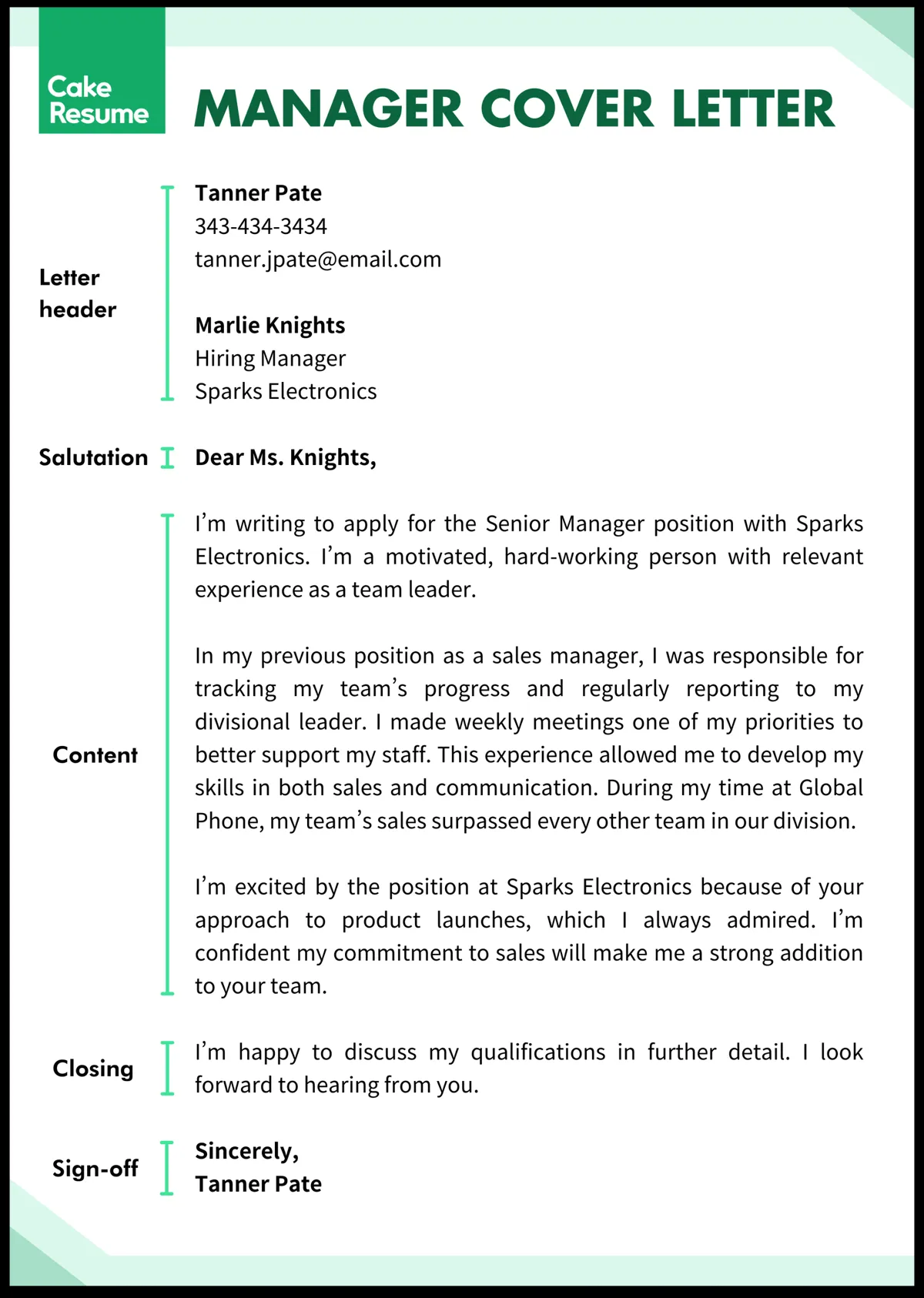
What is a Manager Resume Cover Letter?
A manager resume cover letter is a crucial document that accompanies your resume when applying for a management position. It serves as your introduction to the hiring manager and provides an opportunity to highlight your skills, experience, and accomplishments in a concise and compelling manner. Unlike your resume, which provides a factual overview of your career, the cover letter allows you to express your personality, demonstrate your enthusiasm for the role, and explain why you are the ideal candidate. A well-crafted cover letter can significantly increase your chances of getting noticed and securing an interview. It’s a chance to tell a story about how your skills and experience align with the specific needs of the role, and why you are the best fit for the company. A cover letter is your chance to personalize your application and showcase your value proposition. It’s your first impression, and it should be a good one!
Why Do You Need a Cover Letter?
In today’s competitive job market, a cover letter is essential for making a strong first impression. While your resume provides a summary of your qualifications, the cover letter offers a platform to tell a story about how your skills and experience align with the specific needs of the role. Many hiring managers use cover letters to screen candidates, and a well-written one can set you apart from the competition. A cover letter enables you to showcase your personality, demonstrate your enthusiasm for the role, and explain why you are the ideal candidate. It’s your opportunity to highlight your most relevant skills and experiences, tailoring them to the specific requirements of the job posting. A cover letter can also help you address any potential gaps in your resume or explain career transitions, providing context and clarity to your application.
Key Elements of a Manager Cover Letter

A compelling manager cover letter comprises several key elements that work together to make a strong impression. It should include your contact information, a professional greeting, an opening paragraph that highlights your key skills, a middle paragraph demonstrating your accomplishments, a closing paragraph with a call to action, and a professional closing. Each of these elements plays a vital role in conveying your qualifications and showcasing your suitability for the management position. Pay close attention to each part; it will make a difference between success and failure. Be sure to proofread your cover letter carefully before submitting it to avoid any errors that might detract from your application. By focusing on these key elements, you can create a cover letter that effectively communicates your value to potential employers.
Your Contact Information
At the top of your cover letter, include your full name, address, phone number, and professional email address. Ensure that the contact information matches what is on your resume. Using a clear, easy-to-read format is important, and it should be aligned to the left or centered. This information enables the hiring manager to easily contact you if they are interested in your application. Verify that your email address is professional and that it’s working, as this will be the primary method for communication. Double-check the phone number, too! A missing digit will mean a missed opportunity.
Greeting
Address your cover letter to the hiring manager by name whenever possible. Research the company and the specific role to find the name of the hiring manager. If you are unable to find the hiring manager’s name, use a professional greeting such as “Dear Hiring Manager” or “Dear [Department Name] Team.” Avoid generic greetings like “To Whom It May Concern,” as they can make your application seem impersonal. Addressing the hiring manager directly shows that you have taken the time to personalize your application and that you are genuinely interested in the position. This simple step can go a long way in making a positive impression.
Opening Paragraph Highlighting Skills

The opening paragraph should immediately grab the reader’s attention and provide a brief overview of your key qualifications and skills. State the specific position you are applying for and mention where you saw the job posting. Highlight your most relevant skills and experiences that align with the job requirements. Show your passion for the role and express your excitement about the opportunity. Tailor this paragraph to the specific job description. For instance, if the job description stresses the need for strong leadership skills, mention your leadership experiences upfront. By highlighting your key skills and enthusiasm from the beginning, you set the tone for the rest of the cover letter and encourage the hiring manager to continue reading.
Middle Paragraph Demonstrating Accomplishments
This is where you showcase your achievements and demonstrate the value you can bring to the company. Provide specific examples of your accomplishments in previous management roles. Use the STAR method (Situation, Task, Action, Result) to describe your experiences and quantify your achievements whenever possible. Focus on achievements that are most relevant to the job description and align with the company’s needs. Discuss how you successfully managed teams, improved processes, increased productivity, or achieved specific goals. Show them what you’ve done, and demonstrate how you did it. Your cover letter should be more than just a summary of your skills; it’s an opportunity to demonstrate your proven ability to deliver results. Showcasing your accomplishments builds credibility and makes a compelling case for why you are the right fit for the management position.
Quantify Your Achievements
Whenever possible, quantify your accomplishments to demonstrate the impact you have made in previous roles. Use numbers, percentages, and specific data to showcase your achievements. For example, instead of saying “Increased sales,” state “Increased sales by 15% within one year.” Quantifying your achievements provides concrete evidence of your ability to deliver results. Highlight how you improved efficiency, reduced costs, or increased revenue. Quantifiable metrics add credibility to your claims and make your cover letter more impactful. This shows the hiring manager the real value you can bring to their organization and helps them see how you can contribute to their success. Quantifying your achievements is a powerful way to differentiate yourself from other candidates and demonstrate your value.
Closing Paragraph and Call to Action

In your closing paragraph, reiterate your interest in the position and summarize why you are the best fit for the role. Reiterate your key qualifications and express your enthusiasm for the opportunity. Include a clear call to action, such as requesting an interview or expressing your willingness to discuss your qualifications further. Thank the hiring manager for their time and consideration. A strong closing paragraph leaves a lasting impression and encourages the hiring manager to take the next step. Make sure your tone is professional and enthusiastic. By ending with a call to action, you signal your eagerness to move forward in the hiring process and increase your chances of securing an interview.
Formatting and Design Tips
Your cover letter should be well-formatted and easy to read. Use a professional font such as Arial or Times New Roman, and maintain a consistent font size. Keep the letter concise and to the point, aiming for a maximum of one page. Use clear headings, bullet points, and white space to break up the text and make it more visually appealing. Proofread your cover letter carefully for any grammatical errors or typos. A well-formatted cover letter demonstrates your attention to detail and professionalism. Using formatting to highlight key information and make your cover letter easy to read is critical. A clean, well-organized cover letter will make a positive impression on the hiring manager and show that you take your application seriously. Your goal is to make it as easy as possible for the hiring manager to appreciate your credentials and consider you for the role.
Common Mistakes to Avoid
Avoid common mistakes that can negatively impact your cover letter. Do not simply repeat information from your resume; instead, use the cover letter to provide context and expand on your accomplishments. Avoid using generic or impersonal language. Tailor your cover letter to each specific job application. Do not send a generic cover letter to multiple companies. Be sure to proofread your cover letter for any grammatical errors or typos before submitting it. Proofreading is essential, even if you use software. A cover letter that is poorly written or contains errors can undermine your credibility and reduce your chances of getting noticed. Double-check everything, from the spelling of the company’s name to the details of your qualifications.
Examples of Effective Manager Cover Letters

Reviewing examples of effective cover letters can provide valuable insights and inspiration when writing your own. These examples demonstrate how to tailor your cover letter to different management roles and highlight key skills and achievements. These examples can help you learn how to effectively structure your cover letter, showcase your accomplishments, and use persuasive language. Pay close attention to the formatting, language, and tone used in the examples. Use them as a guide to tailor your cover letter to the specific requirements of the job you are applying for. By studying successful examples, you can refine your own cover letter and increase your chances of securing an interview.
Example 1 Experienced Manager
This example should highlight the experience and expertise of a seasoned manager. It focuses on leadership, strategic planning, and achieving significant results over many years. The cover letter may showcase a long history of success in managing teams, increasing profitability, and driving organizational growth. Specific accomplishments, such as leading successful projects, improving operational efficiency, or mentoring team members, should be included. The letter should use strong action verbs to describe the candidate’s accomplishments and emphasize skills like decision-making, problem-solving, and communication. This will show that this candidate has a proven track record and is ready to lead and inspire. Consider the tone; it should be confident, assertive, and professional, reflecting the candidate’s years of experience and leadership capabilities.
Example 2 Entry-Level Manager
This example is written for candidates who may have less direct management experience but possess the skills and potential for a management role. The cover letter should highlight leadership potential, such as through project leadership or team involvement in previous roles. The candidate should stress their skills in areas like communication, organization, and problem-solving. Demonstrating enthusiasm and a willingness to learn is important. Highlight relevant coursework, volunteer experience, or extracurricular activities that showcase their leadership qualities. The focus should be on the candidate’s ability to quickly learn and adapt, and their potential to grow within the company. Ensure the tone is enthusiastic and proactive, showcasing a desire to take on responsibility and contribute to team success. This approach can offset the lack of direct management experience by emphasizing potential and a strong work ethic.
Example 3 Project Manager

This cover letter example will focus on the skills specific to project management. The letter should showcase the candidate’s experience in planning, executing, and managing projects from beginning to end. Key elements include experience with project management methodologies (such as Agile or Waterfall), budget management, and stakeholder communication. Provide specific examples of successful projects, detailing how the candidate managed timelines, resources, and risks. Highlight their skills in areas such as problem-solving, organization, and leadership. The tone should be professional and organized, reflecting the candidate’s ability to manage complex projects effectively. The emphasis should be on their ability to deliver projects on time, within budget, and to high standards.
Example 4 Operations Manager
This example should emphasize the operational skills and experience of the candidate. The letter should highlight skills like process improvement, efficiency enhancement, and resource management. The cover letter should offer specific examples of improvements in operations, such as cost reduction, increased productivity, or improved customer satisfaction. Focus on the candidate’s ability to oversee day-to-day operations and improve efficiency. Showcase their experience in managing teams, streamlining processes, and ensuring operational excellence. Be specific in showcasing achievements and the impact of the candidate’s contributions to the company. The tone should be results-oriented and demonstrate a focus on operational excellence and efficiency.
Tailoring Your Cover Letter
Always tailor your cover letter to each specific job application. Review the job description carefully and identify the key skills, qualifications, and experiences the employer is seeking. Customize your cover letter to directly address these requirements, highlighting your relevant skills and accomplishments. This demonstrates that you have taken the time to understand the company’s needs and that you are a well-suited candidate. Customize your cover letter to match the tone and style of the company and the specific role. Tailoring your cover letter shows that you are genuinely interested in the position and that you are a good fit for the company culture. This personalization makes your application more effective and increases your chances of getting noticed. Your ability to customize each letter is vital to success.