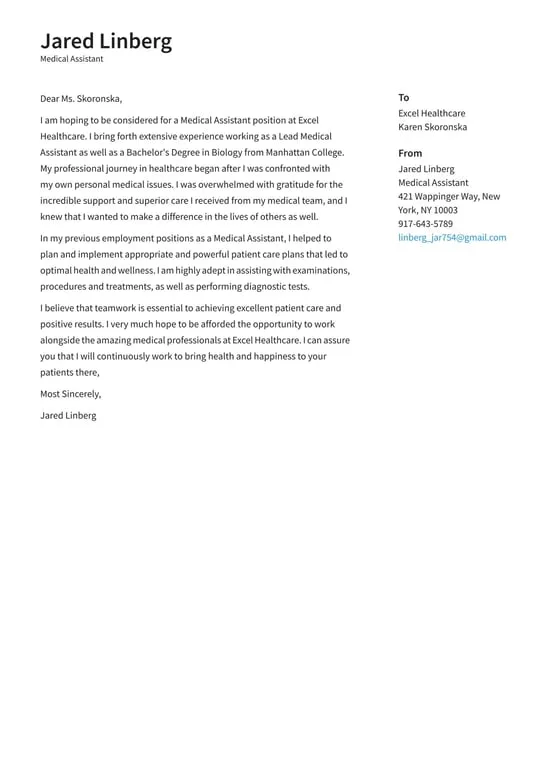
What is a Medical RFE Response Cover Letter?
A Medical Request for Evidence (RFE) response cover letter is a crucial document submitted to immigration authorities, such as United States Citizenship and Immigration Services (USCIS). It accompanies the evidence you are providing to address specific concerns or deficiencies identified in your initial application. This letter serves as an organized and clear introduction to your case, guiding the immigration officer through the supporting documents and medical evidence you are providing. A well-crafted cover letter demonstrates your understanding of the RFE, provides context for the evidence, and strengthens your application’s likelihood of success. It is an essential tool in navigating the immigration process, especially when dealing with medical-related requests.
Why is a Medical RFE Response Cover Letter Important?
The importance of a medical RFE response cover letter cannot be overstated. Firstly, it offers an opportunity to thoroughly explain the medical aspects of your case in a structured manner. Secondly, it ensures that all supporting documents are properly organized and clearly referenced. Thirdly, it allows you to address specific concerns raised by the USCIS, showcasing your understanding of the request and your proactive approach to resolving any issues. Fourthly, a well-written cover letter demonstrates your credibility and attention to detail, which are essential in immigration proceedings. A strong cover letter can significantly improve your chances of a positive outcome by making the review process easier for the officer and providing a comprehensive overview of your case.
Key Components of a Medical RFE Response Cover Letter
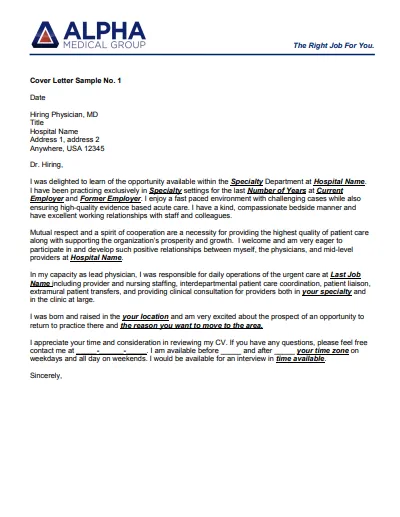
A compelling medical RFE response cover letter contains specific components that convey your case effectively. Here’s a breakdown of the essential elements you need to include for your letter.
Applicant Information
Begin by including your full legal name, address, and any relevant identification numbers (e.g., A-Number) on the top of the letter. Also, include the USCIS service center’s address where you are submitting your response. Ensure the information accurately matches your application details to avoid any confusion or delays. This helps the officer quickly identify the application and ensure your response is correctly matched to your file.
Responding to the RFE
Start by stating clearly that this letter is a response to the RFE received from USCIS. The cover letter should clearly reference the RFE notice, including the date of the notice, the receipt number, and any other identifying information found on the original notice. This helps the USCIS officer quickly understand the purpose of the letter and connect it with the correct application. A concise and clear statement sets the tone for the rest of the response.
Referencing the RFE Notice

Carefully review the RFE notice and list each point or request made by USCIS. For each point, provide a clear and direct response, referencing the specific evidence you are submitting to address the concern. For example, if the RFE requests additional medical records, state that you are providing [type of record] and cite the page number within the provided documents. This method ensures you thoroughly address every issue and show how you have met the requirements.
Organizing Your Medical Evidence
Organizing your medical evidence is just as critical as writing the cover letter. Here’s how to do it right. First, create a clear and logical structure to your documents. Second, separate your documents into easily identifiable sections, such as medical reports, doctor’s statements, and supporting documents. Third, label each document clearly with a title and page numbers, and include a table of contents or index to help the officer navigate your submission. This structured approach will make it easier for the reviewing officer to find the information, increasing the efficiency of the review process.
Gathering Supporting Documents
Collect all medical records and other supporting documents requested in the RFE. Include all relevant medical reports, diagnostic test results, and any medical expert opinions that support your case. Make sure all documents are complete and legible. If a document is in a language other than English, include a certified translation. Also, collect any non-medical evidence, such as employment records or letters from family and friends. Carefully check the RFE for the list of necessary documents.
Medical Reports and Records

Include all medical reports, diagnostic test results, and any other medical records required by the RFE. These might include doctor’s notes, hospital records, and specialist reports. Organize these documents chronologically and clearly label each item. When preparing medical reports, ensure they are detailed and include all relevant medical history, the treatments received, and the doctor’s opinion on the medical condition. This helps provide a complete medical picture. Make copies and retain the originals for your records.
Affidavits and Witness Statements
Include supporting affidavits or witness statements if needed, such as statements from medical professionals who have provided treatment, or from family members who can provide supporting evidence. The statements should be detailed and factual. Each affidavit should include the affiant’s contact information and a declaration under penalty of perjury. These statements can help strengthen your case by offering credible support for your medical condition and its impact.
Crafting a Compelling Narrative
Your cover letter should clearly and concisely tell your story. Do not just list the documents, but explain the context of your case and why the medical evidence is important. The narrative should be easy to follow and leave no room for ambiguity.
Highlighting Relevant Medical History
In your cover letter, provide a brief overview of your relevant medical history. This should include details about when the condition was diagnosed, any treatments you have received, and the current status of your medical condition. This allows the USCIS officer to understand the progression of your medical issues. Ensure the information you provide matches the documentation you are submitting to avoid confusion. Include dates, medical providers, and specific diagnoses for clarity.
Addressing the Concerns Raised in the RFE
Carefully review the RFE and address each point specifically. Restate the issue raised by USCIS, and then explain how your supporting documents resolve that issue. For example, if the RFE questions your diagnosis, clearly cite the medical reports or expert opinions that confirm it. This shows that you have thoroughly understood the USCIS’s concerns and have provided evidence to address them. Ensure you directly link the documents to the specific questions raised in the RFE.
Explaining the Medical Condition and Treatment
Clearly explain your medical condition to the officer. Use simple, non-technical language. If necessary, provide the names of any doctors or specialists who have treated you. If you have undergone treatment, describe it, including details about the type of treatment, its duration, and the outcome. This detailed explanation helps the USCIS understand the nature of your medical condition, the treatment you received, and its impact on your ability to perform daily activities.
Presenting Your Supporting Evidence
Clearly reference and explain how each piece of evidence supports your case. List all enclosed documents by title and include the specific page numbers where the relevant information can be found. For example, ‘Medical Report from Dr. Smith, pages 3-5, confirms…’. Organize your evidence logically, and provide concise explanations for each document. This approach will make it easy for the USCIS officer to connect your evidence to the issues outlined in the RFE. Avoid general statements, and directly link the documents to specific points.
Formatting Your Cover Letter
Professional formatting will help convey your seriousness and attention to detail. Adhere to best practices for professional communication.
Choosing the Right Font and Margins
Choose a standard, easily readable font such as Times New Roman, Arial, or Calibri, with a font size between 11 and 12 points. Use standard one-inch margins on all sides. This will make the letter look clean and professional, ensuring the document is easy to read. Consistency in formatting enhances readability and demonstrates professionalism.
Ensuring Clarity and Conciseness

Write in clear, concise language. Avoid jargon or overly complex terms that the officer may not understand. Use short, straightforward sentences and paragraphs. Keep the focus on addressing the issues raised in the RFE and presenting your supporting evidence. Proofread carefully to eliminate spelling and grammatical errors. Aim for a well-organized structure that clearly presents your case, making it easy for the officer to understand your response.
Submitting Your Medical RFE Response
Prepare the response to the medical RFE for submission. Before you mail your response, make sure to follow some important steps to avoid issues.
Proofreading and Editing
Proofread and edit your cover letter thoroughly before submitting it. Check for spelling errors, grammatical errors, and formatting inconsistencies. Ensure that all information is accurate and consistent with the supporting documents. Have a second person review the letter as well to catch any errors you might have missed. A well-proofread letter demonstrates attention to detail and increases the credibility of your case.
Mailing and Delivery Options
Follow the instructions in the RFE notice regarding the method of submission. Typically, you will need to mail the response to the address listed on the RFE. It is advisable to send your response via certified mail with return receipt requested. This will provide proof that USCIS received your response. Keep a copy of your entire response package, including the cover letter and all supporting documents. Make sure to mail it within the deadline specified by USCIS to avoid denial of your application.
Conclusion
Writing a medical RFE response cover letter can be complex, but a well-prepared letter dramatically improves the likelihood of a positive outcome. By carefully addressing each point in the RFE, organizing your evidence, and presenting a clear and concise narrative, you can present a strong case. Always follow the specific instructions and deadlines provided by USCIS and seek professional help when needed to ensure a successful outcome. Remember, a well-crafted cover letter is an essential tool in the immigration process.