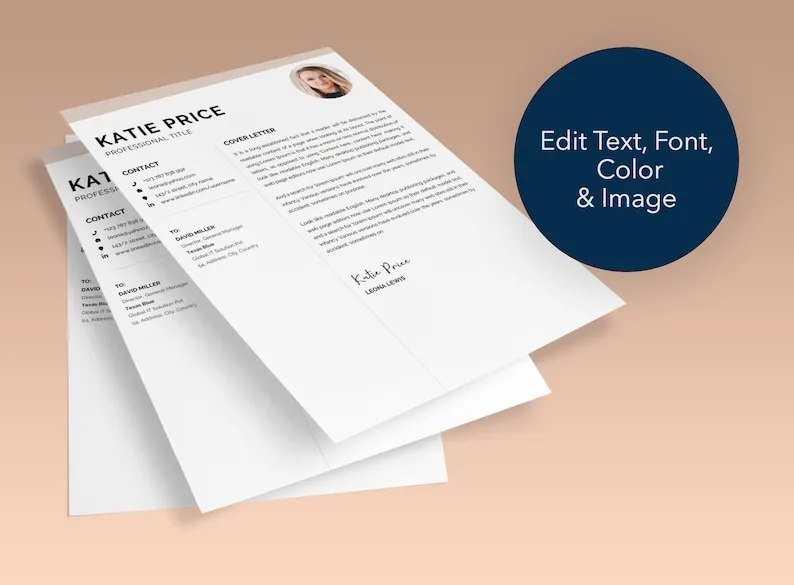
What is a Cover Letter
A cover letter is a crucial document that accompanies your resume when applying for a job. It serves as a personalized introduction, allowing you to highlight your key skills, experience, and qualifications in a way that directly relates to the specific job you’re applying for. Unlike a resume, which provides a comprehensive overview of your professional history, a cover letter allows you to elaborate on your achievements and express your enthusiasm for the position and the company. Using a Microsoft Word template can streamline the process, providing a pre-designed structure that helps you create a compelling and professional cover letter.
The Importance of a Cover Letter
A well-crafted cover letter significantly increases your chances of landing an interview. It’s your opportunity to make a strong first impression and convince the hiring manager that you are the right fit for the role. A cover letter goes beyond simply listing your qualifications; it tells a story, showcasing your personality and demonstrating your genuine interest in the company and the position. Neglecting a cover letter, or submitting a generic one, can be a missed opportunity to stand out from the competition, especially when many candidates are vying for the same position. A Microsoft Word template helps ensure your letter is formatted professionally and includes all the essential elements.
Cover Letter’s primary purpose

The primary purpose of a cover letter is to introduce yourself and make a compelling case for why you’re the ideal candidate. It aims to grab the reader’s attention, express your enthusiasm, and persuade them to review your resume in detail. It’s a chance to demonstrate your communication skills, highlight relevant experiences, and articulate your career goals. A well-written cover letter should quickly and effectively convey your value proposition, making it clear what you bring to the table and why you deserve an interview. Using a Microsoft Word template gives you a framework for achieving all these purposes.
Why is a Cover Letter Important?
A cover letter is important because it provides context to your resume. It allows you to explain any gaps in your employment history, elaborate on your skills, and address any concerns the hiring manager might have. Moreover, it demonstrates your writing skills, attention to detail, and your genuine interest in the specific job. Many employers specifically request cover letters, and failing to provide one can signal a lack of attention to detail or a lack of genuine interest in the position. A cover letter also lets you personalize your application and show how your skills and experience align with the company’s needs and culture.
How to choose the right Microsoft Word Template
Choosing the right Microsoft Word template is a critical step in creating a professional cover letter. The template should be clean, easy to read, and visually appealing, while also reflecting your personal brand. Consider the industry you’re applying to and select a template that aligns with its standards. Avoid templates that are overly complex or cluttered, as they can distract from the content of your letter. Focus on templates that provide a good structure for organizing your information and that allow for easy customization. A well-chosen template sets a positive tone and helps you make a great first impression.
Where to Find Microsoft Word Templates

Microsoft Word itself offers a vast library of free templates, accessible directly from the application. You can browse templates by category, making it easy to find one that suits your needs. Additionally, many websites provide a wide range of free and premium cover letter templates that you can download and customize. These websites often offer templates tailored to specific industries or job types, providing a variety of options. When selecting a website, choose a reputable source to ensure the templates are professionally designed and free of any security risks.
Template Resources
When looking for cover letter templates, consider resources like Microsoft’s built-in template library. Websites such as Canva, and other job search platforms also provide numerous templates. Be sure to check the template’s format and compatibility with your version of Microsoft Word. Prioritize templates that offer a clear structure, ample space for your content, and customization options to reflect your personality and the specific job requirements. Always ensure that the template is easy to edit and that it allows for a clean, professional layout that reflects positively on you.
Choosing a Template That Fits Your Needs
The best Microsoft Word template for you will depend on your personal style and the type of job you’re applying for. If you’re targeting a creative role, you might opt for a template with a more modern or visually appealing design. For more traditional industries, a clean and professional template is usually the safest bet. Consider templates that provide clear sections for your contact information, a professional summary or opening statement, key skills, and a call to action. Ensure the template allows you to highlight your most relevant skills and tailor the content to the specific job requirements. Experiment with a few different templates to find one that best suits your needs.
Template Considerations

Consider the layout, font choices, and overall design when selecting a Microsoft Word template. The layout should be organized and easy to navigate. The font should be professional and readable, avoiding overly decorative or difficult-to-read fonts. Choose a template with sufficient space for your content, and make sure it allows for easy customization of the header, footer, and body text. Also, make sure it’s compatible with your version of Microsoft Word and supports the formatting options you need. Prioritize templates that make it easy to showcase your skills and tailor your cover letter to each job application. Check how it looks when you insert images.
How to Customize Your Microsoft Word Cover Letter
Customizing your Microsoft Word cover letter is essential to make it unique and relevant to each job you apply for. Start by replacing the placeholder text with your own information, including your contact details, skills, and experience. Tailor the content to match the specific requirements and keywords of the job description. Highlight your accomplishments and quantify them whenever possible. Ensure your letter reflects your personality and enthusiasm for the role and the company. Proofread carefully for any errors. Customization makes your cover letter stand out and demonstrates your genuine interest in the position.
Formatting Your Cover Letter
Proper formatting is essential for a professional-looking cover letter. Use a standard font like Times New Roman, Arial, or Calibri, and keep the font size between 10 and 12 points for readability. Maintain consistent formatting throughout your letter. Use clear headings and bullet points to organize your content and make it easy to scan. Align your text to the left and avoid centered text, except perhaps for your contact information. Use single spacing within paragraphs and double spacing between paragraphs. A well-formatted cover letter is easy to read and demonstrates your attention to detail.
Header and Footer

The header and footer of your cover letter can add a professional touch. In the header, include your name and contact information. Consider adding a brief header with your name and the date. The footer can contain the page number. Consistency in the header and footer style enhances the overall presentation of your cover letter. Using these formatting elements ensures your contact details are easily accessible and helps maintain a polished, professional appearance. A well-designed header and footer reinforce your attention to detail and professionalism.
Font Selection
Choosing the right font is vital for readability and professionalism. Opt for a standard font that is easy on the eyes, such as Times New Roman, Arial, or Calibri. Avoid overly decorative fonts or those that are difficult to read. Keep the font size between 10 and 12 points, adjusting the size to balance readability with a professional appearance. The goal is to ensure your cover letter is easy to read and that the font complements your overall professional brand. Consistency in font choice throughout the document is important.
Content Customization
Content customization is about tailoring your cover letter to each specific job. Read the job description carefully and identify the key skills and qualifications the employer is seeking. Then, highlight your relevant experience and accomplishments, using keywords from the job description. Explain how your skills and experience align with the company’s needs and culture. Quantify your achievements whenever possible, using numbers and data to demonstrate your impact. The goal is to make a strong case for why you are the perfect fit for the role and to demonstrate your genuine interest in the position and the company. Personalization is key to making your cover letter stand out.
Personalize Your Content

Personalizing your cover letter involves more than just filling in the blanks. Research the company and the specific role to understand their needs and values. Address the hiring manager by name, if possible. Tailor your opening statement to express your enthusiasm for the specific opportunity. Highlight your relevant experience, using specific examples and quantifying your accomplishments. Explain why you’re interested in the company and what you can bring to the team. By personalizing your content, you show that you’ve taken the time to understand the role and the company, demonstrating your sincere interest and making a stronger impression on the hiring manager.
Keywords and Phrases
Incorporating relevant keywords and phrases from the job description into your cover letter can help your application get noticed. Applicant Tracking Systems (ATS) often scan cover letters and resumes for specific keywords. Analyze the job description and identify the key skills, qualifications, and requirements the employer is seeking. Then, incorporate these keywords naturally throughout your cover letter. Use action verbs and industry-specific terms to showcase your skills and experience. This ensures that your cover letter is aligned with the job requirements and increases your chances of passing the initial screening process.
Proofreading and Editing Your Cover Letter
Proofreading and editing your cover letter is essential for a polished, professional presentation. Errors in grammar, spelling, and punctuation can damage your credibility and create a negative impression on the hiring manager. Take the time to carefully review your cover letter for any mistakes. Read it aloud to catch any awkward phrasing or inconsistencies. Have a friend or colleague proofread it as well, as a fresh pair of eyes can often spot errors you might have missed. A well-proofread cover letter demonstrates your attention to detail and professionalism.
The Importance of Proofreading

Proofreading is vital for ensuring that your cover letter is free of errors. Mistakes in spelling, grammar, and punctuation can undermine your credibility and professionalism. Even minor errors can detract from the overall impact of your letter and create a negative impression. Proofreading demonstrates your attention to detail and your commitment to presenting a polished and professional image. Taking the time to proofread your cover letter shows that you care about the details and are willing to put in the extra effort. It significantly increases your chances of making a positive first impression on the hiring manager.
Tips for Proofreading
Proofreading effectively requires a systematic approach. Start by reading your cover letter slowly and carefully, checking for spelling and grammatical errors. Use spell check and grammar check tools, but don’t rely on them completely. Read your cover letter aloud to catch awkward phrasing or sentences that don’t flow well. Take a break before proofreading, as a fresh perspective can help you spot errors more easily. Have a friend or colleague review your cover letter, as a second pair of eyes can often identify errors that you may have missed. Proofread multiple times, focusing on different aspects each time.
Common Mistakes to Avoid
Avoid common mistakes that can undermine your cover letter’s effectiveness. Don’t use generic language, such as “To whom it may concern” or a generic opening. Avoid overly lengthy or rambling sentences. Don’t repeat information from your resume; instead, elaborate on your experience and skills. Avoid typos and grammatical errors. Don’t focus solely on what you want; instead, highlight how you can contribute to the company. Avoid being negative or complaining about previous employers. By avoiding these common mistakes, you can ensure your cover letter makes a positive impression on the hiring manager.
Best Practices for cover letter writing

Following best practices ensures your cover letter is effective and professional. Tailor your cover letter to each specific job, highlighting the skills and experience most relevant to the position. Address the hiring manager by name, if possible. Keep your cover letter concise and to the point, ideally no more than one page. Use clear and professional language, avoiding jargon or overly complex sentences. Proofread your cover letter carefully for any errors. Close with a strong call to action, expressing your enthusiasm for the opportunity and inviting the hiring manager to contact you. By adhering to these best practices, you increase your chances of landing an interview.