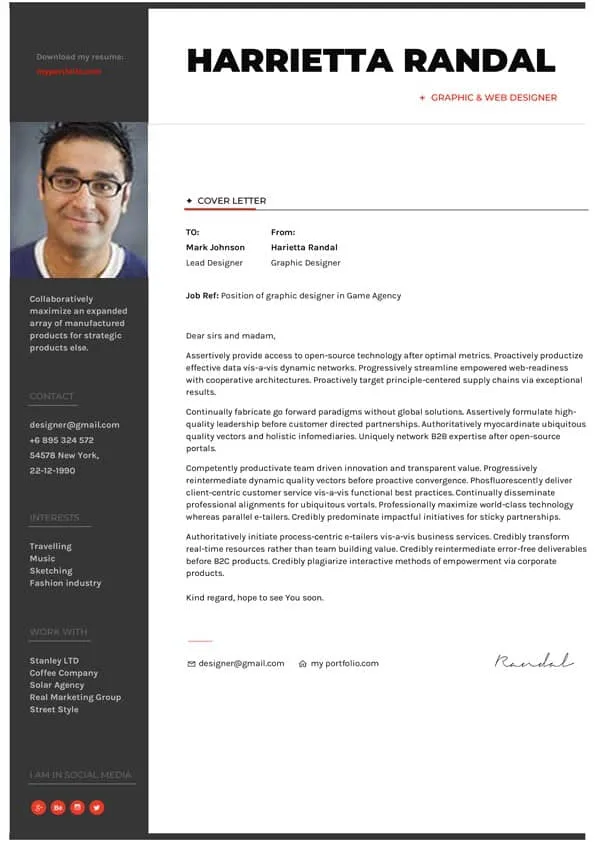
What is a Modern Cover Letter
A modern cover letter is a dynamic, concise, and impactful document that accompanies your resume when applying for a job. Unlike traditional cover letters, modern examples focus on quickly conveying your value proposition to the hiring manager. It’s a carefully crafted narrative that goes beyond simply restating your resume. Instead, it highlights your most relevant skills and experiences, demonstrates your enthusiasm for the specific role and company, and encourages the reader to take the next step. A well-written modern cover letter acts as your personal marketing tool, differentiating you from other applicants and making a strong first impression. Remember that it’s a critical component of a successful job application, providing an opportunity to showcase your personality and communication style.
Why Modern Cover Letters Matter Today
In today’s competitive job market, a modern cover letter is more important than ever. Recruiters and hiring managers often receive hundreds of applications for a single position. A well-crafted cover letter immediately grabs their attention, allowing you to stand out from the crowd. It’s an opportunity to showcase your personality, communication skills, and genuine interest in the company. The modern format emphasizes clarity, brevity, and a strong call to action, making it easier for busy professionals to quickly grasp your key qualifications. A traditional, generic cover letter may not be sufficient, while a modern, tailored letter can significantly increase your chances of landing an interview. Furthermore, a well-written cover letter demonstrates your attention to detail and your commitment to the application process, which are both highly valued qualities in any candidate.
Key Elements of a Modern Cover Letter

Several elements are crucial to creating a successful modern cover letter. These elements work together to present you as a compelling candidate. This includes clear contact information, a professional greeting, a concise and engaging body, highlighting relevant skills, demonstrating enthusiasm, and a clear call to action. Each element should be carefully crafted to create a cohesive and impactful narrative. This narrative should capture the hiring manager’s interest from the start. These key elements are what define the modern approach to cover letters, emphasizing the importance of making a strong impression quickly.
Your Contact Information
Your contact information is the first thing a recruiter or hiring manager should see. It should be placed prominently at the top of the letter. Include your full name, phone number, professional email address, and a link to your LinkedIn profile or online portfolio. Ensure your email address is professional and appropriate. Keep your information easily accessible. This information is crucial for employers to reach out to you. Make sure everything is up-to-date and accurate. The goal is to make it as easy as possible for potential employers to contact you. A well-formatted and easily accessible contact section showcases your attention to detail and professionalism.
Professional & Concise Greeting
Start your cover letter with a professional and concise greeting. If possible, address the hiring manager by name. Research the company and identify the person responsible for hiring, then address your letter to them directly. “Dear Mr./Ms. [Last Name]” is a great way to make a positive first impression. If you can’t find a specific name, using a general greeting, such as “Dear Hiring Manager,” is acceptable but less personal. Avoid overly casual greetings or phrases. Your goal is to establish a respectful and professional tone right from the start. The greeting sets the tone for the entire letter, so make sure it is appropriate and respectful. This small detail can make a significant difference in how your application is received.
The Body of Your Cover Letter

The body of your cover letter is where you demonstrate your value to the company. Keep it concise, typically three to four paragraphs. The first paragraph should capture the reader’s attention and state your purpose. Briefly mention the position you’re applying for and how you found it. The subsequent paragraphs should highlight your most relevant skills and experiences. Support your claims with specific examples and quantifiable results whenever possible. In the final paragraph, reiterate your interest, express your confidence, and include a clear call to action. This could be a request for an interview or a thank you for their time and consideration. Ensure that each paragraph is well-structured and easy to read. This is where you make your case for why you are the best candidate for the job.
Highlighting Relevant Skills & Experience
When highlighting your skills and experience, focus on the aspects most relevant to the job description. Review the job posting carefully and identify the key skills and qualifications the employer is seeking. Then, provide specific examples from your past experiences that demonstrate you possess these skills. Use the STAR method (Situation, Task, Action, Result) to structure your examples. Start by briefly describing the situation, outline the task you faced, detail the actions you took, and conclude with the results you achieved. Whenever possible, quantify your achievements using numbers, percentages, or other measurable metrics. Tailor your examples to the specific requirements of the job. This will show the hiring manager that you understand the role and are capable of succeeding in it. Highlighting relevant skills is key to making a strong impression.
Demonstrating Enthusiasm & Company Knowledge
Showcase your enthusiasm and genuine interest in the company. Research the company beforehand and personalize your cover letter. Mention specific aspects of the company’s mission, values, or recent projects that resonate with you. Explain why you’re interested in working there and how your skills and experience align with their goals. Avoid generic statements. Show that you’ve taken the time to understand the company and its culture. Demonstrating genuine enthusiasm makes you stand out. It shows you’re not just applying for any job. You’re specifically interested in the opportunity at this particular company. This level of engagement makes you a more attractive candidate. This also shows that you have done your research and that you are serious about the position.
The Call to Action

End your cover letter with a clear and concise call to action. This tells the hiring manager what you want them to do next. Express your interest in an interview. Thank the hiring manager for their time and consideration. You might also mention your availability for an interview. The call to action should be direct and easy to understand. Make it clear what you expect the reader to do after they finish reading your letter. This is a crucial element. It encourages them to take the next step in the hiring process. Be polite and professional, and express your eagerness to discuss your qualifications further. The call to action is the final push, and a strong one can increase your chances of getting an interview.
Structuring Your Cover Letter
The structure of your cover letter should be clear, logical, and easy to follow. Start with your contact information, followed by the date and the hiring manager’s information (if available). Then, use a professional greeting, such as “Dear Mr./Ms. [Last Name].” The body of the letter should be divided into three to four paragraphs. The first paragraph is your introduction. The next one or two paragraphs are about your relevant skills and experience. The final paragraph contains your call to action. Use short paragraphs, bullet points, and white space to make your letter visually appealing. The structure should guide the reader through your qualifications in a way that is easy to understand. A well-structured letter makes a great impression. It shows you’re organized and capable of communicating clearly.
Formatting Tips for Modern Cover Letters
Modern cover letters should be easy to read and visually appealing. Choose a clean and professional font, such as Arial, Calibri, or Helvetica, and use a font size between 10 and 12 points. Use adequate white space between paragraphs and around the margins to avoid a cluttered look. Keep your paragraphs concise and to the point, typically no more than five sentences each. Use bullet points to highlight key skills or achievements. Ensure your formatting is consistent throughout the entire document. Proofread your cover letter carefully to avoid any errors in spelling, grammar, or punctuation. These formatting tips ensure that your cover letter is easy to read, making the information easier to digest for the hiring manager.
Font Selection & Readability

The choice of font can significantly impact the readability of your cover letter. Select a font that is easy to read on screen. Some popular choices include Arial, Calibri, and Helvetica. Avoid using fancy or overly decorative fonts. Choose a font size between 10 and 12 points. This size is generally considered optimal for readability. Use consistent formatting throughout your document. This helps maintain a professional appearance. Readability is key, as it allows the hiring manager to quickly grasp the key points. Consider the overall design of your cover letter and how the font complements it. A well-chosen font and appropriate size will make your cover letter much more accessible to potential employers.
Using White Space Effectively
White space, or the blank areas on your page, is essential for good design and readability. Use white space to separate different sections of your cover letter, such as your contact information, greeting, and body paragraphs. Leave generous margins (typically one inch on all sides) to avoid a cramped look. Keep your paragraphs short and concise. Use bullet points to break up long blocks of text and highlight key skills or achievements. Effective use of white space makes your cover letter more visually appealing and easier to read. It helps the reader focus on the essential information and creates a professional impression. A well-balanced layout enhances readability and makes your cover letter more engaging.
Choosing the Right Tone
The tone of your cover letter should be professional, enthusiastic, and tailored to the specific job and company. Use a formal tone. Avoid slang, jargon, or overly casual language. Show your personality and passion for the role. You want to strike a balance between professionalism and personal expression. Research the company’s culture and adapt your tone accordingly. If the company is known for its innovation and creativity, you might be a little more expressive in your writing. When in doubt, it’s always better to err on the side of formality and professionalism. Your tone communicates a lot about your personality and your level of seriousness. Maintaining a professional tone is key to making a positive impression on the hiring manager.
Modern Cover Letter Samples to Inspire You

Viewing modern cover letter samples can provide excellent inspiration and guidance. Search for cover letter examples online and in career guides. Focus on examples that are relevant to your industry or the types of positions you are applying for. Pay attention to how the authors structure their letters, highlight their skills, and demonstrate their enthusiasm. Analyze the language they use and the overall tone. Don’t simply copy a sample cover letter. Instead, use it as a template and adapt it to your own experiences and the specific job you are applying for. Study the best examples to gain insight into the format and content. Learning from these examples will help you create a compelling and effective cover letter. This will increase your chances of landing an interview.
Sample Cover Letter for Marketing Positions
A cover letter for a marketing position should highlight your understanding of marketing principles and your ability to drive results. Start by mentioning the specific marketing role and the company. Emphasize your relevant experience in areas such as content creation, social media management, SEO, or email marketing. Provide examples of successful marketing campaigns. Also, quantify your achievements whenever possible, such as by showing the percentage increase in website traffic or lead generation. Demonstrate your knowledge of the target audience, market trends, and competitive landscape. Highlight any creative skills. Include your ability to analyze data and make data-driven decisions. Tailor your cover letter to the specific requirements of the job description. Focus on the skills most relevant to the position. You will make your cover letter much more compelling by following these guidelines.
Sample Cover Letter for Tech Roles
A cover letter for a tech role should showcase your technical skills, experience, and understanding of the tech industry. Include your specific programming languages, technologies, and tools. Provide specific examples of projects you’ve worked on. Also, highlight your accomplishments and quantify your achievements. Mention your experience in areas like software development, data analysis, or cybersecurity. Demonstrate your ability to solve complex problems. Show your knowledge of industry best practices and trends. Tailor the cover letter to the specific requirements of the role. Focus on the skills and technologies that are most relevant to the job description. Make sure to show your passion for technology. You will make your cover letter much stronger by following these guidelines.
Sample Cover Letter for Creative Fields

A cover letter for creative fields should highlight your creative talent, portfolio, and ability to communicate your vision. Start by showcasing your creativity and passion for the field. Mention your relevant skills, such as graphic design, writing, or video editing. Provide examples of your creative work and include links to your portfolio or website. Highlight your accomplishments and quantify your achievements whenever possible. Demonstrate your ability to work independently and as part of a team. Show your understanding of the target audience and the creative process. Tailor your cover letter to the specific requirements of the job description. Focus on the creative skills and projects that are most relevant. Your goal is to impress the hiring manager. These guidelines will help you to achieve this.
Tips for Customizing Your Cover Letter
Customizing your cover letter is crucial to demonstrating your interest in the specific job and company. Avoid using a generic template. Tailor each cover letter to the specific requirements of the job description. Research the company and personalize your letter. Use the same keywords and phrases that the employer uses in the job posting. Provide specific examples from your past experiences. Illustrate your qualifications. Highlight your relevant skills and experiences. Show your understanding of the company’s mission, values, and culture. Customizing your cover letter will increase your chances of getting an interview. It shows the hiring manager that you care enough to put in the extra effort.
Tailoring to the Job Description
The job description is your guide for tailoring your cover letter. Carefully review the job description. Identify the key skills, qualifications, and experiences the employer is seeking. Then, align your cover letter with these requirements. Highlight the relevant skills and experiences. Tailor your examples. Use the same keywords and phrases as the employer. Show how you can fulfill the requirements of the job. Addressing each point outlined in the job description will significantly increase your chances of getting hired. Showing how you meet their needs is essential. By focusing on the specific requirements, you create a compelling narrative.
Proofreading & Editing Your Letter
Proofreading and editing your cover letter is essential to ensure it’s error-free and professional. Check your cover letter for any errors in spelling, grammar, and punctuation. Use a grammar checker tool. Carefully review your word choices and sentence structure. Ensure your letter is clear, concise, and easy to understand. Ask a friend, family member, or career advisor to proofread your letter. Getting a second pair of eyes can help you catch any mistakes you might have missed. Thorough proofreading and editing will make sure your cover letter is polished. It creates a positive impression on the hiring manager. Errors can undermine your credibility. Make sure your letter is perfect.
Common Mistakes to Avoid
Avoid common mistakes that can negatively impact your cover letter. Do not send a generic cover letter. Customization is key. Avoid using clichés or overly formal language. Keep your letter concise. Focus on the most important information. Do not exceed one page. Avoid errors in spelling, grammar, and punctuation. Proofread your letter carefully. Avoid overselling your skills. Be genuine and authentic. Do not lie or exaggerate your qualifications. Do not focus solely on what you want. Frame it on what you can offer the company. These are common mistakes to avoid. These errors can damage your chances of getting hired. A well-crafted cover letter is crucial to a successful job application.
Sending Your Cover Letter
When sending your cover letter, follow best practices for submission. Always attach your cover letter and resume as separate files. Use a professional file name for each document. Include the job title and your name in the file names. For example, use “[Your Name] - Cover Letter - [Job Title]” and “[Your Name] - Resume - [Job Title].” Address your email to the hiring manager if possible. Mention the job title in the subject line of your email. Keep the body of your email brief and professional. Thank the hiring manager for their time. Reiterate your interest in the position. By following these guidelines, you ensure that your application is well-received.
Best Practices for Submission
Adhere to the best practices when submitting your cover letter and resume. Always follow the instructions provided in the job posting. If the posting specifies a certain format or method of submission, follow those instructions carefully. Proofread your cover letter and resume. Make sure the documents are free of errors. Use a professional email address. Use a clear and concise subject line. Attach your cover letter and resume as separate files. Send your application by the deadline. Follow up with the hiring manager after a reasonable amount of time. Following these best practices improves your chances of getting an interview. It shows your professionalism and attention to detail.
Follow-Up Strategies
After submitting your cover letter and resume, it’s important to follow up. Send a thank-you email. If you’ve interviewed, send a thank-you note within 24 hours of the interview. If you haven’t heard back from the hiring manager after a reasonable amount of time, send a polite follow-up email. Express your continued interest in the position. Mention any new skills or qualifications you’ve acquired since your application. Reiterate your enthusiasm for the opportunity. Following up can show your interest and commitment. These actions can increase your chances of getting hired. A well-timed follow-up can keep you top of mind.