What is a Nonprofit Annual Report Cover Letter
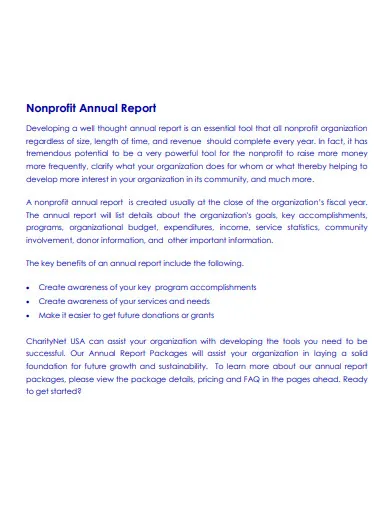
A nonprofit annual report cover letter is a crucial document that accompanies your annual report. It serves as an introduction to your organization’s accomplishments, financial health, and future goals. Unlike the detailed report itself, the cover letter offers a concise summary designed to capture the reader’s attention and encourage them to delve deeper into the full report. The cover letter is more than just a formality; it’s an opportunity to connect with stakeholders on a personal level and highlight the impact of their support. A well-crafted cover letter sets the tone for the entire report and reflects your organization’s professionalism and commitment to transparency. It is an essential tool for building relationships with donors, board members, and other key stakeholders.
The Purpose of a Cover Letter
The primary purpose of a nonprofit annual report cover letter is to introduce the annual report and provide a snapshot of the organization’s activities and achievements over the past year. It should summarize key accomplishments, financial performance, and future plans, making it easy for readers to quickly understand the organization’s overall impact. The cover letter also serves to express gratitude to donors, volunteers, and staff for their contributions, fostering a sense of appreciation and encouraging continued support. Furthermore, it helps to reinforce the organization’s mission and values, reinforcing the importance of the organization’s work. By presenting a clear and compelling overview, the cover letter aims to motivate stakeholders to engage further with the report and organization.
Key Components of a Nonprofit Cover Letter

Introduction
The introduction should immediately grab the reader’s attention. Start with a strong opening statement that highlights the organization’s mission or a significant achievement from the past year. Briefly mention the purpose of the letter and the annual report it accompanies. This section sets the tone for the rest of the letter and encourages the reader to continue reading. Keep the introduction concise and engaging, focusing on creating an immediate connection with the reader. The goal is to pique their interest and make them want to learn more about your organization’s activities and impact. Consider starting with a compelling statistic or a brief narrative that illustrates your organization’s impact.
Organization Overview
Provide a brief overview of your organization, including its mission, values, and primary activities. This section helps remind the reader of what your organization does and its core purpose. Highlight your organization’s specific focus and the population or cause it serves. Keep this section relatively short, as the main goal is to provide context. This section should resonate with the reader and remind them of the importance of the work you do. Include a brief mention of your organization’s history or any recent developments that are relevant to your mission. This overview grounds the reader and sets the stage for the achievements that follow.
Highlights and Achievements

This section is where you showcase your organization’s successes from the past year. Focus on the most significant accomplishments, such as the number of people served, programs implemented, or milestones reached. Use specific data and quantifiable results to demonstrate your impact. Keep the language clear and impactful, using action verbs to describe your achievements. It should be a concise summary of your organization’s triumphs over the past year, showcasing the effectiveness of your programs and the positive change you’ve made. The goal is to demonstrate the value of your organization’s work and show stakeholders how their support has made a difference.
Financial Summary
Present a brief overview of your organization’s financial performance. Highlight key financial metrics, such as revenue, expenses, and overall financial health. While the detailed financial information is in the report, the cover letter should offer a concise summary. This demonstrates transparency and builds trust with stakeholders. If possible, include a positive statement about your financial stability or any significant financial milestones achieved. A clear financial summary shows that your organization is fiscally responsible and capable of managing resources effectively. It helps donors and stakeholders understand how their contributions are being used and the overall impact of their support.
Gratitude and Appreciation
Express sincere gratitude to donors, volunteers, staff, and board members for their contributions and support. Acknowledge the important roles these individuals play in your organization’s success. Personalize the appreciation by mentioning specific groups or individuals if possible. A genuine expression of gratitude helps strengthen relationships and encourages continued support. Thanking key stakeholders for their dedication is essential for maintaining a positive relationship. Show appreciation for the hard work and dedication that make your organization’s success possible. Make sure to include a genuine thank you, which fosters goodwill and encourages continued support.
Call to Action
Conclude with a clear call to action. Encourage readers to review the full annual report and, if appropriate, consider donating or volunteering. Provide contact information for further inquiries and express your enthusiasm for continuing the partnership. The call to action should be specific and direct, guiding readers on what to do next. Make it easy for stakeholders to engage with your organization further. Include a link to the full report or provide instructions on how to access it. This provides a clear and direct path for stakeholders to further support your mission and remain engaged with your organization.
Tips for Writing an Effective Cover Letter
Know Your Audience
Tailor your cover letter to your specific audience. Consider the interests and priorities of your readers when crafting your message. Whether it’s donors, board members, or other stakeholders, understanding their perspectives will help you write a more compelling and relevant letter. Researching your audience and understanding their connection to your organization will help you tailor your message effectively. Consider what aspects of your organization’s work they find most important. Tailor the language and content to resonate with that specific audience, ensuring that your message is both impactful and meaningful to them. Doing so ensures that your letter is well-received and creates a more personal connection.
Keep it Concise
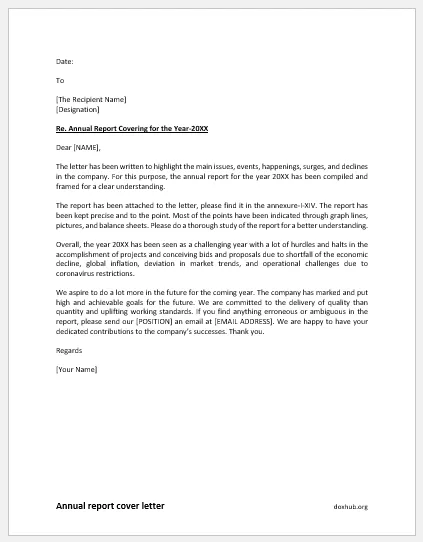
Keep your cover letter brief and to the point. Readers are likely to be busy, so it is essential to make your letter easy to read and digest quickly. Focus on the most important information and avoid unnecessary jargon or overly complex language. Aim for a single page, if possible. This maximizes the impact of your message by delivering the key points efficiently. Concise writing ensures that your readers grasp the critical aspects of your organization’s performance and encourages them to delve further into the annual report.
Use a Professional Tone
Maintain a professional and respectful tone throughout your cover letter. Use formal language, proper grammar, and a clear writing style. Ensure that the letter reflects your organization’s values and brand. Your cover letter is a reflection of your organization, so maintain a professional tone. Avoid casual language or slang and use clear and concise sentences to convey your message. This professionalism enhances your organization’s credibility and underscores your commitment to excellence. It shows readers you value their support and are dedicated to communicating effectively.
Proofread Carefully
Proofread your cover letter multiple times to catch any errors in grammar, spelling, or punctuation. Errors can undermine your organization’s credibility and make the letter appear unprofessional. Always have someone else review your cover letter before sending it. Proofreading ensures that your message is polished and reflects your organization’s attention to detail. It shows that you value quality and are committed to presenting your organization in the best possible light. Carefully check for any errors and ensure the language is accurate and clear.
Formatting Your Cover Letter

Header and Contact Information
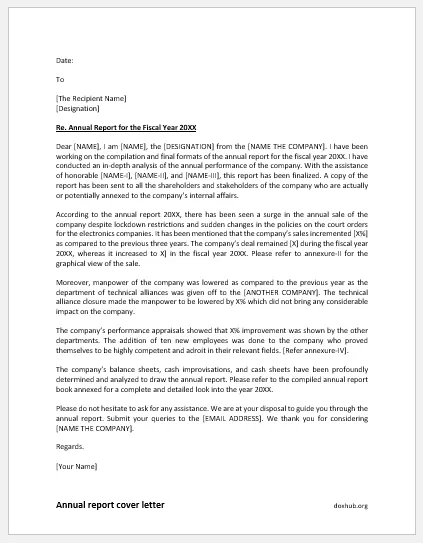
Include your organization’s letterhead at the top of the cover letter, followed by the date and the recipient’s contact information. This provides a professional look and makes it easy for the reader to identify your organization. Ensure that all contact details are accurate and up-to-date. Proper formatting sets a professional tone and clearly identifies the sender and recipient. This information is a basic courtesy that also ensures that readers can easily reach out to you if they have questions or want to learn more.
Salutation
Use a formal salutation, such as “Dear [Name],” when addressing the recipient. If you don’t know the recipient’s name, use a general greeting like “Dear [Board Members, Donors, etc.].” A personalized greeting shows respect and helps establish a more personal connection. It sets a positive tone for the rest of the letter. Using the recipient’s name, if known, shows that you have taken the time to personalize the communication. This simple act can significantly enhance the reader’s perception of your organization.
Body Paragraphs

Organize the content of your cover letter into clear and concise paragraphs. Each paragraph should focus on a specific topic, such as achievements, financial summaries, or gratitude. Use strong topic sentences to introduce each paragraph and keep the language clear and engaging. Well-structured paragraphs enhance readability and help the reader quickly understand the main points. Break up long blocks of text to make the letter easier to scan. Well-organized content ensures that readers can easily follow your narrative and understand the key messages you want to convey.
Closing and Signature
End your cover letter with a professional closing, such as “Sincerely,” or “With gratitude,” followed by your name and title. Include the name of the organization and any contact information, as well. A clear and professional closing reinforces your organization’s professionalism and enhances the reader’s overall experience. Provide a way for the reader to contact you if they have questions or wish to learn more. Properly formatted signatures add a final touch of professionalism and leave a positive impression.
Examples of Successful Nonprofit Cover Letters
Example 1
A well-written cover letter will acknowledge the contributions of donors. It opens with a compelling narrative. Focus on gratitude and highlighting key achievements, using strong language to emphasize impact. The letter should be concise, with a clear call to action.
Example 2
This cover letter leads with an emotionally engaging story about beneficiaries. It provides a clear overview of the past year’s accomplishments and financial health. The letter should clearly show the organization’s impact with specific data. The tone should be positive and appreciative.
Example 3
This cover letter begins by thanking donors for their continuing support. It includes a concise summary of program achievements. Financial information is presented in an easily digestible format, ensuring transparency. The tone is appreciative, and the call to action encourages further engagement.
Common Mistakes to Avoid
Ignoring Your Audience
Failing to tailor your cover letter to your audience is a common mistake. A generic letter does not resonate with readers. Make sure to understand and address the specific interests of each audience segment. Customizing your message demonstrates that you value their unique contributions.
Being Too Vague
Avoid vague statements that lack specific details. General claims of success without quantifiable evidence can diminish the impact of your message. Be sure to provide specific examples and data to illustrate your organization’s achievements. Always support your claims with concrete evidence and make your accomplishments clear and impactful.
Using Jargon Excessively
Using overly technical or industry-specific jargon can confuse readers who are not familiar with your field. Write in clear, accessible language that is understandable by all stakeholders. Strive for clarity and use plain language that everyone can understand. By communicating in a way that is easily understood, you ensure your message is effective and engaging.
Not Proofreading
Failing to proofread your cover letter is a serious mistake. Errors in grammar, spelling, and punctuation can undermine your credibility. Always proofread carefully and have someone else review your letter. Correcting errors ensures that your organization’s professionalism is showcased and that you make a good impression. Careful attention to detail elevates the quality of your communication.