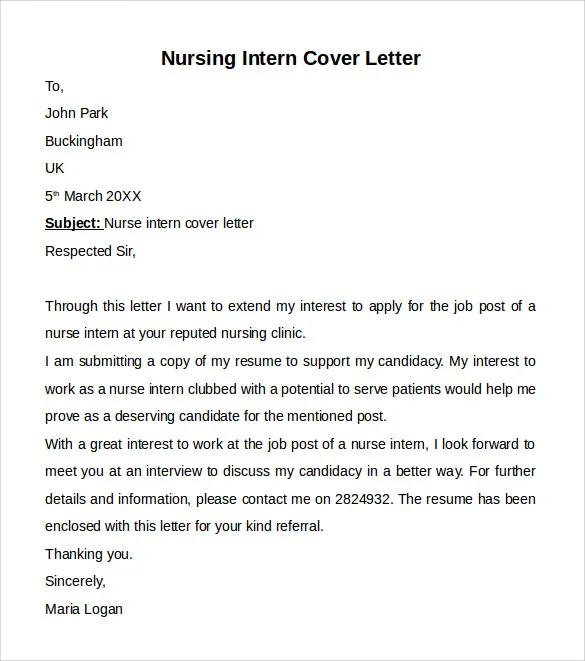
Why a Nursing Externship Cover Letter is Crucial
A nursing externship cover letter is more than just a formality; it’s your first impression, a chance to showcase your personality, passion, and suitability for the role. In the competitive world of nursing, a well-crafted cover letter can significantly boost your chances of securing an externship. It allows you to highlight aspects of your resume, such as skills, experience, and career goals, providing a more detailed picture of who you are and what you bring to the table. A strong cover letter demonstrates your genuine interest in the specific externship and healthcare facility. It provides an opportunity to explain why you are a great fit.
Highlighting Your Skills and Experience
Your cover letter is the perfect place to emphasize the skills and experiences that make you a strong candidate. Don’t just list them; provide context and demonstrate how you’ve applied these skills. If you have experience in patient care, describe the specific tasks you performed and the positive outcomes you achieved. If you’re skilled in communication, share an example of how you effectively interacted with patients or healthcare professionals. Always quantify your achievements whenever possible – for instance, ‘Assisted in the care of 15 patients daily’ instead of simply ‘provided patient care’.
Your Academic Background

Your academic background is a cornerstone of your nursing externship application. In your cover letter, briefly mention your current enrollment in a nursing program, the name of your school, and the expected graduation date. This helps establish your current stage in your education journey and shows your commitment to the nursing field. Keep the focus relevant to the externship you’re applying for, showcasing how your ongoing education has prepared you for the challenges and responsibilities of the role. Mentioning your GPA is optional. However, if it is very strong, it can demonstrate your academic proficiency and dedication.
Relevant Coursework and GPA
Highlight any coursework that directly relates to the externship’s focus. If the externship is in a specific area, such as critical care or pediatrics, mention relevant courses you have taken. Describe briefly the knowledge and skills you acquired in these courses, and how they align with the externship’s requirements. If you’re comfortable, include your GPA, particularly if it is above average. A high GPA indicates that you are a dedicated and capable student. It demonstrates your ability to understand and apply complex concepts in a healthcare setting. Avoid including your GPA if it does not reflect well on your academic performance.
Clinical Experiences
Clinical experiences are invaluable and should be detailed in your cover letter. Describe the settings in which you gained clinical experience, such as hospitals, clinics, or long-term care facilities. Highlight any specific responsibilities or skills you developed during these experiences, such as taking patient histories, administering medications, or assisting with procedures. Use the STAR method (Situation, Task, Action, Result) to provide concrete examples of how you handled situations and the positive outcomes. This will bring your experience to life for the reader.
Expressing Your Passion for Nursing

Your cover letter should reflect your genuine passion for nursing. Share what initially drew you to the profession and what inspires you to pursue a career in healthcare. Discuss your reasons for choosing nursing, and the specific aspects of the field that interest you most. Convey your enthusiasm through vivid language and personal anecdotes. Show your desire to learn and grow within the nursing field. Mention any experiences that reinforced your commitment to nursing, such as volunteering, shadowing, or personal experiences.
Detailing Your Career Goals
Clearly articulate your career goals in your cover letter, as this demonstrates ambition and planning. State your specific objectives for the externship and how it will help you achieve your long-term career aspirations. If you have a particular area of nursing that you are passionate about, mention it. Explain how the externship aligns with your career path. Express your eagerness to gain experience and build a strong foundation for your future career in nursing. If you are unsure of your career goals, state that you are exploring different areas of nursing and that the externship will help you gain valuable insights.
Researching the Hospital or Clinic
Before you start writing, research the hospital or clinic where you’re applying. Familiarize yourself with their mission, values, and the specific programs they offer. This information will help you tailor your cover letter to their needs. When you mention the hospital, you will need to specify the units that you are interested in, that you are excited about learning in those units. Show that you are a good fit for their institution. Demonstrate that you understand their specific needs and challenges, and explain how your skills and experiences can contribute to their mission.
Customizing Your Letter

A generic cover letter is unlikely to impress. Customize each letter for each specific externship. Tailor the content to match the requirements of the role and the values of the organization. Highlight the skills and experiences that align with their needs. Mention specific aspects of the hospital or clinic that appeal to you. This personalization demonstrates that you’ve invested time and effort, and that you are genuinely interested in the opportunity. Refer to their website, social media, and any other available resources to gather information that you can include.
Addressing the Hiring Manager
Whenever possible, address your cover letter to a specific person, such as the hiring manager or the nurse manager of the unit where you want to work. This shows that you’ve taken the time to research the organization. If you can’t find a name, use a professional greeting such as “Dear Hiring Manager”. Avoid generic greetings like “To Whom It May Concern.” Always double-check the spelling of the name and title of the person you are addressing. Proofread your letter to ensure there are no errors. A personalized letter makes a better impression than a generic one.
Formatting Your Cover Letter
Your cover letter should be easy to read and visually appealing. Use a professional font like Times New Roman, Arial, or Calibri. Keep the font size between 10 and 12 points. Use standard one-inch margins on all sides. Use single-spaced text within paragraphs and double-space between paragraphs. Keep the letter concise; ideally, it should be no more than one page. Use clear headings and subheadings to organize your thoughts. Ensure there is consistent formatting throughout the document.
Essential Sections

Your cover letter should include several key sections to effectively communicate your qualifications. The first section should be your contact information. Include your name, address, phone number, and email address. Next is the date. Then, address the letter to the hiring manager and include the job title. The opening paragraph should state your purpose and express your interest in the externship. The body paragraphs should highlight your skills, experience, and qualifications. Finally, the closing paragraph should reiterate your interest and include a call to action.
Opening Paragraph
The opening paragraph is your first chance to make a strong impression. Start by stating the position you’re applying for. Mention where you found the job posting and express your enthusiasm for the opportunity. Briefly highlight your key qualifications and how they align with the requirements of the externship. Make a clear statement of your intent to apply for the nursing externship and your excitement about the possibility of joining the team.
Body Paragraphs
Use the body paragraphs to provide detailed information about your skills, experience, and qualifications. Highlight your academic background, including your current enrollment in a nursing program, relevant coursework, and GPA. Detail your clinical experiences, emphasizing your responsibilities and the skills you developed. Explain your passion for nursing and your career goals. Tailor your language to match the specific requirements of the externship and the values of the organization. Use the STAR method (Situation, Task, Action, Result) to provide concrete examples of your achievements and skills. If possible, include a brief discussion of how your skills align with the mission or values of the organization.
Closing Paragraph

The closing paragraph should reiterate your interest in the externship and express your enthusiasm for the opportunity. Thank the hiring manager for their time and consideration. Include a call to action, such as stating that you are available for an interview or that you look forward to hearing from them soon. Reiterate your confidence in your ability to contribute to the team and to achieve your goals. End the letter with a professional closing, such as “Sincerely” or “Best regards,” followed by your name.
Proofreading and Editing
Before submitting your cover letter, carefully proofread and edit it to ensure that it is free of errors. Check for grammatical errors, typos, and formatting issues. Read the letter aloud to catch any awkward phrasing or unclear sentences. Ask a friend, family member, or career counselor to review your cover letter and provide feedback. Ensure that all information is accurate and up-to-date. Make sure your contact information is correct. A polished cover letter demonstrates professionalism and attention to detail.
Common Mistakes to Avoid
Several common mistakes can significantly weaken your cover letter. Avoid these pitfalls to increase your chances of success.
Generic Language

Avoid using generic, cliché phrases that don’t add any value. Instead, use specific language that showcases your skills and experiences. Replace phrases like “I am a hard worker” with concrete examples of your dedication and achievements. Avoid general statements and provide specific examples. Demonstrate your value by using clear and concise language that highlights your unique strengths.
Typos and Grammatical Errors
Typos and grammatical errors can damage your credibility and make a negative impression. Always proofread your cover letter carefully before submitting it. Use a spell checker and grammar checker, but don’t rely on them entirely. Read the letter aloud to catch any errors that may have been missed. Have someone else review the letter to catch any errors that you may have missed. Proofreading is an essential step in the cover letter writing process.
Lack of Enthusiasm
Your cover letter should convey your passion for nursing and your enthusiasm for the externship. Avoid using a tone that is flat or uninspired. Use language that is both professional and energetic. Share your motivations for pursuing a career in nursing and your specific interests. Show your excitement about the opportunity to learn and grow within the field. Demonstrate your eagerness to join the team and contribute to the organization’s mission.
Failing to Tailor the Letter
Sending a generic cover letter to multiple organizations is a common mistake. Customize your cover letter for each externship. Highlight the skills and experiences that align with the specific requirements of the role. Mention the aspects of the hospital or clinic that appeal to you. This personalization shows that you have invested time and effort. This demonstrates your genuine interest in the opportunity.
Writing a Strong Call to Action
A strong call to action is crucial for encouraging the hiring manager to take the next step. Clearly state that you are available for an interview and that you look forward to hearing from them soon. Make it easy for the hiring manager to contact you by including your phone number and email address. Reiterate your interest in the position and your excitement about the opportunity. Ensure that your call to action is direct, confident, and professional.
Seeking Feedback
Seeking feedback on your cover letter from others can significantly improve your chances of success. Ask a friend, family member, career counselor, or professor to review your letter and provide feedback. Be open to their suggestions and incorporate them into your cover letter. Ask them to check for clarity, grammar, typos, and overall effectiveness. Getting a fresh perspective can help you improve your cover letter. Feedback is a valuable part of the cover letter process.
Using Professional Language
Use professional language throughout your cover letter. Avoid using slang, jargon, or casual language. Write in a clear, concise, and professional tone. Use formal language, appropriate grammar, and correct punctuation. Use action verbs to describe your experiences and skills. Proofread your letter carefully to ensure that your language is appropriate and professional.
Showcasing Your Soft Skills
Soft skills are essential for success in nursing. Highlight these skills in your cover letter to demonstrate your ability to work well with others and provide excellent patient care. Choose a few key skills that align with the requirements of the externship and provide specific examples of how you have demonstrated these skills.
Communication Skills
Effective communication is crucial in nursing. Highlight your ability to communicate clearly and effectively with patients, families, and healthcare professionals. Provide examples of how you have successfully communicated in challenging situations. Mention your ability to actively listen, empathize, and build rapport with patients. Use specific instances, such as explaining complex medical information to patients or resolving conflicts between family members and staff.
Teamwork Abilities
Nursing is a team-based profession. Emphasize your ability to work collaboratively with others and contribute to a positive team environment. Give examples of times when you have worked effectively as part of a team. Mention your ability to support your colleagues and contribute to a shared goal. Illustrate your ability to step in and help others when needed. Describe your contributions to the team and the outcomes you achieved.
Empathy and Compassion
Demonstrate your empathy and compassion for patients. Share how you show compassion and understanding towards patients and their families. Provide specific examples of how you’ve provided emotional support to patients. Describe your ability to connect with patients on a personal level. Highlight your skills in recognizing and responding to patients’ needs.
Showcasing Your Technical Skills
Include technical skills in your cover letter. This will allow you to demonstrate your ability to perform basic patient care tasks and manage medical information effectively. Select the skills that align with the requirements of the externship. Provide concrete examples of how you have demonstrated those skills.
Medical Terminology
Mention your proficiency in medical terminology. Show that you can understand and use medical terms to communicate effectively. Mention any coursework or training in medical terminology you have completed. Use medical terms accurately and appropriately in your cover letter, demonstrating your understanding of the language of medicine.
Basic Patient Care Skills
Highlight your experience in basic patient care skills, such as taking vital signs, administering medications, and assisting with activities of daily living. Provide examples of your ability to safely and effectively perform these tasks. If you have experience with specific equipment or procedures, mention it. Demonstrate your proficiency in these skills.
Time Management and Organization
Nursing requires strong time management and organizational skills. Demonstrate your ability to manage your time effectively and stay organized. Provide examples of how you have prioritized tasks, managed your workload, and met deadlines. Mention your ability to multitask, manage multiple patients, and stay organized. This skill will demonstrate your readiness for the externship.