What Makes a Great Owl Cover Letter
An owl cover letter, much like any effective cover letter, is your first chance to make a lasting impression on a potential employer. It is a tool designed to showcase your unique skills, experience, and the value you bring to the table. Unlike a resume which provides a factual overview of your qualifications, a cover letter allows you to elaborate on these points, providing context and personality. A well-crafted cover letter isn’t merely a summary of your resume; it’s a narrative that connects your past experiences with the requirements of the job, demonstrating a clear understanding of the company and the role you are applying for. A great owl cover letter should be tailored to each specific job, demonstrating your genuine interest and showing how you are the perfect fit. This level of customization distinguishes you from generic applicants and increases your chances of securing an interview. Furthermore, the cover letter should reflect professionalism, clarity, and conciseness, making it an easy and enjoyable read for the hiring manager.
Highlighting Your Skills
When highlighting your skills in an owl cover letter, it is essential to move beyond merely listing them. Instead, focus on illustrating how you have utilized these skills to achieve tangible results in previous roles. Start by identifying the key skills required for the specific job you’re applying for. Then, provide concrete examples of how you have demonstrated these skills in your past experiences. For instance, if the job description emphasizes project management skills, share a brief story about a project you successfully managed, detailing your role, the challenges you faced, and the outcomes you achieved. This approach not only demonstrates your capabilities but also provides the employer with a clear understanding of your potential value to their team. Always quantify your achievements whenever possible. Instead of saying ‘I improved sales,’ say ‘I increased sales by 15% in one quarter.’ This level of detail helps your accomplishments resonate more effectively with the hiring manager. Remember to tailor your skills section to align with the job description, emphasizing the skills that are most relevant to the position and the company’s needs.
Showcasing Relevant Experience

Showcasing relevant experience in your owl cover letter goes beyond simply listing your past job titles and responsibilities. It involves a strategic approach of selecting and presenting the experiences that directly align with the job requirements. Begin by thoroughly analyzing the job description to identify the key skills, experiences, and qualifications the employer is seeking. Then, select the experiences from your professional history that best demonstrate these attributes. For each experience you choose to highlight, provide a concise and compelling narrative that showcases your contributions and achievements. Focus on the actions you took, the results you delivered, and the impact you made. Instead of just stating your responsibilities, explain how you went above and beyond in your role. For example, instead of writing ‘Managed social media accounts,’ describe specific campaigns you led, the audience engagement metrics you achieved, or the growth in followers you facilitated. By framing your experience in terms of results and achievements, you provide potential employers with concrete evidence of your capabilities and value.
Quantifying Your Achievements
Quantifying your achievements in an owl cover letter is a critical step in making your accomplishments tangible and impactful. Numbers and data provide concrete evidence of your abilities and make your achievements more credible. Rather than vaguely stating that you improved a process or increased sales, provide specific metrics that illustrate the extent of your success. For example, instead of saying ‘Improved customer satisfaction,’ you could write ‘Increased customer satisfaction scores by 20% within six months through implementing a new feedback system.’ Similarly, if you were responsible for managing a budget, specify the size of the budget and any savings you achieved. If you led a project, mention the timeline, the number of people involved, and any measurable outcomes, such as cost reduction or increased efficiency. By using quantifiable metrics, you not only demonstrate your accomplishments but also provide potential employers with a clear understanding of your potential value to their organization. This approach allows them to easily assess how your skills and experience align with their needs and goals.
Keywords for SEO
When crafting your owl cover letter, strategically incorporating relevant keywords can significantly improve your chances of getting noticed, especially in the digital age where applicant tracking systems (ATS) are widely used. These systems scan cover letters and resumes for specific keywords related to the job requirements, and if your letter doesn’t contain these keywords, it might be automatically rejected. Therefore, carefully review the job description and identify the key skills, qualifications, and industry-specific terms. Integrate these keywords naturally throughout your cover letter, ensuring they align with your experience and skills. Avoid keyword stuffing, which involves overusing keywords in an unnatural or repetitive manner, as this can negatively impact your credibility. Instead, weave the keywords seamlessly into your narrative, using them in your skills descriptions, experience highlights, and even in your opening and closing paragraphs. This approach not only helps your cover letter pass through ATS filters but also demonstrates that you have a clear understanding of the job requirements and the language used within the industry.
Structure of an Owl Cover Letter

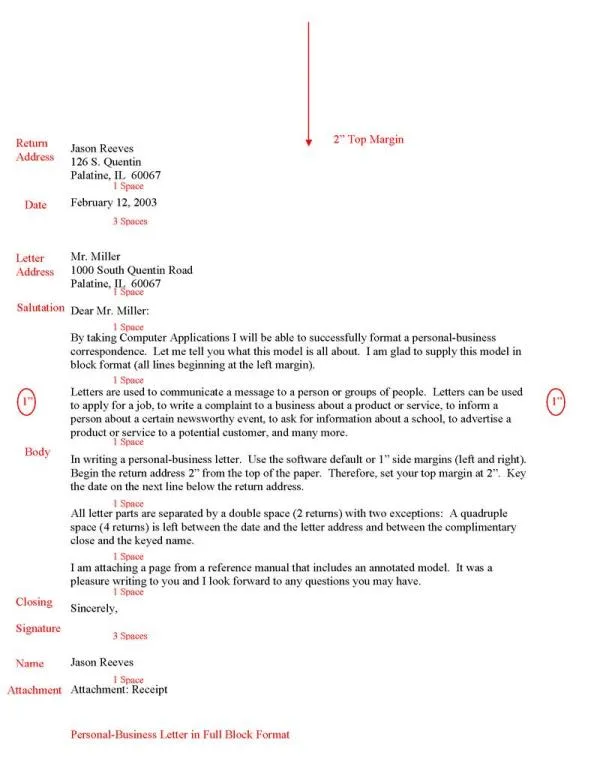
The structure of an owl cover letter is essential for creating a clear, concise, and impactful document. A well-structured cover letter guides the reader through your qualifications and demonstrates your understanding of the job requirements. The standard structure typically consists of several key sections, each with its own specific purpose. The header includes your contact information and the date, followed by the recipient’s contact information, which includes the hiring manager’s name and title. The opening paragraph should immediately grab the reader’s attention and state the position you are applying for, as well as how you found the opportunity. The body paragraphs are where you highlight your relevant skills and experience, providing specific examples and quantifiable achievements to support your claims. Each paragraph should focus on a specific aspect of your qualifications, connecting your past experiences with the needs of the job. Finally, the closing paragraph should reiterate your interest in the position, thank the reader for their time and consideration, and provide a call to action, such as encouraging them to contact you for an interview.
Header and Contact Information
The header of your owl cover letter serves as your introduction and should include your contact information, the date, and the recipient’s details. Start by listing your full name, followed by your professional contact information, which typically includes your phone number, email address, and LinkedIn profile URL, if applicable. Ensure that your contact information is accurate and up-to-date, as this is how the hiring manager will reach you. Below your contact information, include the date of the letter. Then, provide the recipient’s information, which should include the hiring manager’s name, title, and the company’s address, if available. Addressing the letter directly to the hiring manager shows that you have taken the time to research the company and the role. This personal touch can significantly improve your chances of making a positive impression. If you are unable to find the hiring manager’s name, you can use a general greeting such as ‘Dear Hiring Manager,’ but always strive to find the specific individual to personalize your cover letter and show your attention to detail.
The Opening Paragraph
The opening paragraph of your owl cover letter is arguably the most crucial part, as it sets the tone for the entire document and captures the reader’s attention. Begin by clearly stating the position you are applying for and how you discovered the opportunity. This immediately informs the reader of your purpose and provides context. Briefly mention the specific skills or experiences that align with the job requirements, showing that you understand what the employer is looking for. A strong opening paragraph should also express your enthusiasm for the role and the company. Convey your genuine interest in the company’s mission or values to show that you have done your research and are genuinely interested in working there. To make your opening even more effective, consider including a brief, compelling statement that showcases your unique value proposition. This might be a key achievement, a relevant skill, or a brief overview of your career goals. The goal is to create a positive first impression that prompts the reader to delve further into your qualifications.
Body Paragraphs

The body paragraphs of your owl cover letter are where you provide detailed information about your skills, experience, and qualifications. Each paragraph should focus on a specific aspect of your background, linking it directly to the job requirements. Start each paragraph with a topic sentence that clearly states the main point you want to convey. Then, support this point with specific examples, quantifiable achievements, and relevant details from your past experiences. Avoid simply restating the information already included in your resume. Instead, elaborate on your experiences, providing context, explaining the actions you took, and highlighting the results you achieved. Use strong action verbs to describe your accomplishments and skills. Tailor each paragraph to match the key requirements listed in the job description. For example, if the job description emphasizes project management skills, devote a paragraph to illustrating your project management experience, detailing your role, the size and scope of the projects, and the outcomes. This targeted approach shows the employer that you have carefully read the job description and understand their needs.
The Closing
The closing paragraph of your owl cover letter should summarize your interest in the position, reiterate your enthusiasm, and provide a clear call to action. Start by restating your interest in the job and the company, emphasizing why you are a good fit. Briefly mention your key skills or experiences once more, reinforcing the value you would bring to the role. Thank the reader for their time and consideration, expressing your appreciation for their attention. Then, provide a clear call to action, such as inviting them to contact you for an interview. This might involve stating that you are available for a meeting or phone call at their convenience. Finally, end with a professional closing, such as ‘Sincerely,’ or ‘Best regards,’ followed by your full name. Ensure your closing is concise, professional, and leaves a positive final impression.
Formatting and Design Tips
Formatting and design play a crucial role in making your owl cover letter easy to read, visually appealing, and professional. A well-formatted cover letter demonstrates your attention to detail and reflects well on your organizational skills. Start by choosing a clean, professional font such as Times New Roman, Arial, or Calibri. The font size should be between 10 and 12 points, which ensures readability without appearing too small or large. Use appropriate spacing, including single-spacing within paragraphs and double-spacing between paragraphs. This creates visual breaks and prevents the text from appearing cluttered. Use clear headings and subheadings to organize your content and guide the reader through the document. Use bullet points to highlight key skills, experiences, or achievements. Ensure your cover letter is aligned to the left, with a consistent margin throughout the document. Avoid using excessive colors, graphics, or unusual fonts, as they can distract from the content and make your letter appear unprofessional. Instead, focus on simplicity and clarity to create a cover letter that is both informative and visually appealing.
Choosing the Right Font

Choosing the right font is an essential element of formatting your owl cover letter. The font you select can significantly impact readability and the overall impression your letter makes. Opt for professional and easily readable fonts such as Times New Roman, Arial, or Calibri. These fonts are widely recognized and provide a clean, uncluttered appearance that is suitable for formal documents. Avoid using overly decorative or unusual fonts, as these can distract the reader and make your letter appear less professional. The font size should be between 10 and 12 points to ensure that the text is easy to read without being too large or too small. Use a consistent font throughout your cover letter. If you are using headings, you can slightly increase the font size or use bold font to create visual distinctions. Ensure that the font you choose is appropriate for the context and conveys a sense of professionalism and attention to detail. A well-chosen font can make your cover letter more readable and more effective in conveying your message.
Using White Space Effectively
Using white space effectively in your owl cover letter can greatly enhance its readability and visual appeal. White space refers to the blank areas around your text, between paragraphs, and within the margins. Proper use of white space helps to create visual breaks, making the content easier to scan and digest. Avoid overcrowding your cover letter with dense blocks of text. Instead, break up your paragraphs into shorter, more manageable sections. Use single-spacing within paragraphs and double-spacing between paragraphs. This provides visual separation and allows the reader’s eye to rest. Ensure that you use adequate margins on all sides of your document. Generally, margins of at least one inch on all sides are recommended, as this creates a balanced and professional appearance. Use headings and subheadings to divide your content into logical sections. This helps to guide the reader through the document and improve readability. White space can also be used to draw attention to important information. By strategically placing blank space around key points, you can make them stand out and capture the reader’s attention. By incorporating these formatting tips, you can create a well-structured and visually appealing owl cover letter that highlights your skills and experiences.
Proofreading Your Owl Cover Letter
Proofreading your owl cover letter is a critical step in ensuring its professionalism and accuracy. Errors in grammar, spelling, and punctuation can significantly undermine your credibility and give the impression that you are not detail-oriented. Before submitting your cover letter, carefully review it for any mistakes. Start by reading through the document slowly, paying close attention to the details. Check for spelling errors, grammatical errors, and punctuation mistakes. Use a spell checker and grammar checker, but remember that these tools are not foolproof. They might miss errors or not always catch nuances of language. Read your cover letter aloud, as this can help you identify awkward phrasing or sentences that don’t flow smoothly. Have a friend, family member, or career counselor review your cover letter. A fresh pair of eyes can often catch errors that you might have missed. Pay close attention to the details, such as the recipient’s name, the company name, and the job title. Ensure that all information is accurate and consistent with the job description. Proofreading is a crucial part of the writing process and can make a significant difference in the overall impact of your cover letter, so take the time to do it thoroughly.
Common Mistakes to Avoid

Avoiding common mistakes is essential when writing an owl cover letter to ensure it effectively conveys your qualifications and enthusiasm. One of the most common errors is a lack of customization. Do not send a generic cover letter to multiple employers. Tailor each letter to the specific job requirements and the company’s needs. Another mistake is not proofreading carefully. Spelling and grammar errors detract from your professionalism. Also, avoid simply restating your resume in the cover letter. Use the cover letter to expand on your experiences, providing context and showcasing your achievements. A failure to highlight relevant skills and experiences is another critical error. Make sure to focus on the skills and experiences most relevant to the job, demonstrating how you can contribute to the company’s success. Not including a call to action in your closing paragraph is also a frequent oversight. Encourage the hiring manager to contact you for an interview. Finally, ensure your tone remains professional and enthusiastic, avoiding overly casual language or negative comments about previous employers.
Grammar and Spelling
Impeccable grammar and spelling are essential for creating a professional and polished owl cover letter. Errors in these areas can instantly undermine your credibility and give the impression that you are not detail-oriented. Before submitting your cover letter, carefully review it for any spelling mistakes, grammatical errors, and punctuation mistakes. Use a spell checker and grammar checker, but don’t rely on them completely. These tools might not catch all errors, and they can sometimes suggest incorrect corrections. Read your cover letter aloud to help identify awkward phrasing or sentences that don’t flow smoothly. Ensure that all words are spelled correctly and that sentences are grammatically correct. Double-check your punctuation to ensure that it is accurate and consistent. Pay close attention to the use of commas, periods, semicolons, and other punctuation marks. Always have someone else proofread your cover letter. A fresh pair of eyes can often catch mistakes that you might have missed. A well-written cover letter with proper grammar and spelling will demonstrate your attention to detail and enhance your chances of making a positive impression.